Your Complete Plumbing Inspection Checklist for Homeowners
"*" indicates required fields
You notice a faint, musty smell in the laundry room but can’t find the source. A faucet drips just enough to be annoying, and your water bill seems a little higher than usual. These small, easy-to-ignore signs are often the first clues that your home’s plumbing system needs attention. Ignoring them can lead to major headaches like water damage, mold growth, and costly emergency repairs. A thorough plumbing inspection checklist is your first line of defense, helping you spot minor issues before they become major disasters.
Understanding Your Plumbing Inspection Checklist
A plumbing inspection checklist is a systematic guide for examining the health of your home’s water and drainage systems. It’s not just for when you’re buying or selling a house. Think of it as a routine health check-up for one of your home’s most vital systems.
This process involves looking at all the visible and accessible components, from faucets and toilets to water heaters and main supply lines. The goal is to identify leaks, corrosion, clogs, and wear before they cause damage. Every home can benefit from this proactive approach, but older homes, in particular, should have their plumbing inspected regularly due to aging pipes and fixtures.
Why This Matters for Your Home
Your plumbing is hidden behind walls and under floors, making problems easy to miss until significant damage has occurred. A small leak from a pipe inside a wall can silently rot wood, ruin drywall, and create the perfect environment for toxic mold. This kind of hidden damage is often not covered by homeowners insurance if it’s deemed a result of long-term neglect.
Beyond property damage, plumbing issues pose safety risks. A failing water heater can lead to scalding or even carbon monoxide leaks. Sewage backups create serious health hazards. By using a checklist to catch issues early, you protect your family’s safety, your home’s structural integrity, and your wallet from surprise, expensive repairs.
If you notice signs of this issue in your home, it may help to speak with a qualified contractor. Request a free quote or call to explore your repair or remodeling options.
Common Problems Homeowners Experience
Many plumbing problems start small and gradually worsen over time. Homeowners often first notice a decrease in water pressure, a slow-draining sink, or the sound of running water when all fixtures are off. These are clear signals that something isn’t right within the system.
Other issues are less obvious but just as important. For instance, water pressure that’s too high can stress pipes and connections, leading to premature failure. Understanding these common problems helps you know what to look for during your own visual inspection.
- Persistent drips from faucets and showerheads.
- Slow drainage in sinks, tubs, or showers.
- Discolored water, especially rusty hot water.
- Unusual noises like gurgling, banging, or whistling from pipes.
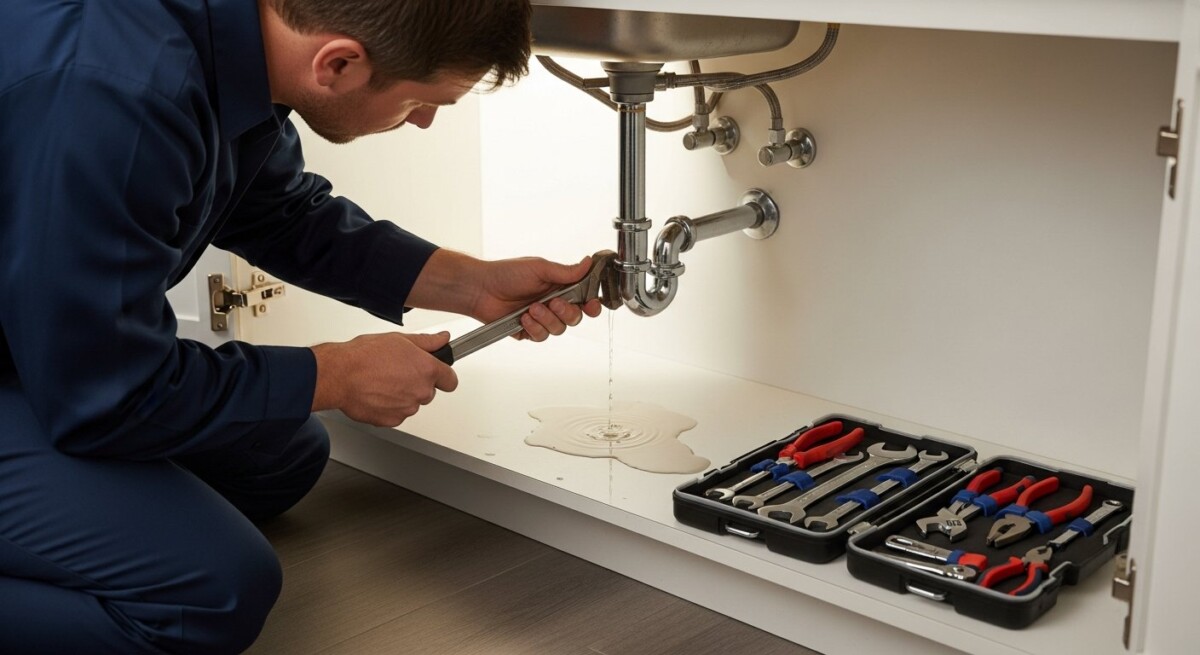
- Visible signs of moisture, corrosion, or mold under sinks or around toilets.
- An unexplained increase in your monthly water bill.
How Professionals Solve the Problem
A professional plumber brings expertise, specialized tools, and experience that go far beyond a basic homeowner checklist. They perform a comprehensive evaluation, often using video cameras to inspect sewer lines or pressure gauges to test system integrity. This allows them to diagnose hidden problems you simply can’t see.
Their process is thorough and methodical. It starts with a review of your home’s plumbing history and a visual check of all accessible areas, then moves to targeted testing. This professional approach ensures no stone is left unturned, giving you a complete picture of your system’s health and any needed repairs.
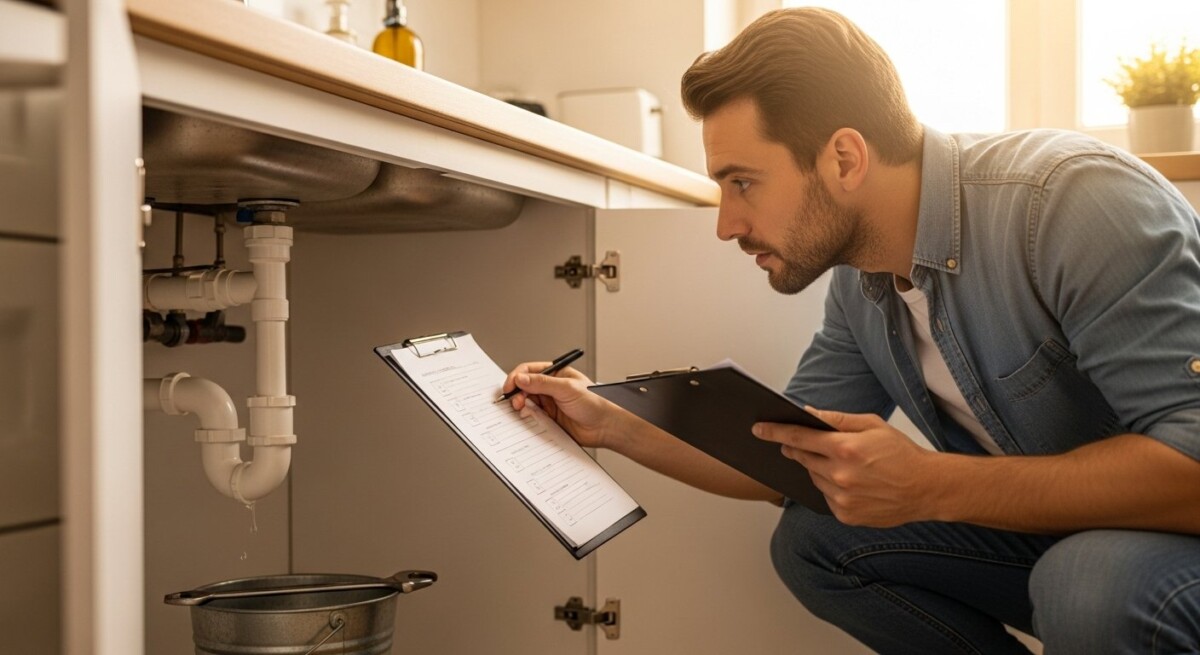
- Initial Consultation & Visual Assessment: The contractor discusses your concerns and performs a walkthrough, checking for visible leaks, corrosion, and fixture operation.
- Pressure & Flow Testing: They test water pressure at various points and check flow rates to identify blockages or supply issues.
- Fixture & Appliance Inspection: Every toilet, sink, faucet, and appliance (like water heaters and washing machines) is inspected for leaks and proper function.
- Drain & Sewer Line Evaluation: Using drain snakes or video inspection equipment, they check for clogs, root intrusion, or damage in drain lines.
- Detailed Report & Recommendations: You receive a clear report outlining the system’s condition, any immediate concerns, and prioritized recommendations for repairs or maintenance.
A professional inspection can reveal hidden issues before they become expensive repairs. Compare contractor quotes here or call to discuss your project.
Warning Signs You Should Not Ignore
Some plumbing problems announce themselves loudly, but the most costly ones are often quiet. Paying attention to subtle changes in your home’s performance can save you thousands. For example, a toilet that runs intermittently can waste hundreds of gallons of water a month, straining your septic system or sewer line and increasing your utility costs.
Acting on these early warnings is one of the smartest investments you can make in your home. It prevents small, affordable fixes from turning into major projects that involve tearing out walls or replacing entire plumbing runs. Our detailed guide on home plumbing inspection dives deeper into what each sign means.
- Water Stains: Yellow or brown stains on ceilings or walls indicate a slow leak from a pipe above.
- Flooring Changes: Warping, buckling, or soft spots in flooring near plumbing fixtures.
- Persistent Mold or Mildew: Mold that returns after cleaning often points to excess moisture from a leak.
- Sewer Odors: Foul smells from drains or in your yard can signal a dry P-trap or a broken sewer vent pipe.
- Foundation Cracks or Settling: In severe cases, a major underground leak can wash away soil and affect your home’s foundation.
What Affects the Cost of Repairs or Installation
The cost of plumbing work varies widely because every home and every problem is unique. A simple faucet repair is relatively inexpensive, while repiping an entire house or replacing a main sewer line is a significant investment. The key is to understand the factors that influence the final price so you can budget effectively.
Labor is a major component, and it’s directly tied to the accessibility of the pipes. Pipes hidden behind finished walls or under concrete slabs require more time and skill to access, increasing costs. The materials you choose, from standard copper to durable PEX piping, also affect the price, as do local permit fees and the overall scope of the project.
Costs can vary depending on the condition of your home. The best way to know the price is to get a personalized estimate. Request free quotes from contractors or call today.
How to Choose the Right Contractor
Selecting a trustworthy plumbing contractor is as important as the inspection itself. You’re inviting someone to diagnose problems in a critical system, so you need confidence in their skills and integrity. Start by asking friends and neighbors for referrals and checking online reviews to gauge reputation.
Always verify that a contractor is properly licensed, bonded, and insured. This protects you if anything goes wrong during the project. A reputable professional will be happy to provide this information and will offer a detailed, written estimate that breaks down costs for labor, materials, and permits.
- Verify state and local licenses, plus insurance for liability and workers’ compensation.
- Read recent customer reviews and ask for references from similar projects.
- Request a detailed, written estimate that outlines the scope of work and all costs.
- Get quotes from at least three different contractors to compare pricing and approach.
- Ask about their experience with your specific type of home and plumbing issue.
Long-Term Benefits of Professional Work
Investing in professional plumbing inspection and repair pays dividends long after the work is complete. First and foremost, it brings peace of mind. Knowing that your hidden pipes are in good condition and your water supply is safe eliminates a major source of homeowner anxiety. You can sleep soundly without worrying about a potential flood.
Professionally maintained plumbing is also more efficient and durable. Fixing leaks and installing modern, efficient fixtures can significantly reduce your water and energy bills. Furthermore, a well-documented history of professional plumbing maintenance is a strong selling point that can increase your home’s value and make it more attractive to future buyers.
How often should I do a plumbing inspection?
Homeowners should perform a basic visual check of exposed pipes and fixtures every few months. A full, professional inspection is recommended every two to three years for most homes. If your home is over 40 years old or you’ve experienced problems before, consider an annual professional check-up.
Can I do my own plumbing inspection?
Yes, you can and should do a basic visual inspection using a checklist. Look for leaks, test water pressure, and check for corrosion. However, a professional inspection is crucial because they have the tools and expertise to assess hidden pipes, sewer lines, and internal system pressure in ways a homeowner cannot.
What is included in a professional plumbing inspection?
A comprehensive inspection includes checking all fixtures for leaks and function, testing water pressure, inspecting water heaters, examining visible pipes for corrosion, assessing drain flow, and often using a camera to inspect main sewer lines. The contractor should provide a detailed written report of their findings.
How long does a plumbing inspection take?
The duration depends on the size and age of your home. For an average single-family home, a thorough professional inspection typically takes between 1.5 to 3 hours. More complex homes with extensive plumbing or outbuildings will take longer.
Will an inspection find hidden leaks?
A professional inspection is designed to find hidden leaks. Plumbers use moisture meters, infrared cameras, and sewer line cameras to detect moisture and damage behind walls and underground. They can often pinpoint leaks that would otherwise go unnoticed until major damage occurs.
Is a plumbing inspection worth the cost?
Absolutely. The cost of a professional inspection is minor compared to the expense of repairing water damage, replacing rotten subfloors, or remediating mold. It’s a proactive investment that protects your largest asset,your home,from preventable, costly damage.
Your home’s plumbing system works hard every day, and it deserves regular care. By using a plumbing inspection checklist and partnering with a professional for a thorough assessment, you take control of your home’s health. Addressing small issues promptly prevents disruptive and expensive emergencies, ensuring your home remains safe, comfortable, and valuable for years to come. The smartest first step is to gather information; comparing detailed quotes from trusted local contractors will give you clarity and confidence for your next move.