
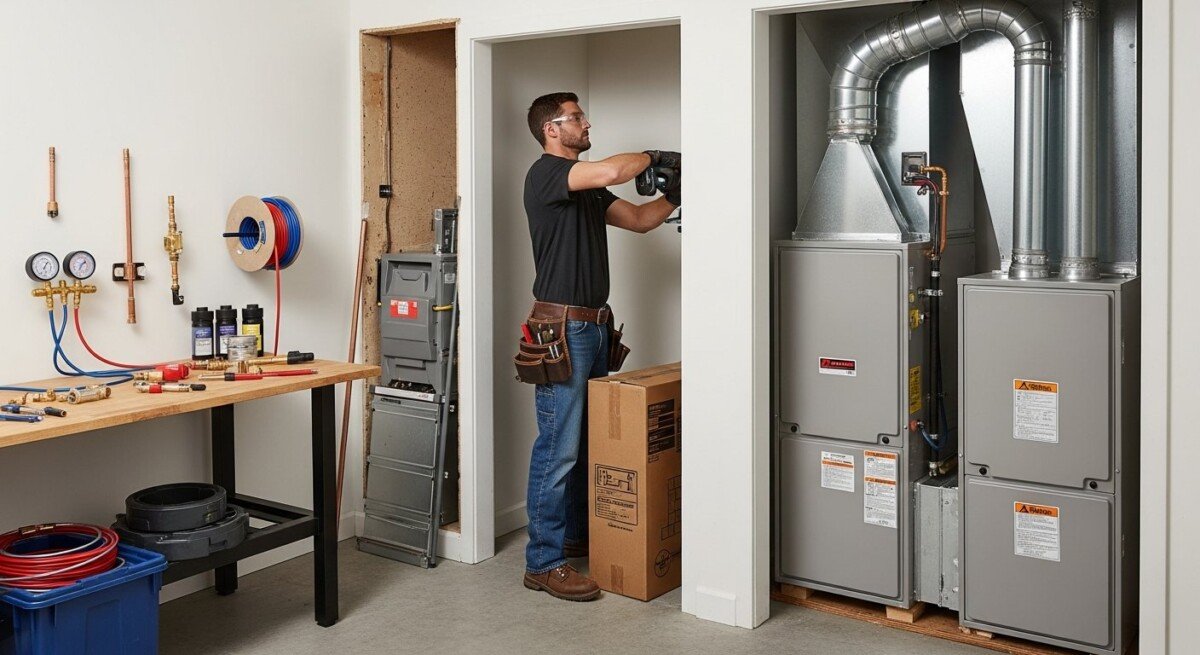
Your Complete Guide to a New HVAC System Setup
A complete guide to understanding and planning a new HVAC system setup for your home. Learn about the process, benefits, and how to ensure a professional installation.

By Alex Carter
Learn more about Central Air Conditioning Installation or Replacement for guides, costs, and what to expect.
Compare Central Air Conditioning Installation or Replacement Pros Near You

Enter your ZIP code to compare top-rated local professionals and request free quotes.
Thinking about a new HVAC system setup can feel overwhelming. Your home’s heating and cooling system is a major investment, and the process involves more than just swapping out an old unit for a new one. From choosing the right equipment to ensuring a flawless installation, every step impacts your home’s comfort, energy bills, and peace of mind for years to come. This guide breaks down everything you need to know in simple, clear terms, so you can feel confident and informed.
Understanding a New HVAC System Setup
A new HVAC system setup is the complete process of selecting, planning, and professionally installing a new heating, ventilation, and air conditioning system in your home. It’s not a simple replacement job. It’s a comprehensive project that starts with a detailed assessment of your home’s needs and ends with a perfectly calibrated system delivering optimal comfort.
This process ensures your new furnace, air conditioner, or heat pump is correctly sized for your home’s square footage, layout, and insulation levels. A proper setup also integrates the indoor and outdoor units with your home’s ductwork, electrical system, and thermostat. Skipping steps or cutting corners during setup can lead to poor performance, higher energy costs, and frequent repairs down the line.
The Core Components of Your System
Your HVAC system is a team of components working together. The setup involves coordinating the installation of the heating unit (like a furnace or heat pump), the cooling unit (like an air conditioner or the cooling side of a heat pump), the air handler or ductwork that distributes air, and the thermostat that controls it all. Each piece must be compatible and installed to manufacturer specifications for the system to work efficiently.
Why a Professional Setup Matters for Homeowners
Getting your new HVAC system setup done right the first time is crucial. A professional installation maximizes the efficiency promised by new, high-SEER air conditioners and high-AFUE furnaces. When installed incorrectly, even the most expensive unit can waste energy, struggle to maintain temperature, and wear out prematurely.
The benefits go beyond just cool or warm air. A correct setup improves your home’s air quality by ensuring proper ventilation and filtration. It also enhances safety, particularly with gas-burning appliances, by ensuring correct venting and combustion. Ultimately, a professional setup protects your investment and turns your new system into a source of reliable comfort and savings, not headaches.
For a deeper dive into how these systems work together, our guide to HVAC system basics explains the fundamentals of home comfort.
Ready for a seamless installation? Our certified technicians handle every detail of your new HVAC system setup with precision and care. Contact us online or call (555) 123-4567 for a free, no-obligation consultation and quote.
Common Issues from a Poor HVAC Setup
When a new HVAC system is not set up correctly, problems can appear immediately or slowly develop over time. These issues often stem from shortcuts taken during the installation process. Unfortunately, they can negate the benefits of your new equipment and lead to ongoing discomfort and expense.
The most frequent cause of problems is improper sizing. A unit that is too large for your home will short-cycle,turning on and off rapidly,which wastes energy, fails to dehumidify properly, and causes undue wear. A unit that’s too small will run constantly, struggling to reach the desired temperature and driving up your utility bills.
Other common causes include:
- Faulty Ductwork Connection: Leaky or poorly sealed ducts can lose 20-30% of the conditioned air, forcing your system to work harder.
- Incorrect Refrigerant Charge: Too much or too little refrigerant in an AC or heat pump drastically reduces efficiency and can damage the compressor.
- Poor Electrical Connections: Loose or incorrect wiring can create safety hazards and cause system failures.
- Inadequate Drainage: Improperly sloped condensate drain lines can lead to water leaks and moisture damage.
How Professionals Execute a Flawless HVAC Setup
A professional HVAC setup is a methodical process designed for long-term performance. It begins with a thorough load calculation, often using industry-standard software, to determine the exact heating and cooling capacity your home requires. This considers insulation, window types, sun exposure, and even the number of occupants.
Once the right equipment is selected, the installation team follows a precise sequence. They prepare the site, safely remove the old equipment, and install the new units on stable, level platforms. They then make all electrical, refrigerant, and duct connections with meticulous attention to detail, followed by testing and calibrating every system function. The final step is often a walkthrough with the homeowner to explain the new thermostat and basic maintenance.
- Home Assessment & Load Calculation
- Equipment Selection & Planning
- Safe Removal of Old Equipment
- Precision Installation & Connection
- System Testing, Balancing & Calibration
- Homeowner Education & Final Walkthrough
Don’t leave your comfort to chance. Trust our experienced team for a new HVAC system setup done to the highest standards. Schedule your free estimate today or call (555) 123-4567 to get started.
Signs Your Current HVAC System Needs Replacing
Knowing when to consider a new HVAC system setup can save you money on constant repairs and skyrocketing energy bills. While some issues are repairable, others signal that your system is nearing the end of its service life and a replacement is the most cost-effective choice.
Pay attention to your system’s performance and your monthly bills. A gradual but steady increase in energy costs, especially with similar usage, often points to declining efficiency. Uneven temperatures from room to room, excessive dust, or strange new noises are also red flags that your system is struggling to perform its basic functions.
Key warning signs you should not ignore include:
- Age: Systems over 10-15 years old are significantly less efficient.
- Frequent Repairs: Needing service more than once a year is a strong indicator.
- Rising Energy Bills: Unexplained spikes in heating or cooling costs.
- Inconsistent Comfort: Some rooms are too hot while others are too cold.
- Poor Air Quality & Humidity: Excessive dust, humidity, or stuffy air.
Cost Factors for a New HVAC System Setup
The cost of a new HVAC system setup varies widely because every home and need is unique. Providing a single price without an assessment is misleading. However, understanding the main factors that influence the final investment helps you budget appropriately and compare quotes intelligently.
The primary cost driver is the equipment itself. Higher-efficiency models (with higher SEER and AFUE ratings) have a higher upfront cost but offer greater long-term savings. The size and complexity of your home also play a huge role. A simple replacement in a single-story home with accessible ductwork costs less than a full system installation in a multi-story home needing new duct runs or electrical upgrades.
Other important factors include the system type (e.g., standard split system vs. a ductless mini-split), brand, and any necessary ancillary work like updating thermostats, repairing ductwork, or improving insulation. A reputable contractor will provide a detailed, line-item quote that explains all these costs, so there are no surprises.
Get a transparent, upfront quote. We believe in honest pricing and will explain every cost associated with your new HVAC system setup. Reach out for a detailed consultation at (555) 123-4567.
How to Choose the Right HVAC Professional
Selecting the right contractor is the most important decision you’ll make in the new HVAC system setup process. The skill and integrity of the installer directly determine the performance and longevity of your equipment. Look for a company with a solid local reputation, proper licensing, and insurance to protect you and your home.
Always ask for references and read online reviews. A trustworthy professional will insist on performing a load calculation and will spend time understanding your comfort needs before recommending any equipment. They should provide a written, detailed quote and be willing to explain their recommendations without high-pressure sales tactics. Choosing based on the lowest price alone often leads to the common issues we discussed earlier.
- Verify state and local licenses, insurance, and bonding.
- Choose a company with certified technicians (like NATE certification).
- Ensure they pull proper permits for the work, which ensures code compliance.
- Get everything in writing, including warranty details on both parts and labor.
Long-Term Benefits of a Proper New HVAC Setup
Investing in a professionally executed new HVAC system setup pays dividends for years. The most immediate benefit is enhanced comfort,consistent temperatures, balanced humidity, and cleaner air throughout your entire home. You’ll finally stop dealing with hot and cold spots or system noises that disrupt your peace.
Financially, the savings are substantial. Modern, correctly installed systems can reduce your energy consumption by 20-40% compared to an old, inefficient system. This translates to lower monthly utility bills that help offset the initial investment over time. You’ll also enjoy fewer repair costs, as the system won’t be straining due to installation errors. Ultimately, a reliable, efficient HVAC system increases your home’s value and provides priceless peace of mind knowing your family is comfortable and safe in every season. Understanding these HVAC system basics helps you appreciate the full scope of your investment.
Frequently Asked Questions
How long does a new HVAC system setup take?
A standard replacement for a split system (furnace and AC) typically takes one full day for a skilled crew. More complex jobs, like installing a new heat pump system or addressing significant ductwork modifications, may take two to three days. Your contractor should provide a clear timeline.
Can I install just an air conditioner and keep my old furnace?
Sometimes, but it’s not always advisable. Mixing old and new components can lead to compatibility issues and reduced efficiency. If your furnace is over 15 years old, replacing both units together is often recommended for optimal performance and efficiency.
What size HVAC system do I need for my home?
Size is determined by a Manual J load calculation, not just square footage. A professional will measure your home, assess insulation, windows, and other factors to calculate the precise British Thermal Unit (BTU) requirement. Guessing the size often leads to major problems.
What is the difference between SEER and AFUE ratings?
SEER (Seasonal Energy Efficiency Ratio) measures air conditioner or heat pump cooling efficiency. A higher SEER means greater efficiency. AFUE (Annual Fuel Utilization Efficiency) measures furnace heating efficiency. Like SEER, a higher AFUE percentage indicates a more efficient furnace.
Do I need to replace my ductwork with a new system?
Not always, but it should be inspected. If your existing ducts are the correct size, in good condition, and properly sealed, they can often be reused. If they are leaky, poorly insulated, or incorrectly sized, upgrading your ductwork is essential to realize the full benefits of your new system.
What maintenance will my new system require?
Regular maintenance is key to longevity. This includes changing your air filter every 1-3 months, keeping the outdoor unit clear of debris, and scheduling an annual professional tune-up. A maintenance plan can help you stay on track and often includes priority service.
Are there rebates or tax credits for a new HVAC system?
Yes, often. Federal, state, and local utility companies frequently offer rebates or tax credits for installing high-efficiency HVAC equipment. Your HVAC contractor should be informed about current incentives and can help you identify which ones you qualify for.
A new HVAC system setup is a significant home improvement project, but with the right knowledge and the right professional partner, it’s a smooth process that results in decades of reliable comfort and savings. By focusing on proper sizing, quality installation, and choosing an experienced contractor, you’re not just buying equipment,you’re investing in the everyday well-being of your home and family.
Learn more about Central Air Conditioning Installation or Replacement for guides, costs, and what to expect.
Compare Central Air Conditioning Installation or Replacement Pros Near You
Enter your ZIP code to compare top-rated local professionals and request free quotes.