
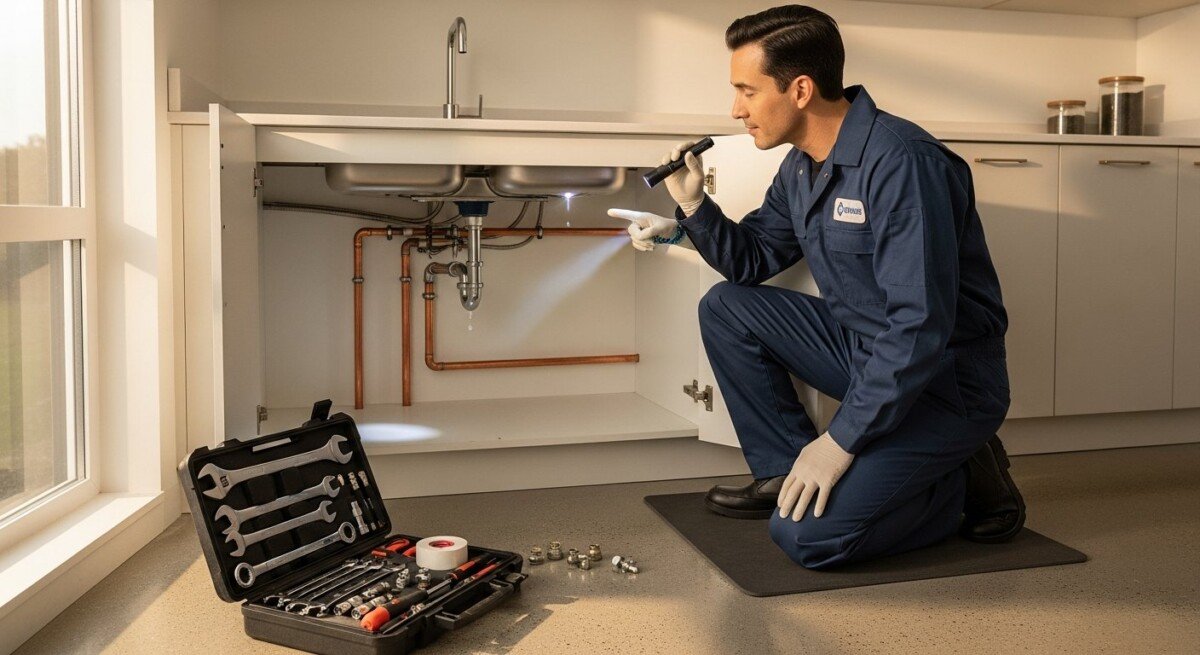
Why Your Home Needs a Routine Plumbing Inspection
Learn why a routine plumbing inspection is essential for preventing costly damage, ensuring home safety, and maintaining your property’s value. A proactive guide for homeowners.

By Alex Carter
Learn more about Plumbing Inspection for guides, costs, and what to expect.
Compare Plumbing Inspection Pros Near You

Enter your ZIP code to compare top-rated local professionals and request free quotes.
You notice a faint drip under the kitchen sink, or maybe your shower takes a little longer to drain than it used to. It’s easy to dismiss these small signs as minor annoyances, something to deal with later. But what starts as a slow drip or a sluggish drain can quietly evolve into a serious problem, leading to water damage, mold growth, or even a catastrophic pipe failure. These hidden issues are exactly why a routine plumbing inspection is a critical part of responsible homeownership. It’s the simple, proactive step that can save you from unexpected emergencies and costly repairs down the line.
Understanding Routine Plumbing Inspection
A routine plumbing inspection is a thorough check-up of your home’s water and drainage systems, performed by a licensed professional. Think of it like a regular doctor’s visit for your house. It’s not about fixing a specific, urgent problem, but about assessing the overall health of your plumbing to catch small issues before they become big ones.
This process involves examining visible pipes, fixtures, water heaters, and drains. The inspector looks for signs of wear, corrosion, leaks, and potential blockages. All homes benefit from this service, but older homes with original plumbing, or homes in areas with hard water, are often most in need of regular professional attention.
Why This Matters for Your Home
Ignoring your plumbing’s health can have serious consequences for your property and your wallet. A small leak behind a wall can rot framing and subflooring for months before you ever see a stain on the ceiling. This kind of hidden damage compromises your home’s structure and creates a perfect environment for toxic mold to grow.
Beyond property damage, plumbing failures pose safety risks. A failing gas line connected to a water heater or stove is a severe hazard. Even a leaking water heater can cause scalding or electrical issues. Proactive inspections protect your family’s safety and your home’s value by preventing the kind of damage that scares away future buyers.
If you notice signs of this issue in your home, it may help to speak with a qualified contractor. Request a free quote or call to explore your repair or remodeling options.
Common Problems Homeowners Experience
Many plumbing problems develop slowly, giving you subtle warnings long before a crisis occurs. Homeowners often first notice a change in water pressure, strange gurgling sounds from drains, or a persistent musty smell in a bathroom. These are your home’s way of asking for help.
During an inspection, professionals frequently uncover a set of common, aging-related issues. Catching these early is the key to affordable repairs. For a deeper look at what to expect, our guide on home plumbing inspection details the process and common findings.
- Corroded Pipes: Older galvanized steel pipes rust from the inside out, restricting water flow and eventually springing leaks.
- Failing Water Heaters: Sediment buildup reduces efficiency, and an aging tank can rupture, flooding your basement or utility room.
- Hidden Leaks: Small leaks at pipe joints, behind toilets, or under sinks often go unnoticed while causing slow, steady damage.
- Drain Line Blockages: Grease, hair, and mineral deposits accumulate in pipes, leading to slow drains and potential sewage backups.
- Faulty Fixtures: Worn-out washers in faucets and showerheads cause drips that waste hundreds of gallons of water annually.
- Toilet Issues: Worn flappers cause silent leaks, and failing wax seals allow water to seep into the floor.
How Professionals Solve the Problem
A professional plumber brings expertise, specialized tools, and an experienced eye to your inspection. They don’t just look for obvious problems; they diagnose the root cause and assess the condition of your entire system. This comprehensive approach is far more effective than a homeowner trying to tackle one symptom at a time.
The process is systematic and designed to be thorough without being invasive. A professional inspection follows a logical sequence to ensure nothing is missed, giving you a complete picture of your plumbing’s health.
- Initial Consultation: The plumber discusses any concerns you have and reviews the home’s plumbing history.
- Visual Inspection: They examine all accessible pipes, fixtures, faucets, toilets, and the water heater for signs of leaks, corrosion, or damage.
- Pressure & Flow Tests: Water pressure is checked at various points, and drains are tested for proper flow and potential blockages.
- Appliance Check: The water heater, dishwasher, washing machine connections, and other appliances are inspected for proper operation and leaks.
- Detailed Report: You receive a clear report outlining the system’s condition, any issues found, and recommendations for repairs or maintenance.
A professional inspection can reveal hidden issues before they become expensive repairs. Compare contractor quotes here or call to discuss your project.
Warning Signs You Should Not Ignore
Your home’s plumbing system often sends clear signals when something is wrong. Paying attention to these warnings can mean the difference between a simple fix and a major renovation. The cost of ignoring them is almost always higher than the cost of investigating them promptly.
Some signs are obvious, while others are more subtle. A good rule of thumb is that any sudden change in your plumbing’s behavior warrants a closer look. To help you stay organized, we’ve created a complete plumbing inspection checklist you can use between professional visits.
- Unexplained Increase in Water Bills: A steady rise often points to a hidden leak.
- Low Water Pressure: This can indicate pipe corrosion, a major leak, or a problem with the main supply line.
- Slow Drains Throughout the House: Multiple slow drains suggest a blockage in the main sewer line.
- Water Stains on Walls or Ceilings: Yellow or brown stains are a sure sign of water intrusion from a leaking pipe.
- Gurgling Sounds: Noises from drains or toilets often signal venting problems or a blockage.
- Persistent Damp Spots or Mold: Mold growth or constantly damp floors near plumbing fixtures indicate an active leak.
What Affects the Cost of Repairs or Installation
The cost of plumbing repairs identified during an inspection can vary widely. This variation isn’t arbitrary; it’s based on specific factors related to your home and the problems found. Understanding these factors helps you make sense of estimates and plan your budget effectively.
Labor is a significant component, especially if the work is in a tight crawl space or requires cutting into finished walls. The age and type of your existing pipes also play a huge role. Replacing a section of accessible PVC pipe is far less expensive than repiping an entire home with old, corroded galvanized steel lines running through walls and ceilings.
Costs can vary depending on the condition of your home. The best way to know the price is to get a personalized estimate. Request free quotes from contractors or call today.
How to Choose the Right Contractor
Selecting the right professional is as important as deciding to get the inspection. A qualified, trustworthy plumber will provide honest assessments and quality work. Start by asking friends and neighbors for recommendations and checking online reviews to gauge reputation and reliability.
Once you have a few names, do your due diligence. A reputable contractor will be transparent about their qualifications and happy to answer your questions. They should view the inspection as an opportunity to educate you, not just to sell a service.
- Verify Licensing and Insurance: Always confirm the plumber holds a current state license and carries both liability and worker’s compensation insurance.
- Ask About Experience: Inquire how long they’ve been in business and if they regularly work on homes similar to yours in age and style.
- Get Detailed, Written Estimates: A quote should itemize the cost of the inspection and outline potential repair costs separately, with clear scope and pricing.
- Compare Multiple Quotes: Get at least three estimates to understand the market rate and the different approaches contractors might take.
- Check References: Ask for and contact recent customers to ask about their experience, the plumber’s professionalism, and the quality of the work.
Long-Term Benefits of Professional Work
Investing in routine professional plumbing inspections pays dividends for years to come. The immediate benefit is peace of mind, knowing your systems are functioning correctly and safely. But the long-term advantages extend far beyond avoiding a midnight flood.
Well-maintained plumbing systems are more efficient, saving you money on water and energy bills. They also last longer, delaying the massive expense of a full repipe. Furthermore, a record of professional maintenance and timely repairs is a strong selling point that protects and can even increase your home’s resale value.
How often should I get a plumbing inspection?
For most homes, a comprehensive professional inspection every two years is a good rule of thumb. If your home is over 40 years old or you’ve experienced plumbing issues before, an annual inspection is wise. Always schedule an inspection before buying a home or if you notice any warning signs.
Can’t I just inspect my own plumbing?
While homeowners can and should look for obvious leaks and problems, a professional has the training and tools to diagnose hidden issues. They use specialized cameras for drain lines, pressure gauges, and their experience to spot subtle signs of failure that are easy to miss.
What does a routine inspection typically include?
A standard inspection includes checking all faucets, toilets, and fixtures for leaks; testing water pressure; inspecting the water heater for age, sediment, and safety; examining visible pipes for corrosion; and testing drain flow. It should conclude with a written report of findings.
Will an inspection disrupt my daily routine?
Not significantly. A thorough inspection usually takes 1-2 hours. The plumber will need access to all bathrooms, the kitchen, laundry area, and water heater. You can generally go about your day while they work, with minimal interruption.
What if the inspection finds nothing wrong?
That’s excellent news! The cost of the inspection is then an investment in confirmation and prevention. You receive a baseline report of your system’s health and the reassurance that your plumbing is in good shape, which is valuable information in itself.
Are plumbing inspections worth the cost?
Absolutely. The average cost of a routine inspection is minor compared to the cost of repairing water damage from a burst pipe or replacing a flooded floor. It’s one of the most cost-effective forms of home maintenance, designed to prevent much larger expenses.
Your home’s plumbing is a vital, mostly hidden system that deserves proactive care. A routine professional inspection is a small, smart investment that safeguards your property, ensures your family’s safety, and provides invaluable peace of mind. By addressing small issues early and understanding the true condition of your pipes, you avoid emergency repairs and make informed decisions about your home. The best first step is to gather information from qualified local professionals to understand your specific needs and options.
Learn more about Plumbing Inspection for guides, costs, and what to expect.
Compare Plumbing Inspection Pros Near You
Enter your ZIP code to compare top-rated local professionals and request free quotes.