Why Licensed HVAC Services Protect Your Home
"*" indicates required fields
Your home’s heating and cooling system is a complex piece of machinery. When it works perfectly, you barely think about it. But when something goes wrong, the comfort and safety of your entire family are on the line. The difference between a quick, reliable fix and a bigger, more expensive problem often comes down to one crucial choice: who you call for help. That’s where understanding the true value of licensed HVAC services becomes essential for every homeowner.
Understanding Licensed HVAC Services
At its core, a licensed HVAC service means the company you hire has met specific, rigorous standards set by your state or local government. It’s not just a business certificate; it’s a professional credential for the technicians themselves. To earn and keep a license, a company must prove its knowledge, follow strict codes, and carry proper insurance.
Think of it like the difference between someone who enjoys fixing cars in their driveway and a certified auto mechanic. Both might have skill, but only the licensed professional is legally recognized and held accountable for their work. This license is your first and best assurance that the people working on your expensive furnace, air conditioner, or heat pump know exactly what they’re doing.
The Three Pillars of a Licensed Provider
A truly reputable licensed HVAC service rests on three key pillars: verified technical expertise, adherence to local building and safety codes, and proper liability and workers’ compensation insurance. This combination protects you, your home, and the workers on your property.
Why It Matters for Homeowners
Choosing a licensed HVAC contractor is about more than just getting your AC to blow cold air again. It’s an investment in peace of mind. Licensed professionals have the training to diagnose problems correctly the first time, which saves you from repeated service calls and “band-aid” fixes that fail later. They ensure your system operates safely, preventing risks like carbon monoxide leaks from a faulty furnace or electrical fires from improper wiring.
Furthermore, many manufacturer warranties require that installation and major repairs be performed by a licensed technician. Using an unlicensed handyman could void the warranty on your expensive equipment, leaving you to foot the entire bill for a future replacement. The licensed credential is your safeguard, ensuring the work is done right, safely, and in a way that preserves your home’s value and your family’s well-being.
Click here to schedule a visit from our licensed HVAC team or call us directly at (555) 123-HEAT. We’re here to provide the safe, reliable service your home deserves.
Common HVAC Issues and Their Causes
Even well-maintained systems encounter problems. Understanding a few common issues can help you communicate better with your technician. One frequent complaint is uneven heating or cooling, where some rooms are too hot while others are too cold. This is often caused by ductwork issues, an improperly sized system, or failing components.
Strange noises like banging, squealing, or rattling are clear cries for help from your system. These can indicate anything from a loose belt and failing motor bearings to a cracked heat exchanger,a serious safety issue. Another widespread problem is reduced airflow, which makes your system work harder and less efficiently. This is commonly due to a clogged air filter, blocked vents, or issues with the blower motor.
- Poor Cooling/Heating Output: Often caused by low refrigerant, a dirty condenser coil, or a failing compressor.
- Frequent Cycling: Short, constant on/off cycles can stem from a faulty thermostat, an oversized unit, or overheating components.
- High Energy Bills: A sudden spike usually points to declining efficiency due to lack of maintenance, aging equipment, or undetected leaks.
How Licensed Professionals Fix the Problem
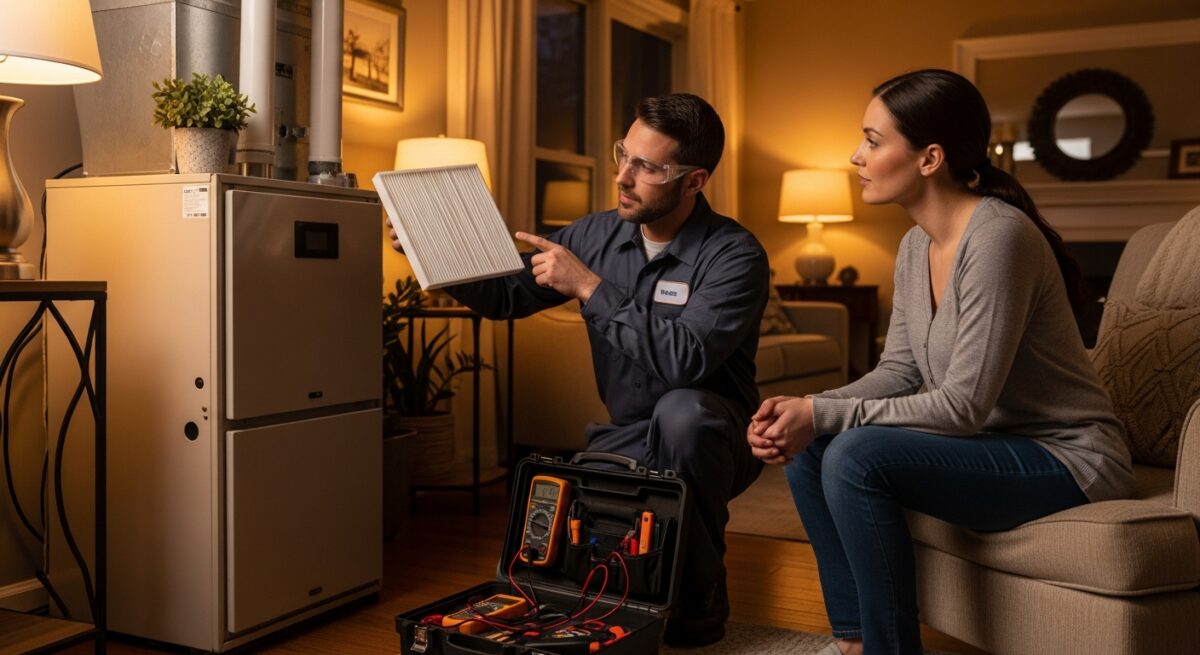
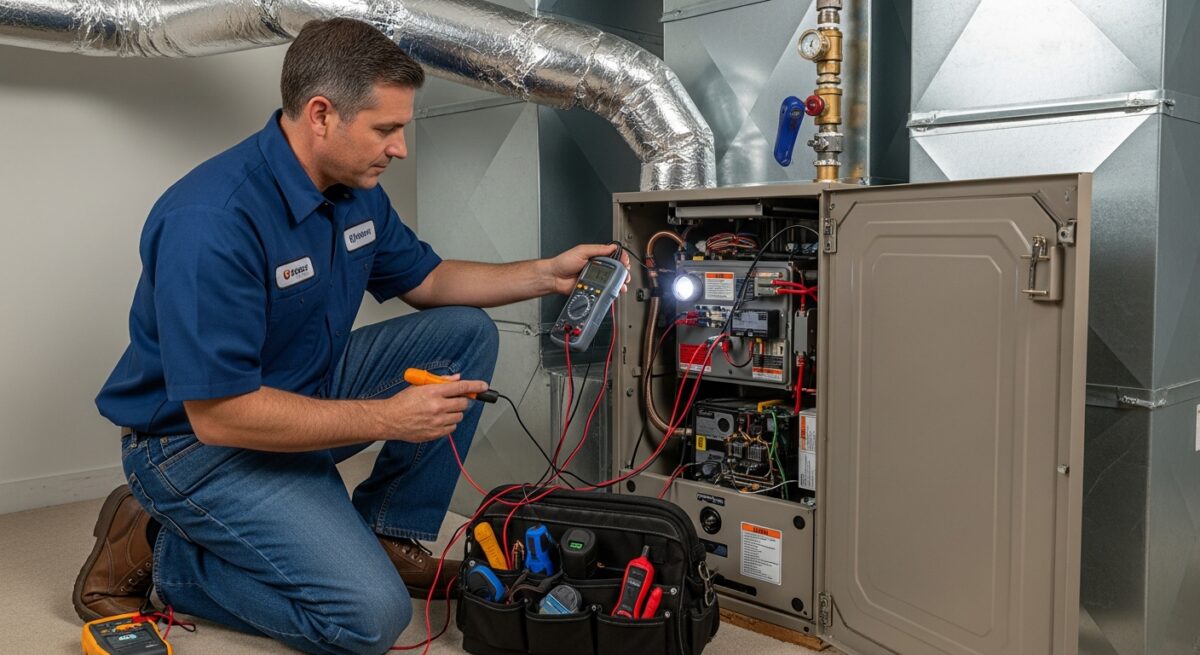
A licensed technician follows a systematic, professional approach. It starts with a thorough inspection and diagnosis, not just a guess. They’ll use specialized tools like manifold gauges, multimeters, and thermal cameras to pinpoint the exact issue, its cause, and the best solution.
The repair process itself is methodical and code-compliant. For a refrigerant leak, for example, a licensed pro won’t just “top off” the gas. They will locate the leak, repair it, pull a vacuum on the system to remove moisture and air, and then recharge it with the precise amount of refrigerant specified by the manufacturer. This attention to detail ensures efficiency and longevity.
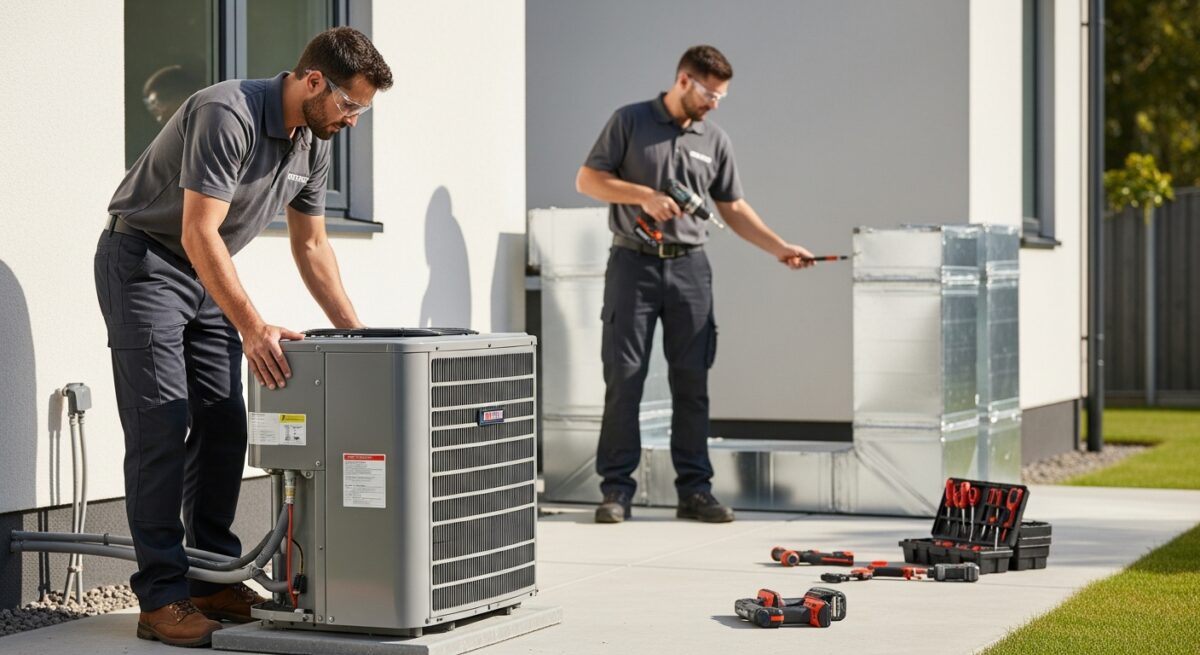
For installations, the process is even more comprehensive. A licensed team will perform a load calculation to ensure your new system is the correct size, handle all permits, install according to manufacturer and code specifications, and thoroughly test the system before handing it over to you. This turnkey service is what you pay for when you choose licensed expertise.
Don’t let a small repair turn into a major headache. Contact our licensed experts today for a precise diagnosis and lasting repair. Call us at (555) 123-HEAT.
Signs You Should Not Ignore
Some HVAC warnings are subtle, while others are urgent. Paying attention can prevent a minor issue from becoming a catastrophic failure. A persistent, unusual smell is a major red flag. A musty odor often points to mold in your ducts or system, while a burning smell could be electrical. The smell of rotten eggs is an emergency,it could indicate a natural gas leak.
Another sign not to ignore is any sign of water or refrigerant leakage around your indoor air handler or furnace. Puddles or ice formation can signal a clogged condensate drain, a frozen evaporator coil, or a refrigerant leak, all of which need immediate professional attention to prevent water damage or system failure.
- The system won’t turn on at all: Check your thermostat and circuit breaker first, but if those are fine, you need a pro.
- Carbon monoxide detector alarms: Shut off your furnace immediately, ventilate your home, and call a licensed HVAC technician from outside.
- Rising energy bills with no change in usage: Your system is losing efficiency fast.
- Excessive dust in your home: Could be a sign of leaky ducts pulling dust from attics or crawl spaces into your living areas.
Cost Factors and What Affects Pricing
HVAC service costs vary, and understanding the factors helps set realistic expectations. The primary factor is the scope of work. A seasonal tune-up has a flat-rate cost, while a repair depends on the part needed and the labor involved. A full system replacement is a significant investment based on the equipment and complexity of the installation.
The type and age of your system also play a role. Repairing a standard efficiency furnace is different from servicing a high-efficiency heat pump or geothermal system, which requires specialized knowledge. Older systems may need obsolete parts that are harder to find, or the repair might not be cost-effective compared to upgrading. A licensed technician will provide transparent options and help you weigh the upfront cost against long-term savings and reliability.
Ready for an honest, upfront quote from a trusted local pro? Get your free estimate now by clicking here or calling (555) 123-HEAT. No hidden fees, just clear pricing.
How To Choose the Right Professional or Service
Always start by verifying their license is current and in good standing with your state’s licensing board. Don’t just take their word for it,you can usually check this online. Next, ask for proof of insurance, including both liability and workers’ compensation. This protects you if anything goes wrong on your property.
Look for established companies with strong local reputations. Read reviews, ask for references, and see how long they’ve been in business. A trustworthy licensed HVAC service will be happy to provide a detailed, written estimate before any work begins, outlining the costs for parts, labor, and any potential additional charges. They should also be transparent about their warranties on both parts and labor.
- Verify state & local license numbers.
- Request proof of insurance.
- Read online reviews and ask neighbors for referrals.
- Choose a company that offers 24/7 emergency service.
- Get everything in writing before work starts.
Long-Term Benefits for Your Home
Investing in licensed HVAC services pays dividends for years. First, it extends the lifespan of your equipment. Proper installation and timely, correct repairs prevent undue strain, allowing your furnace and AC to reach their full expected service life. This delays the major expense of a full replacement.
You’ll also enjoy consistent, lower energy bills. A system serviced and repaired by a licensed expert operates at peak efficiency, using less energy to heat and cool your home. This adds up to significant annual savings. Most importantly, you gain unparalleled safety and comfort. Knowing your system was installed and maintained to the highest standards means clean air, reliable temperatures, and the elimination of safety hazards, giving you true peace of mind in your own home.
Frequently Asked Questions
What does “licensed and insured” really mean for HVAC?
It means the company has met government requirements for technical knowledge and experience. “Insured” means they carry liability insurance (in case they damage your home) and workers’ comp (in case a worker is injured on your property). This protects you from financial risk.
Can I install my own HVAC system to save money?
We strongly advise against it. HVAC installation requires knowledge of electricity, refrigeration, plumbing, and carpentry. Mistakes can lead to dangerous gas leaks, fire hazards, voided warranties, and a system that fails prematurely or operates inefficiently, costing you more in the long run.
How often should I have my HVAC system serviced?
Twice a year is ideal. Schedule a tune-up for your cooling system in the spring and for your heating system in the fall. This preventive maintenance catches small issues early and keeps your system running efficiently.
Do I need a permit for a new HVAC installation?
Yes, most localities require a permit for replacing a furnace, air conditioner, or heat pump. A key benefit of using a licensed HVAC contractor is that they handle pulling all necessary permits, ensuring the work is inspected and up to code.
What questions should I ask before hiring an HVAC company?
Always ask for their license number, proof of insurance, and whether they perform background checks on technicians. Also ask about their experience with your specific system brand and if they offer any guarantees on their workmanship.
Why is my HVAC system short-cycling?
Short-cycling (frequent on/off cycles) is often caused by an oversized unit, a dirty air filter, low refrigerant, or a malfunctioning thermostat. It wastes energy and wears out components quickly. A licensed technician can diagnose and correct the root cause.
Are seasonal tune-ups worth the cost?
Absolutely. Think of it as an oil change for your home’s comfort system. A tune-up improves efficiency, prevents breakdowns during peak seasons, extends system life, and often includes a safety check. It’s a small investment that avoids large repair bills.
How long should a new HVAC system last?
With proper installation and regular maintenance by licensed professionals, a quality furnace or air conditioner can last 15-20 years, and a heat pump 10-15 years. Poor installation or neglect can cut that lifespan in half.
Your home’s comfort system is too important to trust to anything less than certified expertise. By choosing a licensed HVAC service, you’re not just paying for a repair,you’re investing in the safety, efficiency, and longevity of your home. Make the choice that protects your family and your investment for years to come.