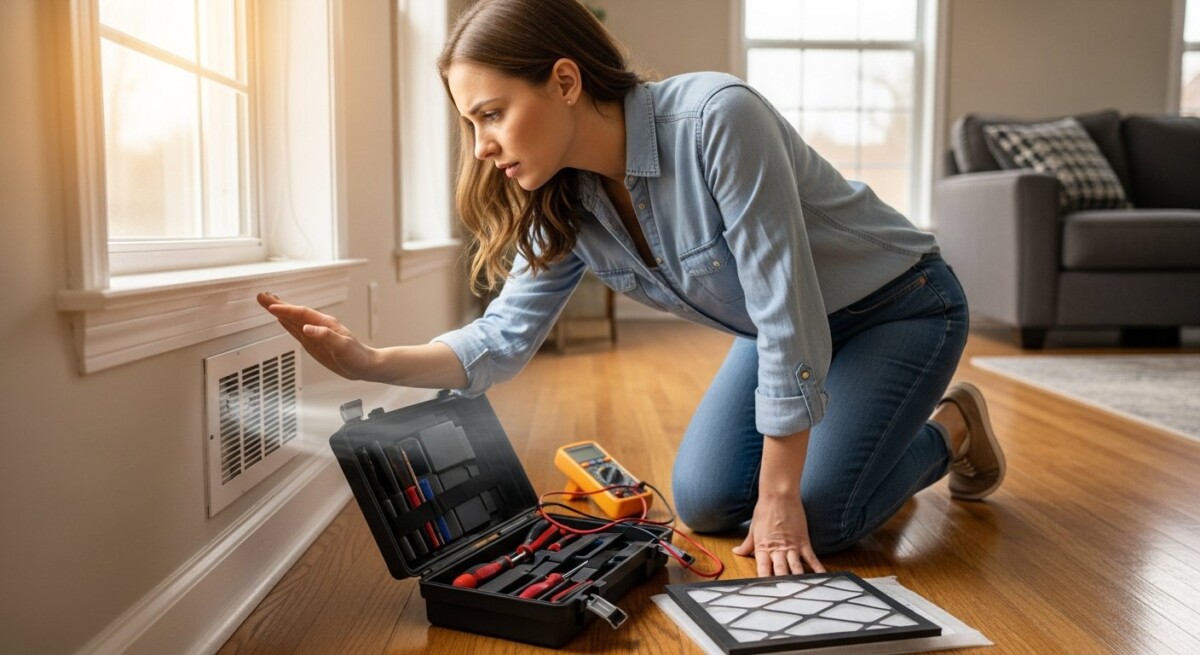
When to Repair Your HVAC System: A Homeowner’s Guide
"*" indicates required fields
You wake up on a sweltering summer morning and notice the air from your vents isn’t as cool as it should be. Or maybe your winter heating bill arrives, and it’s suspiciously high despite you keeping the thermostat low. These moments of discomfort and surprise are often the first clues that your home’s HVAC system needs attention. Ignoring these signs rarely makes them go away; instead, small issues can quietly grow into complete system failures or dangerously inefficient operation, leading to costly emergency repairs when you can least afford them. Knowing when to repair your HVAC system is a crucial skill for protecting your home’s comfort, your wallet, and your family’s safety.
Understanding When to Repair Your HVAC System
Your HVAC system,the heating, ventilation, and air conditioning equipment,is the heart of your home’s comfort. Like any complex machine, it requires maintenance and will eventually need repairs. Knowing when to act is about recognizing the difference between normal operation and signs of distress.
Repairs become necessary due to normal wear and tear, lack of routine maintenance, or the failure of specific components. Every system has a lifespan, and parts like capacitors, contactors, fan motors, and refrigerant coils are common points of failure over time. A well-maintained system might need fewer major repairs, but no system lasts forever.
All homes with forced-air systems are affected, but older homes with aging equipment are most at risk. Systems that are improperly sized for the home, have been neglected, or are subjected to extreme weather conditions may also require more frequent attention.
Why This Matters for Your Home
Postponing necessary HVAC repairs can have consequences far beyond a single uncomfortable day. A struggling system works harder to maintain temperature, leading to dramatically higher energy consumption. You might not notice the gradual creep in your utility bills, but over a season, the wasted money can often exceed the cost of the initial repair.
More importantly, certain malfunctions pose real safety risks. A cracked heat exchanger in a furnace can leak carbon monoxide,a colorless, odorless, and deadly gas,into your home. Electrical issues within the system can become fire hazards. Furthermore, a system that can’t control humidity properly can encourage mold growth, impacting your home’s air quality and structure.
Ultimately, proactive maintenance and timely repairs protect your significant investment in your home. A well-functioning HVAC system is a key component of home value and livability. Letting problems fester can lead to a catastrophic failure that requires a full system replacement, which is a far larger financial burden than addressing repairs early.
If you notice signs of this issue in your home, it may help to speak with a qualified contractor. Request a free quote or call to explore your repair or remodeling options.
Common Problems Homeowners Experience
HVAC issues rarely announce themselves with a single, obvious symptom. Instead, homeowners often experience a combination of subtle changes in performance, comfort, and cost. These problems can be frustrating because they come and go or seem minor at first.
For instance, you might find that some rooms are perpetually too hot or too cold, a sign of airflow issues or ductwork problems. You may hear new or unusual noises,grinding, squealing, or banging,that indicate mechanical parts are wearing out. Often, the problem manifests as a loss of efficiency, where the system runs constantly but never quite reaches the set temperature on your thermostat.
- Inconsistent Temperatures: Significant temperature differences between rooms or floors.
- Poor Airflow: Weak or barely noticeable air coming from the vents.
- Frequent Cycling: The system turning on and off much more frequently than normal.
- Rising Energy Bills: Unexplained spikes in your heating or cooling costs with similar usage.
- Excessive Humidity: A sticky, clammy feeling in your home during summer, or extreme dryness in winter.
- Unusual Odors: Musty, burning, or chemical-like smells when the system runs.
How Professionals Solve the Problem
When you call a professional HVAC technician, you’re not just paying for a part swap. You’re investing in their diagnostic expertise, proper tools, and knowledge of complex systems. They start by understanding the full scope of the problem, which often involves checking more than just the obvious symptom. For a deeper look at system components, our guide on how HVAC systems work breaks down the key parts.
A professional follows a systematic approach to ensure the repair is correct, safe, and lasting. They have the training to handle refrigerants, electrical components, and combustion systems,all areas where DIY attempts can be dangerous or cause further damage. Their work also often comes with a warranty, giving you peace of mind.
- Comprehensive Inspection: The technician will examine the entire system, including the thermostat, indoor air handler/furnace, outdoor condenser/heat pump, ductwork, and electrical connections.
- Accurate Diagnosis: Using specialized tools like multimeters, refrigerant gauges, and combustion analyzers, they pinpoint the exact failed component or underlying issue.
- Clear Explanation & Options: A reputable pro will explain what they found, why it failed, and present your repair options, including the cost and benefits of each.
- Precise Repair: They will perform the repair using manufacturer-approved parts and procedures, ensuring compatibility and system integrity.
- System Testing & Verification: After the repair, they will test the entire system’s operation, check for correct refrigerant charge or combustion, and verify that the original problem is resolved.
A professional inspection can reveal hidden issues before they become expensive repairs. Compare contractor quotes here or call to discuss your project.
Warning Signs You Should Not Ignore
Some HVAC warnings are gentle nudges, while others are bright red flags. Learning to distinguish between them can save you from discomfort, danger, and financial strain. The key is to act when you first notice a change, rather than waiting for a complete breakdown on the hottest or coldest day of the year.
Early action is almost always less expensive and less disruptive. A strange noise diagnosed today might be a $200 motor bearing replacement. Ignored for months, that failing bearing can seize, causing the motor to burn out, leading to a $600+ repair. Paying attention to your system’s performance is a form of preventative care for your home.
- The System Won’t Start: You set the thermostat, but nothing happens,no fan, no compressor sound.
- Little to No Cool/Heat Production: The system runs, but the air coming from vents isn’t the right temperature.
- Loud or Unfamiliar Noises: Screeching, grinding, rattling, or booming sounds are never normal.
- Water or Refrigerant Leaks: Puddles or ice around the indoor unit or on refrigerant lines.
- A Yellow Furnace Flame: The burner flame should be crisp and blue. A yellow, flickering flame can indicate a dangerous carbon monoxide risk.
- Persistent Bad Odors: A burning smell could be electrical, while a musty odor often points to mold in the ducts or evaporator coil.
What Affects the Cost of Repairs or Installation
HVAC repair costs aren’t one-size-fits-all. Several factors influence the final price, which is why getting a specific estimate for your situation is so important. Understanding these factors can help you make sense of the quotes you receive and plan your home maintenance budget.
The primary cost drivers are the part that needs replacement and the labor to install it. A simple capacitor is relatively inexpensive, while a compressor or heat exchanger is a major component. Labor complexity also varies; a part that’s easily accessible will cost less to replace than one buried deep within the unit or located in a cramped attic or crawlspace.
The age and brand of your system also play a role. Parts for older or discontinued models may be harder to find and more expensive. The efficiency level of replacement parts can affect price, and if your system uses an outdated refrigerant (like R-22), repairs may be prohibitively costly, making replacement a smarter option. For a comprehensive view of what a new system entails, consider reading your complete guide to a new HVAC system setup.
Costs can vary depending on the condition of your home. The best way to know the price is to get a personalized estimate. Request free quotes from contractors or call today.
How to Choose the Right Contractor
Your HVAC system is a significant investment, and the quality of the repair depends heavily on the skill of the technician. Taking a little time to vet contractors can prevent headaches, ensure quality work, and protect your home. Look for a partner, not just a service call.
A trustworthy contractor will be transparent, communicative, and focused on solving your problem correctly,not just selling you the most expensive part. They should welcome your questions and provide clear, written estimates before starting work. Remember, the lowest price isn’t always the best value if it comes with cut corners or inexperienced technicians.
- Verify Licenses and Insurance: Ensure they are licensed for HVAC work in your state and carry both liability and worker’s compensation insurance.
- Check Reviews and References: Read online reviews and ask for references from recent customers with similar repair needs.
- Ask About Experience: Inquire how long they’ve been in business and if they have specific experience with your system’s brand or model.
- Get Detailed, Written Estimates: A good estimate should itemize parts, labor, and any potential additional charges. Compare quotes from at least three companies.
- Evaluate Communication: Are they prompt, professional, and willing to explain the problem and repair process in terms you understand?
Long-Term Benefits of Professional Work
Investing in professional HVAC repair does more than just fix today’s problem. It contributes to the long-term health, efficiency, and value of your entire home. Quality workmanship with proper parts ensures your system operates as designed, providing reliable comfort for years to come.
One of the most tangible benefits is restored energy efficiency. A system with a clean refrigerant charge, a properly functioning motor, and sealed ductwork uses less energy to heat and cool your home. This lower operational cost helps offset the repair investment over time. Furthermore, a well-maintained system has a longer lifespan, delaying the major expense of a full replacement.
Ultimately, professional repairs safeguard your home’s environment. They ensure safe combustion in furnaces, proper electrical connections, and good indoor air quality. This creates a healthier living space and protects your property from the risks of water damage, mold, or fire. For more on ensuring your system’s safe operation, our resource on HVAC system safety offers valuable insights. A reliable, efficient HVAC system is also a noted feature for potential home buyers, directly supporting your home’s market value.
How do I know if I need a repair or a full system replacement?
This depends on the age of your system, the cost of the repair, and its overall condition. A common rule of thumb is the “5,000 Rule”: multiply the age of your equipment by the repair cost. If the result is over $5,000, replacement is often the better option. Also, if your system is over 15 years old, needs frequent repairs, or is very inefficient, investing in a new, efficient model may save you more in the long run.
What is the most common HVAC repair?
One of the most frequent repairs is replacing a failed capacitor. This component helps start the compressor and fan motors. Other common issues include dirty or frozen evaporator coils, faulty flame sensors in furnaces, and refrigerant leaks. Many common problems can be prevented with annual professional maintenance.
Can I wait to repair my HVAC system?
It depends on the symptom. A minor issue like a slightly noisy fan might be monitored briefly. However, signs like no cooling/heating, strange smells (especially burning), a yellow furnace flame, or visible refrigerant leaks should be addressed immediately by a professional. Delaying can lead to further damage, safety hazards, and much higher repair costs.
How often should I have my HVAC system serviced?
To maintain efficiency and catch small problems early, you should have a professional tune-up for your heating system in the fall and your cooling system in the spring. This biannual maintenance is the single best way to extend the life of your equipment, improve efficiency, and prevent unexpected breakdowns.
Why is my HVAC system blowing warm air?
If your air conditioner is blowing warm air, it could be due to several issues: low refrigerant levels (a leak), a dirty or frozen evaporator coil, a faulty compressor, or a problem with the thermostat. This is a clear sign you need a professional diagnosis, as it involves electrical components and potentially hazardous refrigerants.
What does a HVAC tune-up include?
A standard tune-up includes cleaning coils, checking refrigerant levels, inspecting electrical connections, testing system controls and safety devices, lubricating moving parts, checking the condensate drain, and measuring airflow. It’s a comprehensive check-up designed to optimize performance and efficiency.
Are HVAC repairs covered by homeowners insurance?
Typically, no. Homeowners insurance covers sudden, accidental damage (like if a tree falls on your outdoor unit). It does not cover repairs due to normal wear and tear, lack of maintenance, or mechanical failure. Always check your specific policy for details.
How long should an HVAC system last?
With proper maintenance, a central air conditioner or heat pump lasts 12-15 years, while a furnace can last 15-20 years. Systems in coastal areas or those that run constantly may have shorter lifespans. Efficiency and reliability often decline significantly as systems approach and exceed these age ranges.
Your home’s comfort and safety are too important to leave to chance. Recognizing the signs that it’s time to repair your HVAC system empowers you to take control before a minor issue becomes a major crisis. By addressing problems early and relying on qualified professionals, you protect your investment, ensure your family’s well-being, and maintain a comfortable living environment year-round. The most practical first step is to gather information specific to your home,starting by comparing detailed quotes from trusted local contractors.

About Alex Carter
"*" indicates required fields