
When to Hire a Plumber vs DIY for Common Repairs
Decide when to hire a plumber versus DIY for common repairs. Call (833)-365-8755 for vetted pros and avoid costly water damage.

Learn more about Plumbing Drain Repair for guides, costs, and what to expect.
Compare Plumbing Drain Repair Pros Near You

Enter your ZIP code to compare top-rated local professionals and request free quotes.
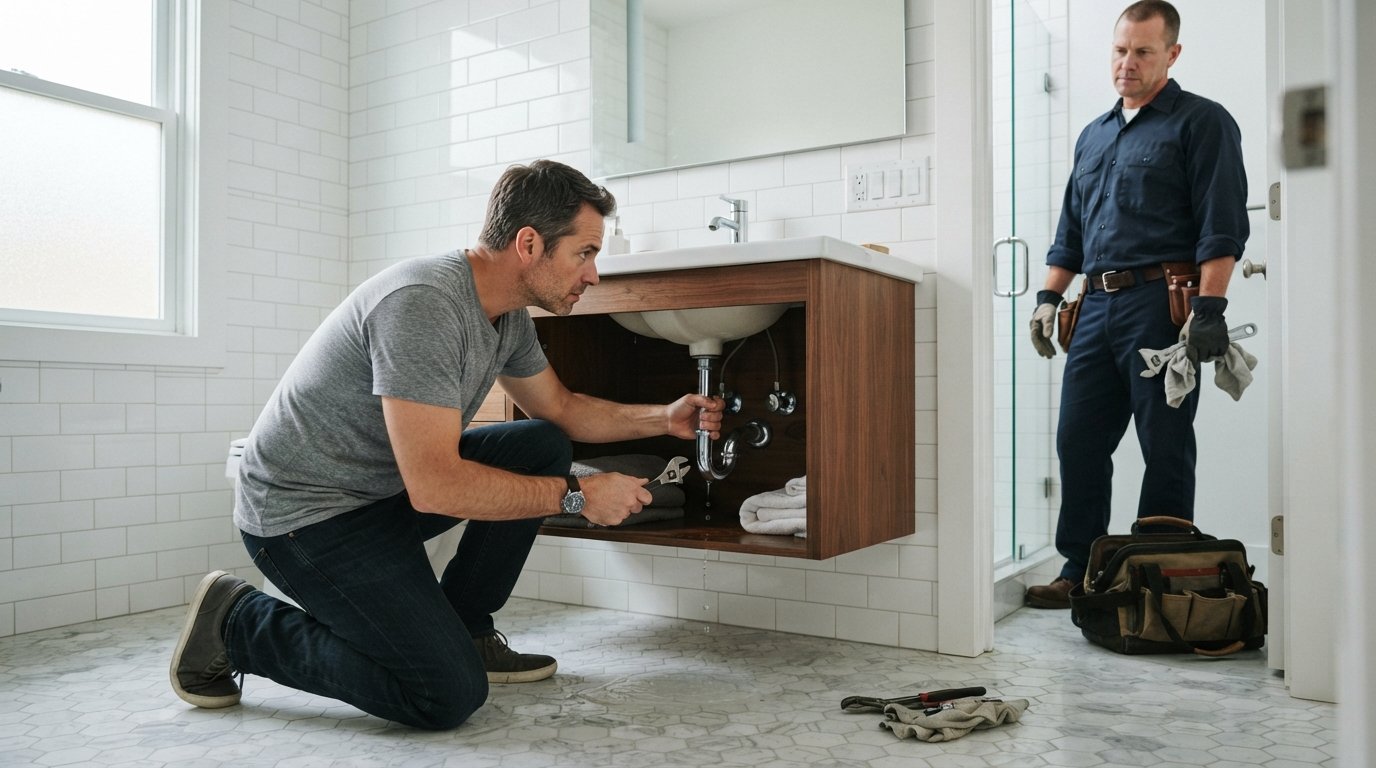
Water is dripping from under the bathroom sink. The toilet runs for a few seconds after every flush. A slow drain in the kitchen sink has turned into a standing pool of water. These are the moments when homeowners face a familiar fork in the road: grab a wrench and a YouTube tutorial, or call a professional? The answer is rarely black and white, and getting it wrong can turn a twenty dollar fix into a thousand dollar repair. Understanding when to hire a plumber versus DIY for common repairs is not about fear or overconfidence; it is about recognizing the line between a manageable weekend project and a job that requires a license, specialized tools, and insurance coverage. This guide walks through that line in practical terms, so you can make a confident call the next time water starts going where it should not.
Know Your Limits: The Real Difference Between DIY and Professional Plumbing
Plumbing looks simple on the surface. Water goes in, water goes out, and pipes connect the two. But the systems inside a modern home involve pressure regulation, venting, gas lines, electrical connections for water heaters, and strict building codes that vary by municipality. A homeowner with a basic tool kit can handle some of these tasks safely. Others carry risks that go far beyond a wet floor, including carbon monoxide exposure, structural water damage, and permit violations that can complicate a future home sale.
The key distinction is not whether you are handy. It is whether the task involves three factors: concealed connections, regulated systems, or the potential for catastrophic failure. A leaking supply line under a sink is visible and accessible. A leaking pipe inside a wall is neither. A running toilet is an annoyance. A gas water heater installed without a permit is a hazard. Once you learn to spot those factors, the decision becomes much clearer.
Homeowners often underestimate how quickly small plumbing problems escalate. A slow drain treated with repeated chemical cleaners can corrode pipes over time. A DIY water heater installation that skips the expansion tank can void the manufacturer warranty. And a botched repair that causes water damage may not be covered by homeowners insurance if the insurer determines the work was done improperly. Those consequences are worth weighing before you decide to save a few hundred dollars on labor.
Safe DIY Plumbing Tasks Most Homeowners Can Handle
Not every plumbing issue requires a professional. In fact, many common repairs are well within reach for a motivated homeowner with basic tools and a willingness to follow instructions carefully. The tasks that fall into this category share a few traits: they are accessible, they do not involve gas or electrical work, and a mistake is unlikely to cause hidden damage. Replacing a showerhead, for example, requires only a wrench and some thread seal tape. Swapping out a faucet cartridge or a flapper in the toilet tank is similarly straightforward.
Here are the repairs that generally make sense as DIY projects for a confident homeowner:
- Fixture swaps: Replacing a showerhead, faucet, or toilet seat involves simple connections and no soldering. Shut off the water supply first, and use thread seal tape on all threaded connections.
- Toilet flapper and fill valve replacement: A running toilet is usually caused by a worn flapper or a faulty fill valve. These are inexpensive parts and the replacement process is well documented.
- Snaking a slow drain: A manual drain snake can clear hair and soap scum from a bathroom sink or tub drain. Avoid chemical drain cleaners, which can damage pipes and pose a risk to skin and eyes.
- Replacing a supply line: Braided stainless steel supply lines for sinks and toilets are easy to swap out and cost very little. This is a good preventative maintenance task.
- Installing a new showerhead or handheld sprayer: These are screw-on connections that require no special tools beyond plumber's tape and a wrench.
Even within these tasks, there are limits. If a drain snake does not clear the clog after a few attempts, the blockage may be deeper in the system or caused by tree roots, which requires a camera inspection and professional equipment. If a faucet replacement reveals corroded pipes or a shutoff valve that will not close completely, stop and call a plumber. The goal is to recognize when a simple task has crossed into territory that demands more expertise.
When DIY Becomes Dangerous: Repairs That Require a Licensed Plumber
Some plumbing work is regulated for good reason. Gas lines, water heater installations, and sewer line repairs involve risks that are simply too high for an untrained homeowner to manage. A gas leak can cause an explosion or carbon monoxide poisoning. A water heater installed without proper venting can do the same. And a sewer line repair done incorrectly can lead to contaminated water backing up into the home, which is a health hazard and an expensive cleanup.
These are the jobs that should always go to a licensed professional:
- Gas line work: Any repair, replacement, or new installation involving natural gas or propane requires a licensed plumber or gas fitter. This includes connecting a gas stove, dryer, or outdoor grill.
- Water heater replacement or repair: Tank and tankless water heaters involve gas or electrical connections, pressure relief valves, and venting. Improper installation can void warranties and create safety hazards.
- Concealed leaks: A leak inside a wall, under a slab, or in the ceiling requires diagnostic tools and often involves opening up surfaces. A professional can locate the leak with minimal damage and repair it to code.
- Sewer line issues: Main line clogs, root intrusion, and pipe collapses require specialized equipment like cameras and jetters. Trenchless repair methods are also best left to professionals.
- Repiping or major system changes: Any project that involves cutting into the main water supply, rerouting pipes, or adding new fixtures to the system should be permitted and inspected.
The insurance implications here are significant. If a DIY gas line installation causes a fire, your homeowners insurance may deny the claim if the work was not permitted and inspected. The same applies to water damage from an improperly installed water heater. Saving money on labor is not worth the risk of a denied claim or a dangerous living situation.
Tools, Permits, and Insurance: The Hidden Costs of Going It Alone
Even when a repair seems manageable, the tools required can add up quickly. A drain snake, a pipe wrench, a tubing cutter, and a propane torch are just the start. For some jobs, you may need a wet/dry vacuum, a basin wrench, or a specialized valve tool. Renting tools can make sense for one-time projects, but the cost of rental plus materials often narrows the gap between DIY and professional pricing.
Permits are another consideration. Many municipalities require permits for plumbing work beyond simple fixture replacements. Water heater installations, repiping, and sewer line repairs typically require a permit and inspection. If you do the work without a permit, you may be required to tear it out and redo it under supervision, which doubles the cost. A licensed plumber will handle the permitting process for you, which is one less thing to worry about.
Insurance is the final piece. Standard homeowners policies cover sudden and accidental water damage, but they often exclude damage caused by faulty workmanship or lack of maintenance. If your DIY repair fails and causes a flood, the insurer may investigate and deny the claim. That is a risk many homeowners are not willing to take, especially for jobs that involve concealed pipes or high water pressure.
For homeowners who want to avoid these pitfalls entirely, connecting with a vetted professional through a service like ContractorHomeQuotes can simplify the process. These platforms provide transparent pricing and pre-screened contractors, so you can get a quote before committing to a repair. In our guide on DIY vs professional contractor hiring, we explain how to evaluate whether a project is truly within your skill set.
How to Describe the Problem When Requesting Quotes
Once you decide to hire a plumber, the next step is communicating the problem clearly. A vague description leads to vague estimates, and that can result in surprise charges later. Before you call, take a few minutes to gather information. Note where the water is coming from, when the problem started, and whether it is constant or intermittent. If you can, take photos or a short video of the leak or the fixture. This helps the plumber arrive prepared with the right parts and tools.
When you request quotes, be specific about what you have already tried. Mention if you snaked the drain, replaced a part, or used any chemical cleaners. This context matters because it can affect the diagnosis and the price. Also ask whether the quote includes permits and cleanup, and whether there is a diagnostic fee. A reputable plumber will be upfront about these costs.
For common repairs, it helps to know the typical price range in your area. A faucet replacement might cost between 150 and 300 dollars installed, while a water heater replacement can run from 800 to 1500 dollars or more depending on the type and local labor rates. Having a ballpark figure helps you evaluate quotes and avoid being overcharged.
Making the Call: A Simple Framework for Homeowners
When you are standing in a puddle with a wrench in your hand, it helps to have a mental checklist. Ask yourself these questions: Is the problem visible and accessible? Does it involve gas, electrical connections, or a concealed pipe? Have I tried the basic fixes without success? Would a mistake cause hidden damage or violate a permit requirement? If the answer to any of those questions raises a red flag, it is time to call a professional.
For the tasks that remain, proceed with caution. Watch a reputable tutorial, gather the right tools, and shut off the water supply before you start. If you encounter anything unexpected, such as corroded pipes or a valve that will not close, stop and reassess. The goal is not to prove you can do everything yourself; it is to protect your home and your wallet.
Plumbing repairs are one of those areas where the line between DIY and professional is both practical and legal. Knowing where that line falls saves you from expensive mistakes and gives you confidence when you do decide to tackle a project yourself. For everything else, a quick call to a licensed plumber is the smartest investment you can make.
Learn more about Plumbing Drain Repair for guides, costs, and what to expect.
Compare Plumbing Drain Repair Pros Near You
Enter your ZIP code to compare top-rated local professionals and request free quotes.