
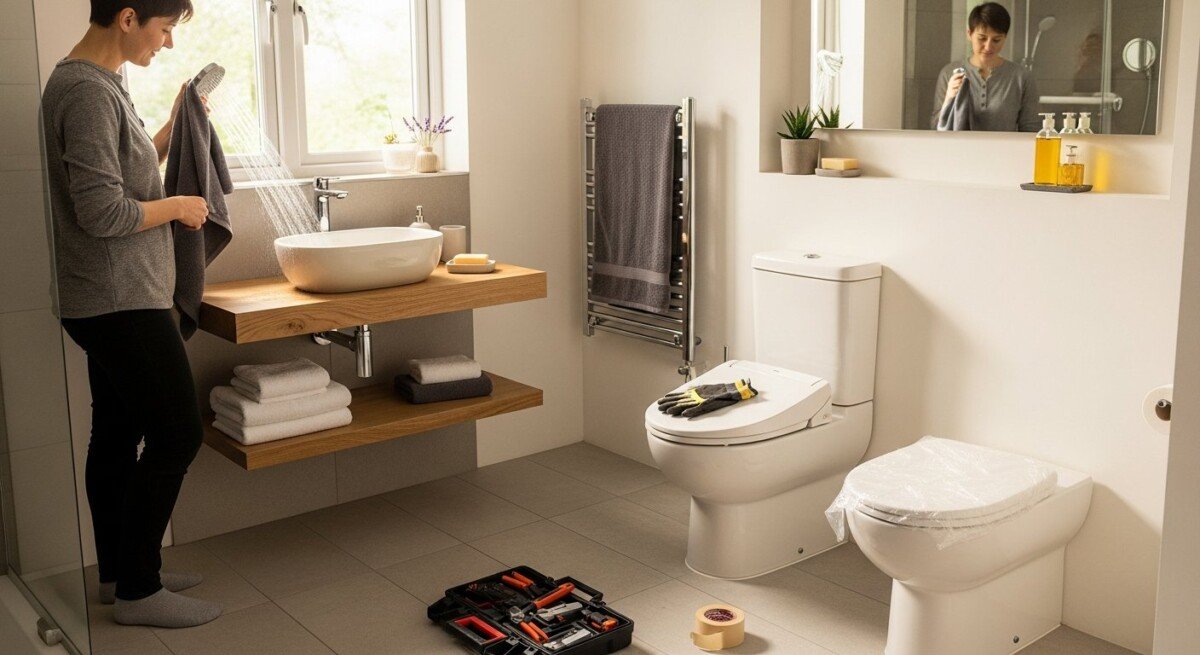
Water Saving Plumbing Fixtures for Lower Bills
Lower your water bills and conserve resources by upgrading to modern water saving plumbing fixtures. Learn how efficient toilets, showerheads, and faucets work.

By Alex Carter
Learn more about Emergency Plumbing for guides, costs, and what to expect.
Compare Emergency Plumbing Pros Near You

Enter your ZIP code to compare top-rated local professionals and request free quotes.
Have you ever looked at your water bill and wondered where it all went? Or felt a pang of guilt letting the tap run? You’re not alone. Many homeowners are discovering that a significant amount of water,and money,literally goes down the drain through old, inefficient plumbing fixtures. The good news is that modern technology offers a simple, effective solution that doesn’t require sacrificing comfort.
Call 📞833-365-8755 or visit Lower Your Water Bill to schedule your free consultation and start saving on your water bills today.
Understanding Water Saving Plumbing Fixtures
Water saving plumbing fixtures are simply the taps, showerheads, toilets, and appliances in your home that are designed to use significantly less water than standard models. They achieve this through smart engineering,better pressure, improved flow patterns, and more efficient mechanisms,to deliver the performance you need while conserving a precious resource.
These fixtures are not about getting less; they’re about using water more intelligently. For example, a high-efficiency toilet uses a powerful flush mechanism with less water, while a low-flow showerhead mixes air with water to maintain a satisfying spray. Upgrading is one of the easiest home improvements you can make for immediate, lasting benefits.
The Core Fixtures in Your Home
The main targets for water savings are the bathroom and kitchen, where most household water is used. This includes toilets, showerheads, faucets, and even your clothes washer. By focusing on these key areas, you can make the biggest impact on your water consumption and utility costs.
Why It Matters for Homeowners
Installing water saving fixtures is a win-win upgrade. The most immediate benefit is financial. The U.S. Environmental Protection Agency (EPA) estimates that the average family can save $380 per year on their water and energy bills by switching to WaterSense labeled products. That’s money back in your pocket for other household needs or projects.
Beyond your wallet, you’re contributing to a larger environmental good. Conserving water reduces the strain on community water supplies and wastewater treatment systems. It also lowers the energy required to heat and pump water, which reduces your home’s carbon footprint. It’s a simple change with a powerful collective impact.
Finally, modern fixtures often come with improved performance and aesthetics. You’re not just saving resources; you’re upgrading the look and feel of your bathrooms and kitchen. A new, sleek faucet or a rainfall showerhead can enhance your daily routine while being eco-friendly.
Ready to see how much you could save? Our team can assess your current fixtures and recommend the perfect water-saving upgrades for your home. Choosing the right fixtures is the first step.
Common Issues and Their Causes
Many homeowners put off upgrading their fixtures because the old ones “still work.” However, older fixtures often have hidden problems that waste water silently. A toilet that runs intermittently or a faucet with a slow drip can waste thousands of gallons per year without you even noticing.
The primary cause of water waste is simply age and outdated technology. Fixtures manufactured before 1992, when federal standards were first introduced, use far more water than necessary. Even fixtures from the early 2000s are less efficient than today’s models. Internal parts wear out, seals degrade, and performance drops, leading to inefficiency.
- Constantly Running Toilets: A faulty flapper valve is the usual culprit, allowing water to leak from the tank into the bowl.
- Dripping Faucets: Worn-out washers or O-rings inside the faucet cartridge fail to create a proper seal.
- Poor Shower Pressure: Old showerheads may have mineral buildup or simply be designed for high, wasteful flow rates.
- Inefficient Appliances: Older washing machines and dishwashers use much more water per cycle than ENERGY STAR certified models.
How Professionals Fix the Problem
Upgrading to water-saving fixtures is a straightforward process for a licensed plumber. It starts with a professional assessment of your home. We’ll check the age, condition, and flow rates of your current toilets, showers, and faucets to identify the biggest opportunities for savings.
The installation itself is typically quick and clean. For most faucets and showerheads, it’s a matter of removing the old unit and installing the new one, ensuring all connections are tight and leak-free. Toilet replacement involves shutting off the water, removing the old unit, setting and sealing the new one, and connecting the supply line. A professional ensures everything is level, secure, and functioning perfectly.
- Assessment & Selection: We help you choose EPA WaterSense labeled fixtures that match your style and budget.
- Professional Removal: Old fixtures are carefully disconnected and removed.
- Precise Installation: New fixtures are installed, sealed, and tested for leaks and proper operation.
- Final Check: We ensure water pressure is correct, drains are clear, and you’re happy with the results.
Don’t let a DIY installation lead to leaks or improper function. Our licensed technicians ensure your new fixtures are installed correctly for maximum savings and reliability.
Signs You Should Not Ignore
Your home often gives you clear signals that your plumbing fixtures are wasting water and money. Paying attention to these signs can help you decide when it’s time for an upgrade. Often, the fix is more cost-effective than continuing to pay for the waste.
Listen and look for clues. Unusual sounds, visible moisture, or a steadily climbing water bill are all red flags. Addressing these issues promptly not only saves water but can also prevent more serious water damage to your home’s structure or finishes.
Call 📞833-365-8755 or visit Lower Your Water Bill to schedule your free consultation and start saving on your water bills today.
- Your water bill is rising without a clear change in your household’s habits.
- You hear your toilet refilling when no one has recently flushed it.
- Your shower pressure is weak or inconsistent, indicating potential flow issues.
- You see mineral stains or drips around faucet bases or showerheads.
- Your fixtures are over 10-15 years old and lack modern efficiency ratings.
Cost Factors and What Affects Pricing
The cost of upgrading to water-saving fixtures varies based on a few key factors. The first is the fixtures themselves. Prices range for different brands, styles (from standard to luxury), and materials. An EPA WaterSense labeled toilet, for example, has a wide range of options to fit any budget while guaranteeing efficiency.
Labor is the other main component. This depends on the number of fixtures being replaced, the accessibility of the plumbing (e.g., is it in a tight space?), and whether any unforeseen issues like corroded pipes are discovered during installation. A straightforward swap of a showerhead is minimal labor, while replacing multiple toilets and faucets throughout a home is a larger project. Remember, professional installation protects your investment and ensures optimal performance.
How To Choose the Right Professional or Service
Selecting the right plumber for your fixture upgrade is crucial. Always look for a licensed, insured professional with specific experience in fixture installation. This isn’t just about connecting pipes; it’s about ensuring fixtures operate at peak efficiency and are properly sealed to prevent leaks.
Ask for references or look at online reviews. A reputable plumber should be happy to discuss your project, explain your options, and provide a clear written estimate. They should also be knowledgeable about the latest WaterSense products and able to help you select fixtures that balance performance, aesthetics, and savings. For a comprehensive look at integrating these choices into a larger project, our guide to a greener bathroom remodel offers valuable insights.
Long-Term Benefits for Your Home
The advantages of water-saving fixtures extend far beyond the first lower utility bill. You’re investing in the long-term value and sustainability of your home. Modern fixtures are built to higher standards, meaning they often last longer and require fewer repairs than their outdated counterparts. You’ll enjoy reliable performance for years to come.
You also gain peace of mind. Knowing you’re not wasting water, that you’re protected against leaks from failing old parts, and that you’ve made an environmentally responsible choice adds comfort to your daily life. Furthermore, these upgrades can enhance your home’s appeal to future buyers, who increasingly value efficiency and low operating costs. It’s an improvement that pays you back every single day.
Frequently Asked Questions
Do water-saving fixtures really work as well as regular ones?
Absolutely. Modern engineering ensures high performance with less water. Low-flow showerheads provide a strong, invigorating spray, and high-efficiency toilets use improved bowl design and flush technology to clear waste effectively. You won’t notice a difference in quality, only on your bill.
How much money can I actually save by upgrading my fixtures?
Savings vary by household, but the EPA estimates retrofitting with WaterSense labeled fixtures can save the average family 700 gallons per year. This can reduce water bills by about $140 annually, and if you heat your water, another $240 in energy costs, for a total of around $380 per year.
Are water-saving fixtures more expensive to buy?
Not necessarily. While some high-end models are pricey, there are plenty of affordable, efficient options at most home improvement stores. The key is to look for the EPA WaterSense label, which guarantees both efficiency and performance. The purchase price is quickly offset by utility savings.
Can I install water-saving fixtures myself?
Some simple swaps, like showerheads or faucet aerators, are DIY-friendly. However, for toilets and more complex faucet installations, professional installation is recommended. A plumber ensures proper sealing, alignment, and function, preventing leaks that could waste all your savings and cause damage.
What is the EPA WaterSense label?
WaterSense is a U.S. Environmental Protection Agency program that labels products meeting strict criteria for water efficiency and performance. It’s like ENERGY STAR for water. Choosing a WaterSense labeled product is a guaranteed way to save water without sacrificing quality.
Where in my home should I prioritize installing water-saving fixtures?
Focus on the bathroom first, as toilets, showers, and faucets account for over half of all indoor water use. Replacing an old toilet (which can use 3.5-7 gallons per flush) with a WaterSense model (using 1.28 gallons) offers the single biggest savings. Next, address kitchen faucets and appliances.
Will a low-flow showerhead work with my older plumbing?
Yes, in almost all cases. Low-flow showerheads are designed to work with standard residential water pressure. If you have exceptionally low pressure, discuss it with your plumber; they can recommend a model specifically designed to perform well in those conditions.
How long do water-saving fixtures typically last?
With proper installation and normal use, quality water-saving fixtures can last 10-20 years or more. Their internal components are often more durable than those in older fixtures, leading to fewer repairs and longer service life.
Upgrading your home’s plumbing fixtures is one of the smartest, most impactful improvements you can make. It’s a direct investment that lowers your monthly bills, increases your home’s value, and conserves vital resources. You don’t have to make a major lifestyle change,just a simple switch to smarter, more efficient technology. Start enjoying the benefits of a more efficient, cost-effective home today.
Call 📞833-365-8755 or visit Lower Your Water Bill to schedule your free consultation and start saving on your water bills today.
Learn more about Emergency Plumbing for guides, costs, and what to expect.
Compare Emergency Plumbing Pros Near You
Enter your ZIP code to compare top-rated local professionals and request free quotes.