
Water Heater Replacement Signs for Homeowners
Learn the key water heater replacement signs homeowners should watch for to prevent damage, ensure safety, and maintain home comfort.

By Alex Carter
Learn more about Water Heater Installation or Replacement for guides, costs, and what to expect.
Compare Water Heater Installation or Replacement Pros Near You

Enter your ZIP code to compare top-rated local professionals and request free quotes.
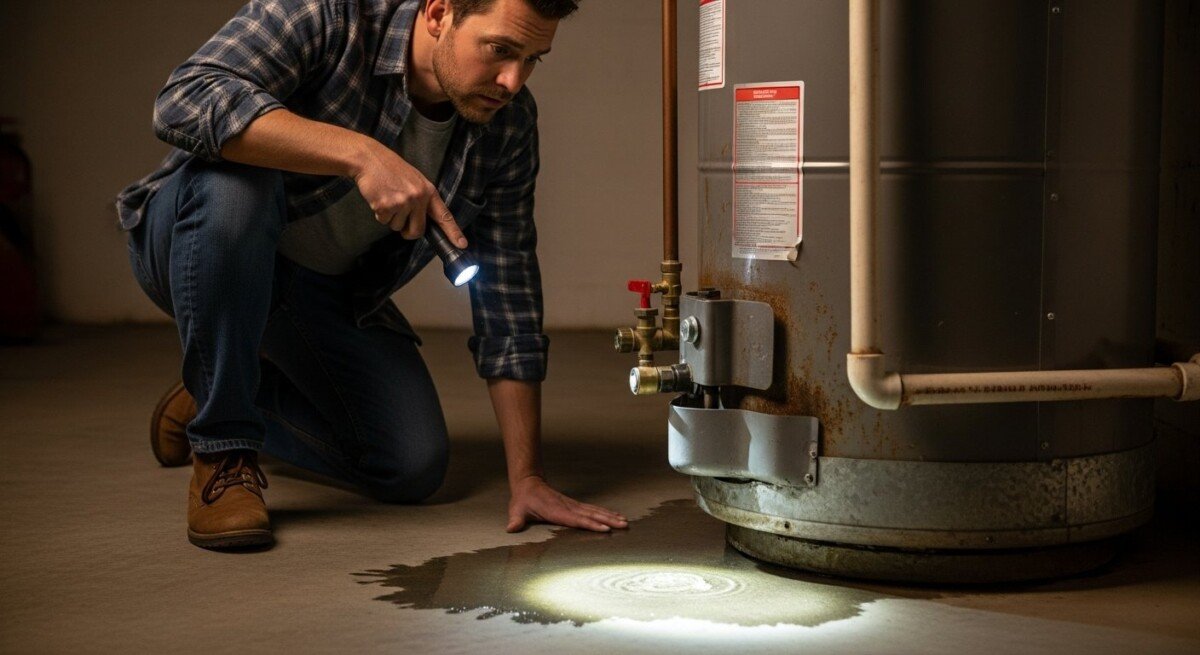
You step into the shower expecting a comforting stream of hot water, but instead, you’re met with a disappointing, lukewarm trickle. Or perhaps you’ve noticed a small puddle of water near that metal tank in your basement or garage that wasn’t there before. These moments are more than just minor annoyances; they’re often the first, clear signs your water heater is crying out for help. Ignoring these signals can lead to much bigger problems, from significant water damage to a complete and inconvenient loss of hot water. Recognizing the common water heater replacement signs is the first step in protecting your home, your safety, and your wallet.
Understanding Water Heater Replacement Signs
Your water heater is a workhorse, operating quietly in the background for years. But like any major appliance, it has a limited lifespan. Most traditional tank-style water heaters last between 8 to 12 years.
Over time, sediment builds up, components wear out, and the tank itself can corrode from the inside. The signs that replacement is near are usually gradual, giving you time to plan, rather than forcing you into an emergency situation.
Homes with older units, or those with hard water that accelerates sediment buildup, are often the first to experience these warning signals. Being proactive can save you from the stress and cost of a sudden failure.
Why This Matters for Your Home
Putting off a necessary water heater replacement is a risk that impacts more than just your morning routine. A failing unit can silently cause property damage, posing safety hazards, and steadily drain your finances through inefficient operation.
A small leak today can become a catastrophic flood tomorrow, damaging floors, walls, and personal belongings. In extreme cases, a severely compromised tank can even fail under pressure. Furthermore, an aging heater works harder to heat water, which shows up as a slow creep in your monthly energy bills.
Addressing replacement signs early transforms a potential crisis into a manageable home improvement project. It allows you to make a calm, informed decision rather than scrambling for a fix in an emergency.
If you notice signs of this issue in your home, it may help to speak with a qualified contractor. Request a free quote or call to explore your repair or remodeling options.
Common Problems Homeowners Experience
The problems stemming from an aging water heater are frustratingly familiar to many homeowners. They start as minor inconveniences but gradually worsen, disrupting daily life and hinting at the larger issue within the tank.
You might find yourself adjusting schedules around limited hot water or dealing with discolored water that stains laundry and fixtures. These are not isolated incidents but symptoms of a system in decline.
Here are the most common problems linked to a failing water heater:
- Inconsistent or Insufficient Hot Water: Running out of hot water faster than usual, or getting water that never gets truly hot.
- Discolored or Rusty Water: Brown, yellow, or reddish water coming from your hot water taps, indicating internal tank corrosion.
- Unusual Noises: Popping, rumbling, or banging sounds caused by sediment buildup getting heated and hard-boiled at the bottom of the tank.
- Water Leaks or Pooling: Moisture or standing water around the base of the tank, often from a failing tank, valve, or connection.
- Reduced Water Pressure: Sediment clogging the pipes or the heater itself, leading to weaker flow from your hot water faucets.
- Foul Odors: A rotten egg smell from hot water, which can be caused by bacteria reacting with the tank’s anode rod.
How Professionals Solve the Problem
A professional plumber or contractor doesn’t just swap out an old tank for a new one. They provide a comprehensive solution that ensures safety, efficiency, and compliance with local building codes. Their expertise turns a complex project into a smooth, reliable upgrade for your home.
They start with a thorough assessment of your current system, your household’s hot water needs, and your home’s setup. This allows them to recommend the right type and size of water heater, whether it’s a traditional tank, a tankless model, or a heat pump hybrid. For a deeper look at maintaining your system, our guide to water heater repair explains common fixes and when they make sense.
The typical professional installation process includes:
- Assessment & Recommendation: Evaluating your old unit, checking connections, and discussing the best replacement options for your home and budget.
- Safe Removal & Disposal: Safely disconnecting and draining the old unit, following proper procedures for handling a heavy, potentially water-logged appliance.
- Preparation & Installation: Preparing the space, installing necessary new valves or piping, and carefully setting the new unit in place.
- Connection & Testing: Connecting water, gas, or electrical lines, checking for leaks, and testing the new unit to ensure it operates correctly and safely.
- Cleanup & Review: Cleaning the work area and walking you through the operation of your new water heater and its warranty.
A professional inspection can reveal hidden issues before they become expensive repairs. Compare contractor quotes here or call to discuss your project.
Warning Signs You Should Not Ignore
Some signs are subtle, while others are a glaring red flag. Knowing the difference helps you gauge the urgency. Early detection is your best defense against a major leak or a cold shower at the worst possible time.
If you see active dripping or a steady stream of water from the tank itself, it’s often a sign the internal tank has corroded through. This is a definitive signal for immediate replacement. Similarly, water that is consistently rusty or has a metallic smell points to advanced corrosion inside.
Pay close attention to these specific warning signs:
- Water actively leaking from the tank body (not just from a valve or pipe connection).
- The unit is more than 10 years old and showing any other symptom on this list.
- Loud, persistent rumbling or banging noises during heating cycles.
- Consistently rusty hot water from multiple faucets.
- No hot water at all, especially if the pilot light won’t stay lit (gas) or the unit has no power (electric).
- Visible rust or corrosion on the tank exterior or the pipe connections.
What Affects the Cost of Repairs or Installation
The cost of replacing a water heater isn’t a single number, as it depends on several factors unique to your home. Understanding these variables helps you make sense of estimates and plan your budget effectively.
The biggest factors are the type of unit you choose (standard tank vs. tankless or hybrid), its capacity (measured in gallons), and the fuel source (gas, electric, or propane). Labor costs are influenced by the complexity of the installation, such as moving the unit to a new location, upgrading gas lines or electrical service, or dealing with difficult access in tight spaces.
Additional costs can include necessary permits, disposal of the old unit, and any modifications to your plumbing or venting system to bring it up to current code. A straightforward replacement in the same location is typically the most cost-effective scenario.
Costs can vary depending on the condition of your home. The best way to know the price is to get a personalized estimate. Request free quotes from contractors or call today.
How to Choose the Right Contractor
Selecting the right professional is as important as choosing the right water heater. A qualified, experienced contractor will ensure the job is done safely, correctly, and efficiently, giving you peace of mind for years to come.
Look for a specialist who has specific experience with water heater installations and is familiar with the brands and models you’re considering. They should be willing to answer all your questions clearly and provide a detailed, written estimate that breaks down all costs.
Follow these practical tips during your selection process:
- Verify Licenses & Insurance: Ensure they hold a current state plumbing or contractor’s license and carry both liability and worker’s compensation insurance.
- Check Reviews & References: Read online reviews and ask for references from recent, similar jobs to gauge their reputation and work quality.
- Get Detailed, Written Estimates: Obtain at least three written quotes that specify the model, labor, materials, permit fees, and warranty terms.
- Compare Experience & Specialization: Ask how many water heaters they install per year and if they have experience with the specific type (tankless, heat pump, etc.) you’re considering.
- Review Warranty Coverage: Understand both the manufacturer’s warranty on the unit and the contractor’s warranty on their labor and installation work.
Long-Term Benefits of Professional Work
Investing in a professional water heater replacement pays dividends long after the installation is complete. It’s not just about fixing an immediate problem; it’s about upgrading a critical system in your home for better performance and reliability.
A properly installed, modern water heater operates more safely and efficiently. Newer models meet higher energy efficiency standards, which can significantly reduce your monthly utility bills. This efficiency, combined with reliable performance, also adds to your home’s overall value and appeal.
Perhaps the greatest benefit is peace of mind. Knowing the job was done to code with quality materials by an expert means you can trust your system. You avoid the risk of improper installation, which can lead to leaks, gas issues, or premature failure, protecting your home and family for the long run.
How do I know if I need a repair or a full replacement?
Minor issues like a faulty pressure relief valve, a worn-out heating element (in electric models), or a thermocouple (in gas models) can often be repaired. However, if the tank itself is leaking, is heavily corroded, or is over 10 years old with persistent problems, replacement is almost always the more economical and reliable long-term solution. A professional can provide a definitive diagnosis.
What is the typical lifespan of a water heater?
A standard tank water heater typically lasts 8 to 12 years. Tankless water heaters often have a longer lifespan, averaging 15 to 20 years. Lifespan is heavily influenced by water quality (hard water shortens it), maintenance (like annual flushing), and the initial quality of the installation.
Can I replace a water heater myself?
While it is physically possible, it is strongly discouraged. Water heater installation involves plumbing, and potentially gas and electrical connections, all of which carry significant risks if handled incorrectly. Improper installation can lead to leaks, water damage, gas leaks, carbon monoxide poisoning, or electrical hazards. Professional installation ensures safety, code compliance, and validates the manufacturer’s warranty.
How long does a professional installation take?
For a straightforward replacement in the same location, a professional installation usually takes between 2 to 4 hours. More complex jobs, such as relocating the unit, switching fuel types, or installing a tankless system, can take a full day or more. Your contractor should provide a clear timeline during the estimate.
What are the benefits of a tankless water heater?
Tankless water heaters (on-demand) provide hot water only as you need it, eliminating the standby energy loss of a storage tank. They are more energy-efficient, can provide endless hot water for back-to-back showers, have a longer lifespan, and take up less space. The upfront cost is higher, but they can save money on energy bills over time.
What maintenance does a new water heater need?
For tank-style heaters, an annual flushing to remove sediment is the most important task. You should also periodically check the pressure relief valve and inspect for any signs of leaks or corrosion. Tankless models may require annual descaling, especially in areas with hard water. Your installer can recommend a maintenance schedule specific to your unit.
Recognizing the signs your water heater needs replacement empowers you to take control of your home’s comfort and safety. By addressing these warnings early and consulting with qualified professionals, you can avoid the disruption and expense of an emergency failure. Investing in a proper installation not only restores reliable hot water but also enhances your home’s efficiency and value. If you’re noticing any of these signs, the smartest next step is to gather information and compare quotes from trusted local contractors to find the best solution for your home.
Learn more about Water Heater Installation or Replacement for guides, costs, and what to expect.
Compare Water Heater Installation or Replacement Pros Near You
Enter your ZIP code to compare top-rated local professionals and request free quotes.