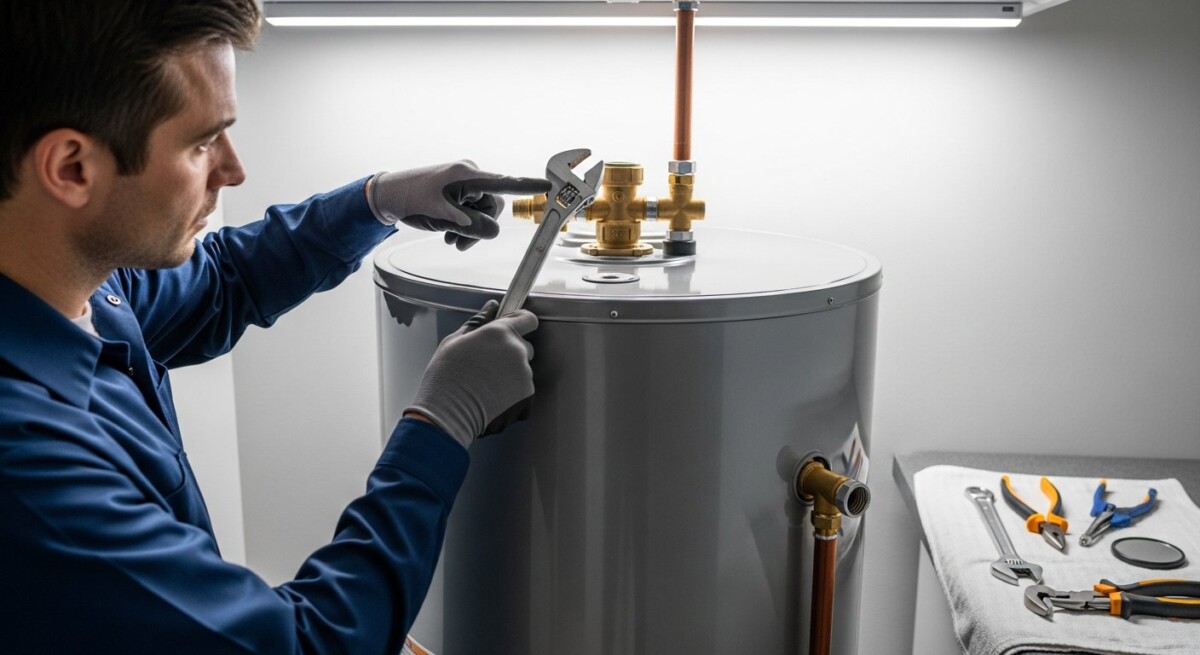
Water Heater Repair: A Guide to Reliable Hot Water
"*" indicates required fields
Your water heater works hard every day, quietly providing hot water for showers, dishes, and laundry. When it starts to fail, it disrupts your entire routine. Understanding water heater repair can help you address problems quickly, restore comfort, and protect your home from potential damage.
Understanding Water Heater Repair
Water heater repair involves diagnosing and fixing issues that prevent your unit from heating or delivering water efficiently. It’s a specialized task that requires knowledge of plumbing, electrical systems, and gas components, depending on your model.
Repairs can range from simple part replacements, like a heating element or thermostat, to more complex fixes for internal tank corrosion or pressure valve failures. The goal is always to restore safe, reliable operation without the need for a full replacement when possible. For a deeper look at diagnosing issues, our guide on hot water problems and diagnosis offers valuable insights.
Why It Matters for Homeowners
A functioning water heater is central to home comfort and hygiene. Prompt repair matters because it prevents minor issues from escalating into major emergencies, like a full tank rupture that can flood your basement or utility room.
Ignoring problems can also lead to higher energy bills, as a struggling heater works harder to do its job. More importantly, timely repairs ensure safety, addressing risks like gas leaks from faulty connections or dangerous pressure buildup. Getting professional help quickly protects your investment, your home, and your family.
Is your water heater acting up? Don’t wait for a cold shower or a leak. Call us at 555-123-4567 for a fast, professional diagnosis and repair.
Common Issues and Their Causes
Most water heater problems fall into a few common categories. Understanding these can help you describe the issue to a professional.
Lack of hot water is often the first sign of trouble. This can be caused by a failed heating element in electric models, a faulty gas burner or thermocouple in gas units, or a tripped circuit breaker or blown fuse. Another frequent complaint is not enough hot water, which may point to a undersized unit for your household’s demand, a broken dip tube, or sediment buildup reducing tank capacity.
Here are some other typical problems:
- Strange Noises: Popping, rumbling, or banging sounds are almost always caused by sediment (mineral scale) hardening at the bottom of the tank. As water gets trapped and boils under the sediment, it creates these noises.
- Discolored or Smelly Water: Rusty water can indicate a corroding tank anode rod or internal tank corrosion. A rotten egg smell usually points to bacteria reacting with the anode rod in certain water conditions.
- Leaks: Water pooling around the base can come from a loose drain valve, a faulty temperature and pressure (T&P) relief valve, or connections. Unfortunately, leaks from the tank itself often signal internal corrosion and the need for replacement.
How Professionals Fix the Problem
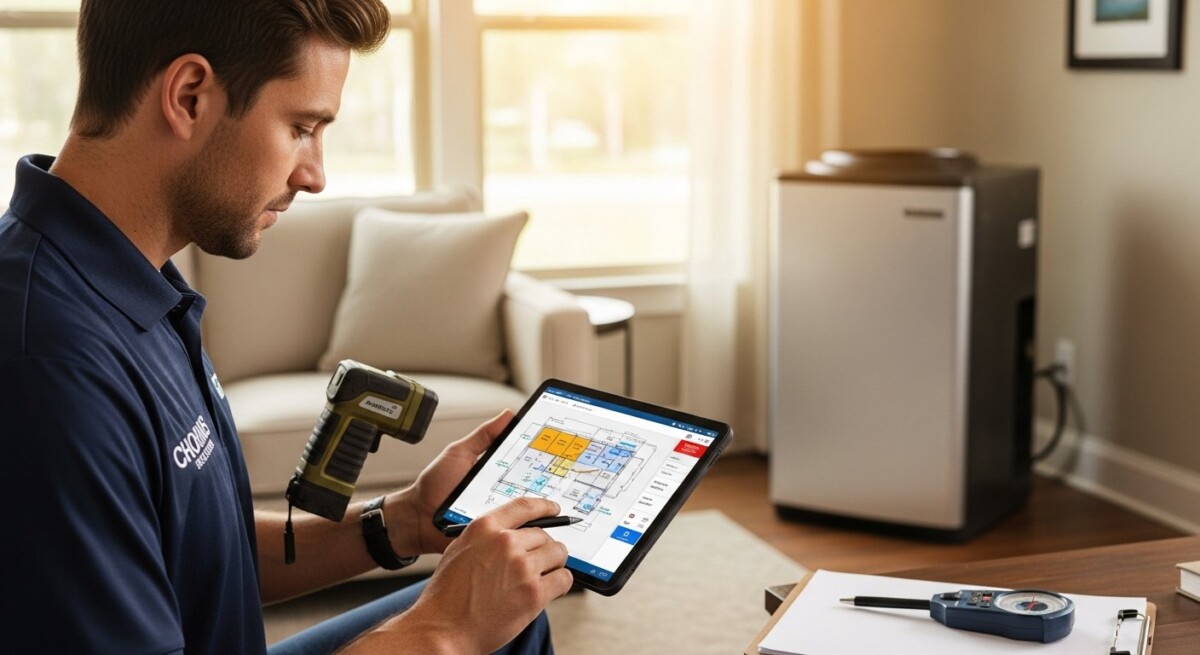
A professional repair begins with a thorough inspection to pinpoint the exact cause. The technician will check the power source, test components, inspect for leaks, and assess the overall condition of the unit.
For electric heaters, common fixes include replacing one or both heating elements or thermostats. The process involves draining some water, safely disconnecting power, and installing new, compatible parts. For gas water heaters, repairs might involve cleaning or replacing the burner assembly, fixing the pilot light or thermocouple, or adjusting the gas valve.
Other standard repairs include:
- Flushing the Tank: To remove sediment, a technician will connect a hose to the drain valve and flush the tank until the water runs clear.
- Replacing the Anode Rod: This “sacrificial” rod protects the tank from corrosion and is a key maintenance item that often gets overlooked.
- Fixing Valves: Replacing a leaking T&P relief valve or drain valve is a straightforward fix that resolves leaks and maintains safe pressure levels.
Trust our licensed technicians to handle your repair safely and correctly. Schedule your service online or call 555-123-4567 for same-day availability in many cases.
Signs You Should Not Ignore
Some water heater symptoms are mere annoyances, while others are urgent red flags. Knowing the difference can prevent property damage and safety hazards.
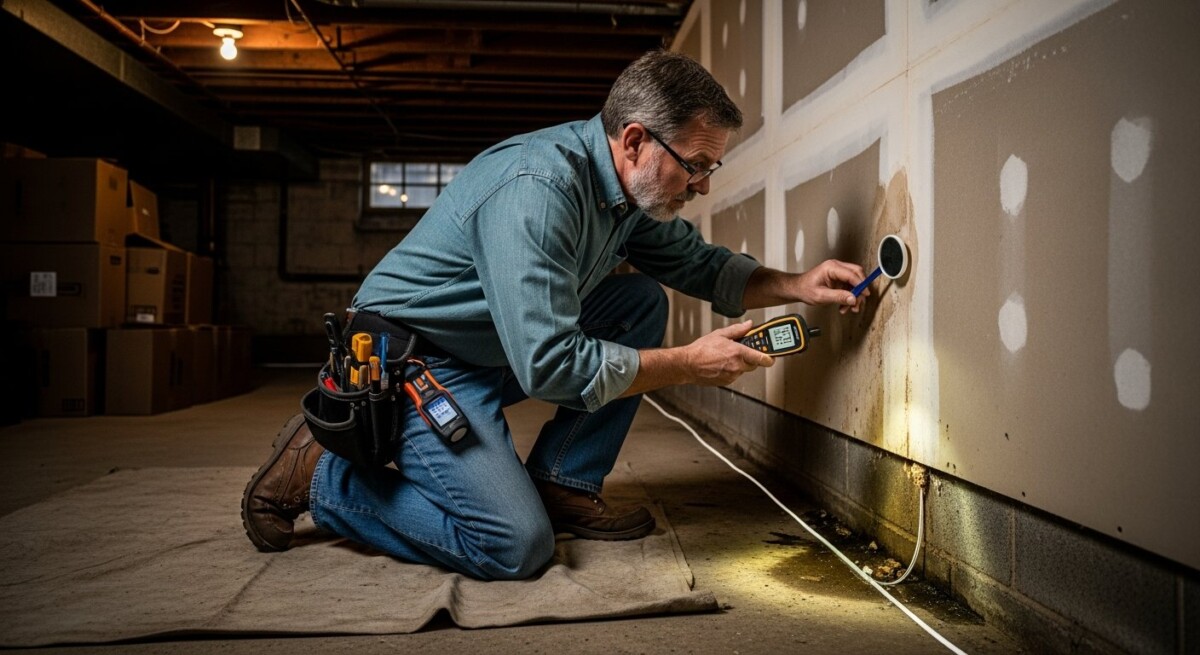
Water around the base of the unit demands immediate attention. A small drip from a valve connection might be a simple fix, but water actively leaking from the tank body usually means corrosion has created a hole. This will not get better and will likely burst open completely. Similarly, if the T&P relief valve is leaking or you see water and steam coming from the valve or its discharge pipe, it indicates dangerously high temperature or pressure inside the tank.
Here are critical warning signs that require a professional’s immediate evaluation:
- Major Leakage: Any significant pooling of water around the heater.
- Rotten Egg Smell: This strong sulfur odor, especially from hot water taps, can indicate a gas-type issue or bacteria.
- No Hot Water & No Obvious Cause: If you’ve checked the breaker and pilot light and still have no hot water.
- Discolored Hot Water: Rusty hot water only, which suggests internal tank issues.
- Loud Banging or Popping: While often sediment, loud noises can also signal overheating and pressure problems.
Cost Factors and What Affects Pricing
Water heater repair costs vary based on several factors. The primary cost driver is the specific part that needs replacement. A simple thermostat swap is less expensive than replacing a gas control valve or addressing internal tank damage.
The type of water heater also affects price. Standard tank-style units are typically less expensive to repair than tankless or hybrid heat pump models, which have more complex components. Labor rates in your area and the time required for the job are other key factors. An emergency repair on a weekend or holiday will generally cost more than a scheduled appointment during business hours. For context on related home system costs, our overview of heating system repair factors covers similar principles.
We provide upfront, transparent quotes before any work begins. No surprises, just honest pricing for quality repairs. Call 555-123-4567 for a free estimate.
How To Choose the Right Professional or Service
Selecting a qualified technician is crucial for a safe, lasting repair. Always look for proper licensing and insurance. A licensed plumber or HVAC technician has the training to work on both the water and fuel/power connections safely.
Choose a company with a strong local reputation. Read reviews and ask neighbors for recommendations. A trustworthy professional will offer a clear diagnosis, explain your options (repair vs. replacement), and provide a detailed written estimate. They should also pull any required permits for the work, which is a sign they do things by the book. Be wary of anyone who insists on a full replacement without a thorough inspection or who can’t provide a solid explanation of the problem.
Long-Term Benefits for Your Home
Investing in timely, professional water heater repair offers significant long-term advantages. First, it extends the lifespan of your unit, delaying the major expense of a full replacement. Regular maintenance and prompt fixes keep the system running efficiently, which lowers your monthly energy bills.
Most importantly, it ensures safety. Properly functioning pressure relief valves and gas connections prevent catastrophic failures. It also protects your home from water damage, a common and costly insurance claim. Ultimately, reliable hot water is a cornerstone of daily comfort, and keeping your heater in good repair means you can always count on it. Staying proactive can also help you avoid the stress and damage of hidden water leaks from failing appliances.
Frequently Asked Questions
How long should a water heater last?
A standard tank water heater typically lasts 8-12 years. Tankless models can last 20 years or more. Lifespan depends heavily on water quality, maintenance, and installation quality.
Can I repair my water heater myself?
Some basic maintenance, like flushing the tank, can be DIY. However, most repairs involve gas lines, high-voltage electricity, or high-pressure water systems. Mistakes can be dangerous. We recommend professional service for repairs.
Is it better to repair or replace my water heater?
This depends on the age of the unit and the cost of the repair. A common rule is if the repair cost is more than half the price of a new unit and your heater is over 7 years old, replacement is often the more economical long-term choice.
What is that rumbling noise in my water heater?
Rumbling or popping is almost always caused by sediment (lime scale and minerals) at the bottom of the tank overheating. Flushing the tank can often resolve this noise.
Why is my hot water rusty?
Rusty hot water usually indicates your tank’s anode rod is depleted or the tank itself is corroding. This is a common repair that involves replacing the anode rod, but if the tank is corroded, replacement may be necessary.
What does the temperature and pressure (T&P) relief valve do?
This critical safety device opens to release water if the temperature or pressure inside the tank gets dangerously high, preventing a potential explosion. It should be tested annually.
Why do I run out of hot water so quickly?
This can be due to a broken dip tube (which sends cold water to the bottom), a heating element failing, excessive sediment reducing tank capacity, or simply a unit that is too small for your household’s current demand.
How often should I maintain my water heater?
We recommend an annual check-up that includes inspecting the T&P valve, checking for leaks, and possibly flushing the tank to remove sediment. This simple maintenance can prevent most common problems.
Your water heater doesn’t have to be a mystery. By recognizing the signs of trouble and acting quickly with a trusted professional, you can ensure a steady supply of hot water for years to come. Reliable repairs protect your home, save you money, and restore the simple comfort you depend on every day.

About Alex Carter
"*" indicates required fields