
Wall Voids Repair Causes and Contractor Assessment Guide
Wall voids repair causes and contractor assessment explained: spot hidden damage early and avoid costly structural repairs. Call (833)-365-8755 for expert help.

By Jackson Adams
Learn more about Drywall Repair and Texturing for guides, costs, and what to expect.
Compare Drywall Repair and Texturing Pros Near You

Enter your ZIP code to compare top-rated local professionals and request free quotes.
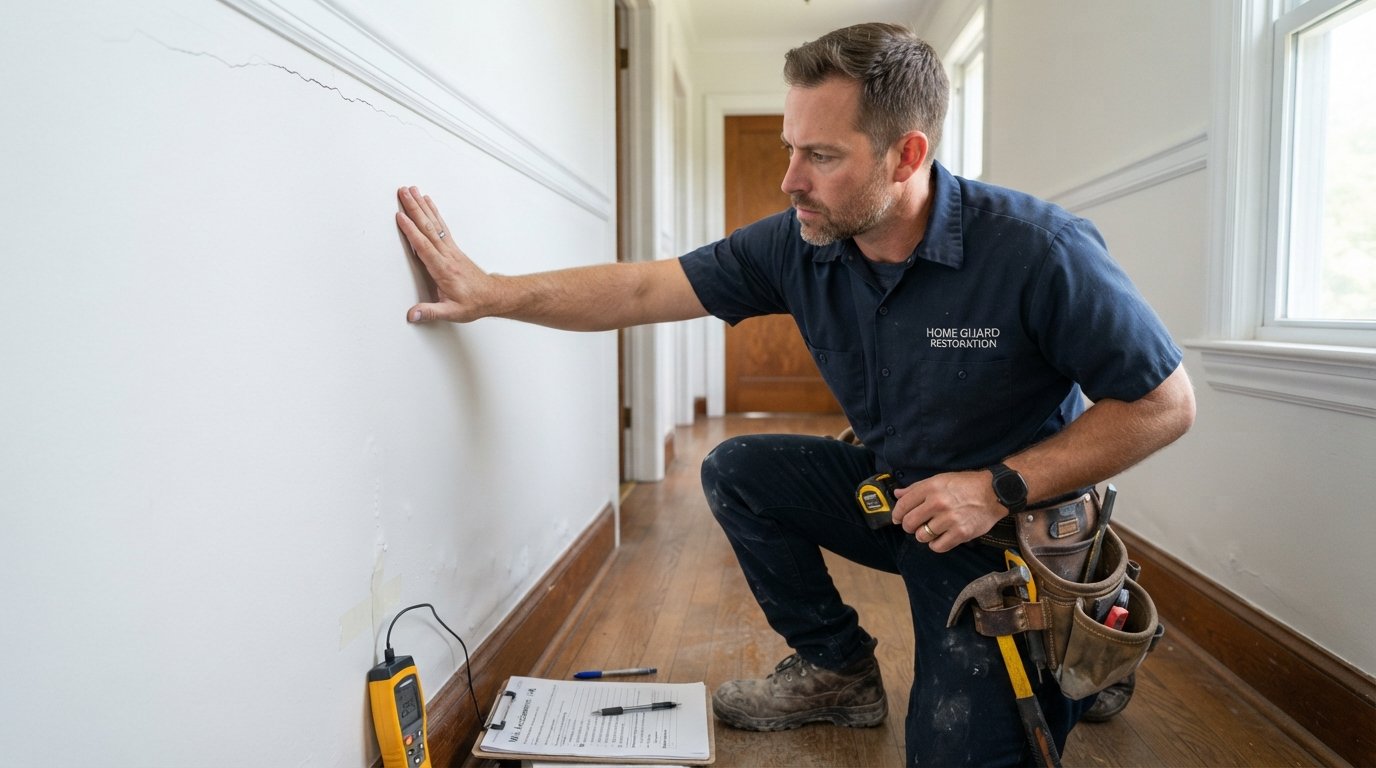
You press your hand against the wall and hear it: a hollow, empty thud instead of a solid knock. Maybe you have noticed a hairline crack near the ceiling, or the paint over your baseboard has started to bulge in a way that does not match normal wear. These small signals often point to a hidden problem called a wall void, an empty space inside the wall cavity where there should be solid structure, insulation, or drywall backing. Left alone, wall voids can grow, weaken finishes, invite moisture and pests, and eventually threaten the structural integrity of your home. Understanding what causes these gaps, how a contractor evaluates them, and what repair actually involves helps you decide when to call a professional and how to avoid paying for the wrong fix.
What Are Wall Voids and Why They Matter
A wall void is a gap or hollow area inside a wall assembly. In a healthy wall, the space between the drywall and the exterior sheathing is filled with insulation, framing, and sometimes vapor barriers that work together to resist moisture, temperature swings, and physical stress. When that assembly fails, an empty pocket forms. The wall may still look intact from the outside, which is exactly why voids are so deceptive. A small void can allow air and moisture to move freely behind the drywall, and over time that movement can loosen tape, crack paint, and even cause the drywall to bow outward.
Wall voids are not a cosmetic problem. They can reduce your home's energy efficiency, create a hiding place for insects and rodents, and compromise the structural connections that hold your walls together. In severe cases, a void that develops near a load-bearing wall can affect how weight is distributed through the frame. That is why a proper assessment by a qualified contractor matters. A trained eye can tell the difference between a harmless hollow spot and a void that needs immediate repair.
Common Causes of Wall Voids
Voids rarely appear without a reason. They are almost always the end result of one or more underlying conditions that have been working on the wall for months or years. Identifying the cause is the first step in any responsible repair plan, because patching the void without fixing the source is a temporary solution at best.
Foundation Settling and Structural Movement
As a house ages, the soil beneath it shifts. During dry periods, clay soil contracts; during wet periods, it expands. That cycle pushes and pulls on the foundation, and the movement travels up through the framing. When one part of the wall settles faster than another, the drywall can separate from the framing and leave a void behind it. You may notice stair-step cracks in brick, diagonal cracks above door frames, or gaps where the wall meets the ceiling. Older homes in regions with expansive soils are especially prone to this type of void.
Water Damage and Moisture Intrusion
Water is the most destructive force behind wall voids. A slow leak from a roof, a plumbing line, or a window flashing detail can soak the drywall and framing for months before you see a stain. As the drywall absorbs moisture, it softens, swells, and eventually disintegrates, leaving an empty pocket. Insulation can compress or fall away, and the paper facing on the drywall becomes a food source for mold. If you have ever noticed a musty smell in a room with no visible leak, hidden moisture inside a wall cavity is a likely culprit. In our guide on clogged drain causes and how to fix them, we explain how slow leaks and blocked drains can quietly damage the building materials around them, and the same principle applies to wall cavities.
Pest Activity and Rodent Infestation
Mice, rats, squirrels, and even large insects like carpenter ants and termites can hollow out wall cavities. Rodents tunnel through insulation to build nests, and their droppings and urine introduce moisture and bacteria. Termites eat the paper backing on drywall and the wood framing itself, leaving behind a void that looks fine until you press on it. If you hear scratching sounds at night or find small droppings near baseboards, pest activity may already be creating voids behind your walls.
Poor Original Construction or Renovation
Not every void is a symptom of damage. Sometimes the void was built in. If a previous contractor installed drywall without proper shimming, skipped insulation in certain bays, or cut corners around electrical boxes and plumbing rough-ins, empty spaces can remain from day one. These voids may stay stable for years, but they still reduce insulation performance and can become a problem if moisture ever enters the cavity.
Warning Signs of Hidden Wall Voids
The tricky part of wall voids is that they often hide in plain sight. Homeowners typically discover them only after a minor cosmetic issue turns into something bigger. Knowing the warning signs helps you act before the damage spreads.
- Hollow sounds: Tapping along a wall and hearing a dull, empty echo instead of a solid thud often indicates a void behind the drywall.
- Cracks and separation: Hairline cracks that run diagonally, stair-step along corners, or reappear after painting can signal movement and hidden gaps.
- Bulging or soft drywall: If the wall feels spongy or bows outward, moisture has likely compromised the drywall and created a void behind it.
- Musty odors or high humidity: Persistent dampness in one room, even without visible water, points to moisture trapped inside a cavity.
- Pest sightings or sounds: Scratching, droppings, or grease marks along baseboards suggest animals are using the void as a highway or nest.
Any one of these signs is worth investigating, but two or more together almost always justify a professional assessment. A contractor can confirm whether the void is stable, growing, or already affecting the structure.
How Contractors Assess Wall Cavities
A proper wall void assessment is more than a visual inspection. Experienced contractors use a combination of tools and techniques to map the extent of the void, identify the moisture source, and determine whether the repair can be localized or needs to be more extensive. This process protects you from unnecessary demolition and helps ensure the repair addresses the root cause.
Moisture Meters and Thermal Imaging
Moisture meters measure the water content of drywall, wood, and insulation. A contractor will press the meter against the wall in several spots to find elevated readings that indicate hidden moisture. Thermal imaging cameras take this a step further by detecting temperature differences behind the surface. Wet insulation and voids show up as distinct patterns on the camera, allowing the contractor to see the shape and size of the problem without cutting into the wall. These tools are especially useful for locating voids that are not yet visible to the naked eye.
Visual Inspection and Probing
The contractor will also look for outward signs: cracks, stains, bulges, and separation at seams. In some cases, they may make a small inspection hole (often behind a baseboard or in a closet) to insert a borescope camera. This tiny camera feeds live video from inside the cavity, showing the condition of the framing, insulation, and any pest activity. Probing with a thin tool can confirm whether the drywall has lost its backing.
Structural and Environmental Checks
If the void appears near a load-bearing wall, the contractor may check for floor deflection, door misalignment, or cracks in adjacent rooms. They will also look at the exterior for grading issues, roof leaks, or failed flashing that could be feeding moisture into the wall. A thorough assessment connects the interior symptom to the exterior cause, so the repair plan addresses both.
Repair Options for Wall Voids
Once the contractor understands the cause and extent of the void, they can recommend the right repair. Options range from minimally invasive injections to full wall section replacement, depending on the severity of the damage and the condition of the surrounding materials.
Patching and Injection Repairs
For small, stable voids caused by settling or minor gaps, contractors may use an injection repair. This involves drilling small holes into the wall and injecting a structural foam or epoxy that expands to fill the void and stabilize the drywall. The holes are then patched and painted. Injection repairs are fast, produce little mess, and work well when the void is not caused by active moisture or pests. However, they are not a permanent fix if the underlying water or pest problem is still present.
Partial Wall Replacement
When drywall is soft, moldy, or heavily damaged, the contractor will remove the affected section, treat the framing for mold or pests, replace any compromised insulation, and install new drywall. This approach allows them to inspect the cavity directly and correct any structural issues. Partial replacement is more invasive and costly, but it is the only way to restore a wall that has lost its integrity.
Addressing the Root Cause
No repair lasts if the cause remains. If water intrusion is the problem, the contractor will fix the leak, improve drainage, or repair flashing before closing the wall. If pests are the issue, a pest control professional will need to eliminate the infestation and seal entry points. If settling is ongoing, a foundation specialist may need to stabilize the soil or install piers. The repair plan should always include these upstream fixes.
When to Request Multiple Contractor Quotes
Wall void repair can vary widely in cost depending on the cause, the size of the void, and whether structural or moisture remediation is needed. A small injection repair might cost a few hundred dollars, while partial wall replacement with mold treatment can run into thousands. Because the stakes are high and the diagnosis can be subjective, getting multiple quotes is one of the smartest things you can do.
Different contractors may propose different solutions. One might recommend a quick patch, while another insists on opening the wall to inspect the framing. Comparing their assessments helps you understand whether the recommended repair is truly necessary or whether a less invasive option is viable. It also gives you leverage to negotiate pricing and ensures you are not overpaying for unnecessary work.
If you are not sure where to start, a service like Contractor.Homes can connect you with pre-vetted local contractors who specialize in wall repairs, moisture issues, and structural assessments. Submitting a request takes only a few minutes, and you can compare quotes side by side before making a decision. The goal is to find a contractor who explains the cause clearly, offers a repair plan that addresses the root problem, and provides a transparent estimate with no hidden charges.
What to Look for in a Contractor Assessment
A good contractor assessment is educational. The contractor should walk you through what they found, show you the readings from moisture meters or thermal images, and explain why they recommend a particular repair. They should also be honest about what they cannot determine without opening the wall. If a contractor promises a guaranteed fix without inspecting the cavity, treat that as a red flag.
Ask about licensing, insurance, and experience with similar repairs. A contractor who regularly handles water damage, pest remediation, or foundation issues will know how to coordinate with other specialists if needed. Finally, request a written estimate that breaks down labor, materials, and any contingencies. A clear, detailed quote protects you from surprise costs and helps you compare offers fairly.
Preventing Future Wall Voids
Prevention starts with moisture control. Keep gutters clean, ensure proper grading around the foundation, and fix plumbing leaks promptly. Seal cracks in exterior walls and around windows and doors. If you live in an area with expansive soils, consider a foundation inspection every few years. Inside the home, keep indoor humidity between 30 and 50 percent to discourage mold and pest activity. These steps reduce the likelihood that a void will form in the first place.
Regularly inspect your walls for new cracks, bulges, or soft spots, especially after heavy rain or temperature swings. Early detection makes repair simpler and less expensive. If you notice any warning signs, do not wait. A small void today can become a major structural repair tomorrow.
Wall voids are a hidden problem with visible consequences. By understanding the causes, recognizing the warning signs, and working with a qualified contractor who uses proper assessment tools, you can protect your home's structure, air quality, and value. Whether you need a simple injection repair or a more extensive wall replacement, getting multiple quotes through a trusted network ensures you make an informed decision and avoid unnecessary costs.