
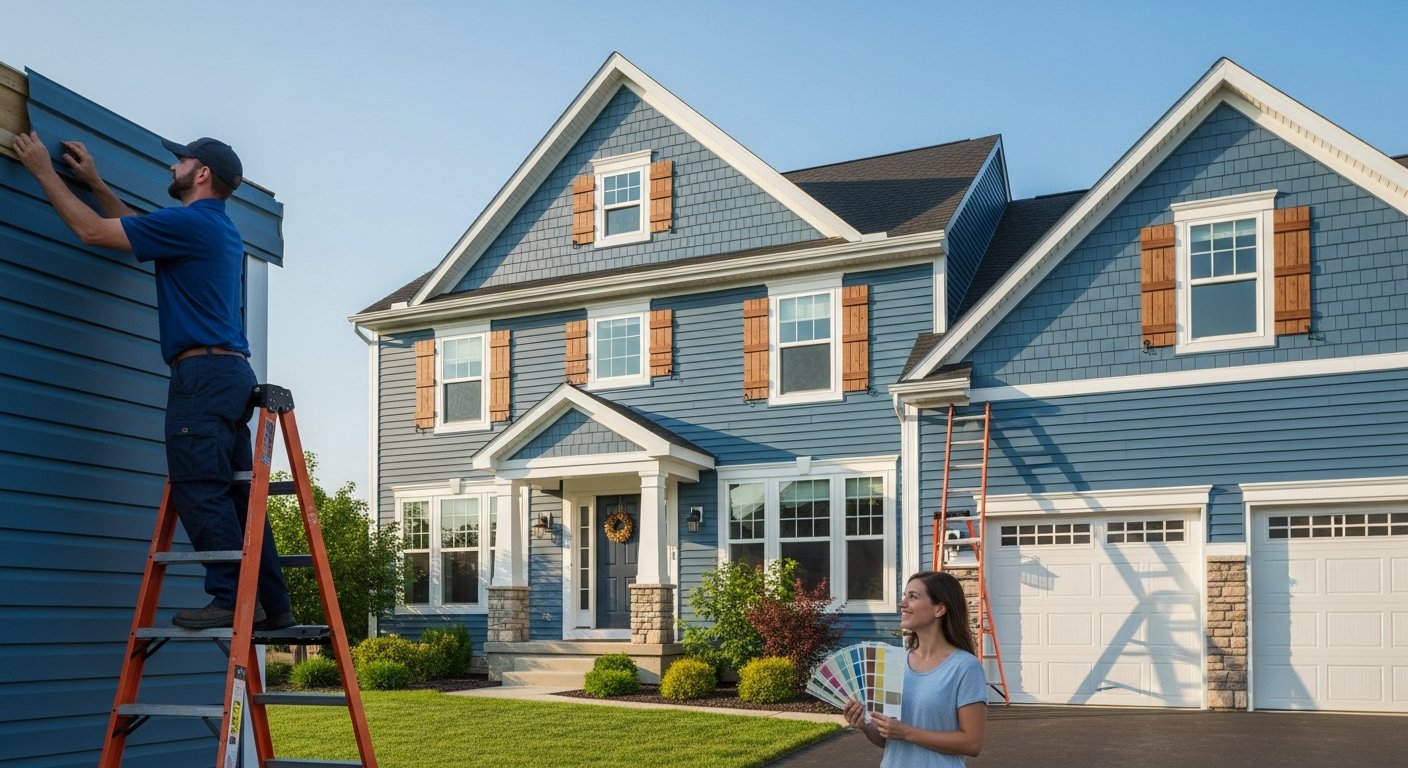
Vinyl Siding 2026: Cost, Durability, and Curb Appeal
Vinyl siding offers affordable durability, low maintenance, and modern design versatility. Learn how to choose, install, and care for it.

By Rachel Green
Learn more about Siding Installation for guides, costs, and what to expect.
Compare Siding Installation Pros Near You

Enter your ZIP code to compare top-rated local professionals and request free quotes.
When you drive through a neighborhood, the homes that catch your eye often share one detail: clean, colorful, and consistent exteriors. Vinyl siding has become the go-to choice for homeowners who want that polished look without the high maintenance of wood or the expense of fiber cement. It is durable, affordable, and available in a staggering range of colors and textures. But before you commit to this popular cladding, you need to understand what it really offers, where it falls short, and how to get the best results for your specific home. This guide walks you through everything from material science to installation costs, so you can make a confident decision that boosts both comfort and resale value.
Why Vinyl Siding Dominates the Exterior Market
Vinyl siding has been the best-selling exterior cladding in the United States for over two decades, and the reasons are rooted in practicality. The material is made from polyvinyl chloride (PVC) resin, which is extruded into interlocking panels. This manufacturing process creates a product that is lightweight, flexible, and resistant to moisture, insects, and rot. Unlike wood, it never needs painting or staining. Unlike aluminum, it does not dent easily or conduct electricity. And compared to brick or stone, it is dramatically cheaper to install, making it accessible to a wide range of budgets.
Beyond the functional benefits, vinyl siding offers remarkable design versatility. Modern manufacturing techniques allow for realistic wood grain textures, cedar shake styles, and even vertical panels that mimic board-and-batten. You can choose from hundreds of colors, including deep blues, warm grays, and earthy greens that were impossible to achieve with early vinyl. This flexibility means you can achieve a custom look without paying custom prices, which is why so many homeowners choose it during a full exterior renovation.
The energy efficiency of vinyl siding has also improved significantly. Many products now feature insulated backing, which adds a layer of foam to the panel. This reduces thermal bridging through the wall studs and can lower your heating and cooling costs by up to 20 percent in extreme climates. While it is not a replacement for proper wall insulation, it is a valuable bonus for older homes that lack continuous insulation. For those interested in broader energy upgrades, combining insulated vinyl with new windows or a solar roof can create a high-performance envelope that pays off monthly.
Cost Breakdown: Material, Labor, and Hidden Expenses
The most compelling reason to choose vinyl siding is its cost-effectiveness. On average, homeowners spend between $3.50 and $7.50 per square foot for installed vinyl siding, depending on the quality of the product and the complexity of the installation. This includes the panels, trim, fasteners, and labor. For a typical 1,500 square foot home, that translates to roughly $5,250 to $11,250, which is significantly less than fiber cement ($8 to $12 per square foot) or engineered wood ($6 to $10 per square foot).
However, the final price depends on several factors beyond the basic square footage. The condition of your existing exterior matters: if you need to remove old siding, repair sheathing, or replace rotten fascia, those costs will be added. The architectural complexity of your home also plays a role. A house with many corners, gables, and dormers requires more cutting and more trim pieces, which increases labor time. Additionally, the grade of vinyl you choose affects the price. Builder-grade panels are the cheapest but are thinner and more prone to cracking. Premium panels, such as those with insulated backing or a thicker gauge, cost more but offer better durability and a more substantial feel.
Do not forget the long-term savings. Because vinyl siding is virtually maintenance-free, you will save money on painting, staining, and repairs over the life of the product. Most manufacturers offer warranties of 25 to 50 years, and high-quality vinyl can last that long with minimal care. When you factor in the avoided maintenance costs, the total cost of ownership for vinyl is often lower than any other cladding material. For a detailed look at how siding costs compare to other renovation projects, you can review our vinyl siding cost guide, which breaks down regional pricing and material options.
Installation Secrets: What to Demand from Your Contractor
The performance of vinyl siding depends heavily on the quality of the installation. Poorly installed vinyl can warp, buckle, or allow water infiltration, leading to costly structural damage. To avoid these problems, you need to understand the key steps of a proper installation. First, the siding must be hung loosely, allowing for thermal expansion and contraction. Vinyl expands and contracts with temperature changes, and if it is nailed too tightly, it will buckle. Nails should be driven into the center of the nailing hem, leaving a small gap for movement.
Second, the underlayment is critical. A moisture barrier, such as house wrap or building paper, should be applied over the sheathing before the siding goes on. This prevents water from reaching the wood structure if the siding is ever breached. The barrier should overlap at the seams and be sealed around windows and doors. Third, proper flashing is essential at all openings and transitions. Window and door frames need flashing tape that directs water outward, and the siding should overlap the flashing correctly. Without this, even the best siding will fail.
Finally, trim details matter more than most homeowners realize. Outside corners, inside corners, and J-channel around windows and doors must be installed with precision. These pieces not only provide a finished look but also allow for movement and water drainage. A contractor who rushes these details will leave you with gaps, misaligned seams, and potential leaks. Before hiring anyone, ask for references, check their license and insurance, and request a written warranty that covers both materials and workmanship. A reputable professional will gladly provide these, and they will also walk you through the manufacturer's installation guidelines to ensure the warranty remains valid.
Vinyl Siding vs. Other Cladding Options
Choosing the right exterior material is a balance of aesthetics, budget, and maintenance. To help you compare, here is a breakdown of how vinyl stacks up against its main competitors:
- Fiber cement: More expensive and heavier, but fire-resistant and resistant to impact. It requires painting every 10 to 15 years.
- Wood: Classic beauty but high maintenance. It needs regular staining or painting and is vulnerable to rot, insects, and warping.
- Aluminum: Lightweight and rust-proof, but it dents easily and conducts heat and cold, reducing energy efficiency.
- Brick or stone: Extremely durable and high-end look, but the cost is 3 to 4 times higher than vinyl, and it offers little insulation value.
Vinyl's biggest advantage is its combination of low cost and low maintenance. It does not need to be painted, it resists moisture and pests, and it comes with long warranties. However, it is not perfect. Vinyl can crack in extreme cold if struck with force, and it can fade over decades of sun exposure, especially in darker colors. It also cannot be repaired easily: a damaged panel typically needs to be replaced, not patched. For homeowners who are willing to trade a little durability for massive upfront savings, vinyl is often the smartest choice.
Another consideration is environmental impact. Vinyl is a petroleum-based product, and its production has a carbon footprint. However, many manufacturers now offer recycled content, and the material is fully recyclable at the end of its life. When you compare the lifetime energy costs of production, transportation, and maintenance, vinyl's low upkeep can offset its initial environmental cost, especially if you choose a high-quality product that lasts 40 years or more.
Design Trends for 2026: Making Vinyl Look Custom
Gone are the days when vinyl siding meant a bland, uniform surface. Today's top designers are using vinyl to create sophisticated, layered exteriors that rival custom wood or stucco. One of the biggest trends is the use of mixed materials. Combine horizontal vinyl panels with stone veneer accents on the foundation or around the front door, and you immediately add depth and interest. Another popular approach is vertical siding, which draws the eye upward and gives a home a modern, cottage-like feel. Board-and-batten vinyl is now available, and it is an excellent way to achieve that farmhouse aesthetic without the maintenance of real wood.
Color is another avenue for personalization. While classic white and beige remain popular, rich colors like navy, charcoal, and forest green are on the rise. These darker shades create a striking contrast against white trim and natural wood elements, such as a cedar front door or exposed beams. When choosing a color, remember that darker vinyl absorbs more heat, which can cause slight expansion and may require a higher-grade panel to prevent warping. Your contractor can recommend the right product for your climate.
Finally, think about the details that make a house feel custom. Wide fascia boards, decorative gable vents, and unique corner posts can transform a standard vinyl installation into an architectural statement. Also, consider adding accent panels in a different shade or texture, such as a shake-style vinyl under a gable or around a bay window. These small touches break up the surface and add a level of sophistication that was once impossible with vinyl. To see real-world examples of how vinyl can elevate a home's exterior, explore our gallery of homes with vinyl siding.
Maintenance and Longevity: The Real-World Truth
One of the most appealing promises of vinyl siding is that it is low maintenance, but that does not mean zero maintenance. To keep your siding looking good and performing well, you need to follow a simple routine. At least once a year, wash the exterior with a garden hose or a pressure washer set to a gentle setting. Use a soft brush and a mild detergent to remove dirt, mildew, and pollen. Avoid using harsh chemicals or abrasive pads, as they can scratch or dull the surface. Also, check for any cracks, gaps, or loose panels after storms or high winds, and repair them promptly to prevent water from getting behind the siding.
Another important maintenance task is to keep the siding clean around appliances and vents. Dryer vents, furnace exhausts, and grills can emit grease and moisture that stain the siding over time. Wipe these areas regularly with a damp cloth. Additionally, trim any bushes or trees that rub against the siding, as constant friction can wear down the finish and create entry points for pests. If you notice mold or mildew, you can usually remove it with a solution of water and bleach, but be careful not to let the bleach damage landscaping below.
With proper care, quality vinyl siding can last 30 to 40 years, and some premium products are rated for 50 years. The color is baked into the material, so it will not peel or chip like paint. However, all vinyl will eventually fade, especially if it is exposed to intense sunlight. The degree of fading depends on the pigment quality and the color itself. Lighter colors fade less than darker ones, so if you are choosing a deep shade, be prepared for some subtle change over time. If you plan to sell your home, a well-maintained vinyl exterior is a big selling point, as buyers appreciate the low upkeep and the clean, modern look.
In the end, vinyl siding is a practical, attractive, and affordable solution for most homes. It gives you the cosmetic benefits of a full exterior renovation while keeping your budget intact. Whether you are updating a starter home or preparing a property for sale, this material delivers a strong return on investment. The key is to choose a reputable product, hire an experienced installer, and commit to the small annual upkeep. With those pieces in place, you can enjoy a beautiful, worry-free exterior for decades. If you are ready to explore your options, a quick consultation with a siding contractor can help you select the perfect color, texture, and profile for your home's architecture and your personal style.