Understanding Bathroom Remodel Cost for Homeowners
"*" indicates required fields
You’ve been saving inspiration photos for months, dreaming of a spa-like retreat or a more functional family bathroom. But when you start adding up the price of new tile, a vanity, and a shower system, the numbers can feel overwhelming. Understanding your bathroom remodel cost is the crucial first step that many homeowners find confusing, and putting it off can lead to making rushed decisions or ignoring small problems that grow into expensive, urgent repairs.
Understanding Bathroom Remodel Cost
Your bathroom remodel cost is the total investment required to update your space, covering everything from materials and labor to permits and unexpected issues. It’s not a single price tag but a range influenced by your choices, your home’s condition, and the project’s scope.
Costs vary widely because no two bathrooms or homeowner visions are the same. A simple cosmetic refresh will have a very different price than reconfiguring the entire layout or addressing hidden water damage behind the walls.
While any home can undergo a remodel, older homes often see higher costs due to the need to update plumbing, electrical systems, or structural elements to meet current codes. Understanding these variables is key to setting a realistic budget from the start.
Why This Matters for Your Home
Investing in a well-planned bathroom remodel does more than just improve your daily routine. It protects your home’s value and prevents minor wear and tear from escalating into major damage. A leaky faucet or cracked grout might seem small, but the moisture they allow can lead to mold growth and rot, compromising your home’s structure and indoor air quality.
Beyond preventing problems, a professional remodel enhances safety and comfort. Slippery floors, poor lighting, and outdated fixtures can be hazards, especially for children or aging family members. Updating these elements creates a safer, more accessible, and more enjoyable space for everyone.
If you notice signs of this issue in your home, it may help to speak with a qualified contractor. Request a free quote or call to explore your repair or remodeling options.
Common Problems Homeowners Experience
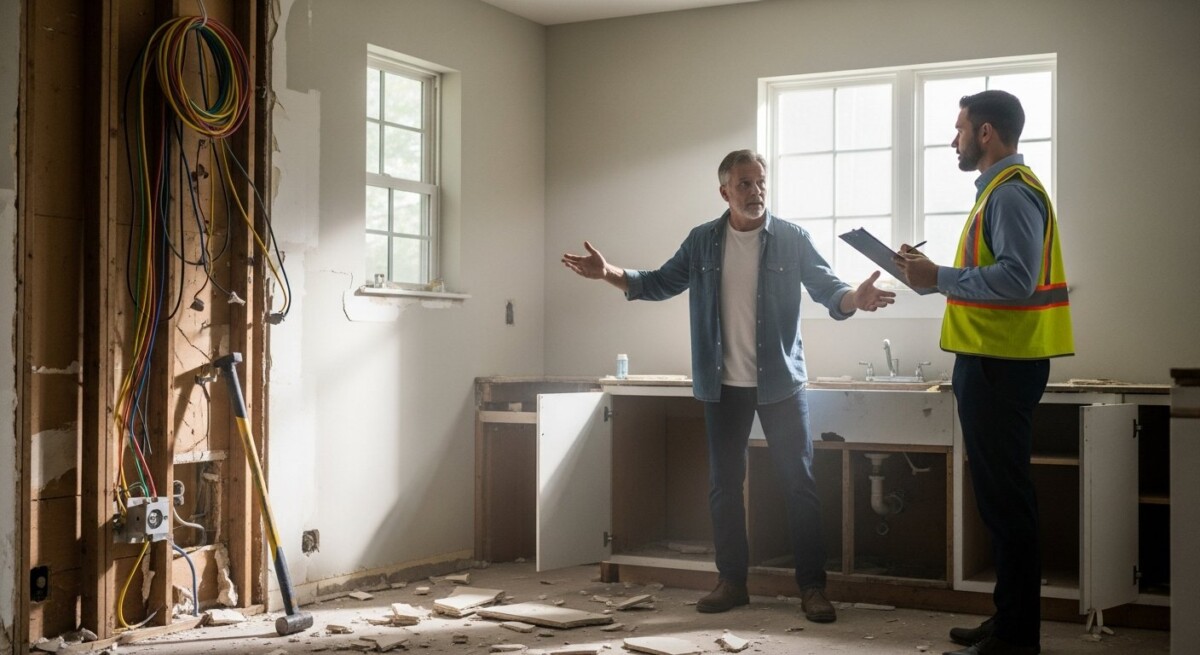
When planning a remodel, homeowners often encounter a few predictable challenges that directly impact the final cost. The most common issue is discovering hidden problems once demolition begins, such as water-damaged subflooring or outdated wiring that must be replaced.
Another frequent hurdle is “scope creep”,the tendency to add more features or upgrades as the project progresses. While exciting, these additions can quickly derail a carefully set budget if not managed properly. A clear plan, like the one outlined in our stress-free bathroom remodel planning guide, is your best defense against unexpected expenses.
- Outdated and inefficient plumbing or electrical systems requiring full replacement.
- Water damage hidden behind walls or under flooring.
- Limited space that makes layout changes complex and costly.
- Venting and moisture control issues leading to mold risk.
- Choosing materials that don’t fit the budget after labor is factored in.
- Underestimating the time and disruption of living through a renovation.
How Professionals Solve the Problem
A professional contractor brings order, expertise, and efficiency to what can be a chaotic process. They start by accurately diagnosing the current condition of your bathroom, identifying both visible issues and potential hidden concerns. This comprehensive assessment is the foundation for a realistic and accurate estimate.
Their experience allows them to foresee challenges, source materials efficiently, and manage a skilled team of tradespeople. This coordination prevents costly delays and ensures the work meets building codes and quality standards. For a deeper look at this process, our article on hiring a reliable bathroom remodel contractor explains what to expect.
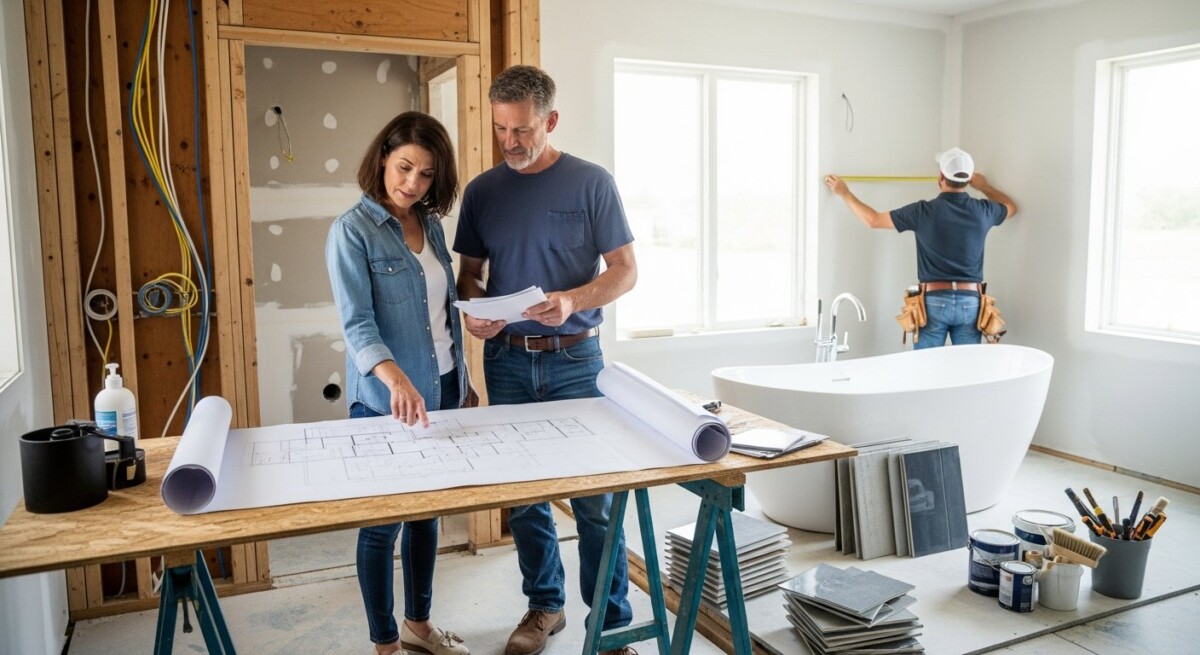
- Consultation & Planning: Discussing your goals, evaluating the space, and creating a detailed project plan and budget.
- Design & Material Selection: Finalizing layouts and choosing all fixtures, finishes, and materials.
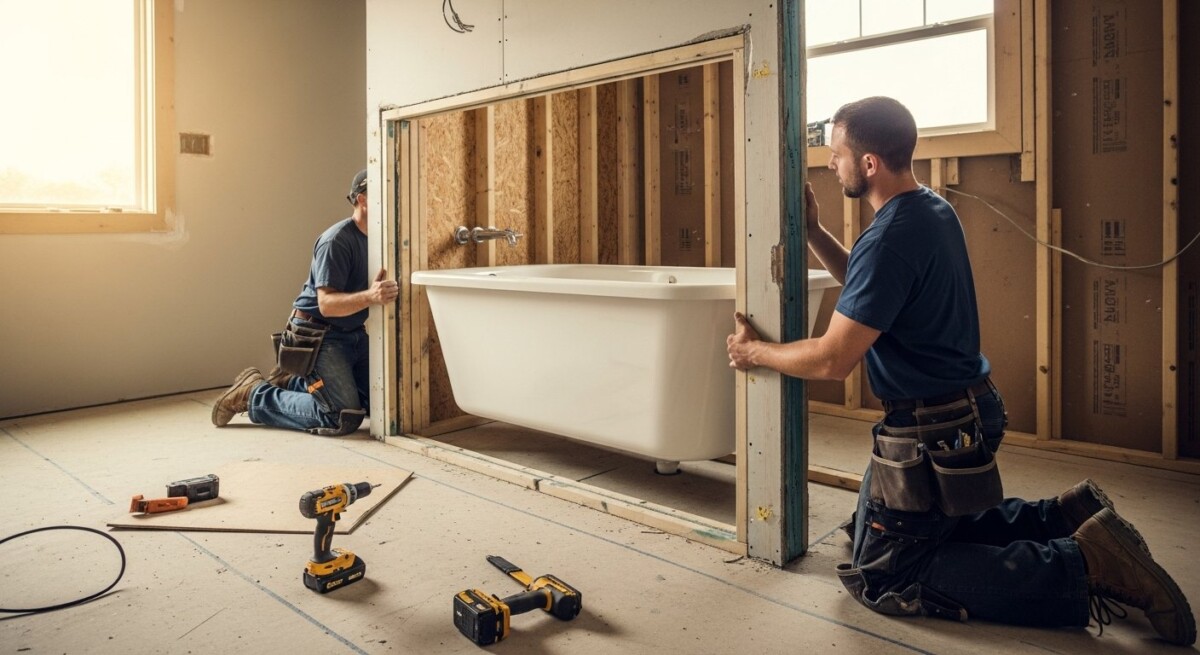
- Demolition & Inspection: Carefully removing old materials and inspecting the underlying structure for unforeseen issues.
- Rough-In Work: Updating plumbing, electrical, and framing as needed, followed by inspections.
- Installation & Finishing: Installing new surfaces, fixtures, cabinetry, and lighting, with a focus on precise craftsmanship.
- Final Review & Cleanup: Ensuring every detail is perfect and leaving your new bathroom ready to use.
A professional inspection can reveal hidden issues before they become expensive repairs. Compare contractor quotes here or call to discuss your project.
Warning Signs You Should Not Ignore
Your bathroom often gives clear signals that a remodel is moving from a “want” to a “need.” Paying attention to these signs can help you act before a small repair turns into a major renovation forced by an emergency.
Persistent issues like recurring leaks or mold are not just nuisances; they are indicators of ongoing moisture problems that can weaken your home’s structure. Addressing them during a planned remodel is far more cost-effective than dealing with a catastrophic failure later.
- Persistent leaks around fixtures, ceilings, or walls.
- Visible mold or mildew that returns after cleaning.
- Cracked, loose, or stained tiles and grout.
- Outdated, single-pane windows or poor ventilation causing condensation.
- Flooring that feels soft, spongy, or uneven underfoot.
- Insufficient lighting, outdated wiring, or a lack of GFCI outlets for safety.
What Affects the Cost of Repairs or Installation
Several key factors determine where your project falls on the cost spectrum. The size of your bathroom and the scope of work are the most significant,changing a layout or moving plumbing lines involves much more labor and materials than a simple like-for-like fixture swap.
Your material choices create a wide range in price. A standard acrylic shower surround costs less than custom tiled walls, and laminate countertops are a fraction of the price of quartz or marble. Labor, which typically accounts for 50-65% of the total cost, varies by region and the complexity of the work. Understanding the realistic timeline for a bathroom remodel also helps you understand labor costs.
Costs can vary depending on the condition of your home. The best way to know the price is to get a personalized estimate. Request free quotes from contractors or call today.
How to Choose the Right Contractor
Selecting the right professional is the most important decision you’ll make for your remodel’s success and cost-effectiveness. The lowest bid is rarely the best value; a thorough, transparent proposal from a reputable contractor will save you money and stress in the long run.
Look for a partner who listens to your ideas, communicates clearly, and provides detailed documentation. They should help you navigate trade-offs to keep the project aligned with your budget and vision.
- Verify they are licensed, insured, and bonded for your protection.
- Read recent reviews and ask for references from past clients with similar projects.
- Request a detailed, written estimate that breaks down costs for labor, materials, and permits.
- Compare quotes from at least three contractors, ensuring they are for the same scope of work.
- Ask about their experience with projects of your size and style, and who will be managing the job daily.
Long-Term Benefits of Professional Work
While the upfront investment in a professional remodel is significant, the long-term returns make it a wise financial decision for your home. Quality craftsmanship and proper installation mean your new bathroom will last for years without needing major repairs, saving you money on maintenance.
A well-executed remodel also increases your home’s resale value and appeal to future buyers. It improves daily living through better functionality, easier cleaning, and lower water and energy bills thanks to efficient fixtures. Most importantly, it gives you peace of mind knowing the work was done safely and correctly.
What is the average cost of a bathroom remodel?
There is no true “average” as costs vary dramatically. A small, cosmetic refresh may cost a few thousand dollars, while a full, high-end master bathroom renovation can exceed $50,000. Most mid-range complete remodels for a standard bathroom fall between $15,000 and $30,000, depending on size, materials, and regional labor rates.
How can I save money on my bathroom remodel?
You can save by keeping the existing layout to avoid plumbing relocation costs, choosing mid-range materials instead of luxury brands, and focusing updates on high-impact areas like the shower or flooring. However, never cut corners on critical waterproofing, plumbing, or electrical work, as this leads to far costlier problems later.
Should I get permits for my bathroom renovation?
In most areas, yes. Permits are typically required for any work involving plumbing, electrical, or structural changes. A reputable contractor will handle this process, ensuring the work is inspected and meets building codes, which is essential for your safety and home’s value.
How long does a typical bathroom remodel take?
A straightforward remodel with no major layout changes can take 2-3 weeks. More complex projects involving moving walls or plumbing can take 4-8 weeks. Delays can occur due to material backorders, unforeseen structural issues, or permit approvals, so building flexibility into your timeline is wise.
Is it worth remodeling a bathroom before selling my house?
Yes, an updated bathroom is a top ROI project when selling. Focus on neutral, timeless designs and essential fixes like repairing leaks, updating lighting, and replacing worn surfaces. You don’t need a luxury overhaul; a clean, modern, and functional bathroom significantly boosts buyer appeal.
Can I live in my house during a bathroom remodel?
Most homeowners do, but it requires planning. You will lose access to that bathroom for the duration. For a single-bathroom home, you’ll need to make temporary arrangements. Your contractor should seal off the work area to contain dust and debris from the rest of your home.
What’s the difference between a remodel and a renovation?
These terms are often used interchangeably. Generally, a remodel involves changing the structure, layout, or purpose of the space (like moving a wall). A renovation typically means restoring or updating the existing space without major structural changes. Both can be extensive projects with significant costs.
Understanding your bathroom remodel cost is the first step toward creating a space that adds comfort, safety, and value to your home. By recognizing warning signs early, planning thoroughly, and partnering with a qualified professional, you can navigate the process with confidence. The most practical next step is to gather detailed information specific to your home,starting with a few contractor quotes can give you the clarity you need to make an informed decision and move forward with your project.