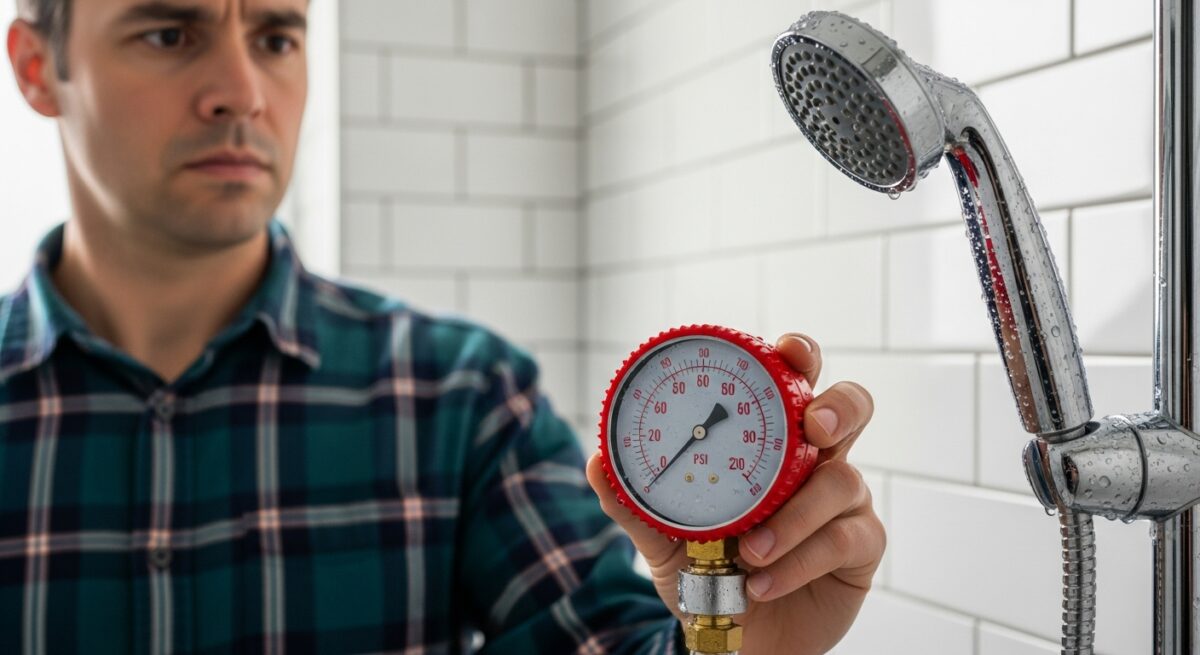
Understanding and Fixing Plumbing Pressure Problems
"*" indicates required fields
You turn on the shower and instead of a strong, steady stream, you get a disappointing trickle. Or maybe you hear a loud bang from your pipes when you shut off a faucet. These are classic signs of plumbing pressure problems, a common headache for homeowners that affects everything from your morning routine to your appliance’s lifespan. Getting your water pressure just right isn’t just about comfort,it’s crucial for the health of your entire plumbing system.
A Simple Breakdown of Plumbing Pressure Problems
Plumbing pressure problems occur when the force of the water flowing through your pipes is either too high or too low. Think of it like the blood pressure of your home’s plumbing. Just as your body needs balanced blood pressure, your pipes need balanced water pressure to function properly.
This pressure is typically measured in pounds per square inch (PSI). Most homes are designed to work best with water pressure between 40 and 60 PSI. When the pressure falls outside this “Goldilocks zone,” you start to notice issues that can range from annoying to damaging.
The Two Sides of the Pressure Coin
There are two main types of pressure problems. Low water pressure means weak flow from faucets and showerheads, making simple tasks take longer. High water pressure is less obvious but often more dangerous, putting excessive strain on pipes, fittings, and appliances, which can lead to leaks and premature failure.
Why It Matters for Homeowners
Ignoring water pressure issues is more than just putting up with a weak shower. Consistently low pressure can indicate a serious blockage or leak within your system, potentially hidden behind walls or under your foundation. This wastes water and money and can lead to significant structural damage over time.
High pressure is a silent threat. It stresses every connection in your plumbing, causing pinhole leaks, noisy pipes (water hammer), and dramatically shortening the life of your water heater, dishwasher, and washing machine. Fixing pressure problems protects your investment in your home and your appliances, ensuring they last for years to come.
Beyond preventing damage, correct water pressure is about daily comfort and efficiency. Good pressure means faster filling sinks and tubs, effective shower rinsing, and appliances that clean and perform as they were designed to. It’s a core component of a smoothly running household.
Don’t let inconsistent water pressure disrupt your home. Contact our licensed plumbers today for a precise pressure diagnosis and lasting solution. Call us now at (555) 123-4567.
Common Issues and Their Causes
Low water pressure rarely happens all at once. It often starts in one area, like a single faucet, or affects all fixtures on a specific floor. Common culprits include clogged aerators or showerheads from mineral buildup, partially closed shut-off valves, or corroded galvanized pipes that have narrowed over decades.
For whole-house low pressure, the problem could be with the municipal supply line or, more commonly, your home’s pressure regulator. This valve, usually located where the main water line enters your home, is designed to reduce high city pressure to a safe level for your pipes. When it fails, it can cause pressure to drop too low or, conversely, spike too high.
High water pressure is frequently caused by a failing pressure regulator or simply because your home never had one installed. In areas with high municipal pressure, this essential device is your first line of defense. Other causes can include thermal expansion in your water heater if your system lacks an expansion tank.
- Clogged Aerators/Filters: Mineral deposits in sink and shower fixtures.
- Failing Pressure Regulator: A worn-out valve can’t control incoming pressure.
- Corroded Pipes: Old galvanized steel pipes rust shut from the inside.
- Hidden Leaks: Water escaping from a pipe reduces flow elsewhere.
- Faulty Fixture Valves: The angle stops under sinks may not be fully open.
How Professionals Fix the Problem
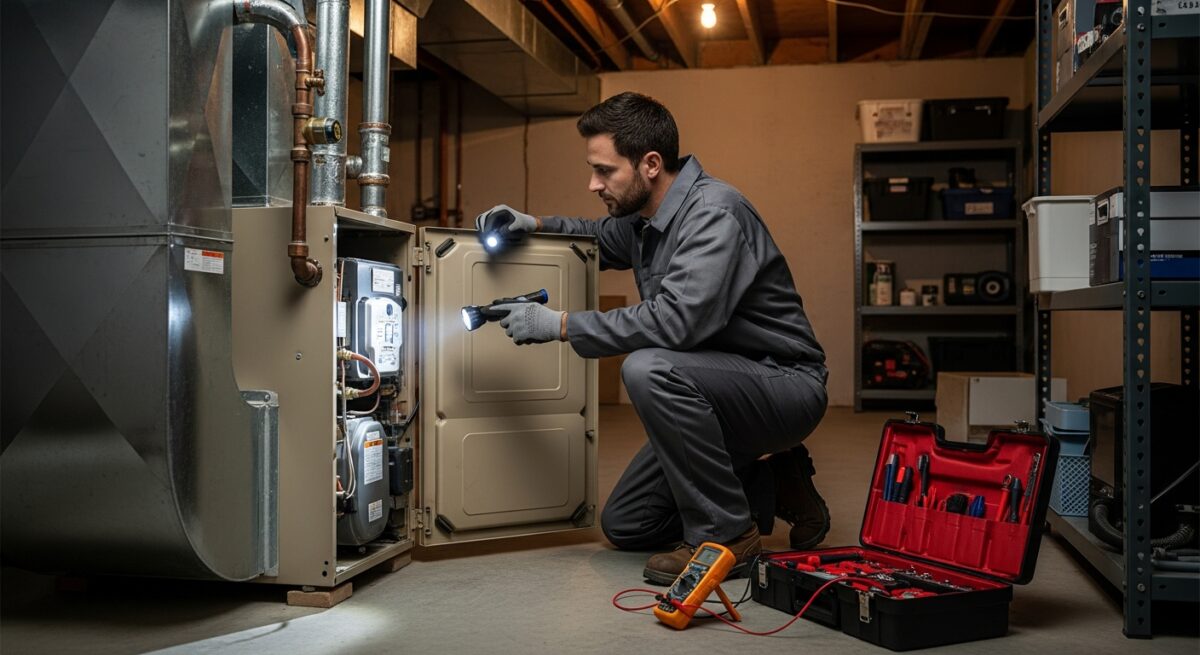
A professional plumber starts with a thorough diagnosis. Using a simple pressure gauge attached to an outdoor hose bib or laundry faucet, they will measure your home’s static and dynamic water pressure. This tells them if the issue is with the incoming supply or within your home’s plumbing system.
For low pressure, the fix might be as simple as cleaning aerators, replacing cartridge filters in shower valves, or ensuring all shut-off valves are fully open. For more complex issues like corroded pipes, a professional may recommend repiping a section of your home or the entire house with modern materials like copper or PEX.
High pressure is typically resolved by adjusting or replacing the pressure reducing valve (PRV). If thermal expansion is the issue, installing or checking an expansion tank on the water heater line will prevent dangerous pressure spikes. The process is precise, ensuring your system operates safely within the manufacturer’s specifications.
- Diagnostic Test: Measure pressure at multiple points to pinpoint the issue.
- Fixture Check: Inspect and clean aerators, showerheads, and valve cartridges.
- System Repair/Replacement: Repair leaks, replace a faulty PRV, or address pipe corrosion.
- Final Verification: Test pressure again to confirm the repair is successful and safe.
Ready for water pressure you can rely on? Schedule your pressure evaluation with our expert team. We provide clear explanations and upfront pricing. Call (555) 123-4567 to book.
Signs You Should Not Ignore
Some pressure problems are obvious, while others are subtle. A sudden, dramatic drop in pressure throughout the house could signal a major break in the main water line or a serious issue with the municipal supply. This requires immediate professional attention.
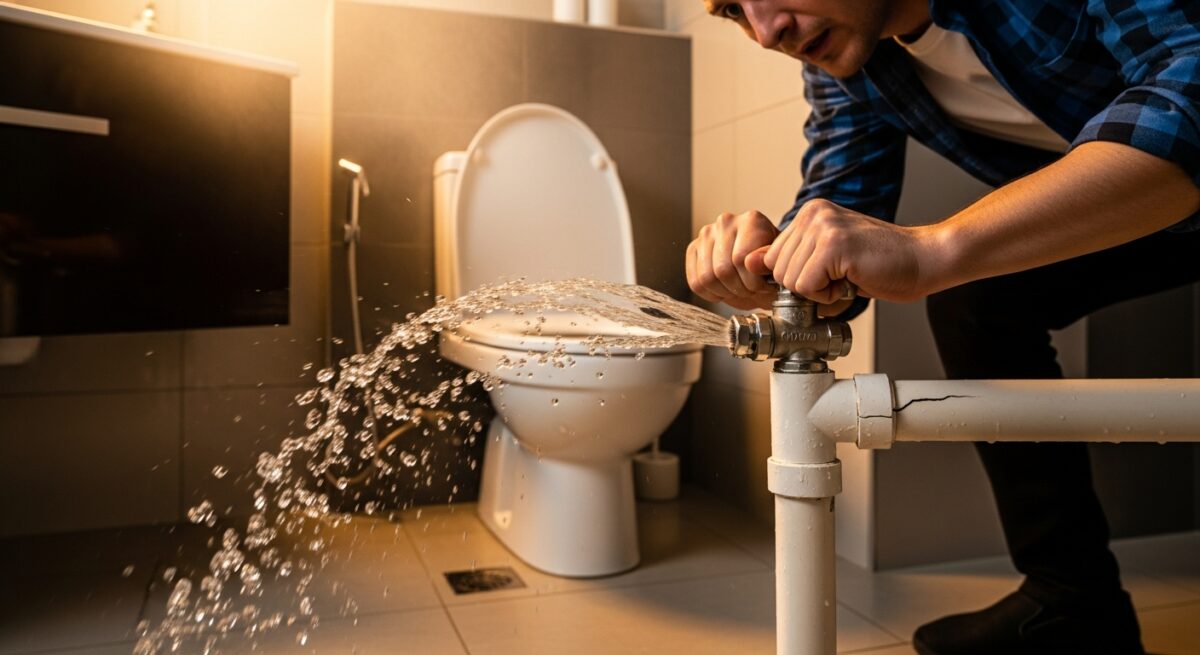
Listen to your pipes. Loud banging or knocking sounds, known as water hammer, when you quickly turn off a faucet is a classic sign of excessively high pressure. This shockwave can damage joints and connections over time. Similarly, if your toilet fill valves shut off with a loud screech or bang, pressure is likely too high.
Keep an eye on appliance performance and longevity. If your water heater’s relief valve is frequently dripping, or if you’re replacing washing machine hoses, dishwasher valves, or other water-connected appliance parts more often than expected, high pressure is a likely suspect.
- Weak or Sputtering Flow: From multiple faucets, especially on upper floors.
- Water Hammer: Loud banging in walls when faucets are shut off quickly.
- Leaking Relief Valves: On your water heater or boiler.
- Frequent Appliance Failure: Premature wear on hoses, valves, and connections.
- Unexpectedly High Water Bills: Can indicate a hidden leak from high-pressure stress.
Cost Factors and What Affects Pricing
The cost to fix a pressure problem depends entirely on the root cause. A simple service call to clean aerators and check valves is very affordable. Replacing a pressure reducing valve (PRV) is a more involved repair but is a standard, mid-range job that solves the issue for most homes with high pressure.
Major repairs, like repiping a home to replace corroded galvanized lines, represent a significant investment. However, this is often a permanent solution that improves pressure, water quality, and home value. The materials used (copper vs. PEX), the accessibility of your pipes, and the size of your home all factor into the final price.
An honest professional will always provide a detailed estimate after diagnosis. Investing in the correct fix prevents recurring service calls and protects your home from the far greater cost of water damage, making it a wise long-term decision for your property.
Worried about the cost of a pressure fix? Get a free, no-obligation estimate. We believe in transparent pricing and solutions that fit your budget and needs. Dial (555) 123-4567 now.
How To Choose the Right Professional or Service
Always choose a licensed and insured plumbing professional. This protects you and ensures the technician has the required training to work on your home’s critical systems. A license is your assurance of quality and adherence to local building codes.
Look for a company with strong reviews and a reputation for clear communication. They should be willing to explain the problem, your options, and the pricing in terms you understand. Avoid anyone who insists on a major repair without first performing a basic diagnostic test like a pressure check.
A trustworthy plumber will offer a warranty on both parts and labor. They should also be able to provide references or examples of similar work. Your goal is to find a partner you can trust for this repair and any future plumbing needs.
Long-Term Benefits for Your Home
Correcting your water pressure is an investment in your home’s future. Proper pressure eliminates stress on your entire plumbing infrastructure, preventing leaks and pipe bursts that can cause catastrophic water damage. This peace of mind is invaluable.
Your appliances will run more efficiently and last longer, saving you money on early replacements and high utility bills. You’ll also enjoy the daily comfort of reliable, strong water flow in every faucet and shower, enhancing your quality of life at home.
Ultimately, a well-balanced plumbing system maintains your property’s value. It’s a sign of a well-maintained home and prevents minor issues from escalating into major, expensive emergencies down the road.
What is considered normal water pressure for a house?
Most homes operate best with water pressure between 40 and 60 PSI (pounds per square inch). Pressure above 80 PSI is considered too high and can damage your plumbing fixtures and appliances.
Can I test my home’s water pressure myself?
Yes, you can use an inexpensive pressure gauge from a hardware store. Simply screw it onto an outdoor hose bib or a laundry faucet, ensure no other water is running in the house, and turn on the faucet. The gauge will display your static pressure.
What is a pressure reducing valve (PRV), and do I need one?
A PRV is a device installed on your main water line that reduces high incoming municipal pressure to a safe level for your home’s plumbing. If your pressure reads consistently above 80 PSI, you likely need one installed or your existing valve may need adjustment or replacement.
Why is my water pressure low in only one shower or faucet?
This is almost always a localized issue. The most common cause is a clogged aerator (on a sink) or a clogged showerhead from mineral buildup. The cartridge inside the faucet or shower valve could also be failing and need replacement.
What causes loud banging pipes when I turn off the water?
This is called “water hammer.” It’s caused by a shockwave from suddenly stopping fast-moving water in high-pressure pipes. It can often be fixed by adjusting the main pressure, installing water hammer arrestors, or securing loose pipes.
Can low water pressure be caused by a leak?
Absolutely. A significant leak in your main water line or a major pipe inside your home will divert water away from your fixtures, resulting in lower pressure everywhere. A sudden, unexplained drop in pressure is a key sign of a possible leak.
How often should I check my water pressure?
It’s a good practice to check it once a year. Seasonal changes and municipal work can affect supply pressure. Regular checks help you catch a failing pressure regulator before it causes damage.
Will fixing low pressure increase my water bill?
Not if the fix addresses the root cause, like a clog or a leak. In fact, fixing a leak will lower your bill. Restoring proper pressure improves efficiency, so you use less water to complete tasks like filling a pot or rinsing dishes.
Water pressure problems don’t fix themselves and often worsen over time. Whether you’re dealing with a frustrating trickle or the hidden danger of excessive force in your pipes, taking proactive steps with a trusted professional is the key to safeguarding your home. You deserve a plumbing system that works reliably and efficiently for years to come.

About Alex Carter
"*" indicates required fields