Tub vs Shower: A Practical Guide for Your Bathroom Remodel
"*" indicates required fields
You stand in your bathroom, looking at the old tub-shower combo that came with the house. The enamel is chipped, the grout is discolored, and you can’t remember the last time you actually took a bath. Every morning, you step over the high tub wall for a quick shower, thinking about safety and convenience. This common dilemma,choosing between a tub, a shower, or a combination,is more than just a style preference. It’s a decision that affects your daily routine, your home’s value, and even your safety. Ignoring an outdated or dysfunctional bathing area can lead to water damage, increased utility costs, and a space that simply doesn’t work for your life anymore.
Understanding Tub vs Shower Comparison
Choosing between a bathtub and a standalone shower is one of the most significant decisions in a bathroom remodel. It’s about balancing personal needs, space constraints, and long-term home value. This comparison goes beyond just picking a fixture; it involves evaluating how you use your bathroom every single day.
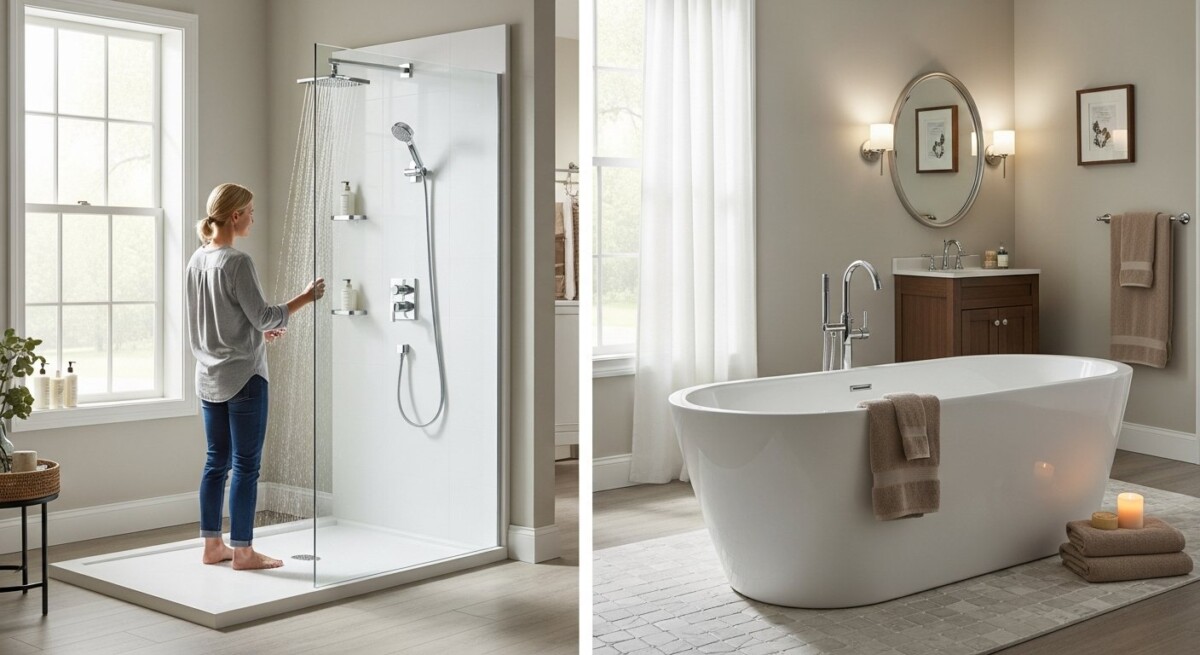
For many homeowners, the traditional tub-shower combo feels like a compromise that doesn’t excel at either function. A dedicated shower can offer a more spacious, accessible, and luxurious washing experience. A freestanding tub can become a relaxing centerpiece for soaking. The right choice depends entirely on your household’s lifestyle, the users of the bathroom, and your future plans for the home.
Who is Most Affected by This Choice?
Young families often prioritize a bathtub for bathing children and pets. Empty-nesters or aging homeowners frequently lean towards a walk-in shower for its safety and accessibility. Anyone in a home with only one bathroom faces a particularly tricky decision, as that single space must meet all possible needs for residents and guests.
Why This Matters for Your Home
Your bathing area is one of the hardest-working spots in your house. It’s used multiple times a day and is constantly exposed to water and steam. Making the wrong choice, or delaying an update to a failing unit, can have real consequences for your property and your wallet.
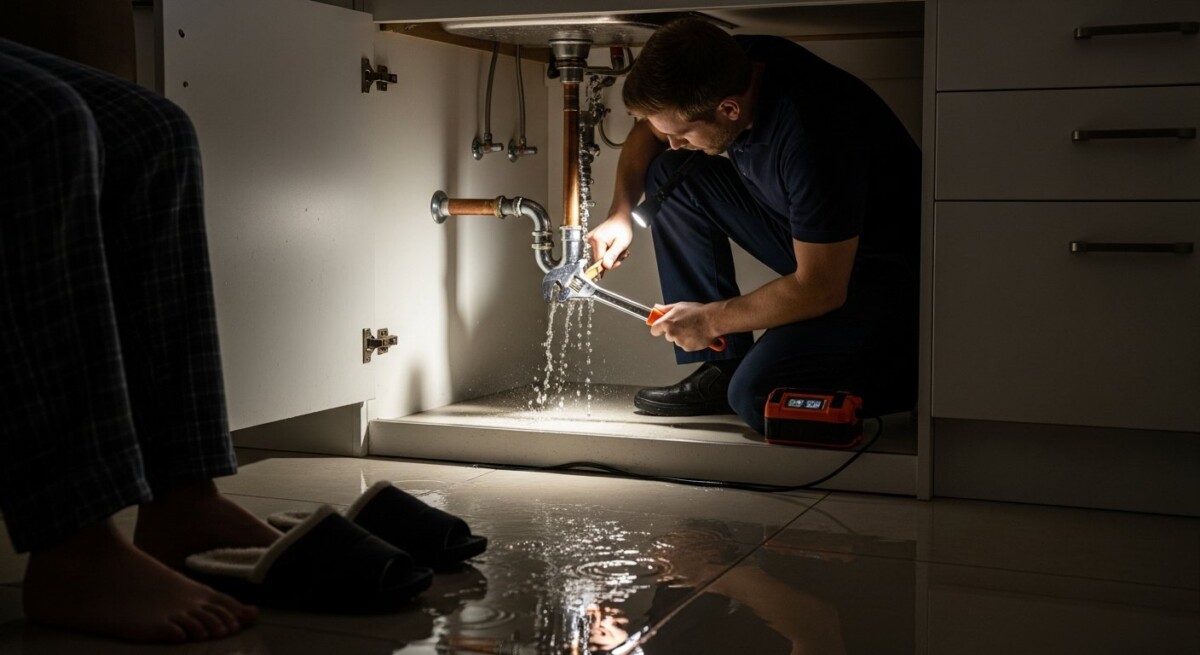
A poorly functioning or leaking tub or shower can cause hidden water damage to subfloors, walls, and even the structural framing of your home. This mold and rot can be extremely costly to repair. Furthermore, an outdated or unsafe bathing area can be a major deterrent for potential buyers if you decide to sell, directly impacting your home’s market value and appeal.
If you notice signs of this issue in your home, it may help to speak with a qualified contractor. Request a free quote or call to explore your repair or remodeling options.
Common Problems Homeowners Experience
Many homeowners live with bathing areas that are functional but far from ideal. The problems often start small but gradually become a daily source of frustration. You might be dealing with a combination of aesthetic issues and practical shortcomings that make your bathroom feel dated and inefficient.
These problems often stem from aging materials, poor original installation, or a layout that no longer suits your needs. For example, a shallow or uncomfortable tub offers a poor bathing experience, while a cramped shower stall can feel claustrophobic. Understanding these common pain points is the first step toward creating a bathroom that truly works for you.
- Cracked or Stained Porcelain/Enamel: Surfaces become difficult to clean and can harbor bacteria.
- Leaky Faucets or Showerheads: Wastes water and can indicate deeper plumbing issues.
- High Tub Walls: Create a tripping hazard and are difficult for children, pets, or those with mobility issues to navigate.
- Inadequate Water Pressure or Temperature Control: Makes for an unpleasant showering experience.
- Moldy Grout or Caulking: Looks unsightly and can affect indoor air quality.
- Outdated or Inefficient Design: Wastes space, lacks storage, and doesn’t reflect modern tastes.
How Professionals Solve the Problem
A professional bathroom remodeling contractor doesn’t just swap out an old tub for a new one. They provide a comprehensive solution that addresses plumbing, waterproofing, structural support, and design. Their expertise ensures the job is done correctly the first time, preventing the costly callbacks and repairs that often follow DIY attempts or poor workmanship.
The process begins with a detailed consultation to understand your needs, budget, and the constraints of your space. A professional will assess the existing plumbing, check for hidden damage, and help you navigate material selections that balance beauty, durability, and maintenance. They handle the complex tasks of demolition, waterproofing (a critical step to prevent leaks), precise installation, and final finishing.
- Consultation & Design: Discussing your needs, taking measurements, and creating a plan.
- Careful Demolition: Removing the old unit while protecting the rest of your home from dust and debris.
- Assessment & Preparation: Inspecting the subfloor and walls for damage, making necessary repairs, and installing proper waterproofing membranes.
- Rough-In Plumbing: Adjusting water supply and drain lines to fit the new fixture’s specifications.
- Installation: Setting the new tub or shower base, ensuring it is perfectly level and secure.
- Finishing: Installing walls, tile, surround, fixtures, and sealing all joints with high-quality caulk.
- Final Inspection & Clean-Up: Testing all functions and leaving your bathroom ready to use.
A professional inspection can reveal hidden issues before they become expensive repairs. Compare contractor quotes here or call to discuss your project.
Warning Signs You Should Not Ignore
Your bathroom often gives you clear signals when it’s time for an update. While some signs are cosmetic, others point to underlying problems that could lead to significant damage. Paying attention to these warnings and acting early can save you from a major emergency repair down the line.
Ignoring these signs often allows small issues to escalate. A small leak behind a wall can slowly rot wooden studs. Cracked tile or grout can allow water to seep into the substrate. Addressing problems promptly not only protects your home’s structure but also gives you the opportunity to plan a thoughtful remodel rather than being forced into a rushed, emergency replacement.
- Soft or Spongy Flooring around the tub or shower, indicating water damage below.
- Persistent Mold or Mildew that returns quickly after cleaning.
- Cracks in the Tub, Shower Pan, or Tiles.
- Stains on the Ceiling of the room directly below the bathroom.
- Difficulty Getting In or Out of the tub safely.
- Visible Rust on fixtures or around the drain.
What Affects the Cost of Repairs or Installation
The cost of converting or replacing your tub or shower isn’t a single number. It’s influenced by a variety of factors specific to your home and your choices. Understanding these variables helps you set a realistic budget and make informed decisions about where to invest.
Labor is a significant portion of the cost, as a proper installation is skilled work. The choice of materials,from a basic acrylic shower kit to a custom-tiled walk-in shower with multiple showerheads,also creates a wide price range. The condition of your existing plumbing and the need to bring it up to current code can add to the project scope. For a detailed breakdown of potential expenses, our guide on bathtub installation cost explores the financial considerations in depth.
Costs can vary depending on the condition of your home. The best way to know the price is to get a personalized estimate. Request free quotes from contractors or call today.
How to Choose the Right Contractor
Selecting the right professional is the most important step in ensuring a successful bathroom remodel. A reputable contractor brings peace of mind, quality craftsmanship, and project management skills that transform a stressful process into a smooth experience. They will guide you through the entire journey, from initial concept to final cleanup.
Look for a contractor who specializes in bathrooms, as they will understand the unique challenges of plumbing, ventilation, and waterproofing in wet environments. They should be willing to listen to your ideas, provide clear communication, and offer a detailed, written contract. Don’t hesitate to ask for references and to see examples of their completed work.
- Verify Licenses and Insurance: Ensure they are properly licensed for plumbing and construction and carry liability and workers’ compensation insurance.
- Check Reviews and Portfolio: Read online testimonials and ask to see photos of past tub and shower projects similar to yours.
- Get Detailed, Written Estimates: Compare quotes that break down costs for materials, labor, and timeline. Beware of bids that seem unusually low.
- Ask About the Process: A good contractor will clearly explain their workflow, who will be in your home, and how long each phase will take.
- Communicate Clearly: Choose someone who answers your questions patiently and keeps you informed throughout the project.
Long-Term Benefits of Professional Work
Investing in a professional tub or shower installation pays dividends for years to come. It’s not just about immediate aesthetics; it’s about creating a durable, efficient, and safe part of your home that enhances your daily life and protects your investment. Quality workmanship stands the test of time and use.
A properly installed and waterproofed shower or tub will prevent leaks that cause structural damage, saving you thousands in future repairs. It also improves the functionality and safety of your bathroom, which is especially important as households age. Furthermore, a well-executed bathroom remodel consistently offers one of the highest returns on investment when it comes time to sell your home, often recouping a significant percentage of the project cost.
How Often Should I Deep Clean My Shower Drain?
It’s a good practice to clean your shower drain monthly with a simple baking soda and vinegar solution to prevent buildup. For persistent, slow drains or recurring clogs, this may indicate a deeper blockage in your pipes. In such cases, professional hydro jetting services can thoroughly clear the line and restore proper flow.
Can I Convert My Tub to a Shower Without Moving Plumbing?
In many cases, yes. A common and cost-effective remodel is a tub-to-shower conversion where the new shower base is installed in the same footprint as the old tub. This typically uses the existing drain and water supply lines, minimizing plumbing relocation costs and simplifying the project.
Will Removing My Only Tub Hurt My Home’s Resale Value?
It can, depending on your local market. Many buyers, especially those with young children or who simply prefer baths, expect at least one bathtub in the home. If you have only one bathroom, converting the tub to a shower may limit your buyer pool. A strategic compromise is installing a stylish, deep soaking tub or a spacious shower-tub combo.
What is the Most Durable Material for a Shower Base?
Solid surface materials like engineered quartz or cast polymer are extremely durable, non-porous, and low-maintenance. High-quality acrylic and fiberglass bases are also durable and cost-effective. For a truly custom look, a properly constructed and waterproofed mortar bed with tile is a classic, long-lasting choice.
How Long Does a Typical Tub or Shower Installation Take?
For a straightforward replacement in an accessible space, a professional crew can often complete the job in 2-4 days. A more complex conversion, custom tile work, or addressing unforeseen structural issues can extend the timeline to 1-2 weeks. Your contractor should provide a clear schedule upfront.
Is a Walk-In Shower Considered an Accessibility Feature?
Yes, a curbless or low-threshold walk-in shower is a key component of accessible or “aging-in-place” design. It eliminates the trip hazard of a tub wall and can accommodate a bench and grab bars. Even if you don’t need these features now, they add universal appeal and future-proof your home.
What’s Involved in a Bathtub Replacement?
Replacing a bathtub involves carefully removing the old unit, inspecting and preparing the alcove, setting and leveling the new tub, connecting the drain and overflow, and finishing the walls and surround. The process requires precision to ensure a watertight seal. For a complete overview, see our detailed guide to bathtub replacement.
Do I Need a Permit to Replace My Tub or Shower?
Most municipalities require a permit for bathroom remodeling that involves plumbing work. A reputable contractor will handle pulling all necessary permits, which ensures the work is inspected and meets local building codes for safety and sanitation. This protects you as the homeowner.
Choosing between a tub and a shower is a significant decision that impacts your comfort, safety, and home’s value. By understanding the common problems, recognizing warning signs, and appreciating the value of professional work, you can make a confident choice. Don’t let indecision or worry about cost lead to prolonged use of an unsafe or inefficient bathroom. The most practical first step is to gather information specific to your home. Comparing detailed quotes from experienced, local contractors will give you a clear picture of your options, costs, and the potential to create a bathroom that perfectly suits your life for years to come.