Toilet Replacement Signs: A Homeowner’s Guide
"*" indicates required fields
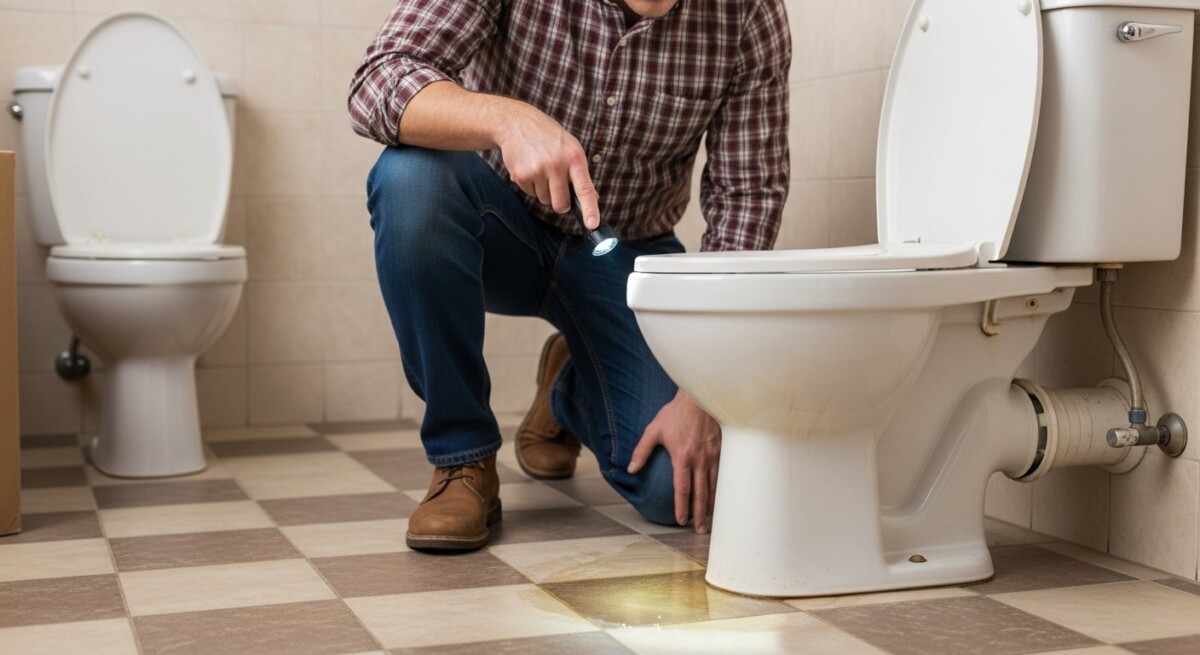
You notice a small, persistent puddle of water at the base of your toilet. Or maybe you find yourself jiggling the handle more often to stop the constant sound of running water. These small annoyances are easy to ignore, but they might be the first whispers of a bigger problem. Ignoring the signs that your toilet needs replacing can lead to costly water damage, higher utility bills, and even structural issues in your home.
Understanding Toilet Replacement Signs
Toilet replacement signs are the clear indicators that your toilet is failing or has reached the end of its reliable lifespan. Like any other fixture in your home, toilets wear out over time. Constant use, mineral buildup, and simple aging can cause parts to crack, seals to fail, and mechanisms to break down.
This can happen in any home, but it’s especially common in older houses where the original fixtures have been in use for decades. Even newer toilets can show problems if they were installed incorrectly or are made from subpar materials. Recognizing these signs early is the key to preventing a minor issue from becoming a major home repair.
Why This Matters for Your Home
Your toilet is more than just a convenience; it’s a critical component of your home’s plumbing system. When it starts to fail, the risks go far beyond simple inconvenience. A leaking toilet can silently damage your subfloor, leading to soft spots, mold growth, and even ceiling damage in the room below.
Persistent leaks also waste a tremendous amount of water, which you’ll see reflected in your monthly water bill. Furthermore, a toilet that rocks or is improperly secured can become a safety hazard. Addressing these issues promptly protects your home’s value, your family’s safety, and your wallet from escalating repair costs.
If you notice signs of this issue in your home, it may help to speak with a qualified contractor. Request a free quote or call to explore your repair or remodeling options.
Common Problems Homeowners Experience
Homeowners often face a range of frustrating and sometimes confusing toilet issues. Many start as minor quirks that slowly worsen over weeks or months. You might adjust to the constant sound of running water or the occasional need for a plunger, not realizing these are symptoms of a deeper problem.
These common issues typically point to worn-out internal parts, failing seals, or damage to the toilet itself. Just as with other home systems, early detection is crucial. For instance, the warning signs for a failing toilet share a similar urgency with early sewer line repair signs, where ignoring small symptoms can lead to major, disruptive repairs.
- Constant running or ghost flushing, where the toilet refills on its own.
- Visible cracks in the porcelain, especially around the base or tank.
- A toilet that rocks or feels unstable when you sit on it.
- Frequent clogs that a plunger can barely resolve.
- Water constantly seeping out from around the base.
- Needing multiple flushes to clear the bowl completely.
How Professionals Solve the Problem
A professional plumber or remodeling contractor brings expertise and efficiency to a toilet replacement project. They don’t just swap out the fixture; they diagnose the root cause of the failure. This ensures the new toilet is installed correctly on a sound, level base with proper seals to prevent future leaks.
The process is methodical and designed to protect your bathroom. A typical professional toilet installation involves several key steps to ensure a long-lasting result.
- Assessment and Removal: The contractor turns off the water supply, drains the old toilet, and carefully removes it to inspect the flange and floor underneath for damage.
- Preparation: They clean the area thoroughly, replace the wax ring seal, and make any necessary repairs to the floor or plumbing flange.
- Installation: The new toilet is set in place, leveled, and securely bolted down. All connections are tightened, and a new water supply line is often installed.
- Testing and Cleanup: The water is turned back on, the toilet is flushed repeatedly to check for leaks and proper operation, and the area is cleaned up completely.
A professional inspection can reveal hidden issues before they become expensive repairs. Compare contractor quotes here or call to discuss your project.
Warning Signs You Should Not Ignore
Some toilet problems are mere annoyances, but others are red flags demanding immediate attention. Knowing the difference can save you from a disastrous leak or a catastrophic failure. The most critical signs are those that indicate active water damage or a risk of the toilet coming loose.
Acting quickly when you see these signs can prevent the kind of extensive water damage that affects not just your bathroom but the underlying structure of your home. This proactive approach is similar to addressing HVAC repair signs early, where timely action prevents system failure and protects your home’s comfort and air quality.
- Water on the floor: Any persistent moisture around the base is a sure sign of a failed seal.
- Cracks in the porcelain: Even hairline cracks can suddenly give way, causing a major flood.
- Persistent rocking or movement: This means the toilet is not secured to the floor, which can break the seal and the drain pipe.
- Sewage odors: A bad smell can indicate a broken seal allowing sewer gases to escape.
- Repeated clogs: This often points to poor drain flow or a problem deeper in the line.
- Age: If your toilet is over 25 years old, it’s inefficient and more prone to failure.
What Affects the Cost of Repairs or Installation
The cost to replace a toilet isn’t a single fixed price. Several factors influence the final estimate, which is why getting a personalized quote is so important. The primary cost drivers are the toilet fixture itself and the labor required for installation.
Additional work can add to the project cost. If the old toilet has been leaking for a long time, the subfloor or the plumbing flange (the pipe fitting that connects the toilet to the drain) may be rotted or damaged and need repair. The accessibility of the bathroom and the age of your home’s plumbing can also affect the complexity and price of the job.
Costs can vary depending on the condition of your home. The best way to know the price is to get a personalized estimate. Request free quotes from contractors or call today.
How to Choose the Right Contractor
Selecting the right professional is just as important as deciding to replace the toilet. A skilled, reputable contractor will ensure the job is done correctly the first time, providing peace of mind and protecting your investment. Start by looking for licensed and insured professionals with specific experience in bathroom plumbing.
Don’t hesitate to ask questions and get everything in writing. A detailed estimate protects both you and the contractor by outlining the scope of work, materials to be used, and the total cost. This clarity is essential for any home project, much like when dealing with more complex issues such as damaged sewer pipes, where a clear plan is necessary for a successful outcome.
- Verify they are licensed, bonded, and insured for plumbing work.
- Read online reviews and ask for references from past clients.
- Obtain a detailed, written estimate that includes labor, materials, and cleanup.
- Compare quotes from at least two or three different contractors.
- Ask about their warranty on both parts and labor.
Long-Term Benefits of Professional Work
Investing in a professional toilet replacement pays dividends long after the job is done. A properly installed toilet functions efficiently and reliably for years, eliminating the worry of leaks and the hassle of constant repairs. You’ll enjoy the immediate benefit of a fixture that works perfectly every time.
Beyond convenience, a new, water-efficient toilet can significantly reduce your household water consumption, saving you money on every utility bill. This upgrade also enhances your home’s value and appeal, as modern, functional bathrooms are a key selling point for potential buyers. Ultimately, professional work provides durability, efficiency, and security for your home.
How do I know if I need a repair or a full replacement?
Minor issues like a faulty flapper or fill valve can often be repaired. However, if you see cracks, persistent leaks from the base, or the toilet is very old and inefficient, a full replacement is usually the more reliable and cost-effective long-term solution. A professional can assess which option is best for your situation.
Can I replace a toilet myself?
While it is a common DIY project, it involves heavy lifting, proper sealing to prevent leaks, and correctly connecting to your home’s plumbing. A mistake can lead to costly water damage. For most homeowners, hiring a professional ensures a safe, correct, and warrantied installation.
How long does a toilet replacement take?
A professional can typically remove an old toilet and install a new one in about one to two hours, assuming no unforeseen complications like floor damage. The entire process, from their arrival to cleanup, usually takes half a day or less.
What is the average lifespan of a toilet?
A well-maintained toilet can last 50 years or more. However, the internal parts (like flappers and fill valves) wear out much sooner, often needing replacement every 5-10 years. Older toilets also use much more water than modern, efficient models.
Will a new toilet really save me money on water?
Absolutely. Toilets made before 1994 use 3.5 to 7 gallons per flush. Modern WaterSense-labeled models use 1.28 gallons or less. Replacing an old toilet with an efficient one can save a family of four thousands of gallons of water per year, significantly reducing your water bill.
What should I do if my toilet is leaking from the base?
First, stop using the toilet immediately. The wax ring seal has likely failed. Clean up any water and call a plumber. Continuing to use it can cause serious water damage to your floor and ceiling below.
Paying attention to the signs your toilet gives you is a simple way to protect your home from water damage and unnecessary expense. Addressing small problems early prevents them from growing into major, disruptive repairs. If you’re noticing any of the warning signs discussed, the most practical step is to consult with a professional. Getting a few quotes will give you a clear understanding of your options and costs, empowering you to make the best decision for your home and budget.

About Alex Carter
"*" indicates required fields