
Tankless Water Heater Pros and Cons: What to Know
Evaluate tankless water heater benefits like endless hot water and energy savings, plus costs and installation factors, to decide if it's right for your home.

By Margaret Lowe
Learn more about Water Heater Installation or Replacement for guides, costs, and what to expect.
Compare Water Heater Installation or Replacement Pros Near You

Enter your ZIP code to compare top-rated local professionals and request free quotes.
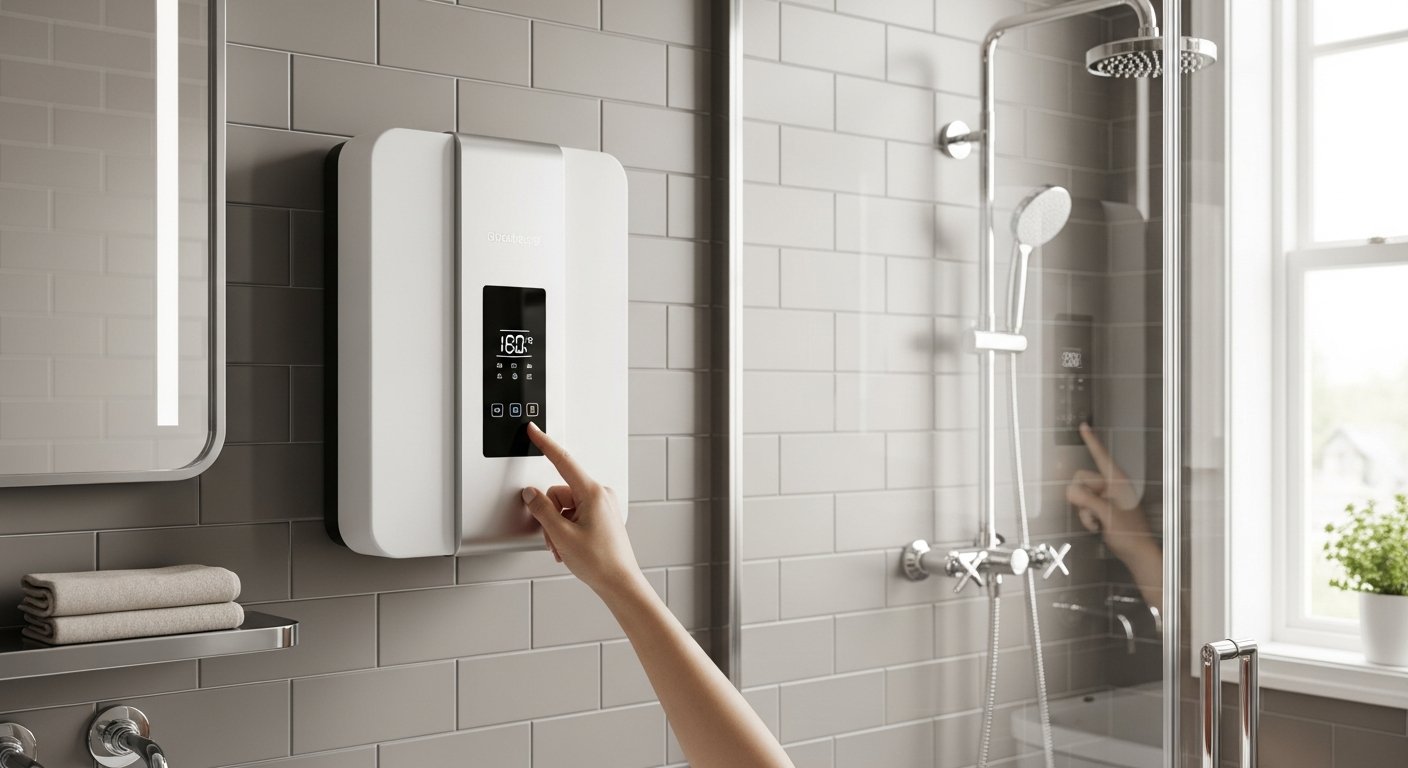
Imagine stepping into a warm shower on a cold morning, only to have the water turn icy within minutes. For many homeowners, this is a familiar frustration caused by a traditional storage tank water heater running out of hot water. A tankless water heater, also known as an on-demand water heater, offers a solution by heating water directly as it flows through the unit, eliminating the need for a storage tank entirely. This technology promises endless hot water, greater energy efficiency, and significant space savings, making it an attractive option for modern home renovations.
However, switching to a tankless system is not a simple one-to-one swap. It involves higher upfront costs, potential electrical or gas line upgrades, and a different approach to maintenance. Understanding the full picture, including installation requirements, long-term savings, and performance limitations, is crucial before making a decision. This guide will walk you through everything you need to know about tankless water heaters, helping you determine if this investment aligns with your home's needs and your family's lifestyle.
How a Tankless Water Heater Works
Unlike conventional water heaters that constantly heat and reheat a 40 to 50 gallon tank of water, a tankless unit operates only when you turn on a hot water tap. Cold water travels through a pipe into the unit, where either a gas burner or an electric element heats it instantly. This process delivers a continuous supply of hot water, which means you never have to wait for a tank to refill or reheat.
The key advantage here is efficiency. Traditional tanks experience standby heat loss, where energy is wasted keeping water hot when no one is using it. Tankless systems eliminate this standby loss entirely, which is why they are generally 24% to 34% more energy efficient than storage tank models for homes that use less than 41 gallons of hot water daily. For households using more water, the efficiency gain is still significant, though slightly lower.
Key Benefits of Going Tankless
Making the switch to a tankless water heater offers several compelling advantages that go beyond simple energy savings. Homeowners who prioritize comfort, space, and longevity often find these benefits to be transformative.
- Endless hot water supply: You can take back-to-back showers, run the washing machine, and use the dishwasher simultaneously without worrying about running out of hot water.
- Space savings: The unit is compact, typically mounted on a wall, freeing up valuable floor space in your garage, basement, or utility closet for storage or other uses.
- Longer lifespan: Tankless water heaters generally last 20 years or more, compared to 10 to 15 years for traditional tank models, offering better long-term value.
- Lower operating costs: Reduced energy consumption translates directly into lower monthly utility bills, which can offset the higher initial purchase price over time.
- Reduced risk of water damage: Because there is no tank to leak, the risk of a catastrophic flood from a ruptured storage tank is virtually eliminated.
These benefits make tankless systems particularly appealing for families who value convenience and for homeowners planning a remodel where space is at a premium. However, it is important to weigh these advantages against the realities of installation costs and performance limitations.
Installation Considerations and Costs
The most significant barrier for many homeowners is the upfront cost. A tankless water heater itself can cost anywhere from $800 to $1,500 or more, but the total installation expense often ranges from $2,000 to $4,500, depending on the complexity of the job. This higher price tag is largely due to the need for professional installation, which may involve upgrading your home's gas supply line, venting system, or electrical panel to handle the unit's demands.
For gas models, you may need a larger gas line to deliver sufficient fuel, and proper venting is essential to safely expel combustion gases. Electric models, on the other hand, often require a dedicated 240-volt circuit and may need an electrical panel upgrade, which can add significantly to the cost. Before you commit, it is wise to have a licensed plumber or electrician assess your current infrastructure. If you're already planning a major renovation, such as a kitchen or bathroom remodel, integrating a tankless system during this phase can reduce labor costs and disruption.
When budgeting, remember to factor in potential rebates and incentives. Many utility companies and local governments offer rebates for installing high-efficiency water heaters, which can offset some of the expense. Be sure to research what's available in your area, as these programs can make the switch more affordable.
Performance and Flow Rate Limitations
While the idea of endless hot water is appealing, a tankless water heater has a critical limitation: its flow rate. The unit can only heat a certain volume of water per minute, typically measured in gallons per minute (GPM). If you exceed this rate, the water temperature will drop, defeating the purpose of the system.
For example, a standard shower uses about 2.5 GPM, and a running faucet uses about 1.0 GPM. If you have a 5 GPM unit, you can run two showers and a faucet simultaneously, but adding a third shower might cause the water to cool. To avoid this, you need to choose a unit with a flow rate that matches your household's peak demand. This calculation should account for the number of bathrooms, the number of people, and your typical usage patterns. If you have a large family or frequently use multiple appliances at once, you may need a higher-capacity unit or consider installing multiple tankless heaters for different zones of your home.
Energy Efficiency and Environmental Impact
One of the primary reasons homeowners choose a tankless water heater is its energy efficiency. By eliminating standby heat loss, these units use less energy to produce the same amount of hot water. This translates to a lower carbon footprint and reduced energy bills, which is a significant win for both your wallet and the environment.
Gas-powered tankless heaters are generally more efficient than electric models, but they still produce greenhouse gas emissions. Electric units, especially those powered by solar or renewable energy, offer a cleaner alternative. When comparing models, look for the Energy Factor (EF) or Uniform Energy Factor (UEF) rating. The higher the rating, the more efficient the unit. For example, a tankless gas heater with a UEF of 0.95 is highly efficient, whereas a standard tank heater might have a UEF of 0.60.
Long-term savings can be substantial. According to the U.S. Department of Energy, a tankless water heater can save a typical family $100 or more per year in energy costs, depending on water usage. Over the unit's 20-year lifespan, this can add up to thousands of dollars in savings, making the higher upfront investment worthwhile in the long run.
Maintenance and Lifespan
Proper maintenance is essential to ensure your tankless water heater operates efficiently and lasts as long as possible. Unlike tank models, which may require periodic flushing to remove sediment, tankless units need regular descaling to prevent mineral buildup, especially in areas with hard water. This process involves running a vinegar or descaling solution through the system to dissolve scale that can impair performance.
It is generally recommended to flush your tankless water heater once a year, though more frequent maintenance may be needed if you have hard water. You can hire a professional to perform this service, or if you are handy, you can do it yourself with a descaling kit. Neglecting maintenance can lead to reduced efficiency, higher energy bills, and eventually, premature failure.
When properly maintained, a tankless water heater can last 20 years or more, compared to 10 to 15 years for a traditional tank. This longer lifespan is a key reason why many homeowners view the higher upfront cost as a worthwhile investment. In our guide on water heater repair and reliable hot water, we discuss common issues and maintenance tips that apply to both tank and tankless systems.
Comparing Tankless vs. Traditional Tank Heaters
To make an informed decision, it helps to see the differences side by side. The table below summarizes the key distinctions between tankless and traditional tank water heaters, highlighting the trade-offs in cost, efficiency, and performance.
- Initial cost: Tankless units are significantly more expensive upfront, including installation, while tank heaters are more budget-friendly.
- Energy efficiency: Tankless heaters are 24% to 34% more efficient, reducing long-term energy bills.
- Lifespan: Tankless units last 20 years or more, while tank models last 10 to 15 years.
- Hot water supply: Tankless provides endless hot water, while tank heaters can run out.
- Space: Tankless units are compact and wall-mounted, saving valuable floor space.
These factors show that the right choice depends on your priorities. If you value long-term savings, space efficiency, and never running out of hot water, a tankless system is an excellent investment. If your budget is tight and you have a smaller household, a traditional tank heater may be more practical.
Is a Tankless Water Heater Right for Your Home?
Deciding whether to install a tankless water heater involves evaluating your household's hot water needs, your budget, and your home's existing infrastructure. Start by calculating your peak hot water usage. Consider how many people live in your home and how many fixtures you might use simultaneously. If you have a large family or frequently host guests, the endless supply of a tankless system can be a game-changer.
Next, assess your financial capacity. The higher upfront cost can be a barrier, but if you plan to stay in your home for more than five years, the energy savings and longer lifespan can make it a financially sound choice. Additionally, check with your local utility company for rebates and incentives that can reduce the initial investment.
Finally, it is crucial to consult with a professional contractor who can evaluate your home's gas and electrical systems. They can provide a detailed quote and recommend the right size and model for your needs. A professional installation is essential for safety and performance, so be sure to choose a licensed and experienced plumber or electrician.
If you are already planning a renovation, integrating a tankless water heater into the project can be especially advantageous. For instance, if you're remodeling your basement or adding a bathroom, you can coordinate the plumbing and electrical work more efficiently. Our article on water heater repair and maintenance offers additional insights that can help you prepare for the installation.
Making the Final Decision
Ultimately, a tankless water heater represents a significant upgrade for many homes, offering efficiency, longevity, and convenience. The decision requires careful consideration of your household's needs, your budget, and your home's infrastructure. By weighing the pros and cons outlined in this guide, you can make a choice that provides reliable hot water for years to come.
For many homeowners, the benefits of endless hot water, lower energy bills, and a longer lifespan outweigh the higher upfront cost. With proper planning and professional installation, a tankless water heater can be a valuable addition to your home, improving your daily comfort and increasing your property's value. If you're ready to explore this option, consider reaching out to a qualified contractor to get a tailored assessment and quote for your specific situation.