
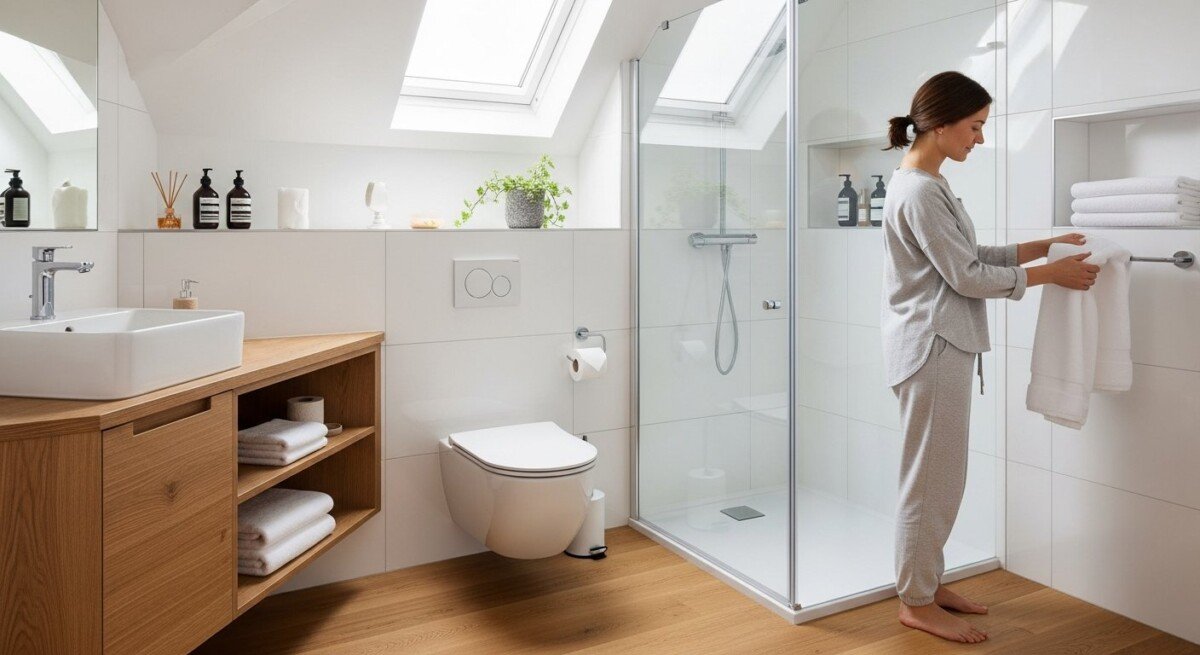
Space Saving Bathroom Layout Ideas for Small Homes
Discover practical space saving bathroom layout ideas to transform your small bathroom into a functional, comfortable, and valuable part of your home.

By Alex Carter
Learn more about Bathroom Remodel for guides, costs, and what to expect.
Compare Bathroom Remodel Pros Near You

Enter your ZIP code to compare top-rated local professionals and request free quotes.
You stand in your bathroom, trying to get ready for the day, and it feels like you’re in a tiny, cluttered box. The door bumps the vanity, there’s no place to put your towel, and the room just doesn’t work for your family. This daily frustration is a common signal that your bathroom layout is wasting precious space. Ignoring this problem doesn’t just mean living with inconvenience; it can lead to a cramped, inefficient room that fails to meet your needs and may even detract from your home’s overall value.
Understanding Space Saving Bathroom Layout
A space saving bathroom layout is a thoughtful design plan that maximizes every square inch of a small bathroom. It’s about smart placement of fixtures, clever storage solutions, and choosing the right elements to make the room feel larger and function better. This approach turns a cramped, awkward space into an efficient, comfortable retreat.
This need often arises in older homes, apartments, or secondary bathrooms where square footage is limited. It happens when the original design no longer suits modern living or when homeowners simply need more functionality from a small area. The goal is to create a layout that improves flow, storage, and usability without the need for a costly expansion.
Why This Matters for Your Home
A poorly planned bathroom isn’t just an annoyance; it impacts your daily routine and your home’s worth. Cramped layouts can lead to accidental bumps and spills, creating safety hazards, especially in households with children or older adults. The frustration of a dysfunctional space can make mornings stressful and reduce your overall enjoyment of your home.
More importantly, an inefficient bathroom layout can significantly lower your property’s appeal to potential buyers. In today’s market, smart, well-utilized space is a major selling point. Investing in a thoughtful redesign not only improves your daily life but also protects and enhances your home’s financial value, ensuring you see a return if you ever decide to sell.
If you notice signs of this issue in your home, it may help to speak with a qualified contractor. Request a free quote or call to explore your repair or remodeling options.
Common Problems Homeowners Experience
Many homeowners struggle with the same core issues in their small bathrooms. The room feels impossible to organize, with toiletries cluttering every surface. There’s a constant battle with moisture and mildew because ventilation is poor in the tight space. Simply moving around can feel like a chore.
These problems manifest in specific, frustrating ways. You might find yourself dealing with a door that swings inward and hits the sink, or a shower curtain that sticks to you because the shower is too narrow. Common issues include:
- Poor Traffic Flow: Not enough clearance around the toilet, shower, or vanity, making the room feel cramped and difficult to use.
- Inadequate Storage: No place for towels, toiletries, or cleaning supplies, leading to countertop clutter.
- Wasted Corner Space: Awkward, empty corners that serve no purpose and collect dust.
- Oversized Fixtures: A bulky vanity or a standard-sized tub that dominates the room and leaves no floor space.
- Bad Lighting: A single, harsh ceiling light that creates shadows and makes the space feel even smaller.
- Lack of Ventilation: Moisture buildup on walls and mirrors due to poor airflow in a tight enclosure.
How Professionals Solve the Problem
A professional bathroom remodeler brings expertise that transforms a problematic small bathroom. They start by assessing your specific needs, the existing plumbing, and structural limitations. Their experience allows them to visualize solutions,like shifting a toilet a few inches or using a corner sink,that a homeowner might not consider, ensuring every decision adds both space and value.
The process is methodical and designed to minimize disruption while maximizing results. A typical professional space-saving remodel follows key steps:
- Consultation & Measurement: A detailed assessment of your needs, the existing space, and plumbing/electrical points.
- Design & Planning: Creating a scaled layout that repositions fixtures for better flow and specifies space-optimizing products.
- Demolition & Prep: Carefully removing old materials while protecting the rest of your home from dust and debris.
- Rough-In Work: Professionally relocating plumbing and electrical lines according to the new plan and local codes.
- Installation: Expertly installing new, right-sized fixtures, storage, and finishes that bring the efficient design to life.
A professional inspection can reveal hidden issues before they become expensive repairs. Compare contractor quotes here or call to discuss your project.
Warning Signs You Should Not Ignore
Your bathroom will often tell you when its layout is failing. The signs go beyond simple clutter. If you find yourself constantly moving things around just to use basic fixtures, or if more than one person cannot be in the room at all, the layout is likely working against you. These are clear indicators that a redesign could dramatically improve your quality of life.
Ignoring these signs means resigning yourself to daily frustration and potentially missing out on a more valuable, functional home. Early action allows for more design options and can prevent the stop-gap purchases of storage units that only add to the clutter. Key warning signs include:
- You have to move the trash can or a hamper every time you open the door.
- The bathroom feels impossible to clean properly due to tight corners and inaccessible areas.
- There is no designated, convenient spot for essential items like toilet paper or hand towels.
- You avoid using the shower because it feels too confined or lacks proper shelving.
- Family arguments frequently occur over bathroom time because the space slows everyone down.
- You’ve considered renovating but feel overwhelmed by where to even start.
What Affects the Cost of Repairs or Installation
The cost of creating a space saving bathroom layout depends on several factors unique to your home. The scope of change is the biggest driver. Are you simply replacing fixtures in their existing locations, or are you moving the toilet, shower, and sink to new spots? Relocating plumbing lines requires more labor and materials than a cosmetic update.
The materials you choose also play a significant role. A custom, wall-hung vanity costs more than a stock cabinet, but it saves crucial floor space. Similarly, the age of your home can impact cost, as older plumbing may need updating to meet current codes during the remodel. Accessibility of the bathroom and the complexity of the new design are other key considerations a professional will factor into an estimate.
Costs can vary depending on the condition of your home. The best way to know the price is to get a personalized estimate. Request free quotes from contractors or call today.
How to Choose the Right Contractor
Selecting the right professional is crucial for a successful small bathroom remodel. Look for a contractor who specializes in bathrooms and has a portfolio of completed projects in spaces similar to yours. They should understand the specific challenges of working in tight quarters and have solutions ready.
A trustworthy contractor will be transparent about the process, timelines, and costs. They will pull necessary permits, provide a detailed written contract, and have proper licensing and insurance. Don’t hesitate to ask for and check references to hear directly from past clients about their experience. Essential tips for choosing include:
- Verify state licensing and insurance for both liability and workers’ compensation.
- Read online reviews and ask to see a gallery of before-and-after photos of small bathrooms.
- Request a detailed, written estimate that breaks down costs for labor, materials, and permits.
- Get quotes from at least three different contractors to compare approach and value.
- Ask about their experience with space-saving fixtures and solving layout puzzles.
Long-Term Benefits of Professional Work
Investing in a professionally designed space saving bathroom layout pays dividends for years to come. The immediate benefit is a serene, organized space that starts your day right. But the advantages extend far beyond daily convenience. A well-executed remodel improves safety by eliminating awkward maneuvers and creating better lighting and ventilation.
Professionally installed materials and fixtures are more durable, standing up to daily use and moisture far better than DIY installations. This smart use of space, combined with high-quality workmanship, directly increases your home’s market value. You’ll enjoy lower maintenance costs, greater efficiency, and the peace of mind that comes from knowing the job was done correctly and safely. For instance, pairing your new layout with water saving bathroom fixtures can reduce your utility bills while conserving resources.
FAQs
What is the most important rule in a small bathroom layout?
Prioritize clear floor space and traffic flow. Ensure there is at least 21 inches of clearance in front of all fixtures and that the door can open without hitting anything. A functional path through the room is more valuable than squeezing in an extra piece of furniture.
Can I save space without moving plumbing?
Absolutely. Many space-saving solutions work with existing plumbing. You can replace a large vanity with a pedestal or wall-mounted sink, install a corner shower unit, use a in-wall toilet tank, or add recessed medicine cabinets and shelving. A professional can identify the best no-move options for your space.
What is the best shower for a tiny bathroom?
A neo-angle or corner shower stall typically saves the most space compared to a standard rectangular tub-shower combo. Frameless glass doors also make the space feel more open. For the ultimate space saver, a well-designed wet bath (where the entire room is the shower) is an option a contractor can help you evaluate.
How can I add storage without making the room feel smaller?
Use vertical space and recessed options. Install shelving or cabinets that go up to the ceiling, use the area over the toilet, and consider recessed niches in the shower wall or a recessed medicine cabinet. This keeps floor space clear and reduces visual clutter.
Will a space saving remodel actually increase my home’s value?
Yes, it is one of the highest-return remodeling projects. Buyers highly value updated, efficient bathrooms. A smart, functional layout in a small space demonstrates great design and maximizes the home’s usable square footage, which is a key selling point.
What’s the biggest mistake in small bathroom design?
Using oversized fixtures and neglecting lighting. A huge vanity or a standard tub can overwhelm a small room. Similarly, relying on one dim light source makes the space feel cave-like. Proper scale and layered lighting are essential for success.
How long does a small bathroom layout remodel usually take?
With professional help, a typical small bathroom remodel involving layout changes takes 2 to 4 weeks from start to finish. This timeline includes design, ordering materials, demolition, plumbing/electrical work, installation, and finishing. Simpler updates without plumbing moves can be quicker.
Is a permit required for a bathroom layout change?
If you are moving any plumbing fixtures (toilet, shower, sink) or altering electrical wiring, a building permit is almost always required. A reputable contractor will handle this process, ensuring the work meets all local safety and building codes, which protects you and your investment.
Living with a cramped, inefficient bathroom is a daily challenge you don’t have to accept. A thoughtful, space saving bathroom layout can transform your small room into a highly functional and pleasant space. By addressing layout issues early and seeking professional guidance, you can avoid costly mistakes and ensure a result that improves your daily life and your home’s value. The best first step is to understand your specific options and costs by consulting with experienced contractors.
Learn more about Bathroom Remodel for guides, costs, and what to expect.
Compare Bathroom Remodel Pros Near You
Enter your ZIP code to compare top-rated local professionals and request free quotes.