Smart Ways To Reduce Water Usage In Your Home
"*" indicates required fields
Your water bill arrives, and the number is higher than you expected. You hear the faint, constant drip of a faucet you haven’t gotten around to fixing. You wonder if there’s a smarter, more efficient way to manage this vital resource without sacrificing comfort. The good news is, reducing water usage in your home is one of the most impactful and cost-effective improvements you can make. It’s not just about saving money on your utility bills,it’s about protecting your home from damage, conserving a precious resource, and creating a more efficient household. Let’s walk through the practical steps, from simple DIY habits to professional upgrades, that can make a significant difference.
Understanding Home Water Conservation
Reducing water usage at home means using less water to accomplish the same daily tasks, from showering and laundry to watering your lawn. It involves a combination of changing habits, fixing waste, and upgrading to more efficient fixtures and appliances. The goal is to eliminate unnecessary water flow without impacting your quality of life.
Think of it as a home efficiency audit, but for water. Just as you’d seal drafts to save on heating, you identify and plug the “leaks” in your water system, both literal and metaphorical. This process often reveals simple fixes and smarter routines that add up to substantial savings.
The Two-Pronged Approach: Behavior and Hardware
Effective water reduction rests on two pillars. First, behavioral changes are quick, free adjustments to how you use water. Second, hardware upgrades involve installing modern, water-saving devices. The most powerful results come from combining both strategies for a comprehensive solution.
Why It Matters for Homeowners
For homeowners, reducing water usage is a direct investment in your property’s financial and structural health. The most immediate benefit is a lower monthly water and sewer bill. Depending on your usage and local rates, efficient practices and fixtures can save hundreds of dollars annually. This isn’t a one-time rebate; it’s an ongoing reduction in a fixed household cost.
Beyond the savings, conserving water protects your home. Undetected leaks from toilets, supply lines, or under sinks are a leading cause of water damage, mold growth, and costly repairs. Proactive water management helps you catch these issues early. Furthermore, in many communities, reducing strain on municipal water systems and your own septic system is a responsible choice that benefits everyone.
Ready to start saving? A professional assessment can pinpoint your home’s biggest opportunities for water reduction. Call us at 555-123-4567 or schedule a consultation online to get a clear plan tailored to your house.
Common Issues and Their Causes
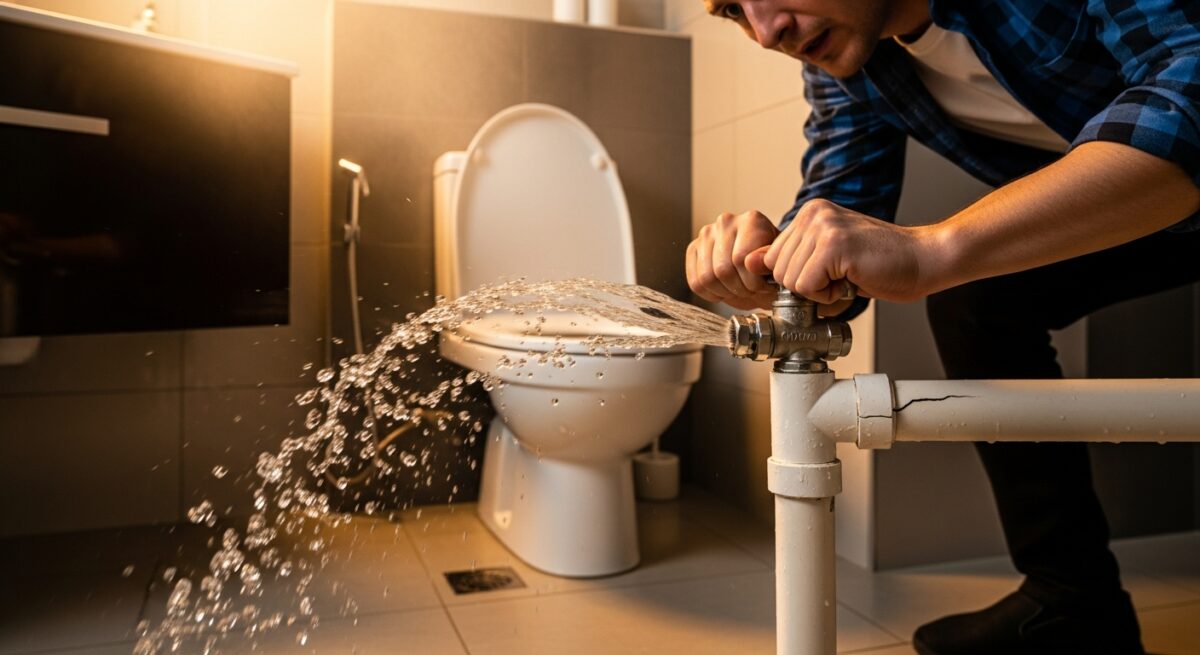
Water waste in homes typically isn’t from one major source, but from several smaller, overlooked issues. The most common culprit is leaks. A dripping faucet or a running toilet might seem minor, but over weeks and months, they waste thousands of gallons. These are often caused by worn washers, corroded valve seats, or faulty flappers,parts that degrade naturally with time and use.
Outdated fixtures are another major source of inefficiency. Older toilets, showerheads, and faucets were simply designed to use more water per minute than modern standards. An old toilet can use 3.5 to 7 gallons per flush, while a new high-efficiency model uses 1.28 or less. Similarly, pre-1992 showerheads can flow at 5.5 gallons per minute (GPM), compared to today’s 2.0 GPM models.
- Leaky Toilets: A silent leak inside the tank can waste 200+ gallons a day.
- Old, Inefficient Appliances: Washing machines and dishwashers from 10+ years ago are water hogs.
- Ineffective Irrigation: Overwatering lawns, broken sprinkler heads, and daytime watering lead to evaporation and runoff.
- Faucet Habits: Letting the water run while brushing teeth, shaving, or washing dishes.
How Professionals Fix the Problem
A professional plumber or handyman doesn’t just fix leaks; they perform a comprehensive evaluation of your home’s water usage. The process starts with a thorough inspection, checking all visible fixtures for leaks and inefficiency. They often use simple tools like dye tablets in toilet tanks to detect silent leaks and pressure gauges to assess your home’s water pressure, which if too high, can strain pipes and fixtures.
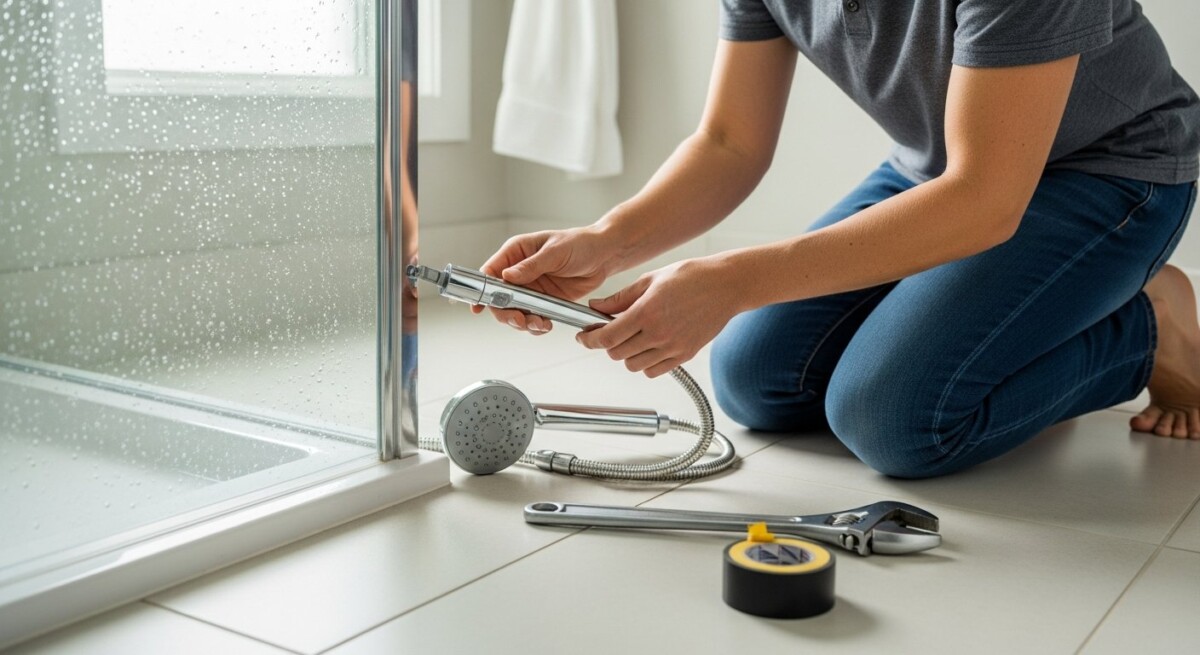
Based on the inspection, they’ll provide a prioritized plan. This usually involves repairing all active leaks first,replacing worn washers, flappers, and seals. Next, they may recommend targeted upgrades, such as installing low-flow aerators on existing faucets, which is a quick and inexpensive fix. For more significant savings, they can replace old toilets, showerheads, and even appliances with WaterSense or ENERGY STAR certified models.
- Inspection & Diagnosis: Identify all sources of waste and inefficiency.
- Repair & Seal: Fix all leaks, from dripping taps to running toilets.
- Retrofit & Upgrade: Install water-saving devices and high-efficiency fixtures.
- Education & Maintenance Tips: Show you how to monitor usage and maintain your new efficient systems.
Don’t let outdated fixtures drain your wallet. Our licensed technicians can upgrade your home’s water efficiency in a single visit. Contact us at 555-123-4567 for a free, no-obligation estimate on water-saving installations.
Signs You Should Not Ignore
Your home often gives you clear signals that water is being wasted. Listening to these signs can prevent minor issues from becoming major expenses. Unusually high water bills are the most obvious red flag. If your bill spikes without a clear reason (like more guests or filling a pool), you likely have a hidden leak.
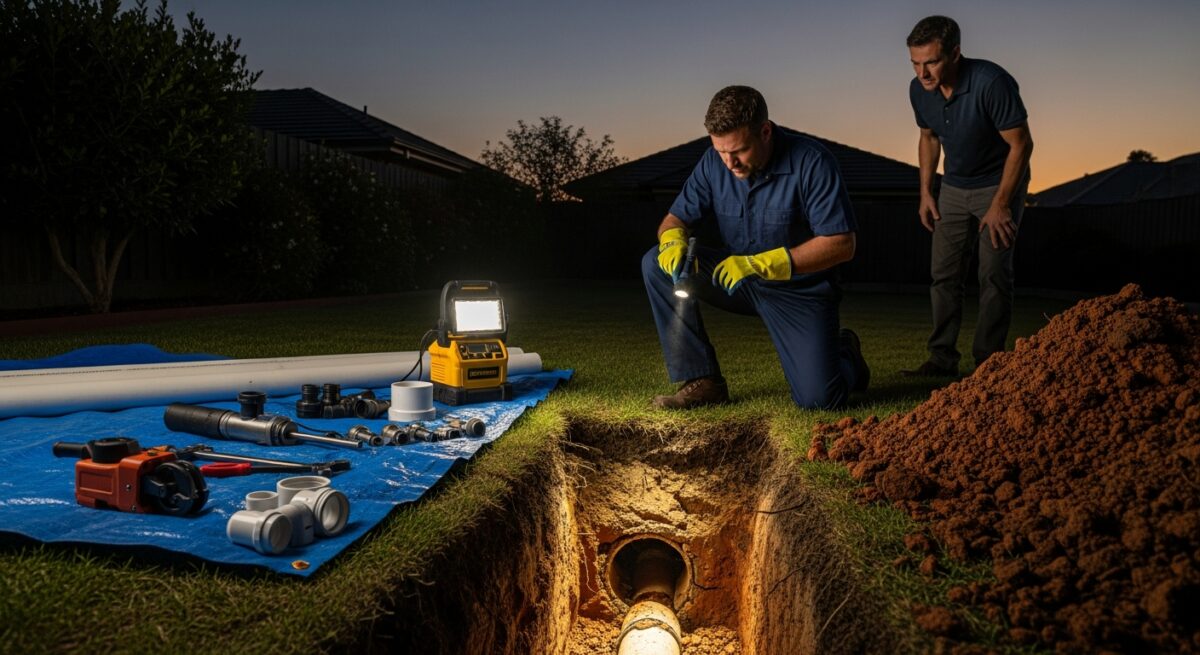
Sound is another clue. The sound of running water when all fixtures are off, or the constant “hiss” or “trickle” from a toilet tank, indicates active waste. Visually, look for damp spots on walls or ceilings, mold growth in non-bathroom areas, or unexpectedly green patches of grass in your yard, which can signal an underground leak.
- Mysteriously High Water Bills: A consistent, unexplained increase in usage.
- The Sound of Running Water: Hearing water when no appliance or faucet is in use.
- Damp Floors or Walls: Near toilets, under sinks, or around the water heater.
- Toilet Tank Leaks: Add food coloring to the tank; if color appears in the bowl without flushing, you have a leak.
- Low Water Pressure: Can sometimes indicate a breach or blockage in your supply line.
Cost Factors and What Affects Pricing
The cost to reduce your home’s water usage varies based on the scope of work. Simple repairs, like fixing a leaky faucet or replacing a toilet flapper, are typically very affordable and offer an immediate return on investment. The cost here is mostly labor for a service call plus minimal parts.
For fixture upgrades, pricing depends on the quality of the products you choose and the complexity of the installation. Installing a low-flow showerhead or faucet aerators is inexpensive. Replacing an entire toilet involves the cost of the new toilet (from budget to high-end models), the labor to remove the old one, install the new one, and ensure a proper, leak-free seal. Whole-house repiping or installing a new efficient water heater are larger projects with higher material and labor costs, but they deliver the greatest long-term savings and protection.
If you’re concerned about cost, start with a professional audit. We can help you create a phased plan that fits your budget. Call 555-123-4567 today to discuss your goals and get a transparent, upfront quote for making your home more water-wise.
How To Choose the Right Professional or Service
Selecting the right professional is key to achieving lasting results. Look for a licensed and insured plumber or home service company with specific experience in water conservation and fixture upgrades. They should be knowledgeable about current WaterSense products and local plumbing codes.
A reputable professional will always offer a clear, written estimate after an initial assessment. They should explain what work is necessary versus what is recommended for future savings, allowing you to make an informed decision. Check online reviews and ask for references to gauge their reliability, quality of work, and customer service. A good technician will also take the time to explain what they’re doing and offer tips for maintaining your water efficiency after they leave.
Long-Term Benefits for Your Home
Investing in water reduction pays dividends for years. Financially, the savings on your utility bills will eventually surpass the initial cost of repairs and upgrades, putting money back in your pocket month after month. You also safeguard your home’s structure by eliminating the moisture that causes wood rot, mold, and foundation issues.
You’ll gain peace of mind knowing your home is operating efficiently and responsibly. Modern, efficient fixtures often perform better than old ones,think stronger shower spray from an aerated showerhead. Furthermore, these improvements can increase your home’s appeal and value to future buyers who are increasingly looking for efficient, low-maintenance properties. It’s an upgrade that benefits your wallet, your home, and your community.
How much can I really save by reducing water usage at home?
Savings vary, but the EPA estimates that the average family can save $380 annually by installing WaterSense labeled fixtures and fixing leaks. Upgrading an old toilet alone can save $140 per year. The savings are ongoing, so the return on investment grows every month.
Are low-flow showerheads and faucets actually effective?
Absolutely. Modern low-flow fixtures use advanced engineering, like aeration, to provide a satisfying, forceful stream while using significantly less water. You won’t sacrifice performance, and you’ll immediately notice the difference on your water heater bill as well.
What is the single biggest source of water waste in a typical home?
The toilet is often the largest consumer of indoor water, especially if it’s an older model (pre-1994) or has a leak. Outdoor irrigation is typically the largest overall use for households with sizable lawns.
Can high water pressure cause problems?
Yes. Excessively high water pressure (above 80 psi) stresses pipes, fittings, and appliances, leading to more frequent leaks and shorter lifespans for your water heater, dishwasher, and washing machine. A plumber can install a pressure-reducing valve to protect your home.
How often should I check for leaks?
Perform a simple visual and auditory check monthly. Listen for running toilets and look under sinks for moisture. Check your water meter reading before and after a two-hour period when no water is being used; if it changes, you have a leak.
Do I need to replace all my fixtures at once?
Not at all. A phased approach is perfectly effective. Start by fixing all leaks, then add aerators to faucets. Next, replace the highest-use fixtures like showerheads and toilets as your budget allows. A professional can help you prioritize.
Will a new efficient washing machine save money?
Yes. ENERGY STAR certified washing machines use about 30% less water and 25% less energy per load compared to standard models. This saves on both your water and electric or gas bills.
What is a WaterSense label?
WaterSense is an EPA-sponsored program that certifies products meet strict criteria for performance and water efficiency. It’s a trusted symbol, like ENERGY STAR for appliances, ensuring the product will save water without sacrificing function.
Taking control of your home’s water usage is a smart, proactive step toward lower bills, fewer repairs, and a more sustainable household. From simple habit changes to professional fixture upgrades, every action counts. By addressing leaks and inefficiencies, you’re not just conserving a resource,you’re investing in the long-term health and value of your home. Start with an inspection, make a plan, and enjoy the benefits of a more efficient, worry-free home.