
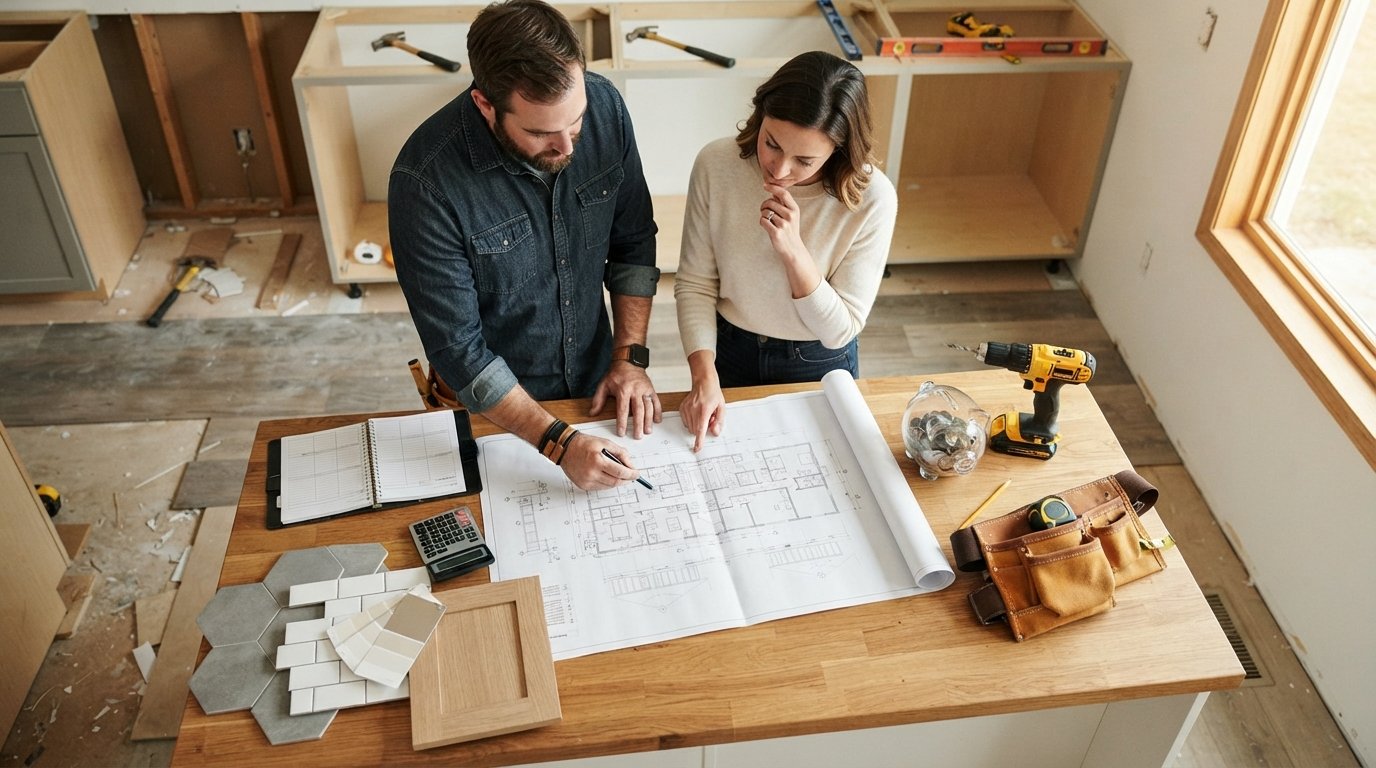
Smart Budgeting Strategies Save Money Home Renovation
Discover smart budgeting strategies save money home renovation costs by phasing projects, tracking expenses, and choosing the right contractor.

By Justin Parker
Learn more about General Contracting for guides, costs, and what to expect.
Compare General Contracting Pros Near You

Enter your ZIP code to compare top-rated local professionals and request free quotes.
Home renovation projects often feel like a financial tightrope walk. You have a vision for your dream kitchen, a spa-like bathroom, or a finished basement, but the costs can quickly spiral out of control. Many homeowners hesitate to start because they fear the unknown, especially the surprise bills that seem to appear out of nowhere. However, with a disciplined approach and a clear plan, you can keep your project on track financially. In fact, implementing smart budgeting strategies save money home renovation projects from becoming financial nightmares. This guide walks you through actionable methods to plan, prioritize, and pay for your remodel without sacrificing quality or your peace of mind.
Why Most Renovations Blow Their Budget
Understanding why costs overrun is the first step to preventing it. The most common reason is a lack of detailed planning before the work begins. Homeowners often make decisions on fixtures, finishes, and layout changes after the project starts, which leads to change orders and additional labor costs. Another culprit is underestimating the cost of materials and labor, especially when you rely on online estimates that do not reflect your local market or the specific conditions of your home.
For example, opening up a wall to create an open-concept living area might seem straightforward, but it can hide plumbing, electrical lines, or structural supports that require expensive modifications. Without a contingency fund, these discoveries can derail your budget. The key is to expect the unexpected and build a financial cushion into your plan from day one. This proactive approach is a cornerstone of how smart budgeting strategies save money home renovation efforts over the long run.
The 20% Contingency Rule
Financial advisors and experienced contractors often recommend setting aside an additional 20% of your total project cost as a contingency fund. This money is not for upgrades or splurges; it is strictly for unforeseen issues. If your project does not hit any snags, you can use the leftover funds for future maintenance or as a down payment on your next home improvement project. This simple rule alone can prevent you from racking up credit card debt or taking out a second loan.
Phase Your Renovation to Manage Cash Flow
You do not have to complete every project at once. One of the most effective smart budgeting strategies save money home renovation costs by allowing you to spread out expenses. Instead of tackling a whole-house remodel, focus on one area at a time. This approach not only makes the financial burden more manageable, but it also lets you live in your home while the work is being done, avoiding temporary housing costs.
Start with the projects that add the most value to your daily life and your property's resale value. For instance, a kitchen remodel typically offers a high return on investment, but a bathroom remodel can also yield significant benefits. Prioritize based on your needs and your home's condition. If your HVAC system is old and inefficient, replacing it might be more critical than a cosmetic update. This phased approach also gives you time to save up for each phase, reducing your reliance on financing.
How to Prioritize Your Project List
- List all desired renovations and rank them by urgency and impact.
- Focus on items that address safety, energy efficiency, or structural integrity first.
- Postpone purely cosmetic updates until the essential systems are solid.
- Consider which projects will increase your home's resale value the most.
By following this sequence, you ensure that your money is always working toward the most important improvements. It is a strategic way to avoid overspending on nice-to-haves when your roof or foundation needs attention.
Get Multiple Quotes and Negotiate Like a Pro
One of the most powerful tools in your budgeting arsenal is the competitive bid. Do not settle for the first contractor you speak with. Instead, get at least three detailed quotes for your project. This is where a platform like USremodel becomes invaluable, as it connects you with multiple independent contractors in your area. When you have several estimates, you can compare not just the bottom line, but also the scope of work, the materials specified, and the project timeline.
When reviewing bids, watch out for quotes that are significantly lower than the others. They may be cutting corners on materials, insurance, or subcontractor quality. Conversely, the highest bid is not always the best. Look for a contractor whose bid is detailed and transparent, with clear line items for labor and materials. Do not be afraid to negotiate. Many contractors are willing to adjust their price if you are flexible with your timeline or if you are willing to use an alternative material that is more cost-effective.
Choose Materials Wisely: Cost vs. Value
Material selection can make or break your budget. It is tempting to choose premium finishes, but you can achieve a high-end look with mid-range products. For example, luxury vinyl plank flooring can mimic the look of hardwood at a fraction of the cost, and it is often more durable and water-resistant. Similarly, quartz countertops are popular, but granite or solid-surface options may offer a similar aesthetic at a lower price point.
Think about the lifecycle cost of materials. A cheaper roof might save you money upfront, but if it needs to be replaced sooner, it is not a good value. On the other hand, some expensive materials, like high-end windows, can pay for themselves over time through energy savings. When planning, research the longevity, maintenance requirements, and warranty of each product. This long-term perspective is a key part of how smart budgeting strategies save money home renovation costs over the years, not just during the build.
Areas Where You Can Splurge and Where to Save
- Splurge: Insulation, roofing, windows, and anything that affects your home's energy efficiency or structural integrity.
- Save: Cabinet hardware, light fixtures, and decorative tiles that can be updated easily later.
- Splurge: Plumbing fixtures that you use daily, like a shower valve or a high-quality faucet, to avoid leaks and repairs.
- Save: Interior doors and trim, which can be painted or refinished to look new.
By being strategic about where you invest your money, you can achieve a luxurious feel without breaking the bank. You will also avoid the regret of spending too much on items that do not significantly impact your daily comfort or your home's resale value.
DIY vs. Hiring Professionals: The Real Cost
Taking on some of the work yourself can save you a significant amount of money, but it is not always the right choice. Simple tasks like painting, demolition, and installing new hardware are often DIY-friendly. However, more complex jobs like electrical work, plumbing, and structural changes require a licensed professional. Mistakes in these areas can be costly, dangerous, and may even void your home insurance policy.
Before you decide to DIY, honestly assess your skill level and the time you have available. A project that takes you three weekends might take a professional only two days. The value of your own time is a real cost. Additionally, if you have to rent tools or buy specialized equipment, those costs can add up. For the tasks that require a pro, use a service like 180 Remodel to find vetted contractors in your area. Their network includes specialists in roofing, plumbing, and electrical work, ensuring that the critical aspects of your renovation are handled correctly.
Track Every Penny with a Detailed Spreadsheet
Once you have your budget and your bids, you need a system to track your spending. A simple spreadsheet is a powerful tool. List every category, from permits and materials to labor and dumpster rental. As you make purchases, enter them into your spreadsheet immediately. This practice gives you a real-time view of your budget vs. actual spending, allowing you to catch overruns early.
Many homeowners use apps or software to track their renovation budgets, but a spreadsheet is just as effective. The goal is to have a single source of truth that you and your contractor can refer to. This transparency helps prevent misunderstandings and ensures that you are not hit with unexpected charges at the end of the project. It also reinforces the discipline that smart budgeting strategies save money home renovation projects by making you aware of small oversights before they become large problems.
Financing Options: Save on Interest, Not Just on Paper
How you pay for your renovation is just as important as how much you spend. There are several financing options available, each with its own pros and cons. A home equity loan or line of credit often offers lower interest rates because it is secured by your property. However, it puts your home at risk if you cannot make the payments. Personal loans are unsecured and usually have higher rates, but they are faster to obtain. Cash is always the best option, as it avoids interest charges entirely.
For larger projects, consider a construction loan, which is a short-term loan that covers the cost of the build and is then converted into a permanent mortgage. It is essential to shop around and compare interest rates and fees from different lenders. Some contractors offer financing through third-party companies, but these often have high APRs. Always read the fine print and understand the total cost of borrowing. By choosing the right financing method, you can save thousands of dollars over the life of the loan, which is another way that smart budgeting strategies save money home renovation costs in the long term.
Work with a Reputable Contractor
Choosing the right contractor is perhaps the most critical decision you will make. A good contractor will not only do quality work but will also help you stay on budget. They can suggest cost-saving alternatives, provide accurate estimates, and keep the project on schedule. A bad contractor can cause delays, cost overruns, and a lot of stress.
To find a reliable professional, start by asking for referrals from friends and family. Then, use an online platform like 180 Remodel to get matched with pre-screened contractors in your area. When you have a few candidates, check their licenses, insurance, and references. Ask to see examples of their past work and read reviews from previous clients. A contractor who communicates clearly and is willing to answer your questions is more likely to be transparent about costs and timelines. This collaboration is essential for implementing your budget successfully.
Final Thoughts on Keeping Your Renovation on Budget
Renovating your home is an exciting journey, but it requires careful financial stewardship. By planning thoroughly, setting a realistic budget, and using the right tools and professionals, you can avoid the stress of overspending. Remember that the goal is not just to finish the project, but to do so without compromising your financial security. The strategies outlined here, from phasing your work to tracking every expense, are proven methods to help you succeed.
As you move forward, keep your eye on the prize: a beautiful, functional home that you love. With the right preparation, you can enjoy the process and the result. And if you need help along the way, services like 180 Remodel are there to connect you with the experts who can bring your vision to life within your budget. Start planning today, and you will be well on your way to a successful renovation.