Sewer Line Problems: A Homeowner’s Guide to Signs and Solutions
"*" indicates required fields
You notice a foul odor in your yard that won’t go away, or maybe your drains are gurgling and backing up more often than they should. These unsettling signs are often the first clue that something is wrong with your home’s main sewer line. This hidden pipe, buried deep under your property, is the critical artery that carries all your home’s wastewater away. Ignoring these early warnings can lead to a messy, expensive, and unhealthy disaster in your home and yard.
Understanding Sewer Line Problems
Your main sewer line is the large pipe that connects all the drains in your house to the city sewer system or your septic tank. It handles everything from your toilets and showers to your sinks and washing machine. When this line gets damaged or clogged, it can’t do its job, and wastewater has nowhere to go.
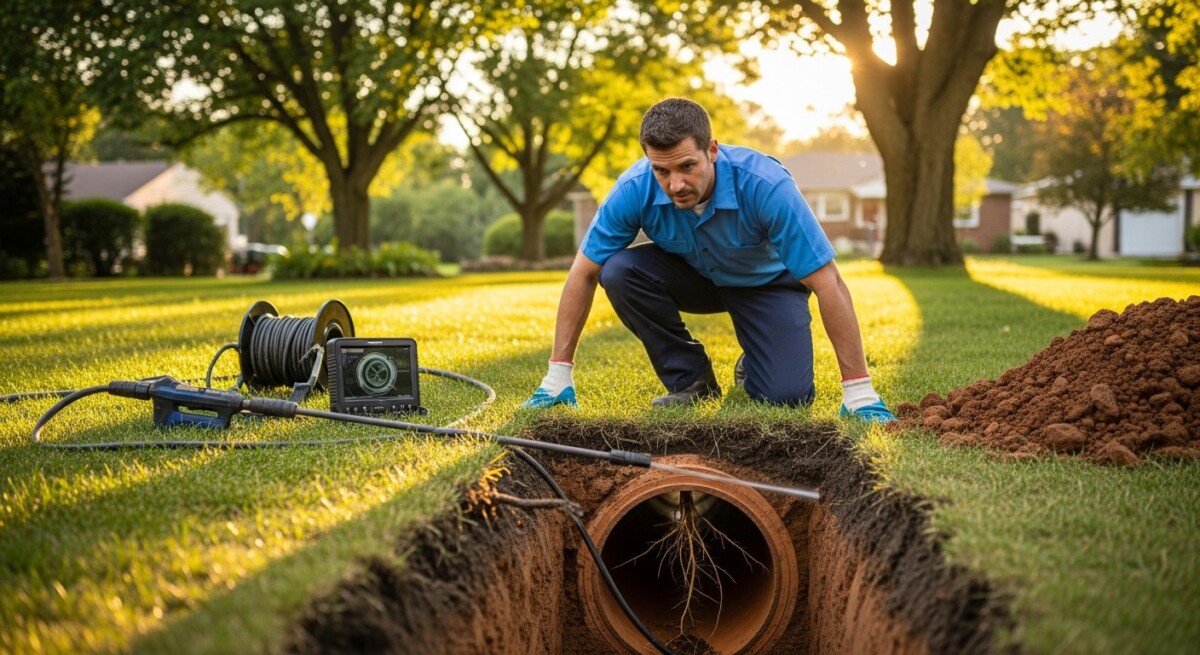
Problems usually happen for a few common reasons. Over many years, pipes can crack from shifting soil, get crushed by heavy objects above them, or have their joints fail. Tree roots are a major culprit, as they seek out water and can grow into tiny cracks, eventually blocking or breaking the pipe entirely. Older homes with pipes made of clay or cast iron are especially vulnerable to these issues.
What Makes a Sewer Line Different?
Unlike a simple clog in your kitchen sink, a main sewer line blockage affects your entire home. It’s a single point of failure for every drain. This is why problems here are more severe and require a different, more complex solution than a standard plunger or drain cleaner.
Why This Matters for Your Home
A failing sewer line is more than just an inconvenience. It poses a direct threat to your property, your health, and your wallet. Wastewater backing up into your home can ruin floors, drywall, and personal belongings, leading to costly repairs and potential mold growth.
From a health perspective, raw sewage contains harmful bacteria and pathogens. Exposure in your home or yard is a serious safety risk for your family. Furthermore, ongoing leaks can erode the soil around your foundation, leading to settling and costly structural damage. The longer you wait, the worse,and more expensive,the problem becomes.
If you notice signs of this issue in your home, it may help to speak with a qualified contractor. Request a free quote or call to explore your repair or remodeling options.
Common Problems Homeowners Experience
Homeowners with sewer line issues typically face a range of frustrating and alarming symptoms. These problems often start small and gradually worsen, signaling that a minor clog or crack is developing into a major failure.
The most common sewer line failures include complete blockages from roots or collapsed pipes, cracks and holes that leak sewage into the soil, and bellied pipes where a section sags and collects waste. Corrosion in old metal pipes and broken seals at the joints are also frequent issues in aging systems.
- Complete Blockages: Often caused by invasive tree roots or a buildup of grease and debris, stopping all flow.
- Cracks and Breaks: Due to ground shifting, freezing, aging, or pressure from above.
- Bellied Pipes: A section of pipe sinks into the soil, creating a low spot that traps waste and causes repeated clogs.
- Corrosion: Old cast iron or galvanized steel pipes can rust through from the inside out.
- Failed Joints: The seals connecting pipe sections deteriorate, allowing leaks and root intrusion.
- Collapsed Lines: The most severe failure, where the pipe is crushed and must be fully replaced.
How Professionals Solve the Problem
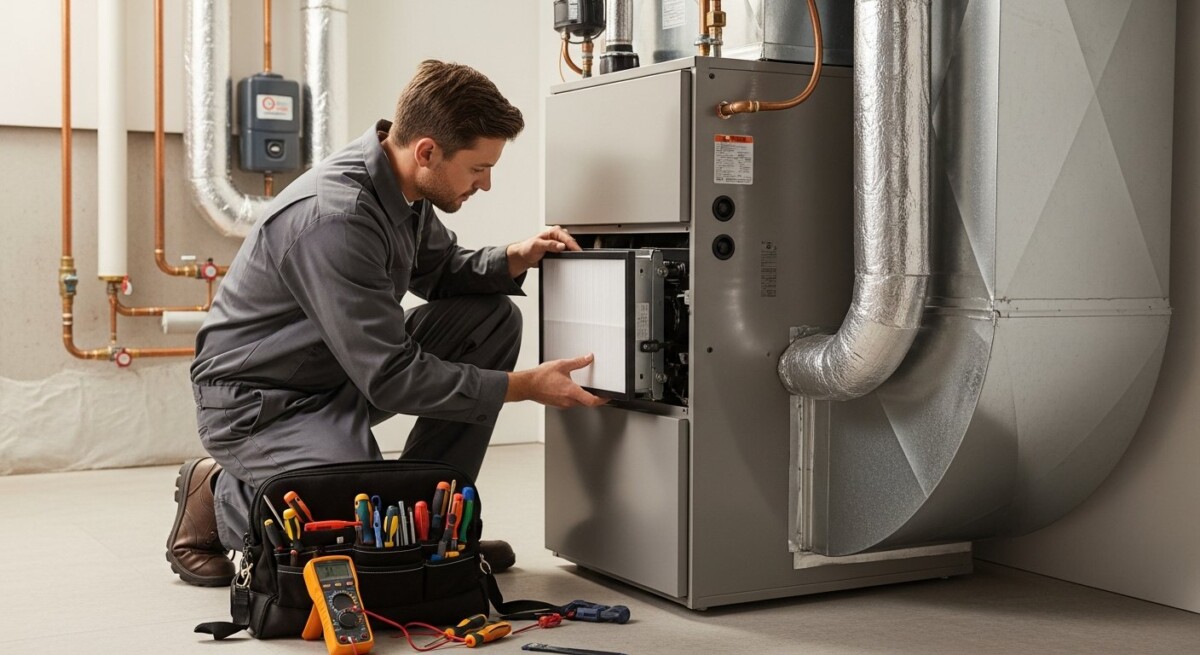
Professional plumbers and sewer specialists have the tools, technology, and expertise to accurately diagnose and permanently fix sewer line issues. The days of automatically digging up your entire yard are often over. Modern trenchless methods allow for long-lasting repairs with minimal disruption to your landscaping, driveway, or home.
The process typically starts with a video camera inspection. A small, waterproof camera is sent down the line, providing a clear view of the pipe’s interior on a monitor. This allows the contractor to pinpoint the exact location, nature, and extent of the problem before any work begins.
- Inspection & Diagnosis: A video camera survey reveals the problem’s cause and location.
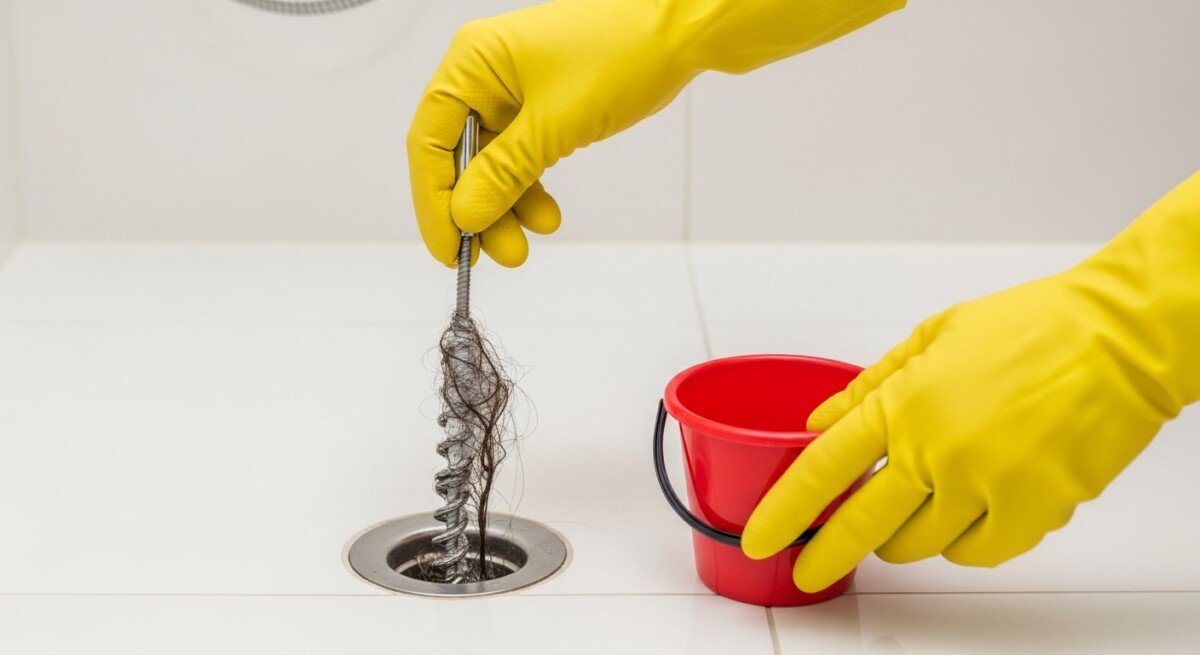
- Clearing the Line: High-pressure water jetting or mechanical augers clear blockages and roots.
- Choosing the Solution: Based on the damage, the contractor recommends the best repair method.
- Performing the Repair: This could be a trenchless repair like pipe lining or bursting, or a traditional excavation for severe cases.
- Final Verification: A post-repair camera inspection confirms the line is clear and fully restored.
A professional inspection can reveal hidden issues before they become expensive repairs. Compare contractor quotes here or call to discuss your project.
Warning Signs You Should Not Ignore
Your home will give you signals that your sewer line is in trouble. Paying attention to these signs and acting quickly can save you thousands of dollars and prevent a major headache. Many of these symptoms occur simultaneously, which is a strong indicator the problem is in the main line, not an individual drain.
Early detection is key. A slow drain might be a simple fix, but multiple symptoms point to a larger issue. For a deeper look at specific red flags, our article on early sewer line repair signs details what homeowners should watch for.
- Multiple Drains Backing Up: Toilets, showers, and sinks all drain slowly or back up at the same time.
- Gurgling Noises: You hear bubbling or gurgling sounds from toilets or drains when using water elsewhere.
- Unpleasant Odors: Persistent sewer gas smells inside your home or in your yard, especially near drain cleanouts.
- Unexplained Lawn Changes: A suddenly soggy, sunken, or unusually lush patch of grass in your yard.
- Foundation Cracks or Settling: New cracks in your foundation or floors can be caused by soil erosion from a leaking pipe.
- Pest Problems: An increase in insects or rodents, which are attracted to sewer leaks.
What Affects the Cost of Repairs or Installation
The cost to fix a sewer line can vary widely, and understanding the factors involved helps you make an informed decision. There’s no one-size-fits-all price, as every home and problem is unique. A professional quote will account for all these variables to give you an accurate estimate.
Key factors include the location and depth of the pipe, the extent of damage (a small crack vs. a fully collapsed line), the repair method (trenchless vs. traditional dig), and the length of pipe that needs work. Local permit costs, the need to repair landscaping or concrete, and the type of pipe material used for replacement also influence the final price.
Costs can vary depending on the condition of your home. The best way to know the price is to get a personalized estimate. Request free quotes from contractors or call today.
How to Choose the Right Contractor
Selecting a qualified, trustworthy contractor is the most important step after identifying a potential sewer problem. This is a significant investment in your home’s infrastructure, so you want a professional who will do the job right. Taking a little time to vet your options provides peace of mind and protects your property.
Look for a specialist with specific experience in sewer line repair and replacement, not just general plumbing. They should be properly licensed, insured, and willing to provide references from past customers. A good contractor will also explain the problem clearly, discuss all your options, and provide a detailed, written estimate.
- Verify Licenses & Insurance: Ensure they are licensed for sewer work and carry liability and workers’ compensation insurance.
- Check Reviews & References: Read online reviews and ask for references from recent, similar jobs.
- Get Detailed Estimates: A written quote should outline the scope of work, materials, timeline, and total cost.
- Compare Multiple Quotes: Get at least three estimates to understand the market rate and different proposed solutions.
- Ask About Warranties: A reputable contractor will stand behind their work with a warranty on both labor and materials.
Long-Term Benefits of Professional Work
Investing in a professional sewer line repair delivers value that lasts for decades. It’s not just about solving today’s emergency; it’s about protecting your home’s future. A properly functioning sewer system is foundational to your home’s safety, comfort, and value.
You gain peace of mind knowing the health hazard of raw sewage is eliminated. Modern repair methods, especially trenchless technology, often use durable materials like epoxy-lined or HDPE pipe that resist roots and corrosion better than old clay or iron pipes. This means fewer future clogs and a much longer lifespan for your system.
Furthermore, a documented, permitted repair adds to your home’s value and is a strong selling point. It also prevents the catastrophic property damage and landscape destruction that can come from a sudden sewer line failure. For a comprehensive overview of what to expect from diagnosis to solution, our guide to damaged sewer pipes walks you through the entire process.
How long does a sewer line repair take?
It depends on the method. A simple trenchless pipe lining repair for a section might be completed in a day. A full traditional replacement requiring excavation could take several days to a week, depending on depth, length, and weather.
Will trenchless repair work for my problem?
Trenchless methods like pipe lining or pipe bursting are suitable for many issues, including cracks, holes, root intrusion, and corroded pipes. They typically require a relatively intact pipe to guide the new liner through. A fully collapsed pipe usually requires excavation.
Is sewer line damage covered by homeowners insurance?
It depends on your policy and the cause of damage. Most standard policies do not cover damage from wear and tear, aging, or tree roots. They may cover it if the damage is sudden and accidental, like from a fallen tree crushing the pipe. Always check with your insurer.
How can I prevent future sewer line problems?
Avoid pouring grease, coffee grounds, or non-flushable items down drains. Be mindful of tree planting near your sewer line. Consider a professional video inspection every few years if you have an older home or many trees, as this can catch small issues early.
What’s the difference between snaking a drain and jetting a sewer line?
Snaking uses a rotating cable to break up a clog. Jetting uses ultra-high-pressure water to scour the entire pipe interior, clearing grease, debris, and small roots while cleaning the pipe walls. Jetting is more thorough for main line maintenance.
Who is responsible for the sewer line,me or the city?
Typically, homeowners are responsible for the sewer lateral from their house to the connection with the city’s main sewer line in the street or alley. The city is responsible for the main line. Your local utility can clarify the exact point of responsibility.
Dealing with a suspected sewer line problem can feel overwhelming, but addressing it early is the smartest move for your home and your budget. By recognizing the warning signs, understanding the repair process, and choosing a qualified professional, you can resolve the issue efficiently and restore safety and peace of mind to your household. The best first step is to gather information specific to your situation by comparing detailed quotes from experienced, local contractors.

About Alex Carter
"*" indicates required fields