
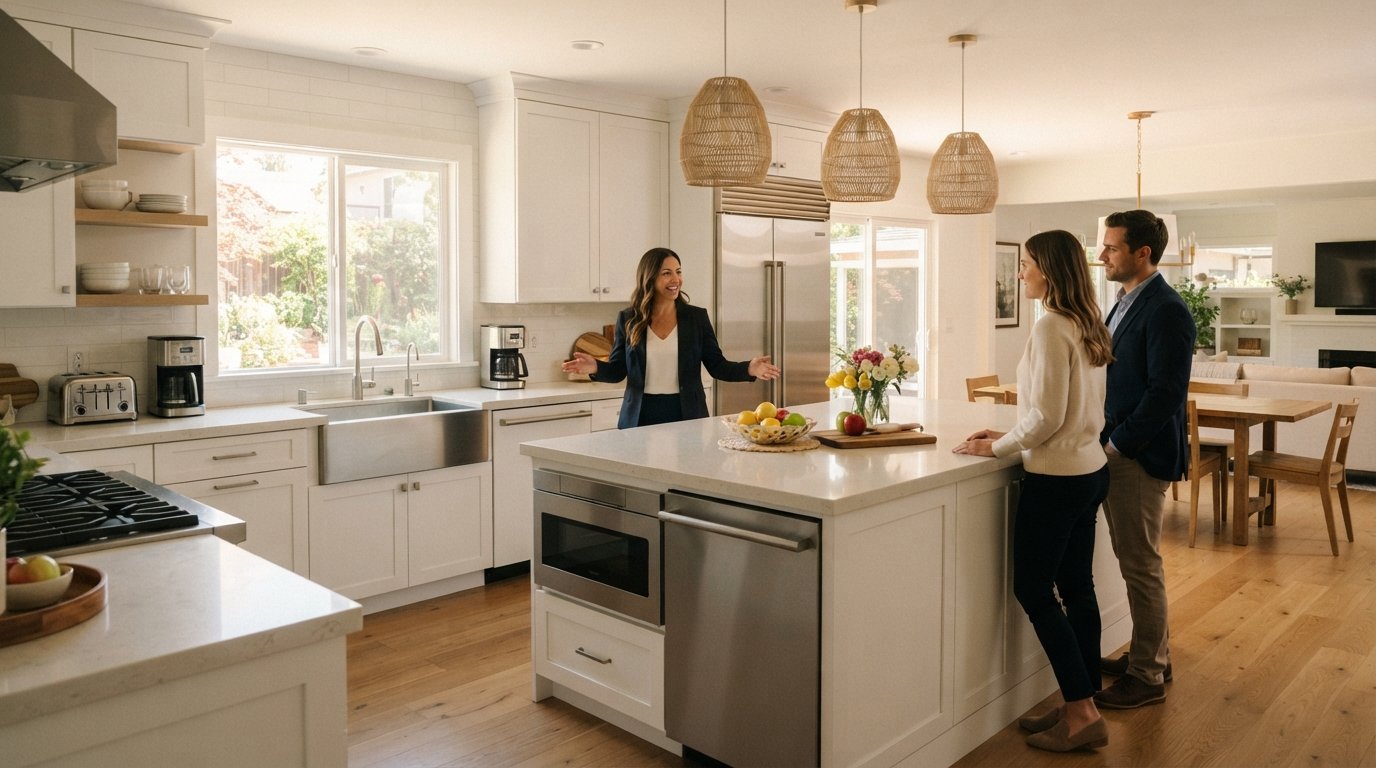
Return on Investment for Kitchen Remodel in 2026: What Pays
Maximize your home's value with a smart kitchen update. Discover the 2026 return on investment for kitchen remodel projects and which upgrades pay off.

By Justin Parker
Learn more about Kitchen Remodel for guides, costs, and what to expect.
Compare Kitchen Remodel Pros Near You

Enter your ZIP code to compare top-rated local professionals and request free quotes.
Your kitchen is more than just a place to cook. It is the heart of your home, a central gathering spot, and one of the most scrutinized spaces by potential buyers. If you are planning a renovation, you are likely asking a critical question: will I actually see a return on investment for kitchen remodel in 2026? With material costs stabilizing and buyer preferences shifting toward functional, energy-efficient designs, the financial dynamics of a kitchen remodel have evolved. Understanding these changes is essential to ensuring your project adds value rather than just draining your savings.
The 2026 Kitchen Remodeling Landscape
The year 2026 brings a unique set of economic factors that influence remodeling costs and resale value. We are seeing a market where homeowners are prioritizing longevity and energy efficiency over fleeting trends. The days of purely cosmetic updates are fading; instead, buyers are looking for kitchens that are mechanically sound and structurally ready for modern living. This shift means that your return on investment (ROI) depends heavily on the types of upgrades you choose.
Labor costs have become a significant variable in the renovation equation. With a shortage of skilled tradespeople in many regions, project timelines and budgets can fluctuate. However, this also means that a professionally executed remodel stands out more than ever. Homeowners who invest in high-quality workmanship and durable materials are seeing better resale figures because buyers are willing to pay a premium for a turnkey kitchen that does not require immediate repairs.
To maximize your financial outcome, you must distinguish between projects that purely appeal to your personal taste and those that appeal to a broad range of buyers. While a highly customized kitchen with niche features might be your dream, it may not yield the same financial return as a universally appealing, functional design. Balancing personal satisfaction with market demand is the key to a successful investment.
High-ROI Upgrades to Prioritize in 2026
When planning your budget, it helps to know which specific elements deliver the best financial returns. In 2026, the focus is on energy efficiency, smart functionality, and durable surfaces. These upgrades not only reduce your monthly utility bills but also serve as major selling points when you decide to list your home.
Start by evaluating the core mechanics of your kitchen. An outdated HVAC system or poor insulation can kill a deal faster than old cabinets. Modern buyers are increasingly savvy about energy costs, so upgrades that address these concerns are highly valued. Here are the specific areas where your money works hardest this year:
- Energy-Efficient Appliances: Upgrading to Energy Star certified refrigerators, dishwashers, and ovens reduces utility bills and attracts eco-conscious buyers.
- Quartz or Granite Countertops: These durable surfaces remain the gold standard for buyers, offering a high-end look that withstands daily wear and tear.
- Smart Lighting and Controls: LED lighting and smart home integration are now expected features, not luxury upgrades.
- Deep Sinks and Quality Faucets: Functional plumbing fixtures that prevent leaks and offer ergonomic benefits are essential.
These elements represent the core of a modern kitchen. By focusing your budget here, you ensure that you are not over-improving for the neighborhood. If you are considering a larger scope, you might want to explore kitchen remodel for resale strategies to understand how to position your home for a quick sale without overspending.
Furthermore, the integration of technology into the kitchen is no longer a novelty. It is a baseline expectation. From Wi-Fi enabled appliances that help with meal prep to lighting systems that adjust based on the time of day, these features add tangible value. They signal to buyers that the home is modern and ready for a connected lifestyle, which can justify a higher asking price.
Major vs. Minor Remodels: Where the Value Lies
Determining the scale of your remodel is one of the most important financial decisions you will make. A major remodel involves reconfiguring the layout, moving plumbing, and removing walls, while a minor remodel focuses on cosmetic updates like painting, refacing cabinets, and replacing hardware. The ROI differs significantly between these two approaches.
Major remodels typically have a lower percentage ROI compared to minor ones, simply because the upfront costs are much higher. However, a major remodel can be necessary if the current layout is dysfunctional. If you must move walls or update electrical systems, you are likely adding fundamental value to the home that goes beyond aesthetics. In these cases, the return is measured not just in resale dollars but in the usability of the space.
On the other hand, a minor remodel often yields a higher percentage return because the investment is smaller. Simple updates like a fresh coat of paint in a neutral color, updated cabinet hardware, and new light fixtures can transform the look of a kitchen for a fraction of the cost. These projects are ideal if your budget is tight or if you plan to sell within a year or two.
It is also crucial to avoid over-improving. If you install a commercial-grade range and custom cabinetry that far exceeds the value of the surrounding homes, you may not recoup that cost at resale. The goal is to create a kitchen that is consistent with the neighborhood standard or slightly above it. To understand the broader context of how individual projects impact your home's value, you can refer to our guide on kitchen remodel for resale.
The Impact of Energy Efficiency and Sustainability
Sustainability is no longer a niche concern; it is a mainstream driver of home value. In 2026, buyers are actively seeking homes with lower carbon footprints and reduced operating costs. This trend has a direct impact on the return on investment for kitchen remodels. Energy-efficient windows, proper insulation, and high-efficiency appliances are not just good for the environment; they are good for your wallet.
Consider the long-term savings associated with energy-efficient upgrades. A new refrigerator that uses less energy will save you money every month, and that savings can be highlighted as a selling feature. Similarly, installing a tankless water heater or a high-performance ventilation system improves air quality and reduces energy waste. These upgrades often qualify for tax incentives or rebates, further improving your ROI.
Moreover, sustainable materials such as bamboo flooring, recycled glass countertops, and low-VOC paints are becoming more popular. They appeal to a growing segment of buyers who are willing to pay a premium for healthy living environments. By incorporating these elements, you differentiate your home in a crowded market. For homeowners looking to connect with professionals who specialize in these modern upgrades, platforms like USremodel can be a valuable resource for finding contractors who understand the latest energy standards.
The push for electrification is also influencing kitchen design. Induction cooktops and electric ovens are replacing gas models in many new builds and remodels, driven by both environmental concerns and indoor air quality. This shift requires updated electrical infrastructure, which is a cost, but it is also a value-add that modern buyers appreciate.
Financing Your Remodel and Calculating Returns
Understanding how to finance your remodel is as important as the design itself. With rising interest rates, homeowners are exploring various options to fund their projects without straining their finances. The method you choose affects your overall return, as interest payments cut into your net profit when you sell.
Common financing options include home equity loans, cash-out refinancing, and personal savings. Each has its own pros and cons. Using cash is always the safest route, as it avoids interest charges, but it may limit the scope of your project. Home equity loans allow you to leverage the value of your home, but you must be confident that the remodel will increase your home's value enough to cover the loan and interest.
To calculate your potential ROI, you need to estimate the resale value of your home after the remodel and subtract the cost of the project. For example, if you spend $30,000 on a minor remodel and your home value increases by $25,000, your ROI is roughly 83 percent. However, this is a simplified calculation. You must also factor in the enjoyment you get from the new space and the reduction in maintenance costs.
Common Pitfalls That Hurt Your Return
Even with the best intentions, homeowners often make mistakes that erode their return on investment. One of the most common pitfalls is ignoring the structural integrity of the home. If you spend your entire budget on cosmetic finishes but ignore a leaking roof or outdated wiring, the value of your remodel is compromised.
Another mistake is choosing highly personalized designs that do not appeal to the mass market. Bold colors, exotic materials, and unconventional layouts can make it hard for buyers to envision themselves in the space. While you should enjoy your kitchen, keeping the design somewhat neutral ensures that you appeal to the widest possible audience when it comes time to sell.
Finally, hiring unlicensed or inexperienced contractors can be a costly error. Poor workmanship leads to repairs, delays, and potential safety hazards. It is always worth the extra effort to vet your contractors thoroughly. You can use resources like USremodel to connect with vetted professionals who have a track record of quality work. This ensures that your investment is protected and that the work adds real value to your home.
Future-Proofing Your Kitchen Investment
As we look further into 2026 and beyond, the concept of future-proofing becomes increasingly relevant. This means designing a kitchen that can adapt to changing needs, such as aging in place or accommodating new technologies. Features like pull-out shelves, adjustable height countertops, and ample electrical outlets are simple additions that make a big difference.
Additionally, consider the layout's flexibility. An open-concept kitchen that flows into the living area remains highly desirable. If your current layout is closed off, removing a non-load-bearing wall can dramatically improve the feel of the home and increase its value. However, always consult a structural engineer before making changes to ensure safety.
Investing in storage solutions is another way to add value. Pantries, deep drawers, and custom organizers reduce clutter and make the kitchen more functional. Buyers are always looking for more storage, so this is a safe bet for a solid return. By focusing on functionality and timeless design, you can ensure that your kitchen remains an asset for years to come.
Ultimately, the return on investment for a kitchen remodel in 2026 is not just about the money you get back at resale. It is about creating a space that enhances your daily life while building equity in your home. By prioritizing energy efficiency, durable materials, and professional installation, you can maximize your financial return and enjoy a beautiful, functional kitchen. Whether you are selling soon or staying for decades, a well-planned remodel is one of the smartest investments you can make in your property.