Residential Plumbing Services: Protect Your Home and Peace of Mind
"*" indicates required fields
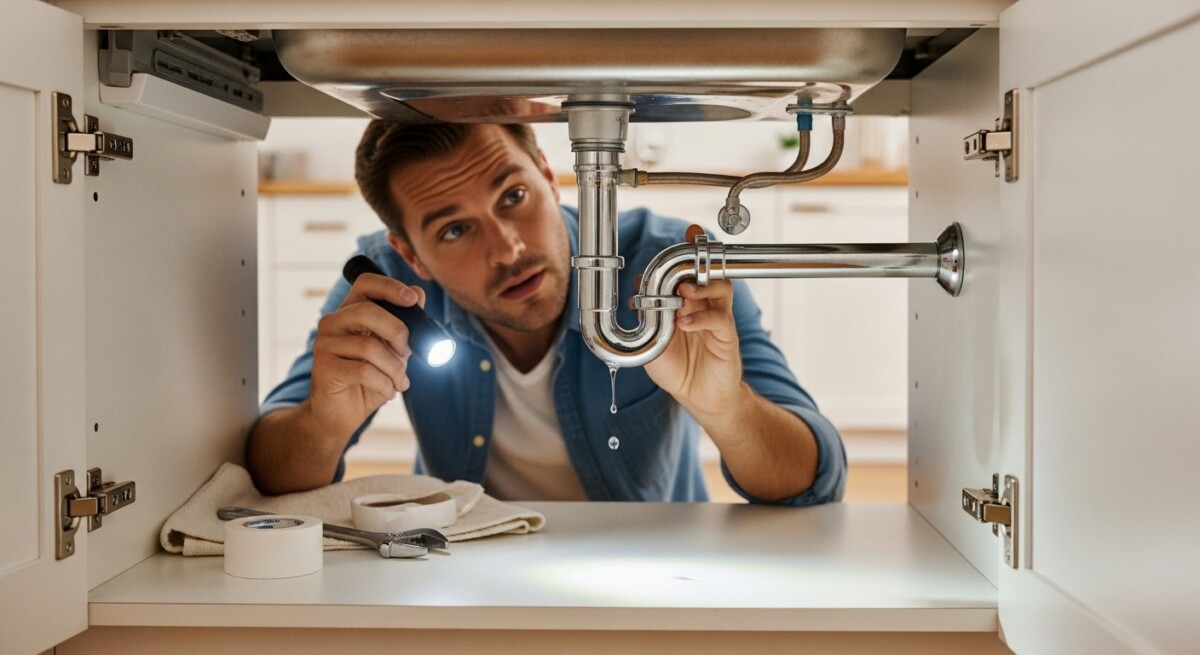
You’re getting ready for work when you notice a small, dark spot on the ceiling below your bathroom. A few days later, the spot is larger and feels damp. Or perhaps your kitchen sink has been draining slower each week, and now a strange odor is coming from the drain. These quiet warnings are how most homeowners discover they need professional plumbing help. Ignoring them rarely makes the problem disappear; instead, a minor drip can lead to major water damage, mold growth, and costly repairs to your home’s structure.
Understanding Residential Plumbing Services
Residential plumbing services cover all the systems that bring clean water into your home and safely remove wastewater. This includes everything you can see, like faucets and toilets, and the vital network of pipes hidden behind your walls and under your floors. A professional plumber ensures these systems work correctly, efficiently, and safely.
Problems arise from everyday wear and tear, aging materials, and the natural pressure of constant use. Over time, pipes can corrode, connections can loosen, and drains can accumulate buildup. While any home can experience issues, older homes with original plumbing are often more susceptible to failures that require expert attention.
Why This Matters for Your Home
A functioning plumbing system is central to your home’s health, safety, and comfort. When it fails, the consequences extend far beyond a simple inconvenience. A small leak can silently rot wood framing, ruin drywall, and damage flooring, leading to repairs that cost thousands of dollars.
More importantly, plumbing issues can pose serious safety risks. Sewage backups can expose your family to harmful bacteria, while gas line leaks from faulty water heater connections are extremely dangerous. Addressing problems promptly with a professional protects your biggest investment,your home,and ensures your family’s well-being.
If you notice signs of this issue in your home, it may help to speak with a qualified contractor. Request a free quote or call to explore your repair or remodeling options.
Common Problems Homeowners Experience
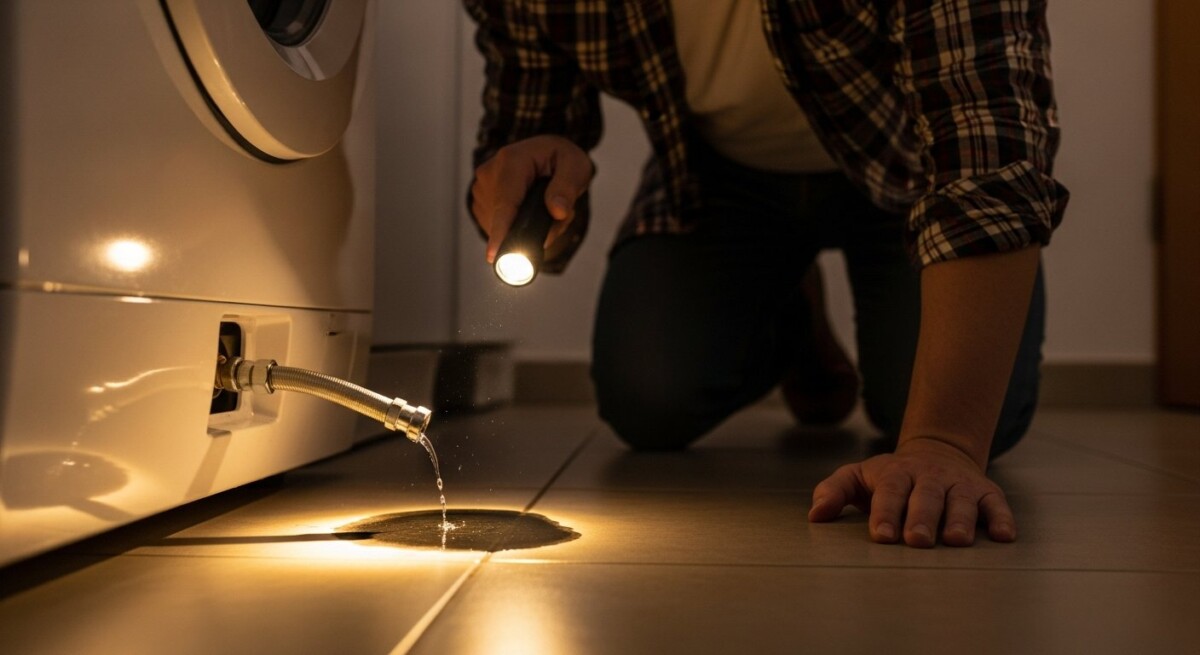
Plumbing issues often start small but quickly escalate. You might first notice a higher water bill or a faint dripping sound at night. These are signs your system needs a professional evaluation to prevent a cascade of other problems.
Some of the most frequent calls plumbers receive include:
- Leaky Faucets & Fixtures: A constant drip wastes water and money, and can stain sinks and tubs.
- Clogged or Slow Drains: From kitchen sinks to shower drains, blockages disrupt daily life and can lead to complete backups.
- Running Toilets: A toilet that runs constantly can waste hundreds of gallons of water per day.
- Low Water Pressure: This can be caused by mineral buildup in pipes, hidden leaks, or other systemic issues.
- Water Heater Problems: From no hot water to strange noises or leaks, these issues affect comfort and safety.
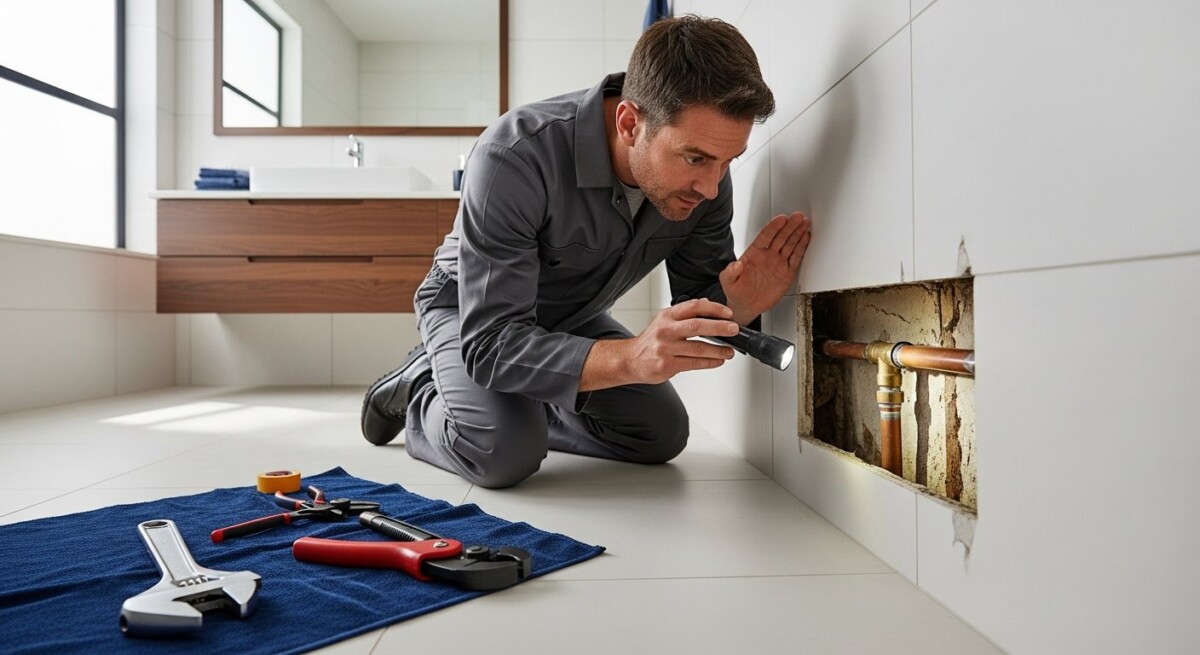
- Pipe Leaks: Hidden leaks behind walls or under slabs are among the most damaging and costly problems to repair.
How Professionals Solve the Problem
Professional plumbers don’t just fix the symptom you see; they diagnose the root cause. They arrive with specialized tools, years of training, and knowledge of local building codes. This ensures the repair is done correctly, safely, and built to last, preventing the same issue from recurring in a few months.
A typical service call follows a logical, thorough process:
- Inspection & Diagnosis: The plumber assesses the situation, often using cameras for drain lines or moisture meters for leaks, to pinpoint the exact problem.
- Clear Explanation & Quote: They explain what’s wrong, why it happened, and present a clear, upfront estimate for the repair.
- Professional Repair: Using the correct parts and techniques, they fix the issue efficiently, minimizing disruption to your home.
- Testing & Cleanup: They test the repair thoroughly, ensure everything works perfectly, and clean the work area, leaving your home as they found it.
A professional inspection can reveal hidden issues before they become expensive repairs. Compare contractor quotes here or call to discuss your project.
Warning Signs You Should Not Ignore
Your home’s plumbing system often sends clear signals when something is wrong. Paying attention to these early warnings can save you from emergency situations and extensive damage. It’s usually more cost-effective to address a slow drain today than a flooded basement tomorrow.
Be alert for these common red flags:
- Unexplained increases in your water bill
- Damp spots on walls, ceilings, or floors
- The sound of running water when no fixtures are on
- Persistent foul odors coming from drains
- Gurgling sounds from toilets or drains
- Visible mold or mildew growth in non-shower areas
What Affects the Cost of Repairs or Installation
The cost of plumbing work depends on several factors, which is why personalized estimates are so important. A simple faucet repair is very different from repiping an entire home. Understanding these variables helps you see the value in professional service.
Key factors include the extent of the problem (a single leak vs. widespread pipe corrosion), the accessibility of the pipes (in an open basement vs. behind a finished wall), and the materials needed for the repair. The age of your home and local labor rates also play a role in the final project cost.
Costs can vary depending on the condition of your home. The best way to know the price is to get a personalized estimate. Request free quotes from contractors or call today.
How to Choose the Right Contractor
Selecting a trustworthy plumbing professional is crucial for a successful, stress-free repair. A qualified contractor brings peace of mind, knowing the job will be done to a high standard. Taking a little time to vet your options protects your home and your wallet.
Follow these practical tips when making your choice:
- Verify Licenses & Insurance: Always ensure the plumber is properly licensed and carries both liability and worker’s compensation insurance.
- Check Reviews & References: Read online reviews and ask for references from recent, similar jobs.
- Ask for Detailed, Written Estimates: A clear, itemized quote prevents surprise charges and allows for accurate comparisons.
- Compare Multiple Quotes: Get at least three estimates to understand the fair market price for your specific project.
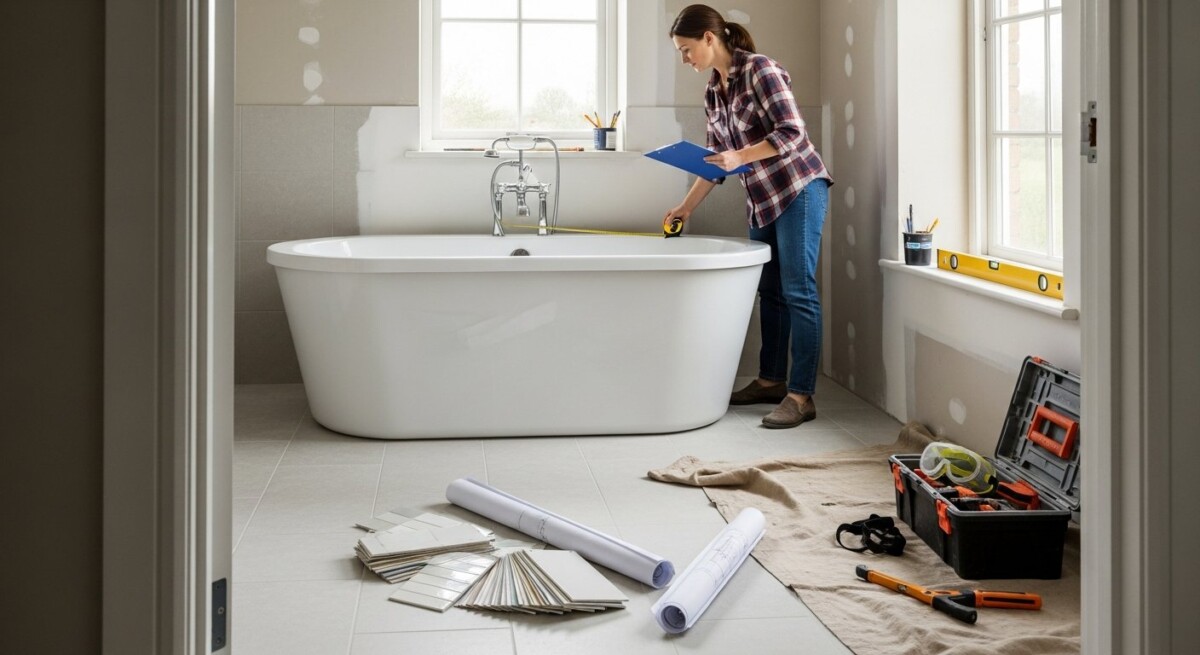
- Confirm Experience: Ask if they regularly handle projects like yours, whether it’s a simple repair or a full bathroom remodel.
Long-Term Benefits of Professional Work
Investing in professional residential plumbing services pays dividends long after the plumber has left. Quality workmanship ensures your repair lasts for years, not months. You gain reliability and stop worrying about when the next leak might appear.
Beyond immediate fixes, professional plumbing enhances your home’s overall value and efficiency. Properly installed and maintained systems use less water and energy, lowering your utility bills. When it comes time to sell, a home with updated, leak-free plumbing is more attractive to buyers and commands a better price, making professional care a smart investment in your property’s future.
What are the most common residential plumbing emergencies?
Burst pipes, severe sewer line backups, and major water heater failures are top emergencies. These often cause significant water damage and require immediate professional attention to protect your home from further harm.
How often should I have my plumbing inspected?
For most homes, an annual inspection by a professional is a wise preventative measure. This is especially important for homes over 40 years old or if you notice any minor issues, as it can catch small problems before they escalate.
Can I fix a plumbing issue myself?
While simple tasks like replacing a washer in a faucet are doable, most plumbing repairs require specialized tools and knowledge. Incorrect DIY fixes often lead to bigger, more expensive problems and can even void warranties or violate local codes.
What does “repiping” a house mean?
Repiping involves replacing the main water supply pipes throughout your home. It’s typically needed in older homes with failing galvanized steel or polybutylene pipes to restore water pressure, ensure water quality, and prevent leaks.
Why is my water bill suddenly so high?
A sudden, unexplained spike in your water bill is a classic sign of a hidden leak, often from a toilet flapper, an underground service line, or a pipe within a wall. A plumber can perform a leak detection test to find the source.
How long do most plumbing repairs take?
Simple repairs like fixing a leaky faucet or clearing a drain can often be completed in under an hour. More complex jobs, like replacing a water heater or repairing a sewer line, may take a full day or more, depending on accessibility.
Your home’s plumbing is a vital system that deserves professional care. By paying attention to warning signs and addressing issues early with a trusted contractor, you avoid the stress and high cost of emergency repairs. Taking the step to compare detailed quotes from qualified professionals is the most practical way to protect your home, your budget, and your peace of mind for years to come.