
Remodeling Communication: Talk to Your Contractor
Clear communication with your remodeling contractor can save your project from costly errors. Learn the essential strategies for a successful partnership.

By Rachel Green
Learn more about Home Remodeling for guides, costs, and what to expect.
Compare Home Remodeling Pros Near You

Enter your ZIP code to compare top-rated local professionals and request free quotes.
You have finally decided to remodel your kitchen, and the excitement is real. Then reality sets in: you need to communicate your vision clearly to a contractor, discuss budgets, timelines, and material choices. The success of your entire project often hinges on how well you and your contractor communicate. Poor communication can lead to costly mistakes, delayed timelines, and unnecessary stress. On the other hand, clear, consistent, and respectful dialogue can turn a complex renovation into a smooth, rewarding experience. This guide will show you how to communicate effectively with your remodeling contractor, helping you avoid common pitfalls and build a working relationship that gets your project done right.
Why Communication is the True Foundation of Any Remodel
Consider this: a remodeling project is a partnership. You bring the vision, the budget, and the property. Your contractor brings the expertise, the skills, and the labor. Without a solid communication strategy, this partnership can quickly break down. Misunderstandings about the scope of work, material selections, or even the daily schedule can cause frustration on both sides. A contractor who feels micromanaged may become defensive, while a homeowner who feels left in the dark may lose trust. The goal is to create a transparent environment where information flows freely, questions are welcomed, and problems are solved collaboratively.
Moreover, effective communication is not just about avoiding problems; it is about maximizing the potential of your project. When you articulate your lifestyle needs and aesthetic preferences clearly, your contractor can offer better solutions, suggest alternative materials, or flag potential issues early. For example, if you mention that you host large family dinners every Sunday, your contractor might suggest a more functional kitchen layout or a larger island, even if you had not considered it. This level of insight only comes from open, ongoing dialogue. Ultimately, learning how to communicate effectively with your remodeling contractor will save you time, money, and emotional energy, and it will lead to a final result that you will love for years.
Establishing Clear Expectations Before You Even Start
The communication process should begin long before the first hammer swings. In fact, it starts during the bidding process. When you interview potential contractors, pay close attention to how they respond to your questions. Do they listen actively? Do they ask clarifying questions about your project? Do they provide detailed, written estimates? These are early indicators of their communication style. Once you have selected a contractor, schedule a pre-construction meeting to go over every detail of the project. This is your opportunity to set the tone for the entire relationship.
During this meeting, you should cover several key topics. First, define the scope of work in writing. This includes not just the major tasks, but also the minor details like who will protect your floors, where the crew will park, and what time they will arrive each day. Second, agree on a communication plan. How often will you receive updates? Will they be daily, weekly, or only when major decisions need to be made? What is the preferred communication method: phone, email, text, or a project management app? Having a clear plan from the start prevents a lot of confusion later. Finally, set up a protocol for change orders. Any deviation from the original contract should be documented in writing, with a clear explanation of how it affects the cost and timeline. This is not about being overly legalistic; it is about protecting both parties and ensuring that everyone is on the same page.
Define the Critical Details in Your Contract
Your contract is your most important communication tool. It should be detailed and specific, leaving no room for interpretation. A vague contract is a recipe for disaster. Ensure it includes a complete description of all work to be performed, a list of all materials (including brand, model, and color where applicable), a payment schedule, and a start and completion date. It should also outline procedures for handling unexpected issues, such as discovering hidden water damage or structural problems. Before you sign, read the contract carefully and ask questions about anything you do not understand. If a contractor is reluctant to put things in writing, consider that a red flag. A professional who values clear communication will welcome a thorough contract, as it protects them just as much as it protects you.
Mastering Daily and Weekly Communication Routines
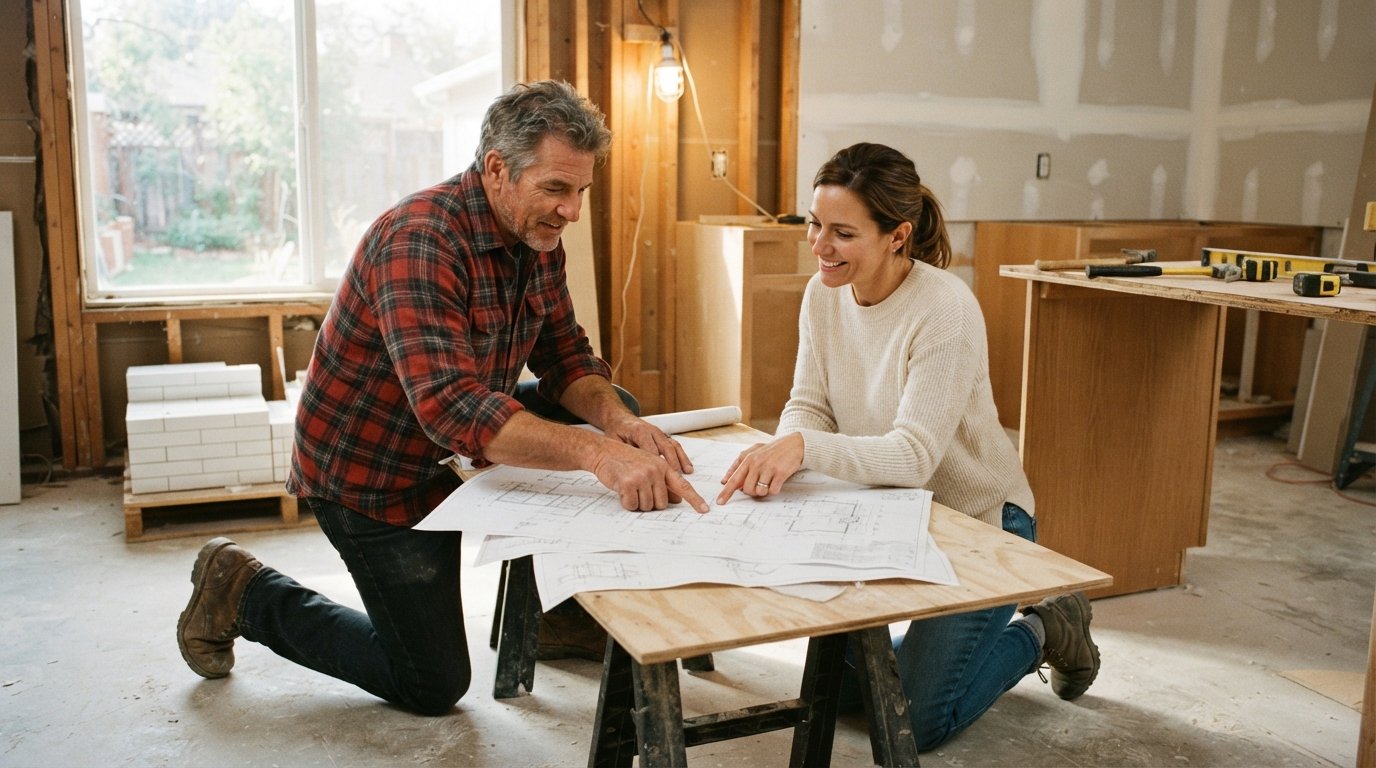
Once the project is underway, the real test of your communication skills begins. The key is to be involved without being intrusive. Establish a routine that works for both you and your contractor. A quick five-minute check-in at the end of each day can be very effective. This is a chance to review what was accomplished, what the plan is for the next day, and any questions you might have. This daily touchpoint keeps you informed and allows you to address small issues before they become big problems. However, avoid hovering over the crew or calling your contractor every hour. Trust the professionals you hired to do their job, and respect their time.
For many homeowners, a weekly walkthrough is an excellent complementary practice. Set aside a specific time each week to walk through the project with your contractor. This is the time to discuss progress, review any changes, and make decisions about upcoming selections. It is also an opportunity to see the work up close and ask questions. Use the weekly walkthrough to review the schedule and budget. Is the project on track? Are there any upcoming costs that were not anticipated? Having these conversations in a structured setting helps keep the project moving forward smoothly. Remember, the goal is to be a collaborative partner, not a bystander or a micromanager. By establishing these routines, you are actively practicing how to communicate effectively with your remodeling contractor, and you will likely find that the project runs more efficiently as a result.
Effective Ways to Give Feedback and Raise Concerns
There will be times when you are not happy with a certain aspect of the work. How you handle these moments is crucial. The worst thing you can do is let your frustration fester until you explode. The best approach is to address the issue promptly and constructively. Here are some guidelines:
- Schedule a private conversation instead of raising the issue in front of the crew, which can be embarrassing and unprofessional.
- Start by stating what you do like, then clearly and calmly describe the specific concern. Use phrases like, "I really like how the tile looks in the bathroom, but I am concerned about the grout color. It looks different than the sample."
- Ask for the contractor's perspective and propose a solution together. Instead of saying, "This is wrong," try, "Can we discuss how to adjust this so it meets our expectations?"
- Document all significant feedback in writing, especially if it involves a change in scope or materials.
Following these steps can turn a potentially confrontational situation into a collaborative problem-solving session. When you treat your contractor as a partner, they are more likely to respond positively and work to make things right. This approach is a core component of how to communicate effectively with your remodeling contractor, and it will help you navigate even the most challenging renovation moments with grace.
Understanding and Respecting the Contractor's Perspective
To communicate effectively, it is helpful to understand the world from your contractor's viewpoint. They are running a business, managing multiple projects, and dealing with a host of variables, from material delays to weather issues. When you call with a question, they are often in the middle of something else. This is why the scheduled check-ins are so valuable. They give your contractor a dedicated time to focus on your project and your questions. Respect their time by being prepared for your meetings. Have a list of questions ready, and make decisions promptly when they are needed. If you need time to think, say so, but give them a clear timeline for when you will get back to them.
Contractors also appreciate homeowners who are decisive and trust their expertise. If you have hired a professional, you should value their recommendations. You do not have to agree with everything, but you should listen with an open mind. For instance, if your contractor suggests a different type of drywall for a high-moisture area, they likely have a good reason based on experience. Ask for the rationale, and if it makes sense, accept their advice. This build of mutual respect is the bedrock of a positive working relationship. In our guide on finding trusted remodeling professionals, we discuss the importance of vetting contractors, and a key part of that vetting process is assessing their communication style. A good contractor is not just a skilled tradesperson; they are also a good communicator. They understand that their job is not just to build, but to build trust with the homeowner.
Leveraging Technology and Tools for Clearer Communication
In 2026, there is no excuse for communication breakdowns, because there are so many tools available to help. Project management apps like Trello, Asana, or CoConstruct can be used to share schedules, track tasks, and exchange documents. These platforms create a central repository for all project information, so nothing gets lost in a text message thread. Many contractors use these tools with their clients, and if your contractor does not, you can suggest one. You can also use simple tools like shared photo albums or cloud storage to share inspiration images, screenshots of products, or photos of the daily progress. Visual communication is often more powerful than written or verbal descriptions, especially when it comes to design and aesthetics.
For example, if you see a paint color you like on Pinterest, share the image with your contractor. If you are trying to explain a tile pattern, a quick photo of your own sketch can be helpful. This is especially useful for large projects where the homeowner may not be able to visit the site every day. Many contractors are also happy to provide video updates or live video walkthroughs, giving you a real-time view of the work in progress. However, remember that technology is a tool, not a substitute for human interaction. The daily or weekly check-in should remain a personal conversation. Use technology to enhance your communication, not to replace it. By combining regular personal meetings with digital tools, you will create a robust communication system that keeps everyone informed and aligned.
Navigating the Inevitable Challenges and Change Orders
No major renovation goes perfectly according to plan. You will likely encounter unexpected issues, such as a hidden pipe that needs replacing, a structural beam that is not where it should be, or a backorder on a specific tile. How you and your contractor handle these challenges is a testament to your communication. The moment an issue arises, your contractor should inform you immediately, explain the situation, and present options. You should then take the time to understand the implications for cost and timeline before making a decision. This is where a clear change order process is critical. A change order is a formal document that describes the change, the cost, and the impact on the schedule. It should be signed by both parties before any additional work is done.
When you receive a change order, do not feel pressured to say yes right away. Ask questions, take a few hours to think it over, and compare the options. Sometimes, the cheapest solution is not the best in the long run. For example, replacing a corroded pipe now might cost more, but it will save you from a future flood. A good contractor will present these options fairly and let you make an informed choice. This transparency is a hallmark of a professional relationship. If you have built a strong communication foundation, these challenges will be seen as problems to solve together, not as sources of conflict. This proactive approach to managing surprises is an essential part of how to communicate effectively with your remodeling contractor, and it will help you maintain your sanity and your budget.
The Art of Asking the Right Questions
Throughout your project, you will have questions, and no question is too small or too silly if it helps you understand what is happening. The key is to ask questions that are clear, specific, and relevant. Avoid vague inquiries like, "How is it going?" Instead, ask targeted questions like, "Can you walk me through the electrical rough-in plan?" or "What is the timeline for the cabinet installation?" Asking specific questions shows that you are engaged and helps you get the information you actually need. It also encourages your contractor to be more detailed in their responses.
If you do not understand something, say so. Do not pretend to understand a technical explanation about HVAC load calculations or waterproofing membranes. It is perfectly acceptable to say, "I am not familiar with that term. Could you explain it in simpler terms?" A good contractor will be happy to educate you. In fact, most professionals appreciate a homeowner who takes an interest in the process and wants to learn. This curiosity builds rapport and ensures that you are making fully informed decisions. When you understand the 'why' behind the 'what', you are much more likely to be satisfied with the outcome. So, keep a running list of questions, bring it to your daily or weekly check-ins, and never leave a meeting with unanswered questions.
Building a Lasting Relationship for Future Projects
How you communicate during this project will not only determine the success of this remodel, but it will also set the stage for future work. Many homeowners who find a contractor they trust will hire them again for other projects, such as a bathroom remodel, a deck addition, or new siding. A positive experience built on strong communication makes this easy. When the project is complete, take the time to do a final walkthrough, and have the contractor walk you through everything, such as the operation of new appliances, the location of shut-off valves, and the proper maintenance of new materials. This is the last crucial step in the communication process.
After the project is finished, leave a review and share your experience. This not only helps the contractor, but it also helps other homeowners in your community. If you were happy with the work, say so. If there were minor issues, mention how they were resolved. This feedback is valuable. Also, keep the lines of communication open. If you have a question about a warranty issue a few months later, you should be able to reach out to your contractor. A contractor who values a long-term relationship will be happy to hear from you. Remember, the relationship you build with your contractor is an asset, much like the remodeled room itself. By mastering the art of communication, you ensure that this asset is strong and valuable. For any future home improvement needs, you can also explore platforms like USremodel to connect with a network of professionals, but the skills you develop here will serve you well in any contractor relationship.
Effective communication is not a one-time event; it is an ongoing process that requires patience, clarity, and mutual respect. By setting clear expectations, maintaining regular check-ins, addressing issues promptly, and leveraging the right tools, you can turn a potentially stressful renovation into a rewarding experience. The effort you invest in communication will pay off in the form of a beautiful, functional space that meets your needs and a contractor relationship built on trust. So, take the time to learn how to communicate effectively with your remodeling contractor, and you will be well on your way to a successful home renovation.