
Read More About Electrical Repair: A Homeowner's Guide
Get practical tips to read more about electrical repair and protect your home. Call (833)-365-8755 to connect with trusted electricians.

By Jackson Adams
Learn more about Electrical and Wiring Repair for guides, costs, and what to expect.
Compare Electrical and Wiring Repair Pros Near You

Enter your ZIP code to compare top-rated local professionals and request free quotes.
Flickering lights, warm outlets, and breakers that trip without warning are more than annoyances: they are signals that your home's electrical system needs attention. For homeowners, understanding what those signals mean and how to respond can be the difference between a quick fix and a costly emergency. This guide is designed to help you read more about electrical repair in a practical, no-nonsense way, so you can recognize problems early, ask the right questions, and hire the right professional with confidence.
Electrical work is one of the few home improvement categories where mistakes can be dangerous. Unlike a leaky faucet or a scuffed wall, faulty wiring can cause shocks, fires, and silent damage behind drywall. That is why a basic education in electrical repair is not just useful; it is essential for every homeowner. Below, we break down the most common issues, explain when to call a pro, and walk through the steps for choosing a qualified electrician.
Why Electrical Repair Deserves Your Attention
Your home's electrical system powers everything from your refrigerator to your phone charger, yet it is easy to take it for granted until something goes wrong. The problem is that electrical faults rarely fix themselves. A loose connection can arc quietly for months before igniting nearby insulation. An overloaded circuit might trip a breaker repeatedly, signaling that the wiring cannot handle the load. Ignoring these warning signs is a gamble that no homeowner should take.
Beyond safety, electrical repairs have a direct impact on your home's value and energy efficiency. Outdated wiring, insufficient outlets, and aging panels can deter buyers or fail a home inspection. Modernizing your electrical system can also support energy-saving upgrades like smart thermostats, LED lighting, and solar inverters. If you plan to remodel or add an appliance, a solid electrical foundation is non-negotiable.
Reading more about electrical repair helps you avoid the two extremes that catch many homeowners: panicking over minor issues and underestimating serious ones. A light switch that feels warm might need a simple replacement, while a burning smell near the panel warrants an immediate call to an electrician. Knowing the difference starts with understanding the components of your system and the symptoms they produce.
Common Electrical Problems Homeowners Face
Most residential electrical calls fall into a handful of categories. Some are nuisances, others are hazards, and a few are signs of deeper trouble. Here is what you are most likely to encounter.
- Frequent breaker trips: A breaker that trips occasionally is doing its job. One that trips repeatedly points to an overloaded circuit, a short circuit, or a faulty breaker that needs replacement.
- Flickering or dimming lights: This can be as simple as a loose bulb, but it can also indicate a loose neutral wire or a failing connection in the panel. If the flickering affects multiple rooms, call an electrician.
- Warm or discolored outlets: Heat, scorch marks, or a burning smell around an outlet means electricity is escaping where it should not. Stop using the outlet and have it inspected immediately.
- Dead outlets: A single dead outlet might be tripped upstream or wired incorrectly. Multiple dead outlets often signal a loose connection or a tripped GFCI that needs resetting.
- Buzzing or humming sounds: Switches and outlets should be silent. Buzzing usually means a loose wire or a failing device, and it should be addressed promptly.
Each of these symptoms has a range of possible causes, from DIY-fixable to call-a-pro-now. The key is to avoid guessing. If you are unsure, treat it as serious until an electrician says otherwise. A professional diagnostic fee is far cheaper than a fire or a shock.
When to Call a Professional Electrician
Some electrical tasks are safe for a confident DIYer: replacing a light fixture, swapping a switch, or resetting a GFCI outlet. But many repairs require a licensed electrician, both for safety and for code compliance. The general rule is that anything involving the panel, new wiring, or unknown causes should be handled by a pro.
Here are specific situations that warrant a professional call:
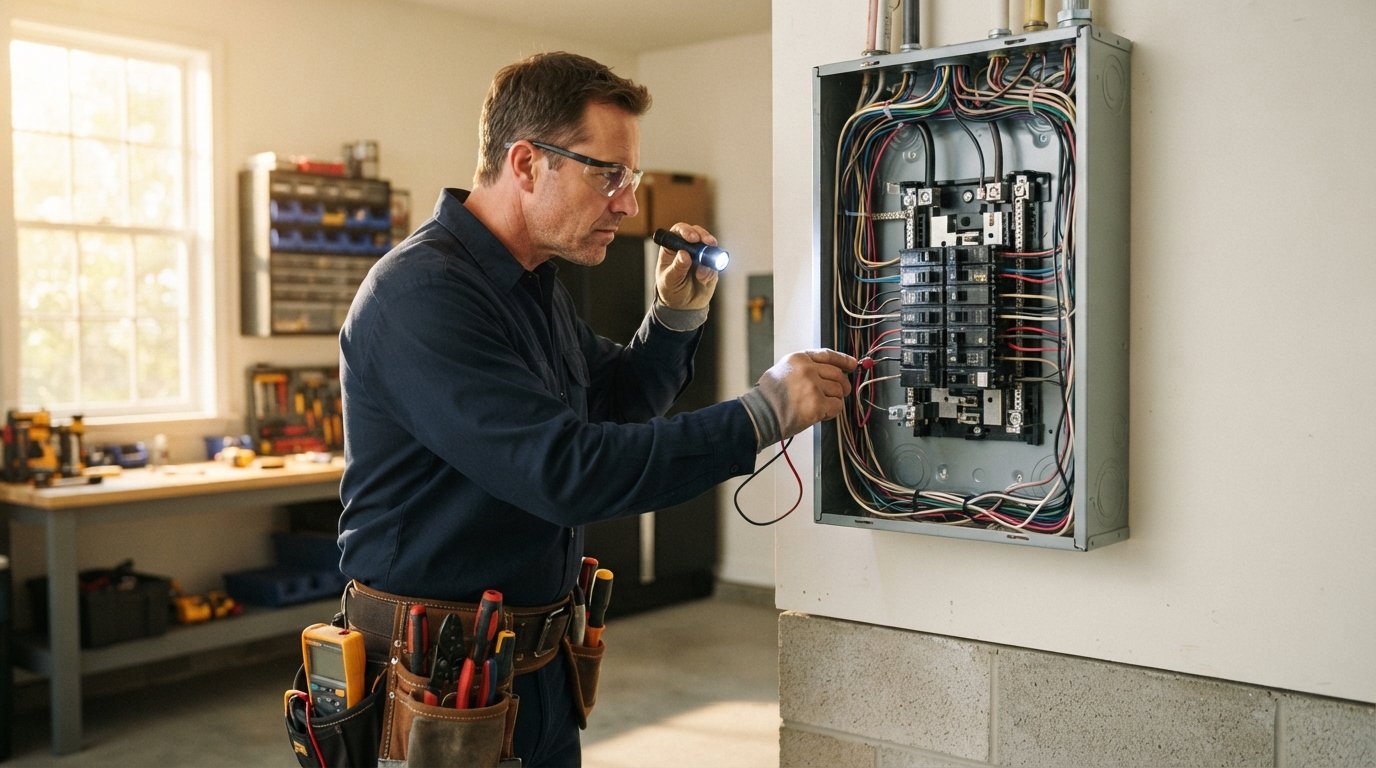
- Any work inside the electrical panel: Breaker replacement, panel upgrades, and adding circuits are high-risk tasks that require specialized tools and knowledge.
- Burning smells or visible scorch marks: These are fire hazards. Turn off the affected circuit and call an electrician right away.
- Frequent breaker trips or blown fuses: Repeated issues suggest an underlying problem that a DIY fix will not solve.
- Adding new outlets or circuits: New wiring must meet code and be sized correctly for the load. An electrician ensures it is done safely and legally.
- Whole-house rewiring or panel replacement: Older homes often need updated wiring to handle modern electrical loads. This is a major project that requires permits and inspections.
If you are in doubt, err on the side of caution. Electricians are trained to diagnose problems quickly and safely, and many offer free or low-cost estimates for larger projects. For a deeper dive into the repair process, you can read more about electrical repair made easy and see how professionals approach common issues.
Understanding Your Electrical Panel and Wiring
The electrical panel is the heart of your home's power system. It distributes electricity from the utility line to individual circuits and houses the breakers that protect against overloads and short circuits. Knowing the basics of your panel can help you communicate more effectively with an electrician and spot potential problems early.
Most modern homes have a 200-amp panel, which is sufficient for typical appliances and lighting. Older homes may have 60-amp or 100-amp panels that struggle to keep up with today's electrical demands. If you frequently trip breakers or are planning to add a major appliance like an electric vehicle charger or a hot tub, a panel upgrade might be necessary. This is a job for a licensed electrician, as it involves disconnecting power and working with high voltage.
Wiring is the other half of the equation. Copper wiring is standard in modern homes, but some older houses still have aluminum wiring, which can loosen over time and create fire hazards. Knob-and-tube wiring, found in very old homes, lacks a grounding conductor and is often unsafe by today's standards. If your home has these older wiring types, a professional inspection is a wise investment.
Grounding is another critical component. A properly grounded system provides a safe path for electricity to dissipate in the event of a fault. Without it, you and your appliances are at risk. If you are unsure about your home's grounding, an electrician can test it and recommend upgrades.
Electrical Repair and Your Remodeling Project
If you are planning a renovation, electrical work should be part of the conversation from the start. Whether you are remodeling a kitchen, finishing a basement, or adding a bathroom, you will likely need new outlets, lighting, and possibly dedicated circuits for appliances. Integrating electrical repairs and upgrades into your remodeling plan saves time and money compared to retrofitting later.
For example, a kitchen remodel often involves adding outlets for small appliances, under-cabinet lighting, and a dedicated circuit for the microwave or refrigerator. A bathroom remodel requires GFCI outlets for safety and may need a new exhaust fan circuit. A basement finishing project typically involves adding circuits, outlets, and lighting, as well as ensuring the panel can handle the additional load.
When you work with a general contractor, they will coordinate with an electrician to ensure the electrical work is done to code and on schedule. If you are managing the project yourself, hire a licensed electrician early in the planning process to assess your existing system and recommend upgrades. This proactive approach helps you avoid surprises and keeps your project on budget.
For homeowners in the United States seeking qualified contractors for electrical repairs and other home improvement services, resources like PlanRemodel's contractor directory can connect you with pre-vetted professionals. The site offers educational articles and a FAQ hub to help you make informed decisions, complementing the guidance you will find here.
How to Choose a Qualified Electrical Contractor
Hiring the right electrician is about more than finding the lowest bid. You want someone who is licensed, insured, and experienced with the type of work you need. Here is a step-by-step approach to vetting electrical contractors.
- Verify licensing and insurance: Ask for the contractor's license number and confirm it with your state's licensing board. Also, request a certificate of insurance to ensure you are not liable for accidents on the job.
- Ask about experience and specialties: Some electricians focus on residential service calls, while others specialize in new construction or panel upgrades. Make sure their expertise matches your project.
- Get multiple quotes: Obtain at least three written estimates that detail the scope of work, materials, and timeline. Compare not just price but also what is included.
- Check references and reviews: Ask for references from recent clients and read online reviews. Look for consistent feedback about punctuality, quality, and communication.
- Clarify permits and inspections: For major work, the contractor should pull the necessary permits and arrange inspections. This protects you and ensures the work meets code.
Once you have selected a contractor, get a written contract that outlines the work, payment schedule, and warranty. Avoid paying the full amount upfront; a deposit of 10 to 30 percent is typical, with the balance due upon completion. Keep all documentation for your records, as it may be useful for future home sales or insurance claims.
Safety First: What You Can Do Before Help Arrives
If you notice an electrical problem, there are a few safe steps you can take while waiting for a professional. First, if you smell burning or see smoke, turn off the main breaker if it is safe to do so, and evacuate the home if necessary. Call 911 if there is an active fire. For less urgent issues, such as a dead outlet or a flickering light, you can turn off the circuit at the panel to prevent further damage.
Never attempt to repair wiring or open the electrical panel yourself unless you are qualified. Even with the power off, there may be live wires or stored energy in capacitors. DIY electrical work is a leading cause of home fires and injuries. Instead, use the time to document the problem with photos and notes, which will help the electrician diagnose the issue faster.
It is also wise to keep a basic electrical safety kit on hand: a voltage tester, a flashlight, and a fire extinguisher rated for electrical fires. These items can help you respond safely to minor issues and give you peace of mind.
Frequently Asked Questions About Electrical Repair
Homeowners often have questions about electrical repairs, and getting clear answers can help you make better decisions. Here are some of the most common inquiries.
How much does an electrical repair cost? Costs vary widely depending on the issue. A simple outlet replacement might cost $100 to $250, while a panel upgrade can range from $1,500 to $4,000 or more. Complex rewiring projects can exceed $10,000. Always get a written estimate before work begins.
Can I do electrical repairs myself? Minor tasks like replacing a light switch or a GFCI outlet are within reach for experienced DIYers, but anything involving the panel, new wiring, or troubleshooting unknown issues should be left to a licensed electrician. Safety and code compliance are paramount.
How often should I have my electrical system inspected? The general recommendation is every 10 years for most homes, or every 5 years for older homes or those with aluminum wiring. An inspection can catch potential problems before they become emergencies.
What are the signs of a serious electrical problem? Burning smells, scorch marks, frequent breaker trips, and buzzing sounds are red flags. If you notice any of these, contact an electrician immediately.
Reading more about electrical repair empowers you to ask the right questions and make informed choices. Whether you are dealing with a minor issue or planning a major renovation, a basic understanding of your home's electrical system is a valuable asset.
Preventive Maintenance for Your Electrical System
Preventive maintenance is the best way to avoid costly electrical repairs and keep your home safe. A few simple habits can go a long way toward extending the life of your electrical system and catching problems early.
- Test GFCI and AFCI outlets monthly: Press the test and reset buttons to ensure they are working properly. These devices protect against shock and arc faults.
- Avoid overloading circuits: Do not plug too many high-wattage appliances into a single outlet or power strip. Distribute the load across circuits.
- Inspect cords and plugs regularly: Replace frayed or damaged cords and avoid running them under rugs or furniture where they can overheat.
- Keep the panel area clear: Ensure at least three feet of clearance around the electrical panel for safety and accessibility.
- Schedule a professional inspection: Every few years, have a licensed electrician inspect your panel, wiring, and outlets for signs of wear or overheating.
These habits are simple but effective. They help you spot potential issues before they escalate and give you confidence that your home's electrical system is in good shape.
Final Thoughts
Electrical repair is not a topic to gloss over. From flickering lights to panel upgrades, the work you do (or hire out) has lasting implications for your safety, comfort, and home value. By taking the time to read more about electrical repair, you are already ahead of the curve. Use this guide as a starting point, ask questions, and never hesitate to call a licensed professional when the stakes are high.
For homeowners ready to tackle electrical repairs or any remodeling project, connecting with a qualified contractor is the next step. Whether you need a simple outlet fix or a full system upgrade, the right professional can help you get the job done safely and efficiently. Call (833)-365-8755 to speak with a team that can guide you toward the best solution for your home.