Prevent Plumbing Damage and Protect Your Home
"*" indicates required fields
A slow drip under the sink, a toilet that runs too long, a forgotten garden hose… these small things might seem harmless, but over time, they can lead to major plumbing disasters. Water is powerful, and even minor leaks can cause thousands of dollars in damage to your floors, walls, and belongings. The good news is that with some simple knowledge and proactive habits, you can dramatically reduce your risk and keep your home safe and dry.
Understanding Plumbing Damage Prevention
Preventing plumbing damage isn’t about being a master plumber. It’s about smart, proactive home care. It means taking simple steps to stop small problems from becoming big, expensive emergencies.
Think of it like maintaining your car. You change the oil and rotate the tires not because they’re broken, but to prevent a breakdown. Your home’s plumbing system needs the same thoughtful attention. By understanding how your pipes and fixtures work and what stresses them, you become the first line of defense for your property.
Why It Matters for Homeowners
Ignoring your plumbing is a gamble with very high stakes. A single burst pipe can flood multiple rooms in minutes, ruining drywall, flooring, furniture, and personal treasures. The cost isn’t just in repairs; it’s in the disruption to your life, potential mold growth, and a significant drop in your home’s value.
On the flip side, a little prevention saves a fortune. It protects your biggest investment,your home. It gives you peace of mind, knowing you’re less likely to face a frantic midnight call about a flooded basement. Simple habits like knowing where your main water shut-off valve is can be the difference between a minor cleanup and a catastrophic insurance claim.
Schedule a Plumbing Health Check or call us at (555) 123-4567. Our experts can identify hidden risks before they turn into disasters.
Common Issues and Their Causes
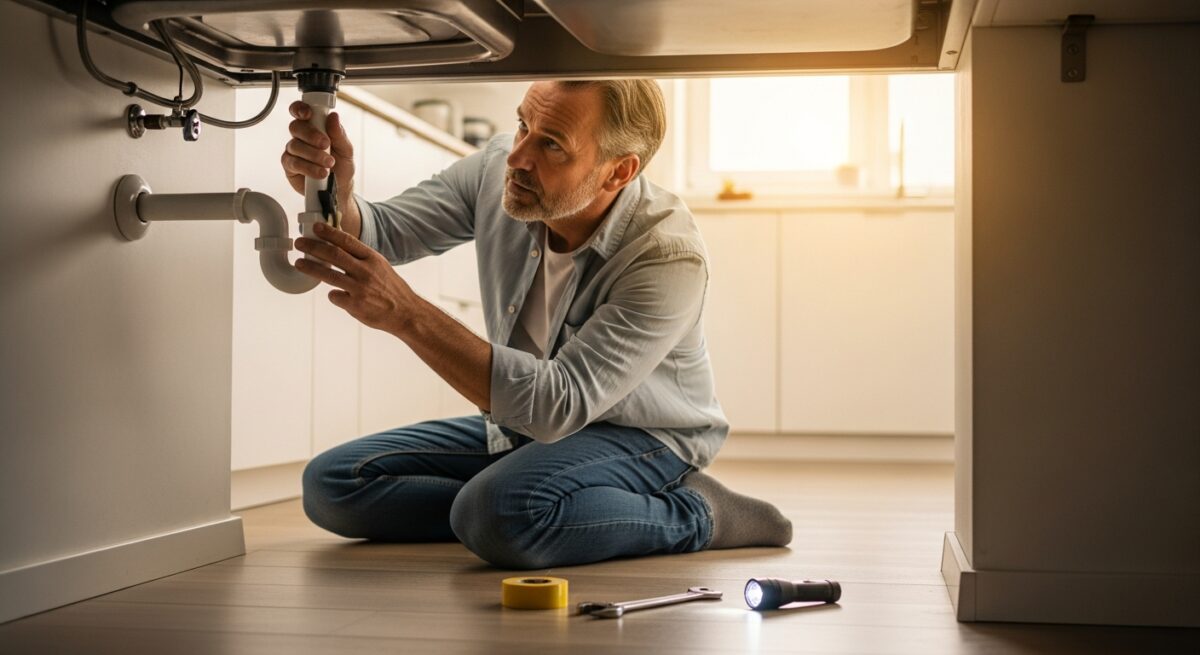
Most plumbing damage stems from a few recurring problems. Clogs are a top culprit, often caused by putting the wrong things down drains. Grease in the kitchen sink, hair in the shower, and non-flushable items in the toilet create blockages that build pressure and can cause leaks or backups.
Another major cause is wear and tear. Over years, pipes can corrode, connections can loosen, and seals can dry out and crack. This is normal aging, but without inspection, it goes unnoticed until a leak appears. External factors like freezing temperatures can cause pipes to freeze and burst, while high water pressure can stress joints and fixtures, leading to premature failure.
- Clogged Drains: From grease, hair, and foreign objects.
- Corroded Pipes: Especially in older homes with galvanized steel.
- Frozen Pipes: In uninsulated areas during winter.
- Failing Appliance Hoses: Washing machine and dishwasher hoses degrade.
- High Water Pressure: Consistently high pressure weakens the entire system.
How Professionals Fix and Prevent Problems
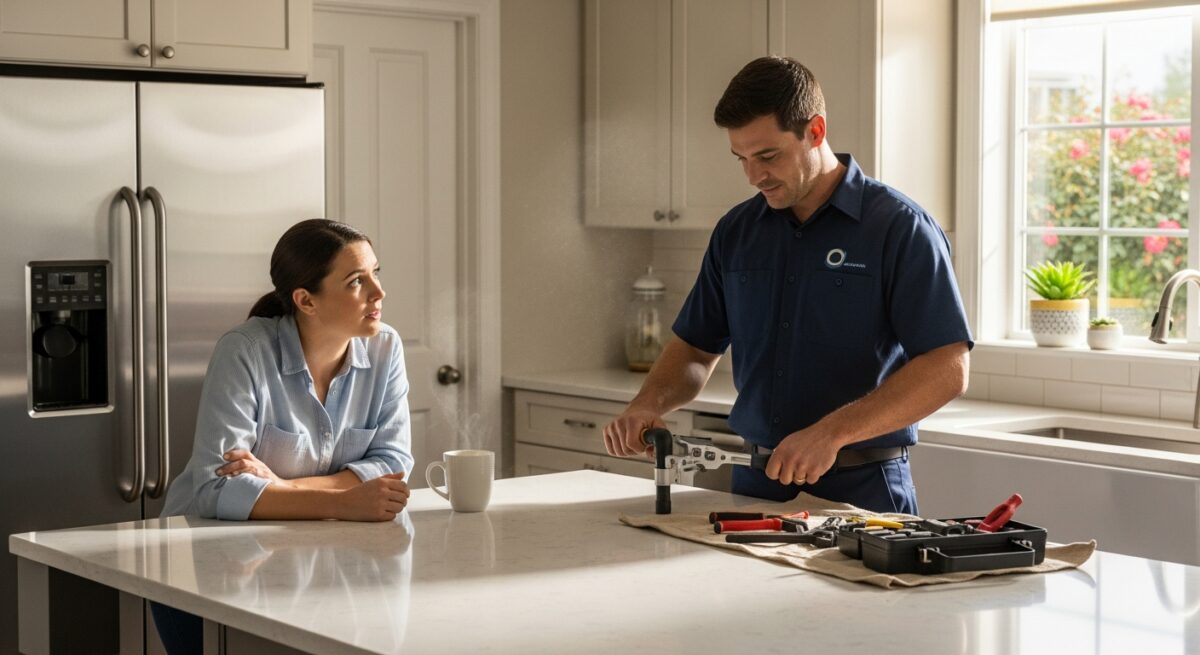
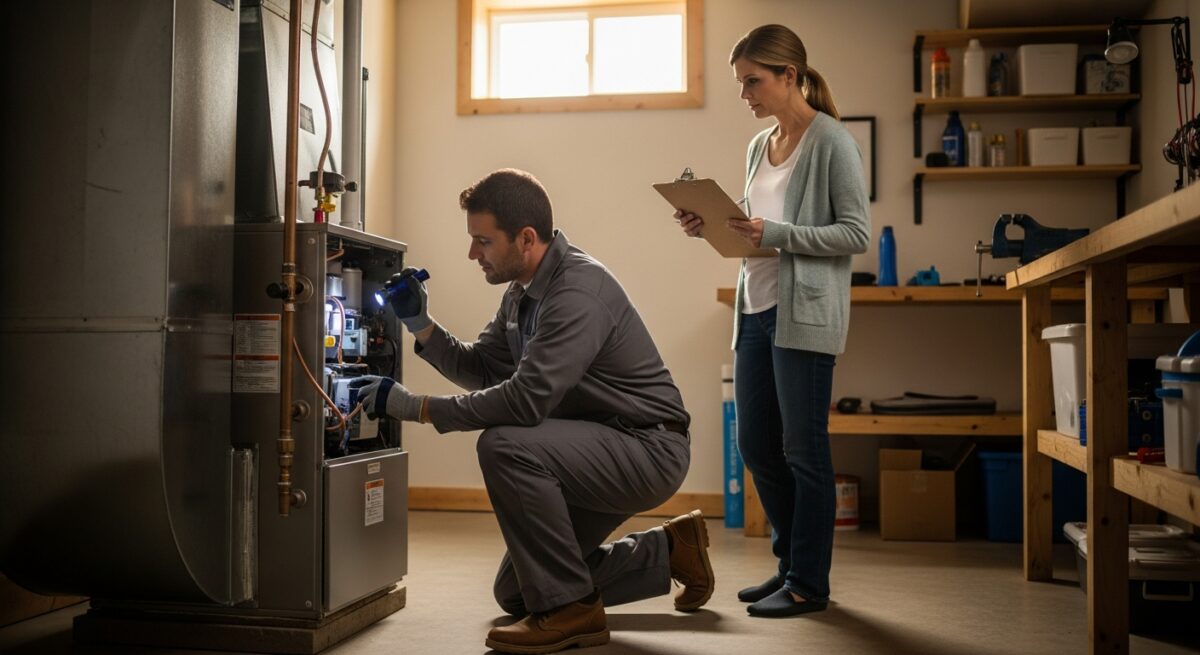
When you call a professional plumber for prevention, they start with a thorough inspection. Using tools like drain cameras, they look inside your pipes for cracks, buildup, or bellies (sags that trap debris). They check water pressure with a gauge and inspect all visible connections, valves, and appliances.
Based on their findings, they perform targeted maintenance. This can include hydro-jetting drains to clear deep blockages, replacing old supply lines with sturdy braided stainless steel hoses, installing a pressure regulator to protect your system, or insulating pipes in cold crawl spaces. Their goal is to address vulnerabilities you can’t see, ensuring everything works as it should.
Explore Our Prevention Services or call (555) 123-4567 for a comprehensive system evaluation.
Signs You Should Not Ignore
Your plumbing system often sends clear distress signals before it fails. Paying attention to these signs can help you call for help at the right time,before a small leak becomes a flood. A musty smell in a cabinet or room can indicate hidden moisture and mold growth from a slow leak.
Listen for unusual sounds, like gurgling from drains or toilets, which suggest a venting issue or blockage. Visibly, look for stains on walls or ceilings, warped flooring, or a meter that runs when all water is off. These are all urgent red flags that require professional diagnosis.
- Unexplained increase in your water bill.
- Slow drains throughout the house.
- Water stains on walls, ceilings, or under sinks.
- The sound of running water when nothing is on.
- Low water pressure from multiple fixtures.
Cost Factors and What Affects Pricing
The cost of plumbing repair or prevention services depends on the job’s scope and complexity. A simple faucet repair or drain cleaning is relatively affordable, while re-piping an entire house or repairing extensive water damage is a significant investment. The materials needed,from standard PVC to copper piping,also influence the final price.
Labor is a major factor. Jobs that require accessing pipes behind walls, under slabs, or in tight crawl spaces take more time and skill. Emergency service, especially after hours or on weekends, typically costs more than a scheduled appointment. Remember, an upfront investment in prevention is almost always far less than the cost of major emergency repairs and water damage restoration.
Get a Free, No-Obligation Estimate or call (555) 123-4567. We provide transparent, upfront pricing for every job.
How To Choose the Right Professional or Service
Choosing the right plumber is as important as the service itself. Always verify that the company is licensed, bonded, and insured. This protects you and your home if something goes wrong. Look for established local companies with strong, verifiable reviews from your neighbors.
A trustworthy professional will be happy to provide references and a detailed, written estimate before starting work. They should communicate clearly, answer all your questions, and stand behind their work with a solid warranty. Avoid anyone who pressures you for immediate payment upfront or only offers vague verbal quotes.
Long-Term Benefits for Your Home
Investing in plumbing prevention pays dividends for years. First and foremost, it safeguards your home’s structure and integrity, preventing rot, mold, and foundation issues caused by water. It extends the lifespan of your pipes, water heater, and appliances, saving you money on premature replacements.
You’ll enjoy lower utility bills from efficient, leak-free fixtures and the priceless comfort of knowing your home is protected. A well-maintained plumbing system is also a strong selling point, adding to your home’s value and appeal when it’s time to sell. It’s one of the smartest, most impactful forms of home maintenance you can do.
Frequently Asked Questions
How often should I have my plumbing inspected?
For most homes, an annual plumbing inspection by a professional is ideal. This yearly check-up can catch small issues like minor leaks, corrosion, or wear on hoses before they cause damage. If your home is older (over 40 years) or you’ve had problems before, you might consider inspections every six months.
What is the single best thing I can do to prevent damage?
Know where your main water shut-off valve is and how to use it. In a major leak emergency, turning off this valve immediately can stop the flood and limit damage dramatically. Take a moment to find it,usually where the main water line enters your home,and label it clearly for everyone in the household.
Are chemical drain cleaners safe to use?
We do not recommend them. While they might clear a minor clog, they are highly corrosive and can damage your pipes over time, especially older metal pipes. They are also hazardous to your health and the environment. For clogs, a plunger or drain snake is safer. For stubborn clogs, a professional hydro-jetting service is the most effective solution.
Should I worry about tree roots in my pipes?
If you have large trees near your main sewer line, yes. Tree roots seek out moisture and can infiltrate small cracks in pipes, causing major blockages and breaks. Signs include frequent drain backups, gurgling toilets, and unusually lush patches in your yard. A professional camera inspection can determine if roots are a problem.
What temperature should I set my water heater to?
The U.S. Department of Energy recommends 120 degrees Fahrenheit. This is hot enough for household needs, reduces the risk of scalding, saves energy, and minimizes mineral buildup and corrosion inside the tank, extending its life.
How can I prevent pipes from freezing in winter?
Insulate pipes in unheated areas like crawl spaces, attics, and garages. On very cold nights, let a trickle of cold water drip from faucets served by exposed pipes. Keep cabinet doors under sinks open to allow warm air to circulate. Know how to shut off water to outdoor spigots and drain those lines before winter.
Is high water pressure really a problem?
Yes. Consistently high pressure (above 80 psi) puts excessive stress on every connection, fixture, and appliance in your plumbing system, leading to leaks and shortened lifespans. A plumber can test your pressure and install a pressure-reducing valve if needed, which is a relatively inexpensive upgrade for long-term protection.
When should I replace my washing machine hoses?
Inspect them annually for bulges, cracks, or brittleness. Even if they look fine, replace standard rubber hoses every 3-5 years. For the best protection, upgrade to braided stainless steel mesh hoses, which are much more resistant to bursting and often come with longer warranties.
Your home’s plumbing is its circulatory system, and keeping it healthy doesn’t have to be complicated. By combining simple daily habits with the expertise of a trusted professional for regular check-ups, you build a powerful defense against water damage. Don’t wait for a disaster to pay attention to your pipes. Take control today for a safer, drier, and more valuable home tomorrow.