Plumbing Leak Detection: Protect Your Home from Hidden Water Damage
"*" indicates required fields
A small, hidden leak in your plumbing can cause thousands of dollars in damage before you even notice a problem. Water is relentless, and when it escapes from pipes inside your walls, under your floors, or beneath your foundation, it silently weakens structures, encourages mold growth, and wastes your money. That’s why professional plumbing leak detection is not just a repair service,it’s a critical investment in protecting your home’s health, safety, and value.
Understanding Plumbing Leak Detection
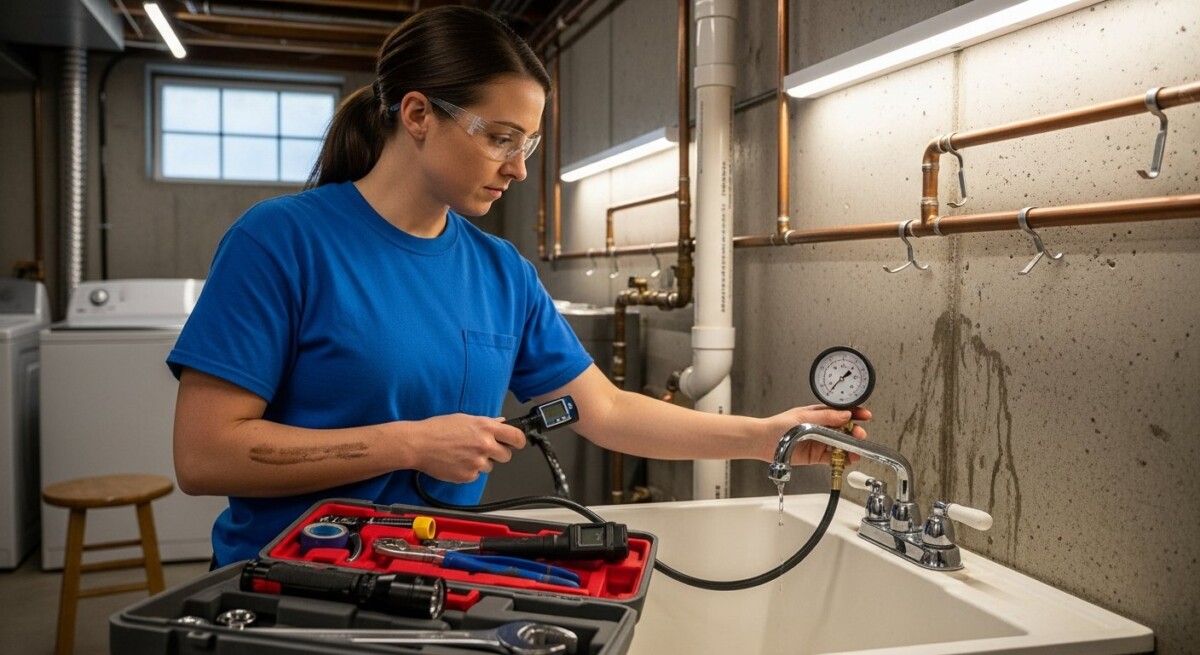
Plumbing leak detection is the specialized process of finding the exact source of a water leak, even when it’s not visible. It goes far beyond simply noticing a wet spot on the ceiling. Professional technicians use advanced tools and methods to listen for, see, or trace water movement behind walls, under concrete slabs, and deep within your plumbing system.
This proactive approach is essential because most of your home’s plumbing is hidden from view. By the time you see staining or feel dampness, the leak may have been active for weeks or months. Effective detection pinpoints the problem with minimal disruption, saving your walls, floors, and sanity from unnecessary damage during the repair process.
More Than Just a Visual Check
A professional inspection involves technology that homeowners simply don’t have access to. These tools allow experts to find leaks with surgical precision, meaning the repair can be focused and efficient, avoiding guesswork and extensive exploratory demolition.
Why It Matters for Homeowners
Ignoring a potential leak or putting off detection can have serious consequences. Water damage is a leading cause of home insurance claims and can drastically reduce your property’s value. Beyond the financial hit, persistent moisture creates the perfect environment for mold and mildew, which can lead to health issues for your family, including allergies and respiratory problems.
Early detection saves you money in multiple ways. First, you stop the water waste, which shows up on your utility bill. Second, you limit the structural damage, preventing costly repairs to framing, drywall, and flooring. Finally, you avoid secondary issues like mold remediation, which can be even more expensive than fixing the leak itself. Think of leak detection as a small cost that prevents a catastrophic one.
Ready to stop guessing and start solving? Our detailed guide on plumbing leak repair walks you through the next steps after a leak is found. Call us now at (555) 123-4567 for a precise leak detection assessment.
Common Issues and Their Causes
Leaks can spring from many places in your home’s complex plumbing network. Some are sudden and obvious, but many develop slowly over time due to wear and tear. Understanding common causes helps you know when to be vigilant.
Aging pipes are a primary culprit. Over decades, materials like galvanized steel can corrode from the inside out, while copper pipes can develop pinhole leaks. Even modern PVC pipes can fail if joints weren’t properly sealed or if they are subjected to excessive pressure or freezing temperatures. Shifting foundations and normal house settlement can also stress pipe connections until they fail.
- Corroded Pipes: Chemical reactions inside pipes thin the metal until it springs a leak.
- High Water Pressure: Consistently high pressure strains joints and seals, leading to failure.
- Clogged Drains: Blockages create back-pressure that can crack pipes or loosen fittings.
- Temperature Fluctuations: Freezing and thawing can cause pipes to expand, contract, and burst.
- Faulty Appliance Connections: Washing machine hoses, water heater valves, and dishwasher lines are common failure points.
How Professionals Fix the Problem
The repair process begins with the accurate detection we’ve discussed. Once the exact location and cause are identified, your technician will explain the best repair method. For accessible pipes, this might involve cutting out a damaged section and replacing it with new, approved piping. For leaks at joints, they may reseal or replace the fitting entirely.
For more complex issues, like leaks under a concrete slab foundation, technicians use specialized techniques. This may involve pipe lining, where a new epoxy-coated lining is inserted into the old pipe, or pipe bursting, where a new pipe is pulled through while fracturing the old one away. These trenchless methods often save your landscaping and concrete from being torn up.
- Detection & Diagnosis: Using tools to find the exact leak source and assess the cause.
- Access Planning: Determining the least invasive way to reach the leak.
- Repair Execution: Performing the permanent fix using industry-standard materials and methods.
- System Testing: Pressurizing the repaired line to ensure the leak is fully resolved.
- Restoration: Patching drywall, replacing insulation, or coordinating other repairs as needed.
Don’t let a hidden leak damage your home. Contact our leak detection specialists today at (555) 123-4567 for a fast, accurate solution.
Signs You Should Not Ignore
Your home often sends you signals that something is wrong with your plumbing. Paying attention to these warning signs can mean the difference between a simple repair and a major renovation project. Often, the signs are subtle and easy to dismiss, but they consistently point to an underlying issue.
Unexplained increases in your water bill are one of the clearest indicators. If your water usage habits haven’t changed but your bill is steadily climbing, you likely have a leak. Another telltale sign is the sound of running water when all taps and appliances are off. Listen near walls and floors,a hissing or dripping sound behind them is a red flag.
- Mysterious Water Bills: A sudden, unexplained spike in your monthly water usage.
- Sounds of Running Water: Hearing water flow or drip when no fixture is in use.
- Damp Spots or Stains: Discoloration on walls, ceilings, or floors, especially in a pattern.
- Musty Odors: A persistent earthy, moldy smell in a room, often indicating hidden moisture.
- Foundation Cracks or Soggy Yard: Unexplained wet patches in your lawn or new cracks in your home’s foundation.
Cost Factors and What Affects Pricing
The cost of leak detection and repair varies widely because every situation is unique. A simple leak under a sink will cost significantly less than a leak deep under your home’s concrete slab. The primary cost factors include the leak’s location (how easy it is to access), the type of pipe involved, and the extent of damage already caused.
Detection itself is typically a separate service fee, covering the time and technology used to find the leak. The repair cost then includes labor, materials, and any necessary restoration (like drywall repair). While it may be tempting to choose the lowest bid, remember that proper detection and a quality, permanent repair will save you money by preventing the problem from recurring and causing more damage.
Get an honest, upfront estimate for your specific situation. Call (555) 123-4567 to schedule a professional leak detection service and protect your investment.
How To Choose the Right Professional or Service
Selecting the right team for leak detection is crucial. Look for a licensed, insured plumbing company that specifically mentions leak detection as a specialty. General handymen often lack the sophisticated equipment and training to find hidden leaks. Check for online reviews and ask for references to gauge their reputation for thoroughness and honesty.
A trustworthy professional will explain their detection process, provide a clear estimate for the detection service, and will not recommend major demolition or repairs until they have conclusively found the leak source. They should be able to answer your questions about their equipment (like acoustic listeners or thermal imaging cameras) and the likely repair path. A good rule of thumb is to get more than one opinion for significant leaks, especially if a contractor suggests very invasive exploratory work immediately.
Long-Term Benefits for Your Home
Investing in professional leak detection delivers lasting value. First and foremost, it preserves your home’s structural integrity. Wood rot and compromised foundations are extremely expensive to fix; stopping water intrusion early avoids these nightmares. You also protect your family’s health by preventing the mold and mildew that thrive in damp, hidden spaces.
Furthermore, you gain peace of mind. Knowing that your plumbing system is intact and not secretly wasting water or damaging your home allows you to relax. You’ll also see the benefit in lower utility bills and stable insurance premiums. Ultimately, a home free from water damage is safer, healthier, and maintains its market value for years to come. For a comprehensive look at maintaining a healthy plumbing system, explore our insights on preventing costly water woes through regular maintenance.
Frequently Asked Questions
How do plumbers find leaks behind walls?
They use non-invasive tools like acoustic listening devices that amplify the sound of water escaping, or thermal imaging cameras that show temperature differences caused by dampness. They may also use video pipe inspection cameras to look inside the pipes themselves.
Does homeowners insurance cover leak detection and repair?
It depends on your policy and the cause of the leak. Sudden, accidental leaks (like a burst pipe) are often covered. Damage from a long-term, slow leak may not be. Always check with your insurance provider and report damage promptly.
Can I detect a leak myself?
You can check for obvious signs like dripping faucets or running toilets. To check for hidden leaks, monitor your water meter before and after a two-hour period when no water is used. If it changes, you likely have a leak. However, pinpointing the exact location requires professional equipment.
How long does professional leak detection take?
For a standard single-leak search in an average home, a skilled technician with the right tools can often locate the source within 1-2 hours. Complex situations, like slab leaks, may take longer.
What is a slab leak, and why is it serious?
A slab leak is a water or sewer pipe leak beneath the concrete foundation of your home. It’s serious because it can erode the soil supporting your foundation, leading to cracks and uneven settling, and is very difficult and costly to access for repair.
Will you have to tear up my floors or walls to find the leak?
Not necessarily. A primary goal of professional detection is to minimize damage. Using technology, technicians can often pinpoint the leak so that only a small, targeted area needs to be opened for repair, saving your home from major demolition.
What is the most common cause of household leaks?
Wear and tear on aging plumbing systems is the most common cause. This includes corroded pipes, degraded seals and washers, and loose connections at joints and valves that fail over time.
Addressing a plumbing leak promptly with professional detection is one of the smartest decisions you can make as a homeowner. It stops minor issues from becoming major disasters, protects your family’s health, and safeguards the value of your largest investment. Trusting experts with the right tools and knowledge gives you certainty and a clear path to a dry, secure home.

About Alex Carter
"*" indicates required fields