
Patio Installation: How to Plan and Budget in 2025
Plan and budget a successful patio installation in 2025 with our step-by-step guide, covering materials, costs, and contractor selection.

By Jackson Adams
Learn more about Patio Remodel or Addition for guides, costs, and what to expect.
Compare Patio Remodel or Addition Pros Near You

Enter your ZIP code to compare top-rated local professionals and request free quotes.
Adding a patio is one of the most rewarding home improvement projects you can undertake. It extends your living space outdoors, creates a gathering place for family and friends, and can significantly increase your home's resale value. But a successful patio installation is not just about pouring concrete or laying pavers. It requires careful planning, a realistic budget, and an understanding of the many decisions involved.
Whether you are dreaming of a cozy flagstone retreat or a spacious stamped concrete entertainment zone, this guide walks you through the essential steps of a patio installation. We will cover everything from initial design and material selection to finding the right contractor and managing your project effectively. You will learn how to avoid common pitfalls, ask the right questions, and make informed choices that will ensure your new patio is a durable and beautiful addition to your home for years to come.
Defining Your Patio Project Scope
Before you start contacting contractors, you need to have a clear vision of what you want. The scope of your patio installation project will drive every other decision, from the materials you choose to the final cost. Begin by asking yourself some fundamental questions about how you intend to use the space.
Do you see a simple seating area with a small table for morning coffee? Or are you planning a full outdoor kitchen with a built-in grill, a fire pit, and enough room for a large dining set and lounge chairs? The intended use will determine the size, shape, and features of your patio. A simple walkway or a small sitting area might be a DIY-friendly weekend project, but a large, complex patio with multiple zones and features is a job for experienced professionals.
Key Questions to Consider
- Function: What activities will take place on the patio? Dining, lounging, cooking, or playing?
- Size: How many people should it comfortably accommodate? Measure your existing outdoor furniture to get a sense of required space.
- Access: How will the patio connect to your home's interior? A sliding glass door, a French door, or a simple walkway?
- Site Conditions: Is your yard flat or sloped? Is there good drainage? Are there any underground utilities or tree roots that could be a problem?
- Permits: Does your local municipality require a building permit for a patio installation? This is a crucial step that is often overlooked.
Once you have a clear picture of your functional needs, you can start thinking about aesthetics. Browse home improvement websites, magazines, and social media platforms for inspiration. Save photos of patios you like and note the materials, colors, and styles. This will be invaluable when you discuss your project with a contractor, as it helps bridge the gap between your vision and practical implementation.
Choosing the Right Patio Materials
The material you choose for your patio surface is one of the most significant decisions you will make. It affects the look, durability, maintenance requirements, and cost of your project. There is no single "best" material; the right choice depends on your climate, budget, and personal style. Here is a breakdown of the most popular options to help you narrow things down.
Each material has its own set of trade-offs. For example, natural stone offers a high-end, unique look but can be expensive and requires periodic sealing. Concrete is versatile and affordable but can crack in extreme freeze-thaw cycles if not properly installed. Pavers are durable and easy to repair, but the base preparation is critical to prevent settling over time.
Comparing Popular Patio Materials
- Concrete: A budget-friendly and highly versatile option. It can be poured in any shape, and techniques like stamping and staining can mimic the look of stone or brick at a lower cost. Requires proper sealing to resist stains and weathering.
- Pavers (Concrete, Brick, or Stone): Individual units laid on a prepared base of sand and gravel. They are extremely durable, easy to replace if damaged, and offer a classic, timeless look. Installation is more labor-intensive, which can increase costs.
- Flagstone: Natural stone slabs in varying thicknesses and colors. It provides a unique, organic appearance that blends well with landscaping. Flagstone is durable but has an uneven surface, which may be a consideration for furniture or high-heeled shoes.
- Gravel or Decomposed Granite: A low-cost, permeable, and informal option. It is easy to install and provides excellent drainage. However, it requires regular raking and replenishing, and it can be uncomfortable to walk on with bare feet.
When comparing materials, think about the long-term maintenance and the climate in your region. In areas with heavy rain, a permeable material like gravel or certain types of pavers can help manage stormwater runoff. In hot, sunny climates, lighter-colored materials will reflect heat rather than absorb it, keeping the surface cooler. Do not be afraid to ask your contractor for samples so you can see and feel the materials in person before making a final decision.
Setting a Realistic Patio Installation Budget
One of the most common reasons patio projects go over budget is a lack of upfront planning. A realistic budget should account for more than just the cost of materials and labor. You need to consider site preparation, permits, and potential unexpected issues that can arise once the ground is broken. A well-prepared budget will help you avoid financial stress and make informed choices about where to spend and where to save.
The cost of a patio installation can vary widely, from a few thousand dollars for a simple gravel or concrete pad to tens of thousands for a large, custom paver or flagstone patio with built-in features. To get an accurate estimate, you will need to gather detailed quotes from several contractors. But before you do that, you can create a rough budget framework to guide your expectations.
Components of a Patio Budget
- Materials: This includes the surface material (concrete, pavers, stone), as well as base materials like gravel and sand, and edge restraints.
- Labor: The cost of professional installation, which includes site excavation, ground leveling, and laying the patio.
- Permits and Inspections: Fees charged by your local government for a building permit and any required inspections.
- Site Preparation: Costs for removing an old patio, clearing vegetation, or addressing drainage issues.
- Additional Features: Built-in seating, fire pits, outdoor kitchens, lighting, and electrical work will add to the total cost.
Once you have these figures, you can see where your money is going. If your budget is tight, you might decide to use a less expensive material, reduce the size of the patio, or phase the project by adding features like an outdoor kitchen later. It is always wise to set aside a contingency fund of 10 to 15 percent of your total budget for unexpected challenges, such as encountering solid rock during excavation or discovering an old, buried utility line.
Hiring the Right Patio Installation Contractor
Choosing the right contractor is arguably the most critical step in the entire process. A skilled and reputable contractor will ensure your patio is built correctly, in compliance with local codes, and will stand the test of time. A poor choice can lead to shoddy workmanship, delays, and costly repairs down the road. Your research and due diligence at this stage will pay off immensely.
Start by asking for recommendations from friends, family, and neighbors who have had similar work done. You can also use online platforms like 180 Remodel to connect with vetted professionals in your area. When you have a list of potential contractors, interview each one. Ask about their experience with patio installation specifically, request references from past clients, and verify that they are properly licensed and insured.
Questions to Ask Potential Patio Contractors
- How many patio installation projects have you completed in the past year?
- Can you provide a detailed, written estimate that includes all materials, labor, and cleanup?
- Will you obtain the necessary building permits?
- What is your estimated timeline for the project, and what factors could cause delays?
- Do you offer a warranty on your workmanship?
Do not automatically choose the lowest bid. A significantly lower estimate may mean the contractor is cutting corners on materials, using less experienced labor, or planning to charge you extra for items that are included in other quotes. Compare the details of each estimate carefully. The contractor who takes the time to thoroughly understand your project and provides a comprehensive, transparent quote is often the best choice, even if their price is slightly higher.
Understanding the Patio Installation Process
Knowing what to expect during the actual patio installation will help you prepare and communicate effectively with your contractor. While the specific steps can vary depending on the material and complexity of the project, there is a general sequence that most installations follow. Being aware of this process will also help you monitor progress and ensure the work is being done correctly.
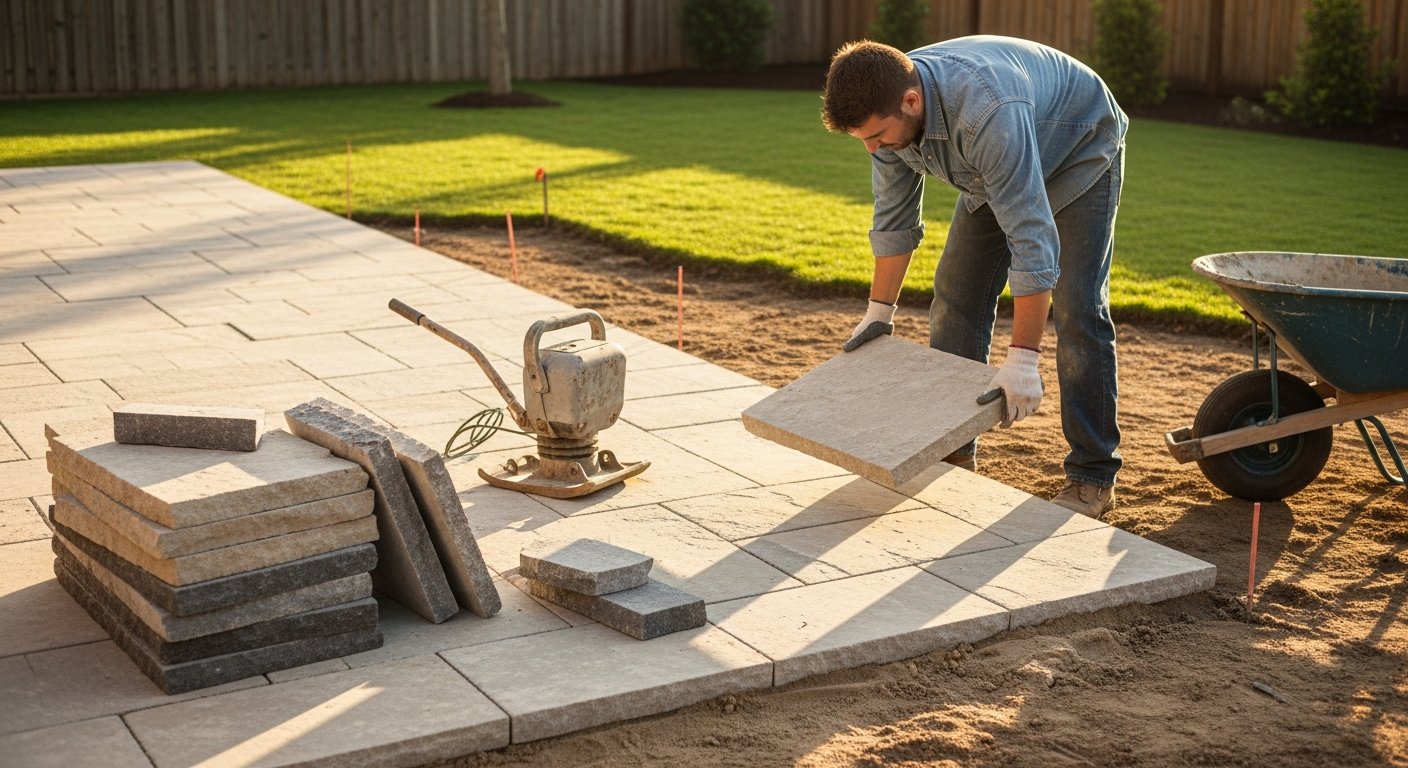
A typical installation begins with site preparation. The area is marked out, and the existing grass or old patio is removed. The ground is then excavated to a depth that accommodates the base layers and the surface material. This is the most labor-intensive part of the job and is crucial for the long-term stability of your patio. Proper base preparation prevents settling and cracking over time.
Steps in a Standard Patio Installation
- Site Marking and Excavation: The contractor marks the patio area and excavates the ground to the required depth.
- Base Layer Installation: A layer of crushed stone or gravel is spread and compacted to create a solid, stable foundation. A sand layer is often added on top for leveling.
- Edge Restraints: Plastic or metal edging is installed around the perimeter to keep the paving materials in place and prevent spreading.
- Material Installation: The surface material (pavers, stone, or concrete) is installed according to the chosen pattern and design.
- Finishing Touches: For pavers, joints are filled with sand. For concrete, a sealer is applied. Finally, the area is cleaned up and inspected.
Once the installation is complete, it is important to understand the recommended maintenance for your new patio. Sealing concrete or pavers helps protect against stains and weathering, and it may need to be reapplied every few years. Sweeping and occasional washing will keep the surface clean. With proper care, your patio will remain a beautiful and functional outdoor space for decades.
How 180 Remodel Can Simplify Your Patio Project
Planning a patio installation can feel overwhelming with so many decisions to make and details to manage. That is where 180 Remodel can help. As a lead generation platform, we connect homeowners with professional contractors who specialize in a wide range of home improvement services, including patio and deck construction. Our goal is to make the process of finding a qualified expert as simple and stress-free as possible.
Instead of spending hours searching online and calling multiple contractors individually, you can submit one request through our platform. We then match you with top-rated professionals in your area who are available to take on your project. This saves you valuable time and ensures you are only considering contractors who are vetted and ready to provide competitive quotes. We help you get multiple estimates so you can compare pricing and choose the best fit for your needs and budget.
Our service is free for homeowners, and we are committed to providing quick, customized, and affordable solutions. Whether your project is a small, simple patio or a large, complex outdoor living area, we have the network to connect you with the right expertise. We also provide educational resources and FAQs to help you make informed decisions throughout your renovation journey. When you are ready to move forward with your patio installation, let 180 Remodel help you find the perfect contractor.
Planning a successful patio installation is a journey, but with careful preparation and the right professional help, the result will be an outdoor space that enhances your home and your lifestyle for years to come. Take the time to define your vision, understand your material options, set a realistic budget, and choose your contractor wisely. The effort you put into the planning phase will directly contribute to the quality and longevity of your finished patio.
Learn more about Patio Remodel or Addition for guides, costs, and what to expect.
Compare Patio Remodel or Addition Pros Near You
Enter your ZIP code to compare top-rated local professionals and request free quotes.