
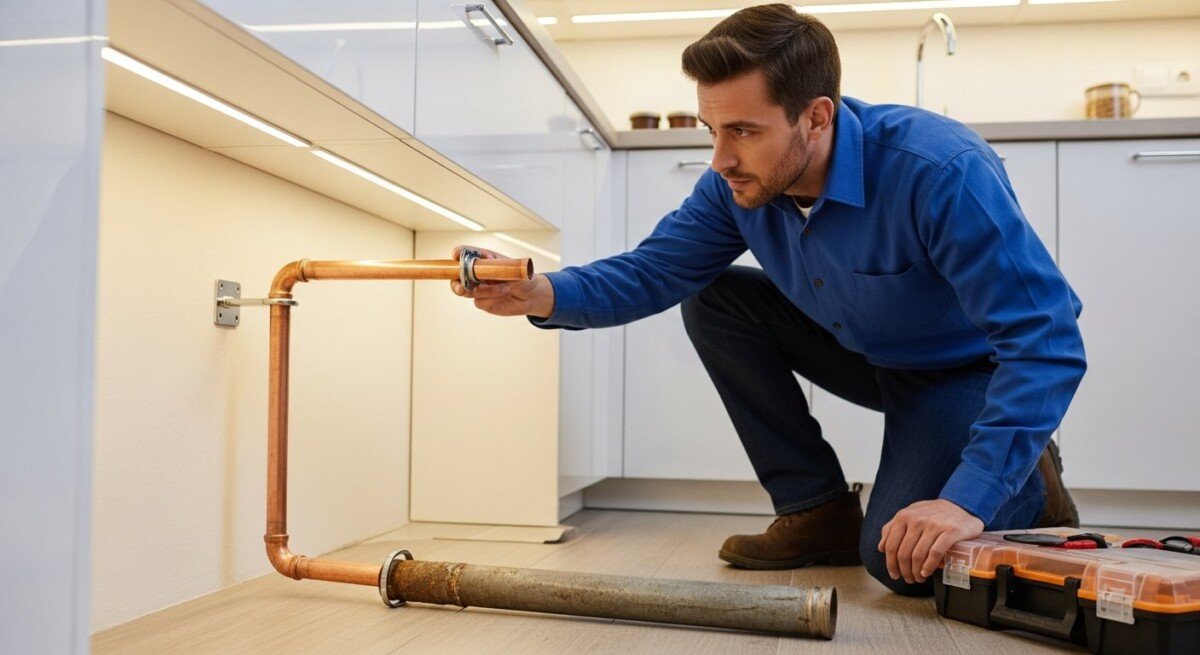
Outdated Plumbing Replacement: A Homeowner’s Guide
A practical guide for homeowners on recognizing outdated plumbing, understanding the risks, and navigating the professional replacement process to protect your home.

By Alex Carter
Learn more about Plumbing Pipe Repair for guides, costs, and what to expect.
Compare Plumbing Pipe Repair Pros Near You

Enter your ZIP code to compare top-rated local professionals and request free quotes.
You turn on the faucet and the water comes out a rusty brown. Your water pressure seems weaker every month, and you hear strange groans from the pipes behind the walls. These aren’t just minor annoyances; they’re often the first whispers from an aging plumbing system crying out for help. For many homeowners, the discovery of outdated plumbing happens slowly, through a series of small, frustrating clues. Ignoring these signs, however, can lead to catastrophic leaks, severe water damage, and a staggering repair bill that could have been avoided. Understanding when and why to consider a full or partial outdated plumbing replacement is key to protecting your biggest investment: your home.
Understanding Outdated Plumbing Replacement
Outdated plumbing replacement is the process of removing old, failing, or unsafe pipes and fixtures and installing a modern, reliable system. It’s not just a repair for a single leak; it’s a proactive solution for a network that’s reached the end of its useful life. This work ensures water flows safely and efficiently throughout your house, from the main supply line to every sink, toilet, and appliance.
Plumbing materials and standards have evolved dramatically over the decades. What was once considered state-of-the-art can now be a liability. Systems wear out due to constant water pressure, mineral buildup, and simple age. The goal of replacement is to stop the cycle of constant fixes and provide a durable, long-term solution for your home’s water infrastructure.
This issue most commonly affects homes built before the 1980s, but even newer homes can have problematic materials if shortcuts were taken. If your home has its original plumbing, it’s wise to understand its condition and your options for updating it.
Which Pipes Are Considered Outdated?
Certain materials are red flags for plumbers. Galvanized steel pipes, common in homes built before the 1960s, corrode from the inside out, leading to low pressure and contaminated water. Polybutylene (PB) pipes, used from the 1970s to mid-1990s, are prone to sudden failure at the fittings. Even older copper pipes can develop pinhole leaks over time. A professional can identify what’s in your walls and assess its risk.
Why This Matters for Your Home
Your plumbing is hidden behind walls and under floors, making it easy to forget,until something goes wrong. An outdated system isn’t just an inconvenience; it’s a threat to your home’s structure, your family’s health, and your wallet. A single burst pipe can flood multiple rooms in minutes, ruining drywall, flooring, and personal belongings.
Beyond property damage, there are real safety concerns. Corroded pipes can leach metals like lead into your drinking water, posing serious health risks. Persistent leaks hidden inside walls promote toxic mold growth, which can affect air quality. Furthermore, inefficient plumbing wastes thousands of gallons of water annually, driving up your utility bills for no reason.
Delaying replacement often means paying more in the long run. You might spend hundreds on patching individual leaks, only to have another spring next month. A full replacement, while an investment, solves the root problem. It transforms a constant worry into a reliable system, protecting your home’s value and your peace of mind.
If you notice signs of this issue in your home, it may help to speak with a qualified contractor. Request a free quote or call to explore your repair or remodeling options.
Common Problems Homeowners Experience
Outdated plumbing announces its decline in several ways. Homeowners often describe a gradual decline in performance, followed by more urgent and damaging failures. The problems usually start small but compound over time, indicating a system-wide issue rather than a one-off flaw.
You might notice that repairs are becoming more frequent. A fixed leak in the kitchen is followed by a dripping pipe in the basement, then a running toilet that won’t stop. This pattern suggests the entire system is aging uniformly. The materials have simply worn out, and patching one weak spot only increases pressure on the next.
These issues aren’t just about water flow; they affect your daily life and the integrity of your home. Here are the most common problems linked to outdated plumbing:
- Persistently Low Water Pressure: Caused by mineral buildup and corrosion narrowing the inside of pipes.
- Discolored Water: Brown, yellow, or rusty water indicates corroding pipes are flaking into your water supply.
- Frequent Leaks: A sign of widespread pipe fatigue and failure at joints and seams.
- Unexplained Water Bill Spikes: Often caused by hidden leaks you haven’t discovered yet.
- Poor Hot Water Delivery: Long waits for hot water or inconsistent temperature due to flow restrictions.
- Structural Damage: Stained ceilings, warped floors, or damp spots on walls from slow, hidden leaks.
How Professionals Solve the Problem
A professional plumbing contractor doesn’t just fix leaks; they provide a comprehensive solution. The process begins with a thorough inspection, often using camera technology to see inside your walls and diagnose the full extent of the problem. This allows them to create a tailored plan that addresses your home’s specific needs and layout.
Modern replacement techniques are far less invasive than the “rip-out-all-the-walls” image many homeowners fear. Methods like trenchless pipe lining or pipe bursting can often replace sewer lines with minimal digging. For indoor water lines, plumbers use strategic access points to minimize damage to your home’s finish, saving you time and restoration costs.
Here is a typical process for a professional outdated plumbing replacement:
- Inspection & Assessment: A licensed plumber evaluates your entire system, identifies problematic materials, and locates hidden issues.
- Detailed Proposal: You receive a clear scope of work, material options (like PEX or copper), and a transparent cost estimate.
- Strategic Planning: The contractor plans the project to minimize disruption, often completing major work in a single day or over a few scheduled days.
- Professional Installation: Old pipes are removed and new, code-compliant materials are installed with proper fittings and supports.
- System Testing & Inspection: The new system is pressure-tested, checked for leaks, and inspected to ensure it meets all safety standards.
- Cleanup & Final Walkthrough: The work area is cleaned, and the contractor explains the new system and any maintenance tips.
A professional inspection can reveal hidden issues before they become expensive repairs. Compare contractor quotes here or call to discuss your project.
Warning Signs You Should Not Ignore
Your home gives you clues long before a pipe bursts. Learning to recognize these early warning signs can mean the difference between a planned upgrade and a costly emergency. Think of these signs as your plumbing system’s way of asking for help while the problem is still manageable.
Some signs are obvious, like a puddle on the floor. Others are more subtle, like a faint musty smell in a bathroom that hints at moisture inside a wall. Paying attention to changes in your water’s appearance, taste, or pressure is crucial. These changes rarely reverse themselves; they typically indicate a progressing issue.
If you notice any of the following, it’s time to call a professional for an evaluation:
- Visible Corrosion or Crust: Chalky white or blue-green buildup on pipe fittings or valves.
- Recurring Clogs: Frequent drain backups, especially in multiple fixtures, can signal deteriorating sewer lines.
- Water Stains: Yellow or brownish stains on walls or ceilings, often in a line or around fixtures.
- Unusual Noises: Loud knocking (water hammer), gurgling drains, or creaking/groaning when water is running.
- Damp Cabinets or Walls: A feeling of dampness, soft spots, or peeling paint under sinks or near plumbing fixtures.
- Poor Drainage: Water that drains slower than usual, indicating buildup or collapse in the lines.
What Affects the Cost of Repairs or Installation
The cost of replacing outdated plumbing isn’t a one-size-fits-all number. Several key factors determine the final price, which is why personalized estimates are so important. Understanding these factors can help you make informed decisions and budget appropriately for this vital home improvement.
The size and layout of your home are primary drivers. A two-story home with multiple bathrooms will naturally cost more to replumb than a single-story ranch. The type of piping material you choose,such as durable PEX, reliable copper, or CPVC,also affects material costs. Labor is a significant portion, influenced by the complexity of the job and local wage rates.
Other important considerations include the accessibility of your pipes. If they’re easily reachable through a basement or crawlspace, the job will be less expensive than if walls and floors need to be opened. The age of your home can introduce surprises, like needing to update other systems to meet current building codes once walls are open. A reputable contractor will factor all of this into a detailed quote.
Costs can vary depending on the condition of your home. The best way to know the price is to get a personalized estimate. Request free quotes from contractors or call today.
How to Choose the Right Contractor
Selecting the right professional is the most important step in your plumbing replacement project. This is not a job for a general handyman; it requires a licensed, insured, and experienced plumbing contractor. The right partner will ensure the work is done safely, to code, and with a warranty that protects your investment.
Start by verifying credentials. A valid state or local plumbing license and adequate liability insurance are non-negotiable. This protects you if anything goes wrong during the project. Don’t hesitate to ask for proof of insurance and check the status of their license online. This is a basic step that trustworthy contractors expect and welcome.
Follow these tips to find a reliable professional:
- Get Multiple Quotes: Compare detailed estimates from at least three licensed contractors. The lowest price isn’t always the best value.
- Check Reviews and References: Read online reviews and ask for references from recent, similar jobs. Call those past clients.
- Ask About Permits: A major replumb usually requires a permit. A reputable contractor will handle this process.
- Review the Warranty: Understand what is covered (both parts and labor) and for how long. A strong warranty reflects confidence in their work.
- Assess Communication: Choose a contractor who listens, answers your questions clearly, and provides a written, detailed contract.
Long-Term Benefits of Professional Work
Investing in a professional plumbing replacement pays dividends for years to come. The immediate benefit is the end of leaks, low pressure, and worries about water quality. But the advantages extend much further, impacting your home’s efficiency, safety, and market value in a positive way.
New plumbing systems are far more efficient. You’ll likely see a reduction in your water and energy bills, as modern fixtures use less water and hot water reaches fixtures faster. This efficiency is both good for your wallet and the environment. Furthermore, you gain the peace of mind that comes with knowing your drinking water is flowing through safe, clean pipes.
Perhaps one of the most significant benefits is the protection of your home’s value. A recently replaced plumbing system is a major selling point that can make your home more attractive to future buyers. It removes a common point of negotiation and inspection failure. You’re not just fixing a problem; you’re enhancing your home’s infrastructure for the long haul, preventing future disasters and creating a safer, more comfortable living space for your family.
How long does a plumbing replacement typically take?
The timeline varies based on the home’s size and complexity. A full-house replumb for an average home can often be completed by a skilled crew in 2-5 days. Smaller, partial replacements may take just a day. Your contractor should provide a clear schedule upfront and work efficiently to minimize disruption to your household.
Will my walls and floors be torn up?
Not necessarily. Professional plumbers use techniques to access pipes with minimal damage. They often work through existing openings, crawlspaces, and basements. Some strategic cutting may be required, but a good contractor will patch and repair any openings as part of the job, leaving your home clean and intact.
What are the best pipes to use for replacement?
Today’s most common and reliable options are PEX (cross-linked polyethylene) and copper. PEX is flexible, resistant to scale, and often easier to install. Copper is durable and has a long history of reliable performance. Your contractor can discuss the pros, cons, and costs of each material for your specific situation.
Is a plumbing replacement covered by homeowners insurance?
Typically, no. Homeowners insurance covers sudden, accidental damage (like a pipe bursting), but not the cost of replacing worn-out, aging systems due to gradual deterioration. Replacing outdated plumbing is considered preventative maintenance and a home improvement, which is the homeowner’s responsibility.
Can I replace the plumbing myself?
While small fixture replacements are common DIY projects, a whole-house replumb is not advisable for homeowners. It requires extensive knowledge of building codes, proper material selection, specialized tools, and pressure-testing. Incorrect installation can lead to leaks, water damage, and even voided home insurance. This is a job for licensed professionals.
How often should plumbing be replaced?
There’s no universal expiration date. Brass, copper, and cast iron drains can last 50+ years. Galvanized steel may fail in 20-50 years. PEX systems are expected to last 40+ years. The need for replacement is based on material type, water quality, and performance signs, not just age. An inspection is the best way to determine condition.
Outdated plumbing is more than an inconvenience; it’s a slow-moving risk to your home’s foundation, your health, and your finances. By recognizing the warning signs and taking proactive steps, you can transform a potential crisis into a controlled upgrade. The most practical first step is to gather information specific to your home. Comparing detailed quotes from qualified, local contractors will give you a clear understanding of your options, costs, and the long-term value of bringing your home’s plumbing into the modern era. Don’t wait for a flood to tell you it’s time.
Learn more about Plumbing Pipe Repair for guides, costs, and what to expect.
Compare Plumbing Pipe Repair Pros Near You
Enter your ZIP code to compare top-rated local professionals and request free quotes.