
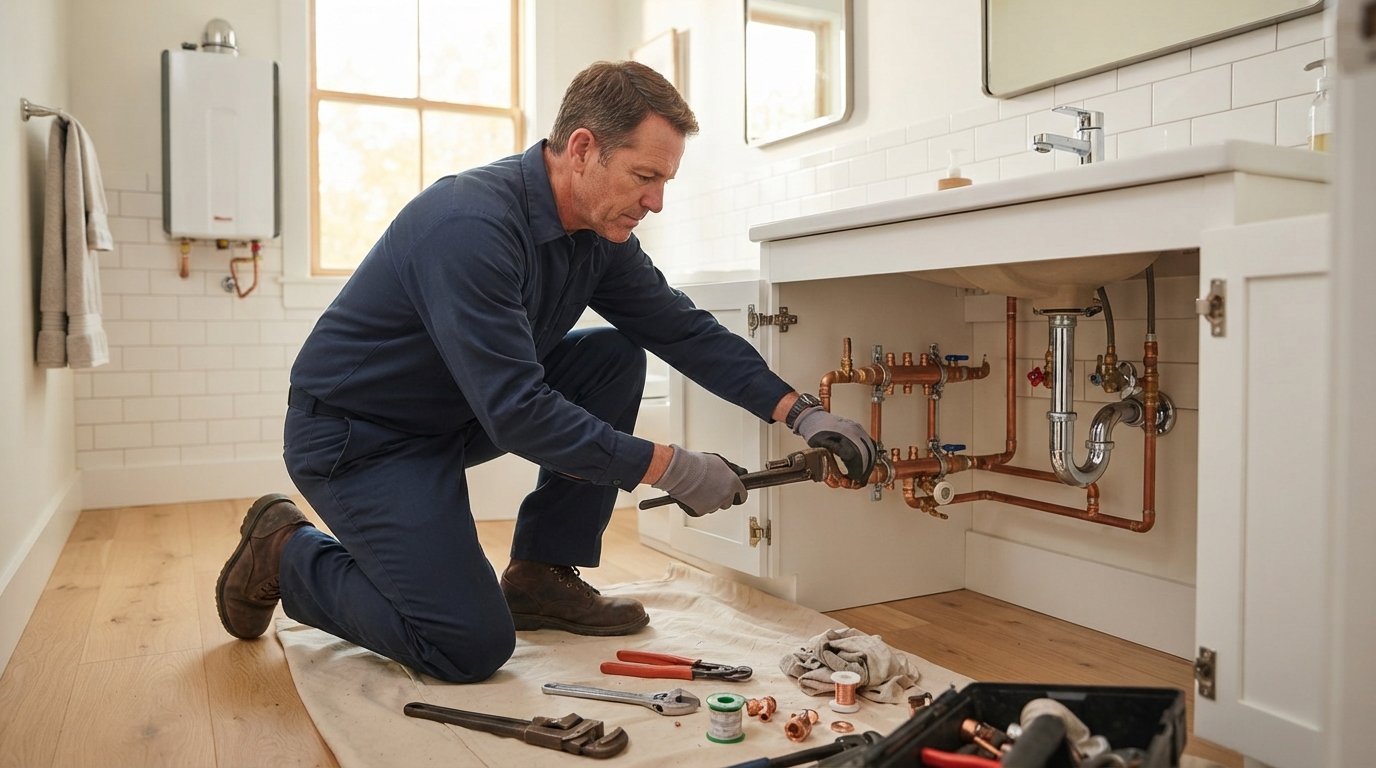
Modern Plumbing Upgrades That Add Home Value in 2026
Modern plumbing upgrades that add home value range from tankless water heaters to smart leak detectors. Discover which improvements deliver the best returns.

By Jackson Adams
Learn more about Plumbing Pipe Installation or Replacement for guides, costs, and what to expect.
Compare Plumbing Pipe Installation or Replacement Pros Near You

Enter your ZIP code to compare top-rated local professionals and request free quotes.
When homeowners plan a renovation, kitchens and bathrooms usually steal the spotlight. Yet some of the smartest returns come from the pipes behind the walls. Modern plumbing upgrades that add home value do more than fix leaks: they lower water bills, prevent costly water damage, and give buyers confidence that the home's hidden systems are solid. Whether you are preparing to sell or simply want a safer, more efficient house, the right plumbing improvements can pay you back for years.
This guide breaks down the upgrades with the strongest resale and livability returns, explains what each one costs, and shows how to plan the work without tearing your home apart. You will also learn which improvements buyers notice first, which ones appraisers reward, and how to find vetted professionals who can get the job done quickly. If you have already explored broader renovations, our guide to high ROI home remodeling projects pairs well with the plumbing work covered here.
Why Plumbing Upgrades Pay Off at Resale
Plumbing is one of the few home systems that affects almost every room. A slow drain in the kitchen, rusty water from the taps, or a water heater that groans at night all send the same message to buyers: this house needs work. Realtors consistently report that plumbing problems rank among the top deal killers during inspections. Conversely, a home with updated supply lines, efficient fixtures, and a modern water heater feels turnkey, and that feeling translates directly into offers.
There is also a hard financial case. The Environmental Protection Agency estimates that household leaks waste nearly one trillion gallons of water nationwide each year, and a single dripping faucet can waste thousands of gallons annually. Upgrading to low flow fixtures and fixing hidden leaks cuts that waste immediately. Meanwhile, tankless water heaters and high efficiency toilets reduce monthly utility costs, a benefit that buyers increasingly factor into their budgets.
Finally, plumbing upgrades protect the structure itself. Burst supply lines and slow hidden leaks cause some of the most expensive repairs a homeowner can face, including rotted framing, mold remediation, and ruined flooring. Replacing aging galvanized or polybutylene pipes with PEX or copper is not glamorous, but it is the kind of preventive work that inspectors praise and insurers prefer.
The Plumbing Upgrades With the Strongest Returns
Not every plumbing project delivers the same value. Some are cosmetic, some are structural, and a few combine both. The following upgrades consistently rank highest for a mix of resale appeal, energy savings, and damage prevention.
- Water heater replacement: Buyers expect reliable hot water, and an old tank is a liability. Modern units, especially tankless or high efficiency models, cut energy use and free up storage space.
- Low flow fixtures: Water saving faucets, showerheads, and toilets reduce utility bills and signal an environmentally conscious home.
- Whole house repiping: Replacing failing pipes removes a major inspection red flag and can lower home insurance premiums.
- Leak detection and smart shutoff systems: These devices catch hidden leaks early and can alert you from your phone, protecting the home even when you are away.
- Bathroom and kitchen plumbing updates: New supply lines, upgraded drains, and improved venting make these high traffic rooms function better and look cleaner.
Each of these upgrades fits into a different budget range. A single low flow toilet is a weekend project, while whole house repiping is a major investment best handled by licensed professionals. The key is to match the upgrade to your goals: if you are selling within a year, prioritize visible items like fixtures and the water heater. If you plan to stay for a decade, structural improvements like repiping deliver the most long term peace of mind.
Tankless Water Heaters: Efficiency Meets Buyer Appeal
Few plumbing upgrades generate as much excitement during a showing as a tankless water heater. Instead of storing dozens of gallons in a tank that constantly loses heat, a tankless unit heats water only when you turn on the tap. That design translates into lower energy bills, endless hot water for back to back showers, and a lifespan roughly twice as long as a traditional tank. For families with busy mornings, the difference is immediately noticeable.
From a resale perspective, tankless heaters check several boxes at once. They save space in garages, closets, or utility rooms, which buyers appreciate in smaller homes. They reduce the risk of a catastrophic tank failure that floods the floor. And they signal that the home has been maintained with modern equipment. According to Remodeling magazine's annual cost versus value data, water heater upgrades routinely recoup a large share of their cost at sale, and tankless models often outperform standard replacements.
Installation does require planning. Tankless units need adequate venting, a dedicated gas line or sufficient electrical capacity, and proper sizing based on how many fixtures run at once. A licensed plumber can calculate the right flow rate for your household and confirm that your existing infrastructure can handle the upgrade. In many cases, the installation takes less than a day, and the unit can be mounted on a wall to free up valuable floor space.
Signs It Is Time to Replace Your Water Heater
Knowing when to replace rather than repair saves money and prevents emergencies. Watch for these warning signs: the unit is more than ten years old, you see rust colored water, you hear rumbling or popping sounds, the tank shows moisture around the base, or you frequently run out of hot water. Any one of these signals means it is time to call a professional for an assessment. Replacing on your schedule is always cheaper and calmer than replacing during a flood.
Low Flow Fixtures and Water Saving Toilets
Water efficiency is no longer a niche concern. Drought conditions across the Southwest, rising utility rates, and growing environmental awareness have made efficiency a mainstream selling point. Low flow showerheads, faucet aerators, and dual flush toilets use a fraction of the water of older models while performing just as well. Modern designs have solved the early complaints about weak pressure and poor flushing, so buyers no longer have to sacrifice comfort for savings.
The financial impact adds up quickly. A family of four can save thousands of gallons per month by switching to WaterSense labeled fixtures. Over a year, that can mean hundreds of dollars in reduced water and sewer bills, plus lower energy costs because less hot water is being heated. When you list your home, those savings become part of the pitch: a buyer sees lower projected utility costs and a home that aligns with modern sustainability expectations.
Upgrading fixtures is also one of the most affordable plumbing projects available. A single toilet replacement typically costs a few hundred dollars installed, and showerhead swaps are even cheaper. Because the work is quick and minimally invasive, it is an easy first step for homeowners who want a fast value boost before listing. Pairing fixtures with a smart leak detector creates a comprehensive efficiency and protection package that appeals to cautious buyers.
Whole House Repiping: Solving Hidden Problems
Older homes often hide a serious liability behind the drywall: galvanized steel pipes that corrode from the inside, or polybutylene pipes that become brittle and burst. These materials can leach rust into the water supply, reduce pressure, and fail without warning. Whole house repiping replaces every supply line with modern PEX or copper, eliminating the root cause of recurring leaks and discolored water.
Repiping is a significant project, but it delivers a different kind of value than cosmetic upgrades. It removes a major negotiation point during inspections, because buyers and their agents know the home will not need emergency plumbing work soon after closing. Some insurance companies offer discounts for homes with updated piping, and the upgrade can make the difference between a smooth sale and a deal that falls apart over inspection findings.
Modern repiping techniques minimize disruption. Experienced crews route PEX through attics and crawl spaces, often completing the work in a few days with limited drywall repair. Copper remains a premium option for homeowners who prefer its durability and resale prestige. Either way, the result is stronger water pressure, cleaner water, and decades of reliable service.
Smart Leak Detection and Shutoff Systems
Water damage is one of the most common and expensive homeowner insurance claims, and it often starts with a slow leak nobody notices until the ceiling stains. Smart leak detection systems change that equation. Small sensors placed near water heaters, washing machines, and under sinks monitor moisture and temperature, while a connected valve can automatically shut off the main water supply when it detects a burst pipe or unusual flow.
These systems offer two kinds of value. First, they prevent catastrophic damage, which protects your home and your belongings. Second, they can lower insurance premiums, because insurers recognize that automatic shutoff devices reduce claim risk. Many carriers now offer discounts of five to ten percent for homes equipped with monitored leak detection, and some require the technology for high value policies.
For buyers, a smart plumbing system is a tangible sign of a well maintained home. It shows that the owner invested in prevention, not just repairs. Installation is straightforward: a plumber mounts the shutoff valve on the main line, pairs the sensors with your Wi Fi network, and walks you through the mobile app. From that point on, you can check water usage, receive alerts, and shut off the supply from anywhere in the world.
Bathroom and Kitchen Plumbing Upgrades
Bathrooms and kitchens generate the highest traffic and the most plumbing complaints. Upgrading the plumbing in these rooms improves daily life and catches a buyer's eye. In the bathroom, that might mean replacing an old toilet with a comfort height, water efficient model, adding a pressure balanced shower valve to prevent temperature swings, or installing a new vanity with updated supply lines and a smooth operating drain.
In the kitchen, consider a high arc pull down faucet, a garbage disposal with a stainless steel grind chamber, and a dedicated filtered water line. If the sink drains slowly, a plumber can camera the line and clear years of grease buildup. These changes are relatively inexpensive compared to a full remodel, yet they make the two most important rooms in the house feel modern and functional.
When these upgrades are combined with new flooring, paint, or lighting, the cumulative effect on perceived value is substantial. Buyers rarely itemize plumbing work during a showing, but they feel the result: faucets that glide, drains that empty quickly, and showers with steady pressure. If you are planning a larger renovation, coordinating plumbing updates with other trades saves time and money, since walls are already open and crews can work in sequence.
Outdoor Plumbing and Drainage Improvements
Home value is not limited to the interior. Outdoor plumbing upgrades protect your landscaping, foundation, and outdoor living spaces. A new hose bib or outdoor shower adds convenience, while a French drain or updated sump pump system moves water away from the foundation and prevents basement flooding. In regions with heavy clay soil, proper drainage is essential to avoid structural damage.
Irrigation systems and drip lines also count as plumbing upgrades, and they keep lawns and gardens healthy with minimal water waste. For homeowners with pools or spas, updating pumps, heaters, and filtration lines improves efficiency and reduces maintenance headaches. These outdoor improvements extend your living space and signal to buyers that the property has been cared for inside and out.
Because outdoor plumbing often requires trenching and permits, it is best planned alongside other exterior projects such as deck building or landscaping. A single excavation can serve multiple purposes, saving labor costs and minimizing disruption to your yard.
How to Plan and Prioritize Your Plumbing Upgrades
With so many options, the challenge is knowing where to start. A simple framework helps you match upgrades to your timeline and budget. First, address safety and damage prevention: fix active leaks, replace failing pipes, and install leak detection. Second, improve efficiency with low flow fixtures and an energy efficient water heater. Third, upgrade visible fixtures in kitchens and bathrooms for maximum buyer appeal. Finally, consider outdoor and smart home additions that round out the package.
Budgeting is equally important. Minor fixture swaps may cost a few hundred dollars, while repiping and tankless installations run into the thousands. If you are planning to sell within two years, focus on upgrades with documented resale returns and visible impact. If you intend to stay, invest in durability and efficiency that will pay you back through lower bills and fewer emergencies.
Working with a qualified professional makes every step easier. A licensed plumber can inspect your system, identify hidden issues, and recommend a sequence that avoids redundant work. For homeowners who want to compare options quickly, platforms like USremodel connect you with independent contractors who provide free, customized quotes for plumbing and other renovation services. Getting multiple bids helps you understand fair pricing and choose a specialist who fits your project.
What Buyers and Appraisers Look For
During a sale, plumbing upgrades show up in two places: the inspection report and the appraisal. Inspectors check for active leaks, proper water pressure, functional drains, and the age and type of water heater and piping. Appraisers consider overall condition and marketability, and a home with updated systems supports a higher valuation. Even if the appraisal does not list plumbing line by line, the cumulative effect of a well maintained home raises the final number.
Buyers, meanwhile, respond to what they can see and feel. They notice new fixtures, steady water pressure, and the absence of musty smells that suggest hidden moisture. Smart leak detectors and tankless heaters are conversation starters that make your home memorable. When you can hand a buyer a folder of receipts and warranties for recent plumbing work, you remove doubt and speed up negotiations.
Choosing the Right Plumbing Professional
Quality installation determines whether an upgrade delivers its promised value. A poorly installed tankless heater can void its warranty, and a rushed repiping job can leave leaks inside walls. Look for licensed, insured plumbers with verifiable reviews and experience in the specific upgrade you need. Ask about permits, because many jurisdictions require them for water heater replacements and repiping, and unpermitted work can complicate a future sale.
Get at least three quotes and compare the scope, not just the price. A low bid that excludes drywall repair or permit fees is not a bargain. A written contract should specify materials, timelines, cleanup, and warranty terms. If a contractor pressures you to pay in full upfront or refuses to provide a license number, walk away.
Modern plumbing upgrades that add home value are ultimately about confidence: confidence that your water is clean, your pipes are sound, and your home will perform well for years. Whether you start with a single low flow toilet or commit to a whole house repiping project, each improvement builds on the last. Plan carefully, hire qualified professionals, and let the hidden systems of your home become one of its strongest selling points.