
Kitchen Remodel vs Bathroom Remodel: A Homeowner’s Guide
A practical guide comparing kitchen and bathroom remodels to help homeowners decide which project to prioritize for value, function, and safety.

By Alex Carter
Learn more about Exterior Painting for guides, costs, and what to expect.
Compare Exterior Painting Pros Near You

Enter your ZIP code to compare top-rated local professionals and request free quotes.
You love your home, but you’re starting to feel a pinch. Maybe your kitchen cabinets are dated and the layout feels cramped when you try to cook. Or perhaps your bathroom has persistent moisture issues, cracked tiles, and a shower that just doesn’t function well anymore. You know you want to invest in your home, but you’re stuck on a big question: should you remodel the kitchen or the bathroom first? This is a common dilemma, and the right choice depends on your home’s needs, your budget, and your long-term goals. Ignoring the signs in either room can lead to more damage, higher costs down the line, and a home that doesn’t work for your family.
Understanding Kitchen Remodel vs Bathroom Remodel
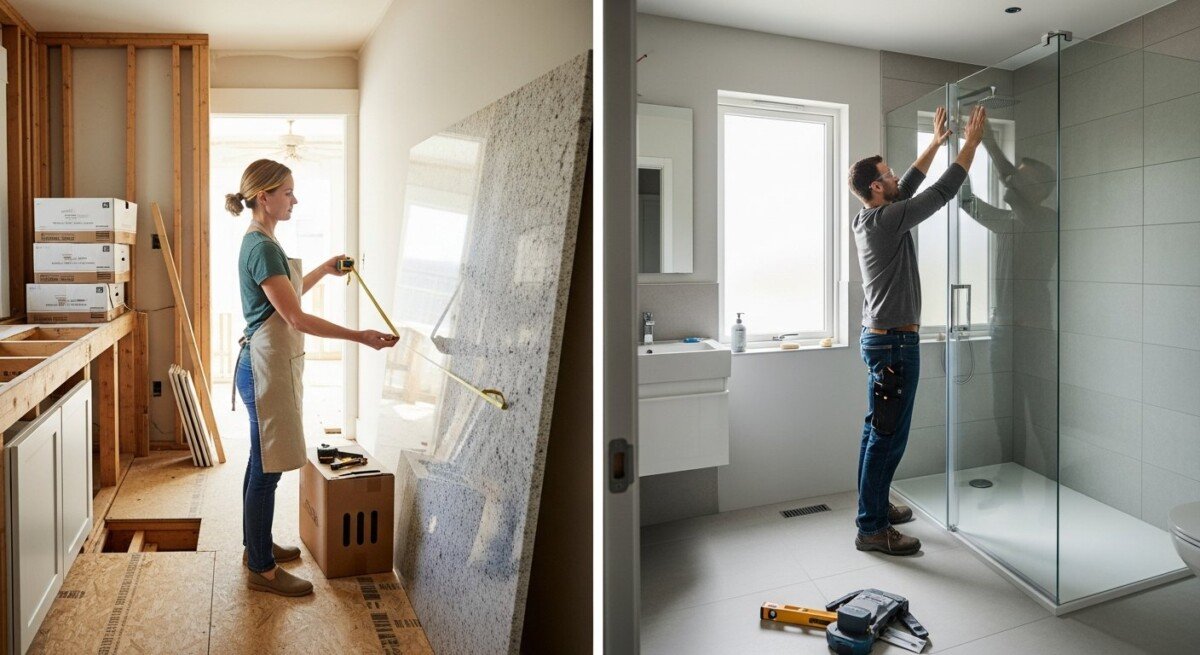
A kitchen remodel typically focuses on improving the heart of the home. It involves updating cabinets, countertops, appliances, flooring, and lighting to create a more functional and social space. The goal is often to improve workflow, increase storage, and modernize the room where families spend a significant amount of time.
A bathroom remodel, on the other hand, centers on creating a personal sanctuary and addressing practical concerns. This project updates fixtures like toilets, showers, and vanities, improves ventilation, and upgrades surfaces to combat moisture and wear. The focus is on creating a clean, safe, and relaxing environment.
Both projects are major investments that require careful planning. The key difference lies in their primary purpose: the kitchen is a hub for activity and value, while the bathroom is a retreat focused on daily function and personal care.
Why This Matters for Your Home
Choosing which room to remodel first isn’t just about aesthetics; it’s a strategic decision that impacts your daily life, safety, and finances. A poorly functioning kitchen can make meal prep a chore and discourage family gatherings, while a dated bathroom can harbor mold, cause water damage, and even pose slip-and-fall risks.
Delaying necessary updates in either room often leads to escalating problems. A small leak behind a bathroom wall can rot framing, and outdated kitchen wiring can be a fire hazard. Proactive remodeling protects your property, enhances safety, and prevents minor issues from becoming major, wallet-draining repairs.
If you notice signs of wear or dysfunction in your kitchen or bathroom, it may help to speak with a qualified contractor. Request a free quote or call to explore your repair or remodeling options.
Common Problems Homeowners Experience
In the kitchen, homeowners often struggle with a lack of counter space, inefficient layouts that create a “work triangle” nightmare, and cabinets that are falling apart or lack modern functionality. Outdated appliances not only look bad but can be energy hogs, driving up utility bills.
In the bathroom, common issues include poor ventilation leading to mildew, cracked or leaking tiles, insufficient storage, and low water pressure from old plumbing. Many older bathrooms also lack safety features like grab bars or non-slip flooring, which are crucial for aging in place.
- Kitchen: Worn countertops, poor lighting, insufficient outlets, awkward workflow.
- Kitchen: Outdated, inefficient appliances and lack of modern conveniences.
- Bathroom: Persistent moisture, mold, and peeling paint or caulk.
- Bathroom: Outdated, water-wasting fixtures and failing seals/grout.
- Both: Inadequate storage and cluttered, disorganized spaces.
- Both: Dated finishes that detract from your home’s overall appeal and value.
How Professionals Solve the Problem
A professional remodeling contractor brings order, expertise, and efficiency to a complex project. They start by understanding your goals, budget, and the existing conditions of your home. This holistic approach ensures the final design is both beautiful and structurally sound, avoiding the common pitfalls of DIY or poorly planned renovations.
Their process typically involves assessment, design, permitting, skilled execution, and final inspection. They manage subcontractors, source materials, and solve unforeseen problems,like hidden water damage or outdated wiring,that often arise during demolition. This saves you immense stress and ensures the work meets building codes for safety. For a deeper dive into planning, A Homeowner’s Guide to Kitchen Remodeling Preparation offers valuable insights on getting started.
- Consultation & Planning: Discussing your vision, needs, and budget to create a realistic scope.
- Design & Material Selection: Creating a layout and choosing finishes that align with your style and functional requirements.
- Demolition & Discovery: Safely removing old materials and identifying any hidden issues that need addressing.
- Rough-In Work: Updating plumbing, electrical, and HVAC systems behind the walls.
- Installation & Finishing: Installing new cabinets, fixtures, flooring, and surfaces with precision.
- Final Inspection & Walkthrough: Ensuring every detail is complete and the space is ready for use.
A professional inspection can reveal hidden issues before they become expensive repairs. Compare contractor quotes here or call to discuss your project.
Warning Signs You Should Not Ignore
Some signs are clear cries for help from your home. In the kitchen, if you have drawers that stick, cabinets with water damage, or an outlet that sparks, it’s time to consider an update. These aren’t just inconveniences; they signal potential safety hazards or underlying structural issues.
In the bathroom, be vigilant about soft spots in the floor, tiles that are loose or missing grout, and a ceiling that shows water stains. A constantly running toilet or a sink that drains slowly points to plumbing problems that will only worsen. Addressing these early can prevent catastrophic damage.
- Visible water damage, stains, or persistent mold/mildew.
- Outdated, inefficient, or broken fixtures and appliances.
- Cracked tiles, damaged countertops, or peeling laminate.
- Poor lighting, insufficient electrical outlets, or frequently tripped breakers.
- A layout that simply doesn’t work for your family’s daily routine.
- Feeling embarrassed by the state of the room when guests visit.
What Affects the Cost of Repairs or Installation
The cost of a kitchen or bathroom remodel varies widely because every home and homeowner’s vision is unique. A major factor is the scope of work: are you doing a cosmetic refresh with new paint and fixtures, or a full gut renovation that moves plumbing and electrical lines? The latter requires more skilled labor and materials, increasing the budget.
Material choices also play a huge role. Premium options like natural stone countertops, custom cabinetry, and high-end appliances will cost more than durable, stock alternatives. The age and condition of your home can add cost if unexpected repairs are needed behind the walls. To help navigate these decisions and avoid costly mistakes, reviewing resources on Avoiding Common Kitchen Remodel Regrets is highly recommended.
Costs can vary depending on the condition of your home. The best way to know the price is to get a personalized estimate. Request free quotes from contractors or call today.
How to Choose the Right Contractor
Selecting the right contractor is the most critical step in ensuring a successful remodel. Look for a professional with a proven track record in the specific type of remodel you’re undertaking. A great kitchen specialist might not be the best choice for a complex primary bathroom renovation, and vice versa.
Always verify their credentials and ask the right questions. A trustworthy contractor will be transparent, communicative, and happy to provide references. They should view the project as a partnership focused on achieving your goals within the agreed parameters.
- Verify they are licensed, insured, and bonded for your protection.
- Read recent customer reviews and ask for references from past clients.
- Ask for a detailed, written estimate that breaks down costs for labor and materials.
- Compare quotes from at least three contractors, but remember the lowest price isn’t always the best value.
- Confirm their experience with projects of similar size and style to yours.
Long-Term Benefits of Professional Work
Investing in a professional remodel pays dividends long after the project is complete. First and foremost, it ensures the work is done safely and to code, protecting your family from electrical, plumbing, or structural failures. Quality materials and expert installation also mean your new kitchen or bathroom will stand up to daily use for years, requiring less maintenance.
Beyond durability, a well-executed remodel significantly boosts your home’s value and market appeal. Kitchens and bathrooms are the top rooms buyers consider, so a modern, functional update offers an excellent return on investment. You’ll also enjoy daily benefits like lower utility bills from energy-efficient appliances and fixtures, and the sheer pleasure of living in a space designed for your lifestyle. For a comprehensive look at maximizing this investment, explore Kitchen Remodeling: Essential Tips for a Successful Project.
Which remodel adds more value to my home?
Both add significant value, but a minor kitchen remodel often yields the highest return on investment (ROI) at resale. However, updating an outdated or dysfunctional primary bathroom is also a top value-driver. The best choice for you depends on which room is in worse condition or causes more daily frustration.
Is a kitchen or bathroom remodel more disruptive?
A full kitchen remodel is generally more disruptive to daily life, as it temporarily removes your ability to cook and store food at home. Bathroom remodels can be managed more easily if you have a second bathroom to use. Good contractors will work with you to create a functional temporary setup.
How long does each type of remodel take?
A full bathroom remodel can often be completed in 2-4 weeks. A full kitchen remodel typically takes 6-12 weeks, depending on the complexity, cabinet lead times, and any structural changes. Your contractor should provide a detailed timeline before work begins.
Can I remodel my kitchen or bathroom myself?
While DIY cosmetic updates are possible, major remodels involving plumbing, electrical, and structural work are best left to professionals. Mistakes can be costly, dangerous, and may not meet code, causing problems when you sell your home.
Should I stay in my home during the remodel?
For a bathroom remodel, staying is usually fine if you have another bath. For a full kitchen remodel, many families plan to be away for the worst of the demolition and installation phase, or set up a temporary kitchenette in another room.
How do I budget for a kitchen or bathroom remodel?
Start by determining your total comfortable budget, then set aside 10-20% of that for unexpected issues. Get detailed quotes from contractors that include all labor, materials, permits, and fees. Be clear about your budget from the start so your contractor can design a plan that fits.
Deciding between a kitchen and bathroom remodel is a significant choice that impacts your home’s function, safety, and value. By understanding the unique demands and benefits of each project, you can make an informed decision that aligns with your goals. Whether you start with one room or plan a phased approach, addressing issues early with professional help is the smartest path forward. Taking the first step to compare detailed contractor quotes will give you the clarity and confidence to move ahead with your home improvement dreams.
Learn more about Exterior Painting for guides, costs, and what to expect.
Compare Exterior Painting Pros Near You
Enter your ZIP code to compare top-rated local professionals and request free quotes.