Indoor Air Quality Solutions for a Healthier Home
"*" indicates required fields
You vacuum regularly, dust the shelves, and keep a tidy house. Yet, you still notice a musty smell in certain rooms, or perhaps your family seems to have more allergies and headaches at home than anywhere else. Many homeowners discover their indoor air quality is poor only after experiencing these subtle, frustrating symptoms. If ignored, stale, polluted air can affect your family’s health and comfort, making your home feel less like a sanctuary. The good news is that effective indoor air quality solutions exist to transform your living environment.
Understanding Indoor Air Quality Solutions
Indoor air quality, or IAQ, simply refers to the cleanliness of the air inside your home. It’s affected by everything from dust and pet dander to chemicals from cleaning products, mold spores, and even gases like radon.
Poor IAQ happens when these pollutants become trapped inside. Modern homes are built to be energy-efficient and airtight, which is great for your utility bills but can be terrible for air circulation. Without proper ventilation and filtration, contaminants build up to levels that can be much higher than the air outside.
While any home can have issues, older homes with outdated systems and newer, tightly-sealed homes are often most affected. The goal of indoor air quality solutions is not just to filter the air, but to manage the entire ecosystem of your home’s ventilation, humidity, and pollutant sources.
Why This Matters for Your Home
Breathing clean air is a fundamental part of health, especially where we spend most of our time. Poor indoor air doesn’t just cause temporary discomfort; it can exacerbate asthma, trigger allergies, and lead to chronic respiratory issues for your loved ones.
Beyond health, ignoring air quality can cause property damage. Excess humidity fosters mold growth, which can ruin drywall, insulation, and wood framing. Persistent odors can seep into furniture and fabrics, while chemical pollutants can even degrade certain materials over time.
Delaying action often turns a simple fix into a major project. A small mold issue from a humid basement can spread, requiring costly remediation. An underperforming ventilation system forces your HVAC to work harder, leading to premature failure and expensive repairs.
If you notice signs of this issue in your home, it may help to speak with a qualified contractor. Request a free quote or call to explore your repair or remodeling options.
Common Problems Homeowners Experience
Homeowners often face a combination of visible and invisible air quality challenges. You might see condensation constantly on your windows, or notice a lingering stuffiness no matter how many windows you open.
These problems usually stem from a few key areas in the home. The kitchen and bathrooms generate a lot of moisture, basements can be damp, and living areas accumulate dust and dander. Without targeted solutions, the problem persists.
- Persistent Dust and Allergens: Dust seems to reappear hours after cleaning, and family members suffer from year-round allergies or sinus issues.
- High Humidity and Mold: Windows are often foggy, you detect a musty odor, or you spot mold in corners, bathrooms, or basements.
- Inadequate Ventilation: The home feels stuffy, odors from cooking linger for hours, and there’s little fresh air exchange.
- Chemical Off-Gassing: New furniture, paints, or building materials release volatile organic compounds (VOCs), causing headaches or a chemical smell.
- Ineffective Filtration: Your HVAC system’s standard filter isn’t capturing fine particles, allowing them to recirculate throughout your rooms.
- Unbalanced Air Pressure: Rooms feel drafty or doors slam shut on their own, indicating poor air distribution from your ductwork.
How Professionals Solve the Problem
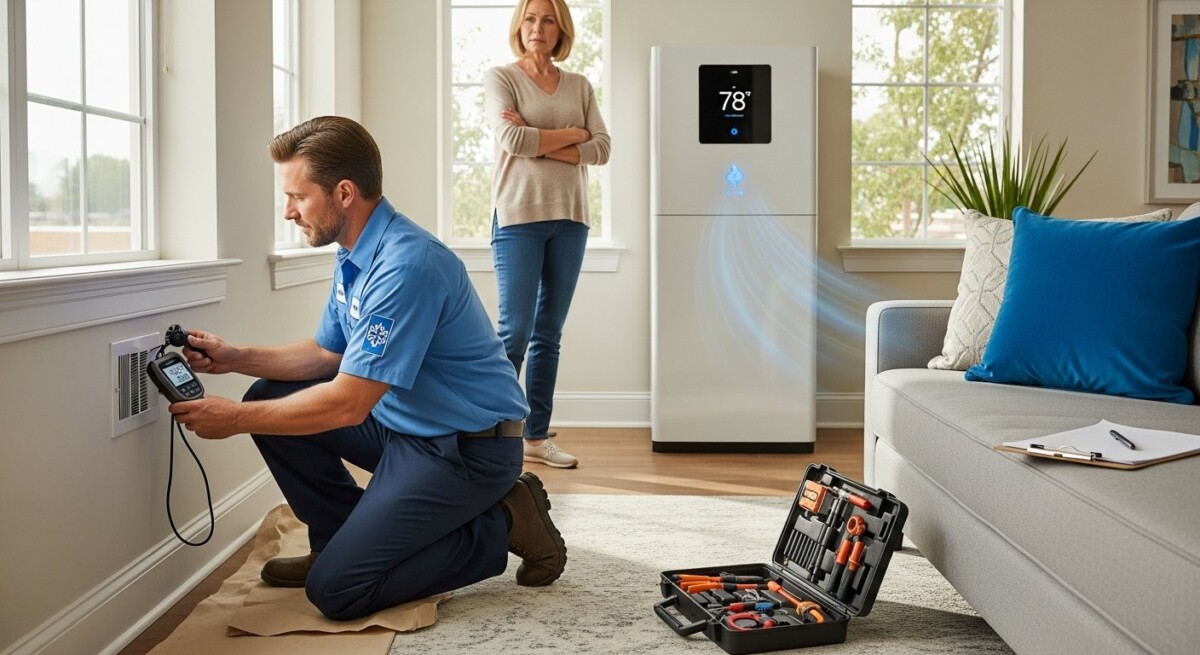
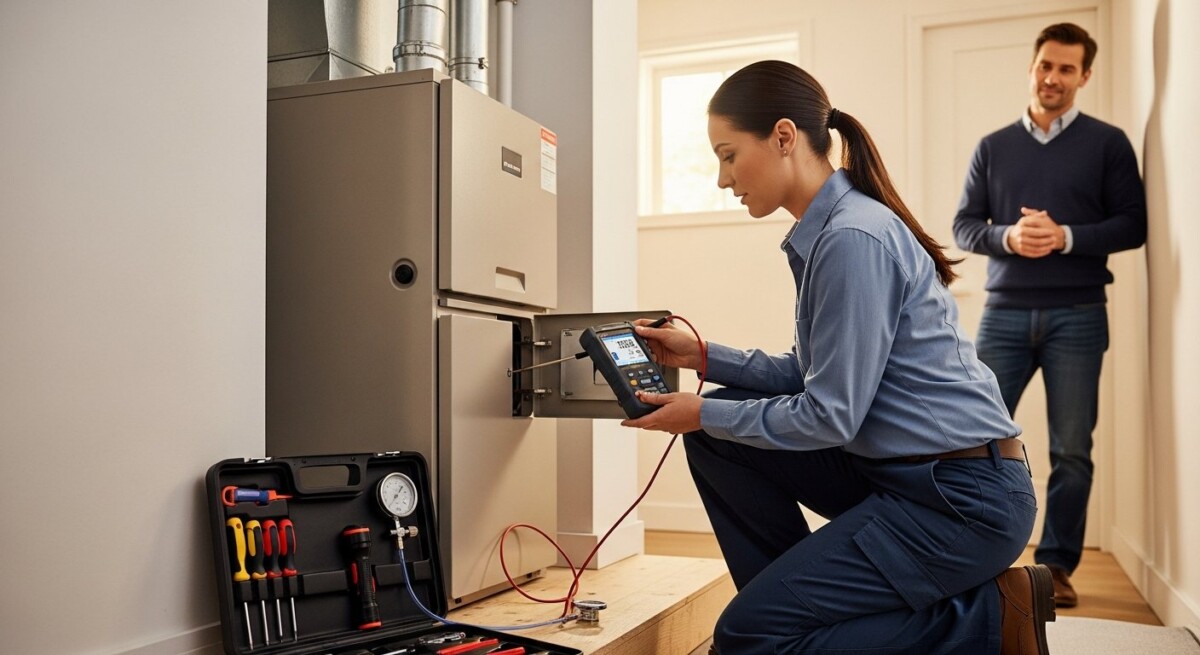
A professional contractor doesn’t just sell you a filter; they diagnose the root cause of your home’s air quality issues. They assess your entire home as a system, identifying sources of pollution, weak points in ventilation, and opportunities for improvement.
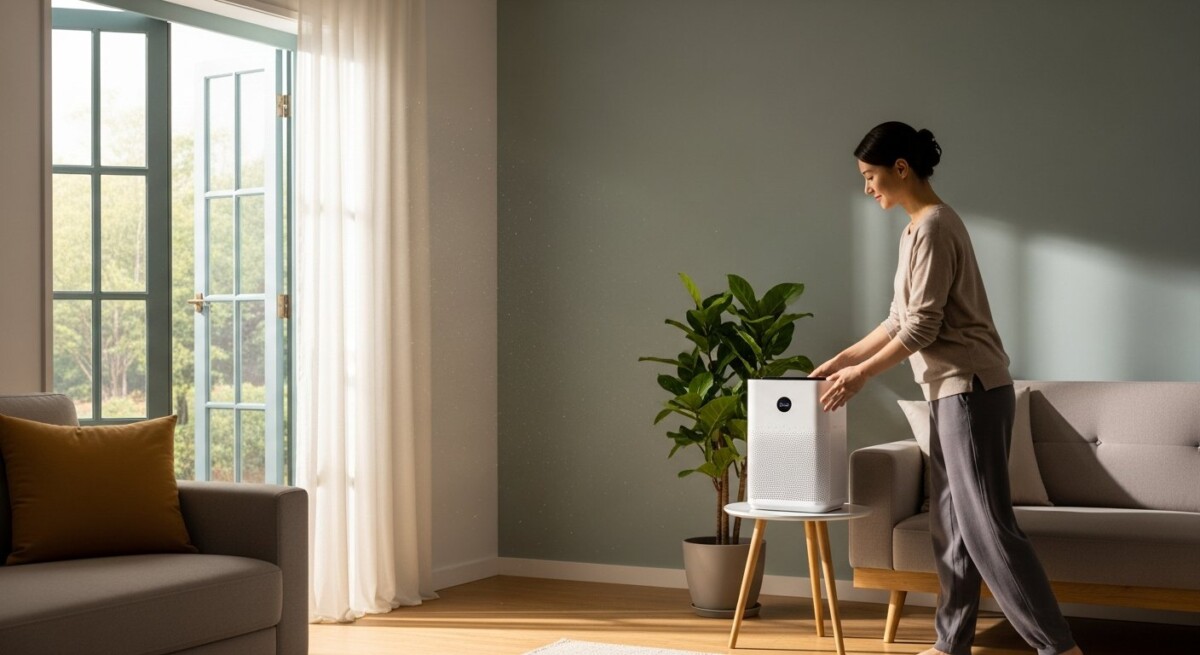
This holistic approach is why professional work is more reliable. A DIY air purifier only treats the symptom in one room. A pro can implement whole-house solutions that work silently in the background, are more effective, and often more energy-efficient in the long run.
The process typically involves several key steps:
- Comprehensive Assessment: The contractor will evaluate your current HVAC system, check for moisture issues, test airflow, and discuss your family’s specific concerns.
- Source Control Recommendations: The best solution is to prevent pollutants from entering the air. This might involve sealing gaps, addressing moisture intrusion, or recommending low-VOC materials for future projects.
- Ventilation Strategy: They will design a plan to bring in fresh air and exhaust stale air. This could mean installing or upgrading kitchen and bath fans, adding an Energy Recovery Ventilator (ERV) or Heat Recovery Ventilator (HRV), or ensuring your existing ductwork is properly balanced.
- Filtration and Purification Installation: This involves upgrading your HVAC filter to a high-efficiency model or installing a whole-house air purifier that captures microscopic particles, much more effectively than a portable unit.
- Humidity Control: For damp homes, they may recommend a whole-house dehumidifier. For dry, winter air, a humidifier integrated with your HVAC system can add comfort.
A professional inspection can reveal hidden issues before they become expensive repairs. Compare contractor quotes here or call to discuss your project.
Warning Signs You Should Not Ignore
Your home often gives you clear signals when the air quality is subpar. Learning to recognize these signs is the first step toward a healthier living space. Early action can prevent minor irritations from becoming major health concerns or structural problems.
Listen to your body and your home. If symptoms improve when you leave the house and return when you come back, your indoor environment is likely the culprit. Similarly, visible signs of moisture or dust accumulation are direct pleas for a better air management system.
- Health Symptoms: Frequent headaches, dizziness, fatigue, itchy eyes, nose, or throat, and worsened asthma or allergy attacks while at home.
- Excessive Dust: A thick layer of dust settles on surfaces just a day or two after cleaning, indicating poor filtration and circulation.
- Persistent Odors: Musty, stuffy, or chemical smells that don’t go away with regular cleaning and airing out.
- Condensation: Constant moisture or frost on the inside of windows, which signals high humidity levels perfect for mold.
- Visible Mold: Any black, green, or white speckled growth on walls, ceilings, corners, or around plumbing fixtures.
- Poor Airflow: Some rooms are always too hot or too cold, or you feel little air coming from the vents, suggesting ductwork or system issues.
What Affects the Cost of Repairs or Installation
The investment in indoor air quality solutions varies because every home and family’s needs are different. There’s no one-size-fits-all price, which is why a professional assessment is so valuable.
The primary factors include the size of your home, as larger spaces require more powerful equipment. The age and condition of your existing HVAC system are also critical; integrating new solutions with an old furnace is different than with a new one.
Other key factors are the specific solutions chosen. Adding a high-end air purifier is a different cost than rebalancing your ductwork or installing a whole-house dehumidifier. The accessibility of your attic, crawlspace, and ductwork for installation also influences labor time and cost.
Costs can vary depending on the condition of your home. The best way to know the price is to get a personalized estimate. Request free quotes from contractors or call today.
How to Choose the Right Contractor
Selecting the right professional is as important as choosing the right solution. Look for a contractor who specializes in indoor environmental quality or has extensive HVAC expertise, not just general handyman skills.
A trustworthy contractor will be more interested in diagnosing your problem than immediately selling you the most expensive equipment. They should ask detailed questions about your home, your family’s health, and your comfort concerns before making any recommendations.
- Verify Credentials: Ensure they are licensed, insured, and certified by relevant organizations (like NATE for HVAC technicians).
- Check Reviews and References: Read online reviews and ask for references from past customers who had similar IAQ work done.
- Request a Detailed, Written Estimate: The quote should clearly break down costs for equipment, labor, and any necessary modifications to your existing system.
- Compare Multiple Quotes: Get at least three detailed estimates to understand the market rate and different proposed approaches.
- Ask About Their Process: A good contractor will explain how they will assess your home, what metrics they use, and how they tailor solutions, not just offer a generic package.
Long-Term Benefits of Professional Work
Investing in professional indoor air quality solutions pays dividends long after the installation is complete. The most immediate benefit is peace of mind, knowing the air your family breathes is clean and healthy, reducing the risk of respiratory problems.
Professionally installed systems are also more durable and efficient. They are correctly sized for your home and integrated properly with your HVAC, which protects your furnace and air conditioner from strain, extending their lifespan. Proper ventilation and humidity control protect the very structure of your home from mold and rot, preserving its value.
Furthermore, a home with documented, modern air quality systems is increasingly attractive to future buyers. It’s a tangible upgrade that speaks to comfort, wellness, and conscientious maintenance, much like a renovated kitchen or bathroom.
What are the most effective indoor air quality solutions?
The most effective strategy is a layered approach. It starts with controlling pollution sources, then ensuring proper ventilation to bring in fresh air, and finally using filtration or purification to clean the circulating air. A professional can assess which combination,such as an ERV, upgraded filtration, and a dehumidifier,is right for your specific home.
Can I improve air quality myself, or do I need a pro?
You can take excellent first steps like changing HVAC filters regularly, using exhaust fans, controlling humidity with portable dehumidifiers, and choosing low-VOC cleaning products. However, for whole-house, integrated solutions that address underlying issues like inadequate ventilation or hidden mold, a professional’s expertise and equipment are necessary for a permanent fix.
How often should I have my indoor air quality tested?
For most homeowners, formal testing isn’t needed unless there’s a specific concern like suspected mold or radon. Instead, focus on annual HVAC maintenance, which includes checking system airflow and components that affect air quality. If you experience persistent health symptoms or odors, then a professional assessment is recommended.
Will an air purifier solve all my air quality problems?
Not necessarily. An air purifier is great for removing particles from the air, but it doesn’t address underlying issues like high humidity, poor ventilation, or chemical off-gassing from a source. It’s a helpful tool, but often just one part of a comprehensive solution. For a deeper understanding of what’s in your air, our guide on common indoor air pollutants breaks down the different types and their sources.
What’s the difference between an air filter and an air purifier?
An air filter is typically part of your HVAC system and traps particles as air passes through it. An air purifier is a standalone or whole-house device that may use additional technologies like UV-C light or ionization to neutralize pollutants like viruses, bacteria, and mold spores. Many whole-house solutions combine enhanced filtration with purification.
Can poor air quality damage my home?
Yes, absolutely. Excess moisture from high humidity or leaks is the primary culprit, leading to mold growth, wood rot, peeling paint, and damaged drywall. Over time, this compromises structural elements and requires very costly repairs, far exceeding the cost of preventative air quality management.
Your home should be your healthiest place. By understanding the signs of poor air quality and the value of professional solutions, you can take proactive steps to safeguard your family and your investment. Addressing these issues early is always simpler and more cost-effective than waiting for a larger problem to develop. Start by speaking with qualified contractors to compare quotes and understand the specific options available for creating a fresher, cleaner home environment.