
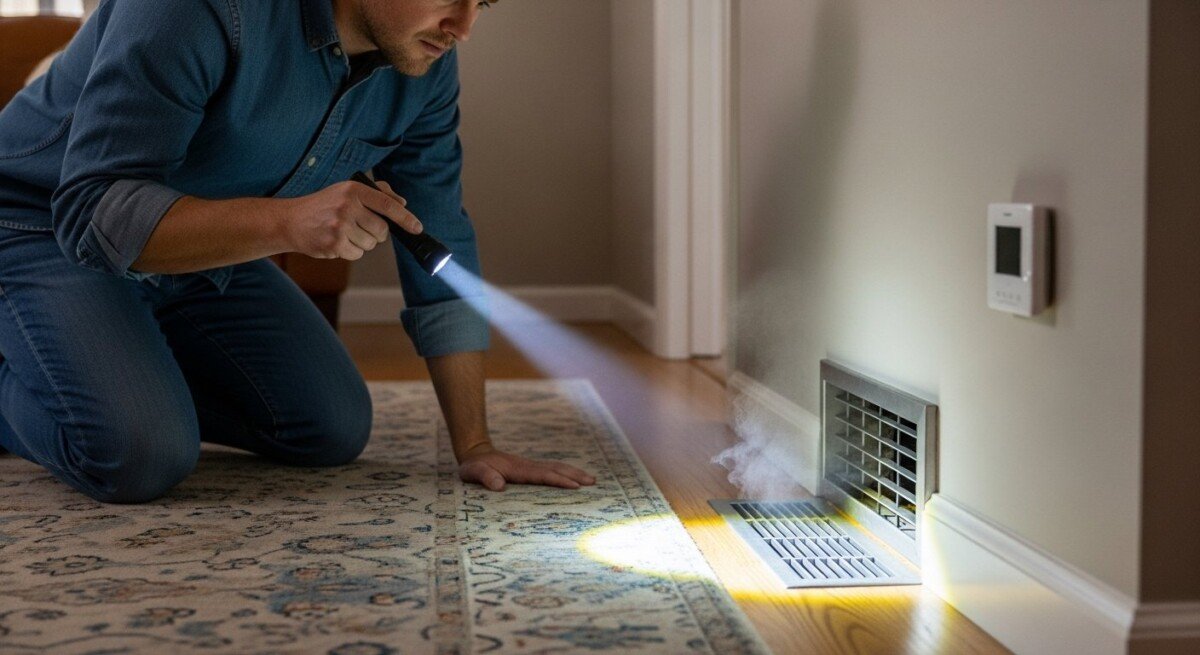
HVAC System Safety: A Homeowner’s Guide to Peace of Mind
A practical guide for homeowners on identifying and addressing HVAC system safety risks, from carbon monoxide to electrical hazards, and the importance of professional maintenance.

By Alex Carter
Learn more about Central Air Conditioning Repair or Maintenance for guides, costs, and what to expect.
Compare Central Air Conditioning Repair or Maintenance Pros Near You

Enter your ZIP code to compare top-rated local professionals and request free quotes.
You’re relaxing at home when you notice a faint, musty smell coming from the vents. Or perhaps you hear an unusual rattling noise every time your furnace kicks on. These small signs are easy to dismiss, but they could be your home’s way of signaling a deeper issue with your HVAC system’s safety. Many homeowners discover potential problems through strange odors, odd sounds, or a sudden spike in their energy bill. Ignoring these warnings can turn a simple maintenance check into a serious,and costly,safety hazard, affecting the air you breathe and the security of your home.
Understanding HVAC System Safety
HVAC system safety is about ensuring your heating, ventilation, and air conditioning equipment operates correctly without posing risks to your home or family. It goes beyond just comfort; it’s about preventing dangers that can be invisible, like gas leaks or poor air quality.
Safety issues often happen gradually. Components wear out, filters get clogged, and small connections can come loose over years of use. This slow decline makes it easy to overlook until a more obvious problem appears.
While any home can experience these issues, older systems and homes that haven’t had regular professional maintenance are most affected. Even newer systems need attention to stay safe and efficient over time.
Why This Matters for Your Home
Your HVAC system is central to your home’s well-being. When its safety is compromised, the impacts extend far beyond a room that’s too hot or too cold. The risks are real and can affect your health, your wallet, and your property.
First, there are direct safety risks. A cracked heat exchanger in a furnace can leak carbon monoxide,a colorless, odorless gas that is extremely dangerous. Electrical issues within an AC unit can lead to shorts and potential fire hazards. These aren’t just hypotheticals; they are preventable tragedies.
Second, an unsafe system can cause significant property damage. A clogged condensate drain from an air conditioner can lead to water leaks, damaging ceilings, walls, and flooring, and encouraging mold growth. Ignoring small repairs almost always leads to larger, more expensive problems down the line.
If you notice signs of this issue in your home, it may help to speak with a qualified contractor. Request a free quote or call to explore your repair or remodeling options.
Common Problems Homeowners Experience
HVAC safety problems often manifest in everyday situations. You might not think twice about a little dust around a vent, but it could indicate a leak in your ductwork pulling in particles from attics or crawl spaces. These common issues are the building blocks of larger safety concerns.
Many problems stem from a lack of routine care. Homeowners are great at changing visible air filters, but the system has many other components that need a professional eye. Without regular check-ups, minor faults can evolve into major failures.
- Carbon Monoxide Risks: From cracked heat exchangers or improper venting in furnaces and boilers.
- Electrical Hazards: Frayed wiring, overloaded circuits, or faulty capacitors that can cause shocks or fires.
- Gas Leaks: In homes with gas furnaces, leaks can occur at connections or valves, creating an explosion risk.
- Poor Indoor Air Quality: Mold growth in ducts or units, excessive dust, and poor ventilation circulating allergens and contaminants.
- Venting Blockages: Bird nests, leaves, or debris blocking exhaust flues, which can cause dangerous gases to back up into the home.
- Refrigerant Leaks: In AC systems, which can be harmful and also cause the system to overwork and fail.
How Professionals Solve the Problem
A professional HVAC technician doesn’t just fix what’s broken; they perform a comprehensive safety evaluation. They have the training and tools to diagnose issues that are not apparent to a homeowner, ensuring the entire system is operating as intended. Their work provides a level of safety and reliability that DIY fixes simply cannot match.
The process is thorough and systematic. It starts with an inspection and follows a logical path to ensure every potential risk is addressed. This methodical approach is why professional service is a wise investment for your home’s safety.
- Comprehensive Inspection: The technician will examine all system components, from the thermostat to the ductwork, looking for wear, damage, or improper operation.
- Safety Testing: This includes checking for carbon monoxide, testing gas pressure and line integrity, inspecting electrical connections, and measuring refrigerant levels.
- Cleaning & Adjustment: Key components are cleaned, and the system is calibrated for optimal, safe performance. This includes cleaning burners, coils, and drains.
- Repair or Recommendation: Any faulty parts are repaired or replaced with certified components. If the system is beyond safe repair, they will provide clear options for replacement.
- Final Verification: The system is started and monitored to ensure it operates safely and efficiently before the technician leaves your home.
A professional inspection can reveal hidden issues before they become expensive repairs. Compare contractor quotes here or call to discuss your project.
Warning Signs You Should Not Ignore
Your HVAC system often sends clear signals when something is wrong. Paying attention to these warnings is the first and most important step in maintaining a safe home. Early action can prevent a minor issue from escalating into an emergency repair or a dangerous situation.
Some signs are subtle, while others are more urgent. Trust your senses,if something looks, sounds, smells, or feels off with your heating or cooling, it’s worth investigating. For a deeper understanding of how your system should operate, our guide to HVAC system basics is a helpful resource.
- A Yellow or Flickering Furnace Flame: The burner flame should be steady and blue. A yellow flame often indicates a combustion problem that could produce carbon monoxide.
- Strange Odors: A persistent musty smell could mean mold in the ducts or unit. A burning electrical smell or the scent of rotten eggs (added to natural gas) requires immediate attention.
- Unusual Noises: Loud banging, screeching, rattling, or buzzing from the furnace or air handler can signal mechanical or electrical problems.
- Excessive Soot or Moisture: Soot around the furnace or unexplained moisture/rust on or near the HVAC equipment.
- Frequent Cycling or Inability to Reach Temperature: The system turning on and off too frequently or struggling to heat/cool your home can indicate a serious underlying fault.
- Headaches or Nausea at Home: Unexplained flu-like symptoms that improve when you leave the house could be a sign of carbon monoxide exposure.
What Affects the Cost of Repairs or Installation
The cost of addressing HVAC safety concerns varies widely because every home and system is unique. A simple cleaning and tune-up is relatively low-cost, while replacing a major component or the entire system is a larger investment. Understanding the factors involved helps you see the value in professional service.
Key factors include the age and type of your existing system, the specific part that needs repair, and the accessibility of your equipment. Labor is also a significant component, as skilled, licensed technicians ensure the job is done safely and to code, protecting your home.
Costs can vary depending on the condition of your home. The best way to know the price is to get a personalized estimate. Request free quotes from contractors or call today.
How to Choose the Right Contractor
Selecting the right professional is as important as the service itself. A qualified contractor provides peace of mind, knowing the work is done correctly and safely. Start by looking for established local companies with a strong reputation for quality and honesty.
Always verify their credentials and don’t hesitate to ask questions. A trustworthy contractor will be transparent about their process, licensing, and pricing. They should view your safety as their primary concern, not just a quick sale.
- Check Licenses and Insurance: Ensure they are state-licensed to work on HVAC systems and carry both liability and worker’s compensation insurance.
- Read Reviews and Ask for References: Look at online reviews and ask the company for references from recent jobs similar to yours.
- Get Detailed, Written Estimates: A quote should itemize parts, labor, and any potential additional costs. Avoid vague verbal estimates.
- Compare Multiple Quotes: Get at least three detailed estimates to understand the market rate and scope of work for your project.
- Ask About Experience: Confirm they have specific experience with your type of system (e.g., gas furnace, heat pump) and are familiar with local building codes.
Long-Term Benefits of Professional Work
Investing in professional HVAC safety services pays dividends long after the technician has left. The immediate benefit is the elimination of risk, but the advantages continue for years. It’s an investment in your home’s infrastructure that supports your family’s health and your financial well-being.
A safe, professionally maintained system operates more efficiently, which lowers your monthly energy bills. It also experiences less strain, meaning fewer breakdowns and a longer overall lifespan, delaying the major expense of a full system replacement. If replacement is the best option, a professional new HVAC system setup ensures optimal performance and safety from day one.
Furthermore, a well-documented history of professional maintenance and safe operation can increase your home’s value and appeal to future buyers. It demonstrates responsible homeownership and provides them with confidence in the home’s core systems.
What are the most dangerous HVAC safety risks?
Carbon monoxide poisoning from a faulty furnace and electrical fires from damaged wiring are among the most serious risks. Both are silent threats that underscore the need for professional inspections and working carbon monoxide detectors on every level of your home.
How often should I have my HVAC system checked for safety?
Most experts recommend a professional safety and maintenance check once a year for your heating system and once a year for your cooling system. Ideally, schedule furnace checks in the fall and AC checks in the spring before peak usage seasons.
Can I perform any HVAC safety checks myself?
Yes, homeowners can and should do a few things: replace air filters regularly, keep the area around outdoor units clear of debris, ensure vents indoors are not blocked, and test carbon monoxide and smoke detectors monthly. However, internal mechanical, electrical, and combustion inspections require a professional.
Will a new HVAC system be safer than my old one?
Generally, yes. Modern systems have more advanced safety features, better efficiency standards, and are installed with current codes in mind. They also start their life cycle with no wear and tear, eliminating the risks that come from aging components.
What does a professional HVAC safety inspection include?
A thorough inspection includes checking heat exchangers for cracks, testing for gas and refrigerant leaks, inspecting electrical terminals and connections, cleaning and testing burners, checking venting for blockages, ensuring proper airflow, and verifying safe system operation through performance tests.
Is a smelly air conditioner a safety issue?
It can be. A musty smell often indicates mold growth, which affects air quality and can exacerbate allergies and asthma. A burning smell could point to an electrical problem. It’s best to turn the unit off and have it inspected to determine the cause.
How long does an HVAC safety repair typically take?
This depends entirely on the issue. A simple part replacement might take 1-2 hours. Diagnosing and repairing a more complex problem like a refrigerant leak or a cracked heat exchanger could take half a day or more. Your contractor should provide a timeframe in their estimate.
Your home’s HVAC system is a critical component that deserves attention beyond just temperature control. Prioritizing its safety protects your family, preserves your property, and provides true peace of mind. By recognizing warning signs early and partnering with qualified professionals, you can avoid larger costs and ensure your home remains a comfortable and secure haven. A smart first step is to understand your options,consider comparing detailed quotes from trusted local contractors to make an informed decision for your home.
Learn more about Central Air Conditioning Repair or Maintenance for guides, costs, and what to expect.
Compare Central Air Conditioning Repair or Maintenance Pros Near You
Enter your ZIP code to compare top-rated local professionals and request free quotes.