HVAC Sizing Guide: Why Your System’s Size Matters
"*" indicates required fields
You’ve just had a new, high-efficiency air conditioner installed, expecting lower bills and perfect comfort. But now, your home feels clammy on humid days, certain rooms are always too warm, and your energy bills haven’t dropped as promised. You might assume the unit is faulty, but the real culprit is often more fundamental: your HVAC system is the wrong size. This common and costly mistake happens when a system is installed without a proper load calculation, and it’s a problem that affects your wallet, comfort, and even your home’s structure. Understanding the importance of correct HVAC sizing is the first step to a truly comfortable and efficient home.
Understanding HVAC Sizing
HVAC sizing has nothing to do with the physical dimensions of your furnace or air conditioner. Instead, it refers to its heating and cooling capacity, measured in British Thermal Units (BTUs) for heat and tons for cooling. The right size is the one that precisely matches your home’s unique heating and cooling needs, known as its “load.” A system that’s too big or too small creates a cascade of problems that no amount of thermostat tweaking can fix.
This isn’t a one-size-fits-all calculation. It’s a detailed process called a Manual J load calculation, which considers far more than just your home’s square footage. Professional contractors use this method to determine the exact capacity needed to keep your home comfortable efficiently. Guessing or using rough rules of thumb is a major reason why so many homes suffer from poorly performing HVAC systems.
What is a Manual J Calculation?
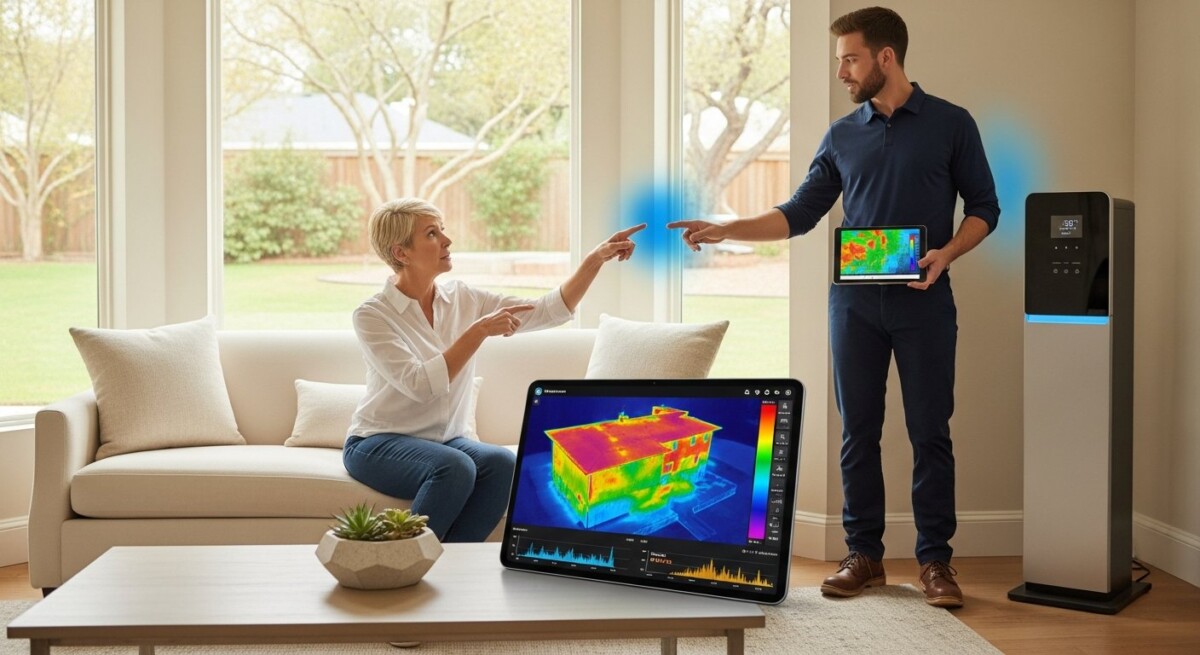
A Manual J calculation is the industry-standard method for determining a home’s heating and cooling load. It’s a comprehensive analysis that factors in your home’s insulation, window types and directions, local climate, air leakage, the number of occupants, and even the heat from appliances. This detailed approach ensures the recommended system capacity is tailored specifically to your house, not just a similar-looking one down the street.
Why This Matters for Your Home
An improperly sized HVAC system is more than an inconvenience; it’s a drain on your finances and comfort. A system that’s too large will quickly heat or cool your home and then shut off, a process known as short-cycling. This constant on-and-off operation wastes energy, increases wear on expensive components, and fails to run long enough to properly remove humidity from your air, leaving your home feeling damp and sticky.
Conversely, a system that’s too small will struggle to keep up. It will run almost constantly on the hottest or coldest days, driving up your utility bills while still failing to reach the temperature you set. This non-stop strain significantly shortens the system’s lifespan, meaning you’ll face a costly replacement much sooner than you should. Getting the size right protects your investment and your daily comfort.
If you notice signs of this issue in your home, it may help to speak with a qualified contractor. Request a free quote or call to explore your repair or remodeling options.
Common Problems Homeowners Experience
The symptoms of a poorly sized HVAC system are frustratingly common, yet many homeowners don’t connect them to the root cause. You might blame your thermostat, your insulation, or just assume “that’s how it is.” Recognizing these issues as sizing problems is the key to finding a real solution.
These problems don’t fix themselves and often worsen over time. The constant strain of an incorrect load match leads to more frequent breakdowns, inconsistent temperatures from room to room, and a general feeling that your system just isn’t working as well as it should, no matter how much you spend on maintenance.
- High Humidity in Summer: An oversized AC cools too fast and doesn’t run long enough to pull moisture from the air.
- Frequent On/Off Cycling: Your system turns on and off every few minutes, especially in mild weather.
- Sky-High Energy Bills: Your system works inefficiently, using far more energy than a properly sized unit would.
- Hot and Cold Spots: Certain rooms never seem to reach the desired temperature, despite adequate ductwork.
- Excessive Noise: A system that’s too large often starts with a loud blast of air, and an undersized system runs with a constant, strained noise.
- Reduced System Lifespan: The extra wear from short-cycling or constant running leads to premature failure.
How Professionals Solve the Problem
A professional HVAC contractor solves sizing problems by starting with accurate data, not guesswork. They follow a systematic process to diagnose your current issues and design a solution that will deliver comfort and efficiency for years to come. This professional approach ensures your new system is an asset, not a recurring headache.
Attempting a DIY sizing estimate or trusting a contractor who “eyeballs” it is a major risk. The tools and training professionals use are designed to eliminate error, protecting you from the costly consequences of a mistake. Their expertise turns a complex calculation into a reliable plan for your home.
- Conduct a Manual J Load Calculation: This is the essential first step, measuring all factors that affect your home’s heating and cooling needs.
- Evaluate Existing Ductwork: They check if your current ducts can deliver the right amount of air, as undersized ducts can cripple a perfectly sized system.
- Assess Your Current System’s Performance: They diagnose why your old system is underperforming to ensure the same mistakes aren’t repeated.
- Recommend Correctly Sized Equipment: Based on the load calculation, they present options that match your home’s exact BTU and tonnage requirements.
- Precise Installation and Testing: Professional installation includes verifying airflow, refrigerant charge, and system operation to ensure it performs as designed.
A professional inspection can reveal hidden issues before they become expensive repairs. Compare contractor quotes here or call to discuss your project.
Warning Signs You Should Not Ignore
Your HVAC system often sends clear signals when it’s the wrong size. Paying attention to these warnings can help you address the problem before it leads to a complete system breakdown or exorbitant energy costs. Early action is always more affordable than an emergency replacement.
Many of these signs develop gradually, making them easy to dismiss. However, if you notice two or more of these issues consistently, it’s a strong indicator that your system’s sizing needs a professional evaluation. Ignoring them only allows the inefficiency and damage to continue.
- Your system runs constantly on extreme days but never quite hits the thermostat setting.
- You notice a significant amount of dust accumulating quickly after cleaning.
- Ice forms on the refrigerant lines or the outdoor unit during summer.
- Your home feels stuffy or damp even when the air conditioner is running.
- Your utility bills are unusually high compared to neighbors with similar homes.
- The system shuts off after running for only 5-10 minutes.
What Affects the Cost of Repairs or Installation
The cost of correcting an HVAC sizing issue depends largely on the solution required. If your ductwork is adequate, the main cost may be replacing the outdoor and indoor units with correctly sized models. However, if the ducts are also improperly sized, the project scope and cost will increase.
Several key factors influence the final investment. Understanding these helps you see the value in a thorough professional proposal. A detailed quote should break down these elements, showing you exactly what you’re paying for and why it’s necessary for a lasting fix.
- System Capacity and Efficiency: Higher-capacity or high-efficiency (SEER/HSPF) units cost more but offer long-term savings.
- Ductwork Modifications: Resizing, sealing, or replacing ducts adds labor and material costs.
- Home Complexity: Multi-story homes, high ceilings, and large window areas complicate the load calculation and installation.
- Regional Labor Rates: Installation costs vary by location and contractor expertise.
- Permits and Code Requirements: Upgrades must meet local building codes, which may require specific materials or practices.
Costs can vary depending on the condition of your home. The best way to know the price is to get a personalized estimate. Request free quotes from contractors or call today.
How to Choose the Right Contractor
Selecting the right contractor is as important as selecting the right equipment. A skilled professional will guide you through the sizing process transparently and ensure a quality installation. The cheapest bid is rarely the best value when it comes to a complex, long-term investment like your HVAC system.
Take your time during the selection process. A trustworthy contractor will welcome your questions and provide clear, detailed answers. They should be your partner in achieving home comfort, not just a vendor selling equipment.
- Insist on a Manual J Calculation: Any contractor who refuses to do one or says it’s unnecessary should be disqualified immediately.
- Verify Licenses and Insurance: Ensure they are licensed for HVAC work in your state and carry both liability and worker’s compensation insurance.
- Check Reviews and References: Look for consistent positive feedback about installation quality, professionalism, and follow-up service.
- Get Detailed, Written Estimates: Compare quotes that include specific model numbers, capacities, labor breakdowns, and warranty terms.
- Ask About Their Experience: Choose a contractor with several years of experience specifically in performing full load calculations and installations.
Long-Term Benefits of Professional Work
Investing in a professionally sized and installed HVAC system pays dividends for the entire life of the equipment. The initial focus on getting the size right creates a foundation for efficiency, comfort, and reliability. This is an upgrade you’ll appreciate every day, in every season.
Beyond personal comfort, a correctly functioning HVAC system protects the value of your home. It’s a major system that home inspectors and potential buyers will evaluate. A properly sized, efficient system is a strong selling point and demonstrates that the home has been well cared for.
- Lower Utility Bills: A right-sized system operates at peak efficiency, reducing energy consumption by 15-30% or more compared to an oversized or undersized one.
- Enhanced Comfort: Consistent temperatures and balanced humidity create a noticeably more pleasant living environment.
- Extended Equipment Life: Reduced strain means fewer breakdowns and a system that lasts for its full expected lifespan.
- Improved Indoor Air Quality: Proper runtime allows filters to clean the air effectively and helps control mold-causing moisture.
- Increased Home Value: A modern, efficient, and properly installed HVAC system is a key asset in your home’s appraisal.
How long does a proper HVAC sizing calculation take?
A thorough Manual J load calculation for a typical home usually takes a trained professional 1-2 hours on site. They will need to measure rooms, inspect insulation in attics and crawlspaces, note window types, and assess the current ductwork. The actual analysis and report generation happen afterward. It’s a time investment that ensures accuracy for the next 15+ years.
Can I just replace my outdoor unit with a bigger one?
This is a common but serious mistake. The indoor coil, furnace, and ductwork must be matched to the outdoor unit’s capacity. Mismatching components, especially with a different size, leads to drastic drops in efficiency, increased breakdowns, and comfort issues. Always replace the entire system (or matched components as specified by the manufacturer) based on a new load calculation.
My old system was the wrong size. Will my ducts need to be replaced too?
Not necessarily, but they must be evaluated. Ducts are sized to move a specific volume of air. If the new system requires a different airflow, the ducts may need resizing or modifications. A professional will test static pressure and airflow to determine if your existing ducts are compatible with the new, correctly sized system.
What’s the real cost of installing an oversized air conditioner?
The costs are ongoing: higher energy bills from short-cycling, poor humidity control leading to potential mold issues and discomfort, more frequent repair costs due to component wear, and a shortened system lifespan that forces an early replacement. The initial equipment cost may be higher too, making it a poor investment from day one.
Do heat pumps require special sizing considerations?
Yes, sizing a heat pump is critical. An oversized heat pump will short-cycle in heating mode, reducing efficiency and comfort. Proper sizing for your climate’s heating load is essential, often with a supplemental heat source for the coldest days. A Manual J calculation is non-negotiable for heat pump systems.
Will a properly sized system heat/cool my home as quickly?
It will heat or cool your home *correctly*, which is more important than speed. An oversized system provides a quick, uncomfortable blast of air that shuts off before air is fully circulated and dehumidified. A right-sized system runs for longer, steadier cycles to gently and thoroughly condition the air, providing more even and comfortable results.
Correct HVAC sizing is the invisible foundation of your home’s comfort and efficiency. By understanding the risks of an improperly sized system and the value of a professional load calculation, you can make an informed decision that protects your investment. If your current system shows any warning signs, the most practical step is to consult with qualified contractors. Comparing detailed quotes will give you a clear path forward to lasting comfort and peace of mind.

About Alex Carter
"*" indicates required fields