HVAC Safety Tips for a Safer Home
"*" indicates required fields
Your HVAC system works hard to keep your home comfortable, but like any major appliance, it needs proper care to operate safely. Ignoring basic safety can lead to costly repairs, higher bills, or even dangerous situations like fires or carbon monoxide leaks. The good news? A little knowledge and regular attention go a long way in protecting your family and your investment.
Understanding HVAC Safety Basics
HVAC safety isn’t just about avoiding a big catastrophe. It’s about creating a consistent, proactive approach to how you interact with your heating and cooling equipment. This means knowing what you can safely do yourself and recognizing when it’s time to call a professional.
At its core, HVAC safety combines common sense, routine maintenance, and an awareness of potential hazards. By following established tips and guidelines, you ensure your system runs efficiently, lasts longer, and, most importantly, doesn’t pose a risk to your household.
The Two Pillars of Safety: Maintenance and Awareness
Think of safety in two parts. First is scheduled maintenance,the regular check-ups and filter changes you do or have done. Second is situational awareness,noticing odd smells, sounds, or performance issues and knowing how to respond. Both are equally important for a secure home.
Why HVAC Safety Matters for Homeowners
Your HVAC system involves electricity, combustible fuel (in furnaces), refrigerants, and moving parts. When properly maintained, these elements work together seamlessly. When neglected, they can interact in dangerous ways. A small electrical fault can become a fire hazard, and a cracked heat exchanger can leak carbon monoxide, an odorless, deadly gas.
Beyond preventing emergencies, following safety tips protects your wallet. A clogged filter makes your system strain, leading to premature breakdowns and sky-high energy bills. Simple, safe practices like keeping vents clear and scheduling tune-ups improve efficiency and prevent minor issues from becoming major, expensive repairs.
Ultimately, HVAC safety is about peace of mind. Knowing your system is running correctly means you can relax and enjoy a comfortable home environment without worry. It’s an essential part of responsible homeownership.
Don’t leave your family’s safety and comfort to chance. Schedule a professional safety inspection with our certified technicians today or call us at (555) 123-HEAT. We’ll ensure your system is running safely and efficiently.
Common HVAC Safety Issues and Their Causes
Many common HVAC problems start small and are often preventable. Understanding what typically goes wrong helps you stay vigilant and address issues early.
One of the most frequent issues is poor airflow caused by clogged air filters. This simple problem forces your blower motor to overwork, which can lead to overheating and component failure. Another common culprit is blocked or dirty condenser units outside. When leaves, grass, and debris surround the unit, it can’t release heat, causing the system to overheat and shut down.
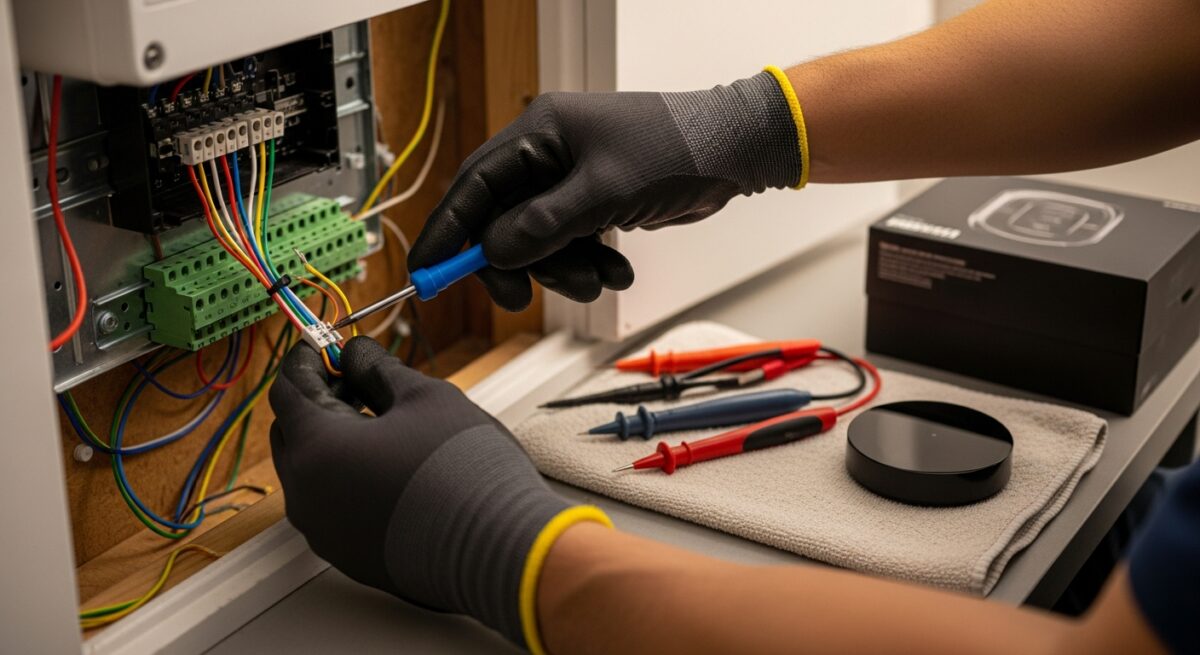
Electrical issues are also a major safety concern. Loose wiring connections, corroded contacts, or faulty capacitors can cause the system to short cycle, perform poorly, or create sparking hazards. These often develop over time due to vibration, age, or insect/rodent activity in the unit.
- Clogged Air Filters: Restricts airflow, strains the system, and reduces indoor air quality.
- Blocked Vents & Registers: Furniture or drapes over vents create pressure imbalances and make the system work harder.
- Dirty Condenser Coils: Reduces efficiency and can cause the compressor to overheat and fail.
- Ignition or Pilot Light Problems: In gas furnaces, this can lead to gas buildup or incomplete combustion.
- Refrigerant Leaks: Can cause frost on coils, reduced cooling, and environmental harm.
How Professionals Ensure Your System Is Safe
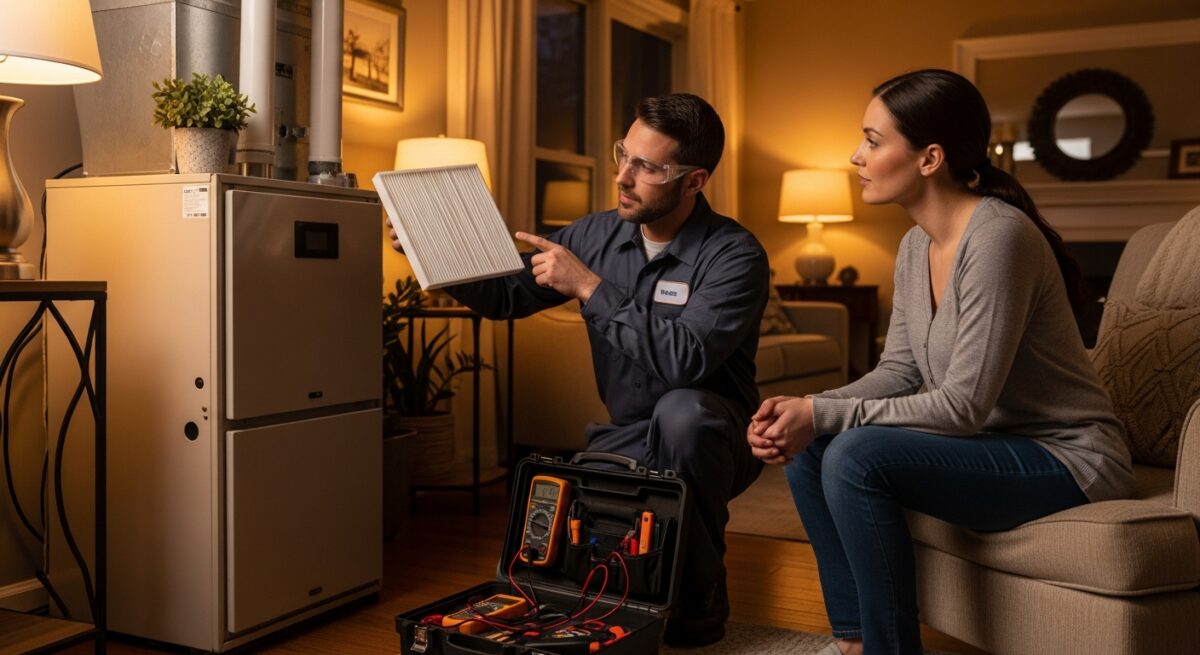
While homeowners can handle tasks like changing filters, a professional HVAC technician performs a comprehensive safety check that goes far beyond the basics. This systematic approach identifies hidden problems before they become emergencies.
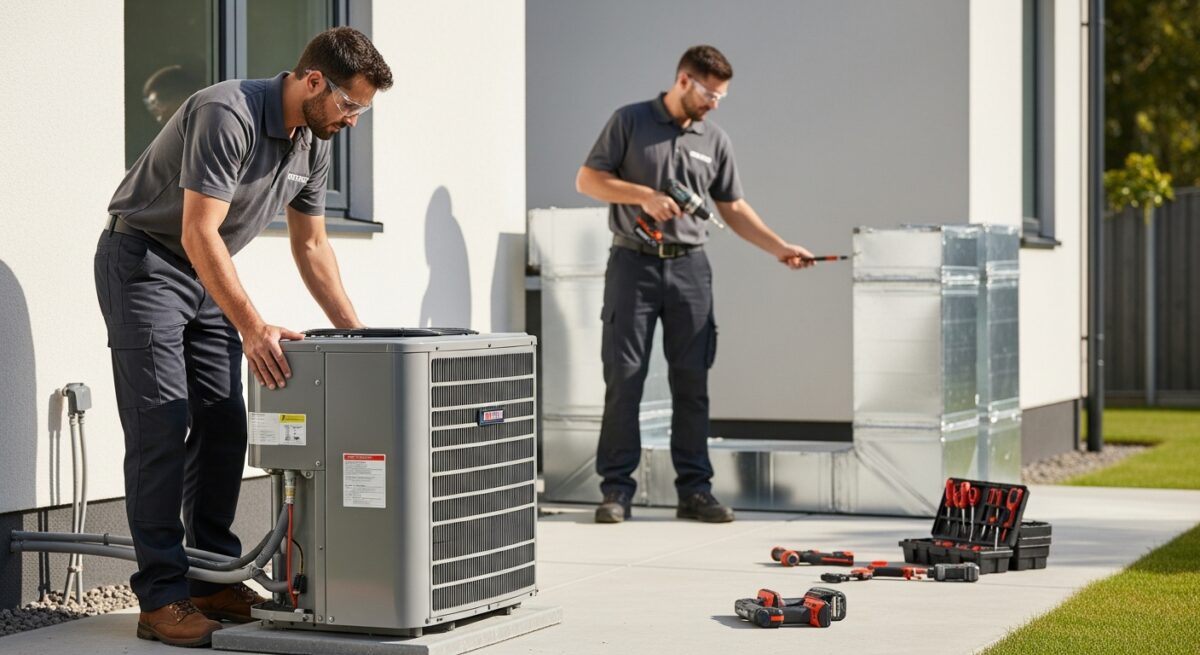
A standard safety inspection includes checking and tightening all electrical connections, testing for proper voltage and current on motors, and inspecting the heat exchanger for dangerous cracks,a critical step for gas furnaces. They will also clean essential components like burners, coils, and drain lines to ensure proper operation and efficiency.
For cooling systems, pros check refrigerant levels and look for leaks, ensuring the system cools effectively without straining the compressor. They also test safety controls, like the furnace limit switch and the AC’s high-pressure switch, to verify they will shut the system down if an unsafe condition arises. This thorough process not only safeguards your home but also optimizes performance.
Ready for a professional safety evaluation? Contact our team for a comprehensive 20-point safety and performance inspection. We’ll provide a detailed report and ensure your system meets all safety standards. Call us at (555) 123-HEAT to book.
HVAC Safety Warning Signs You Should Not Ignore
Your HVAC system often communicates when something is wrong. Learning to recognize these warning signs is a crucial part of home safety. Never ignore these red flags, as they often point to developing safety issues.
Strange smells are a major indicator. A musty odor usually points to mold in the ductwork or drain pan, while a burning smell could signal an electrical issue or overheating motor. Most critically, if you smell gas or something similar to rotten eggs, leave your home immediately and call your gas company and fire department,this indicates a potential gas leak.
Unusual sounds are another clear sign of trouble. While some operational noise is normal, new or loud sounds like grinding, screeching, banging, or rattling typically mean a mechanical component is failing, a belt is loose, or there’s a blockage in the system.
- The smell of gas or rotten eggs: Evacuate and call for help immediately.
- Yellow or flickering burner flame: A healthy furnace flame is blue. Yellow indicates incomplete combustion and possible carbon monoxide production.
- Soot around the furnace or registers: Sign of improper burning.
- Frequent tripping of the circuit breaker: Points to an electrical fault within the system.
- Visible water leaks or excessive ice on coils: Indicates a refrigerant issue or clogged drain line.
Factors That Influence HVAC Safety Service Costs
The cost of professional HVAC safety services can vary, but understanding the factors involved helps you see the value in the investment. The primary cost driver is the type and scope of service performed,a simple seasonal tune-up is less expensive than repairing a cracked heat exchanger or fixing a refrigerant leak.
The age, make, and model of your equipment also affect price. Older systems or obscure brands may require harder-to-find parts or more labor to service. Accessibility plays a role too; a unit in a difficult-to-reach attic or a tightly spaced mechanical room may take longer for a technician to service.
Finally, the reputation and expertise of the company you choose influence cost. While it may be tempting to choose the lowest bid, a certified, insured technician from a reputable company may charge a fair rate that reflects their training, quality parts, and thoroughness, ultimately providing greater safety and long-term value.
Investing in professional safety services saves money on future repairs and energy bills. Get a transparent, upfront quote for your HVAC safety check today. Call (555) 123-HEAT,we believe in honest pricing and exceptional service.
How to Choose the Right HVAC Safety Professional
Selecting the right technician is as important as the service itself. You’re inviting someone to assess a critical system in your home, so due diligence is key. Always start by verifying that the company holds the necessary state and local licenses for HVAC work and carries both liability and worker’s compensation insurance.
Look for certifications from organizations like North American Technician Excellence (NATE). These indicate advanced training and knowledge. Don’t hesitate to ask for references or read online reviews to gauge the company’s reputation for quality, honesty, and customer service.
A trustworthy professional will always perform a full assessment before starting any major repair, provide a detailed written estimate, and be willing to explain what they are doing and why. Avoid those who give vague quotes over the phone for unspecified repairs or use high-pressure sales tactics.
The Long-Term Benefits of Prioritizing HVAC Safety
Committing to regular HVAC safety practices pays dividends for years to come. First and foremost, you gain uninterrupted comfort and the profound peace of mind that comes from knowing your home environment is safe from preventable hazards like fire or carbon monoxide.
Your system will also operate at peak efficiency, which directly translates to lower monthly utility bills. Well-maintained equipment experiences less strain, meaning fewer breakdowns, a longer lifespan, and delayed replacement costs,a significant financial benefit. Furthermore, good maintenance preserves your indoor air quality by ensuring clean filters and ductwork, contributing to a healthier home for everyone inside.
Frequently Asked Questions About HVAC Safety
How often should I change my HVAC air filter?
For most 1-3 inch standard filters, check monthly and change every 90 days. With pets, allergies, or high usage, change it every 30-60 days. Pleated or high-efficiency filters may last up to 6 months. A dirty filter is a top cause of safety and efficiency issues.
What should I do if I smell burning from my vents?
Turn off the system at the thermostat. The smell may be dust burning off on first seasonal use, which should dissipate quickly. If it persists or smells like electrical burning, shut off power at the breaker and call a professional immediately to inspect for wiring or motor problems.
Is carbon monoxide from my furnace a real risk?
Yes. A cracked heat exchanger or improper venting in a gas furnace can leak carbon monoxide (CO). This is why installing CO detectors on every floor and having annual professional furnace inspections are non-negotiable for safety.
Can I clean my outdoor AC unit myself?
You can safely turn off power and gently rinse debris from the exterior fins with a garden hose. Never use a pressure washer, and do not attempt to open the electrical panel or repair internal components. For a deep clean, leave it to the pros.
Why is my circuit breaker tripping when the HVAC starts?
This usually indicates an electrical fault, such as a failing capacitor, a short in the wiring, or a motor drawing too much amperage. It’s a fire hazard. Stop resetting the breaker and call an HVAC technician to diagnose the problem.
How often should I have professional HVAC maintenance?
Twice a year is ideal. Schedule a furnace tune-up in the fall and an AC check in the spring. This proactive approach catches small issues before they become big, unsafe, and expensive problems.
Are smart thermostats safer?
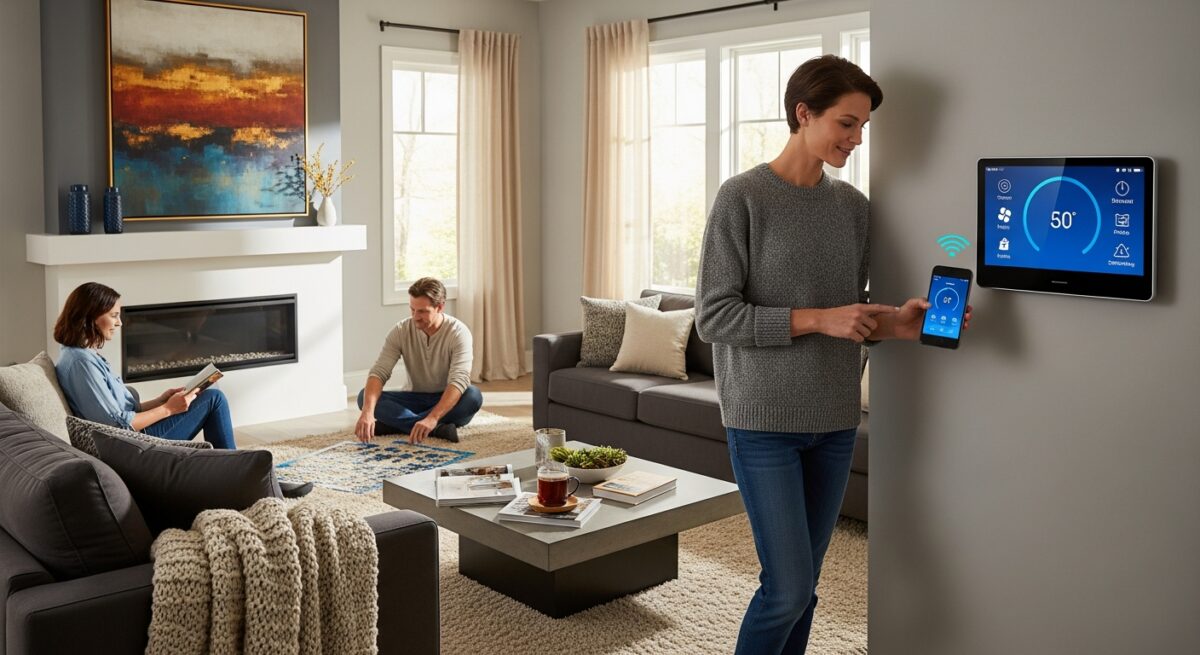
They can enhance safety through features like remote system shut-off if a problem is suspected and maintenance alerts. However, they do not replace the need for physical safety components (like CO detectors) or professional inspections.
What’s the safest thing to do before leaving for a long vacation?
Set your thermostat to a modest “hold” temperature (like 55°F in winter, 85°F in summer) to prevent freezing or excessive heat. You may also shut off the water supply to humidifiers and shut off power to the system at the breaker for absolute safety if you prefer.
Your home’s comfort system should be a source of relief, not concern. By adopting these practical safety tips and partnering with a trusted professional for regular care, you protect your family, your home, and your budget. A safe HVAC system is a reliable and efficient one, providing comfort you can count on for seasons to come.

About Alex Carter
"*" indicates required fields