
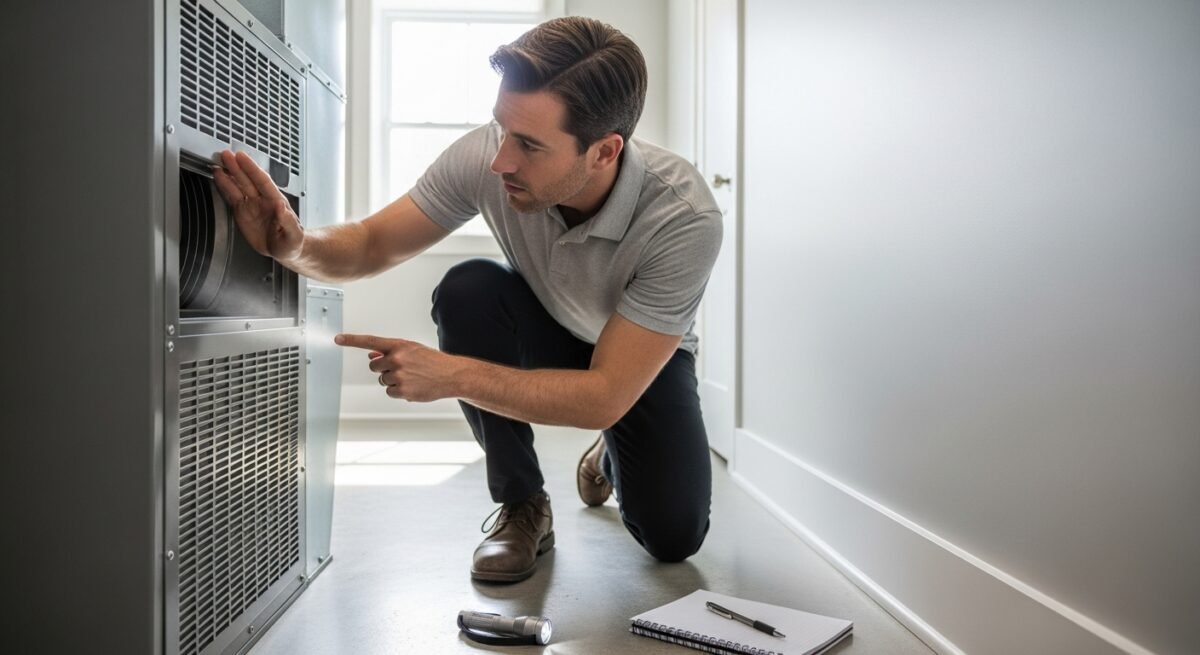
HVAC Repair Signs: A Homeowner’s Guide to Early Detection
Learn to spot the key signs your HVAC system needs repair, from strange noises to high bills, and prevent costly breakdowns with our homeowner’s guide.

By Alex Carter
Learn more about Central Air Conditioning Repair or Maintenance for guides, costs, and what to expect.
Compare Central Air Conditioning Repair or Maintenance Pros Near You

Enter your ZIP code to compare top-rated local professionals and request free quotes.
Your home’s heating and cooling system works hard to keep you comfortable, often without much thought. But like any complex machine, it can develop problems. Spotting the early signs of HVAC trouble is the key to preventing a minor issue from turning into a costly, full-system failure and an uncomfortable home.
Don’t wait for a costly breakdown. Call 📞833-365-8755 or visit Schedule HVAC Service today to schedule a professional diagnosis and protect your home’s comfort and safety.
Understanding Common HVAC Repair Signs
Your HVAC system communicates its health through changes in performance, sound, and even your utility bills. Learning to recognize these signals is the first step in responsible homeownership. It allows you to address problems proactively, often saving money and avoiding the stress of a complete breakdown during extreme weather.
These signs range from obvious, like no air blowing from your vents, to more subtle, like a gradual increase in your energy costs. Some issues may be similar to other home systems; for instance, musty smells could point to your HVAC or, as we discuss in our guide on early sewer line repair signs, a different problem entirely. Knowing the specific symptoms of HVAC distress helps you accurately describe the issue to a professional.
Listening to Your System
Your ears are powerful diagnostic tools. New or unusual noises are rarely a good sign. A system that once ran quietly but now groans, rattles, or squeals is asking for attention. These sounds often indicate mechanical wear, loose components, or airflow blockages that need professional assessment.
Why Early Detection Matters for Homeowners
Catching HVAC problems early isn’t just about comfort; it’s about protecting your investment. A small refrigerant leak, for example, is a relatively simple fix. Left unchecked, it forces the compressor to work endlessly, leading to a burnout that can cost thousands to replace. Early intervention is almost always less expensive than emergency repairs or full system replacement.
Beyond your wallet, your family’s health and safety are on the line. A cracked heat exchanger in a furnace can leak dangerous carbon monoxide into your home. Poor airflow from a dirty system can circulate dust, allergens, and mold spores, aggravating allergies and respiratory issues. Addressing repair signs promptly ensures your home remains a safe and healthy environment.
Don’t wait for a total breakdown. If you’re noticing any of these warning signs, it’s time to call the experts. Contact our certified HVAC repair team for a thorough diagnosis and honest repair estimate.
Common HVAC Issues and Their Root Causes
Most HVAC problems stem from a handful of common culprits. Understanding what typically goes wrong can demystify the repair process and help you understand what your technician is explaining.
Wear and tear is the most frequent cause. Components like capacitors, contactors, and fan motors have a finite lifespan. Lack of maintenance accelerates this wear dramatically. A system that hasn’t been serviced annually will accumulate dirt on coils and filters, forcing it to work harder, run longer, and fail sooner.
Other issues arise from installation errors, refrigerant leaks, ductwork problems, or electrical failures. Sometimes, the issue is as simple as a clogged condensate drain line causing water leakage, or a faulty thermostat sending incorrect signals to the system. Our comprehensive approach to expert HVAC repair services is designed to diagnose the true root cause, not just the symptom.
- Dirty Filters & Coils: Restricts airflow, reduces efficiency, and causes freezing.
- Electrical Failures: Blown fuses, tripped breakers, or failing capacitors stop the system from starting or running properly.
- Refrigerant Issues: Leaks or incorrect charge levels prevent proper cooling and damage the compressor.
- Ignition/Pilot Problems: Prevent the furnace from generating heat.
- Ductwork Leaks: Conditioned air escapes into attics or crawlspaces, wasting energy and straining the system.
How HVAC Professionals Diagnose and Fix Problems
A professional HVAC repair begins with a systematic diagnosis. A skilled technician won’t just guess; they will use tools and knowledge to pinpoint the exact issue. This process typically starts with a conversation with you about the symptoms you’ve observed, followed by a visual inspection of the indoor and outdoor units.
They will then use specialized tools like multimeters to check electrical components, manifold gauges to measure refrigerant pressure, and anemometers to test airflow. This data-driven approach ensures the real problem is found. For example, a warm house could be caused by a dirty air filter, a failing compressor, or a leak in the ductwork,each requiring a very different repair.
- Comprehensive Inspection: Visual check of all system components, electrical connections, and airflow.
- Precision Testing: Using diagnostic tools to measure voltage, pressure, temperature, and airflow rates.
- Clear Explanation & Quote: The technician explains the problem, the necessary repair, and provides a transparent cost estimate before any work begins.
- Quality Repair: Using proper tools and OEM-quality parts to restore your system to manufacturer specifications.
- System Verification: Testing the repaired system to ensure it operates safely, efficiently, and effectively.
You deserve a repair done right the first time. Our trained technicians follow a meticulous process to ensure lasting solutions. Schedule your HVAC diagnostic service.
Critical HVAC Repair Signs You Should Never Ignore
While all repair signs warrant attention, some are urgent red flags demanding immediate professional help. Ignoring these can lead to severe safety hazards, catastrophic system damage, or skyrocketing energy bills in a very short time.
Don’t wait for a costly breakdown. Call 📞833-365-8755 or visit Schedule HVAC Service today to schedule a professional diagnosis and protect your home’s comfort and safety.
A strong smell of gas or burning electrical insulation near your furnace or air handler is a clear signal to turn off the system and call for help immediately. Similarly, if you notice any signs of carbon monoxide,like yellow burner flames, soot around the furnace, or flu-like symptoms in the household when the heat is on,evacuate and contact a professional and your gas company right away.
- Strange Smells: Burning wire, rotten eggs (gas leak), or musty/moldy odors from vents.
- Unusual Noises: Loud banging, screeching, grinding, or rattling from the unit.
- Poor Airflow: Weak airflow from vents, or significant temperature differences between rooms.
- Frequent Cycling: The system turns on and off much more frequently than normal.
- Rising Energy Bills: A sudden, unexplained spike in your heating or cooling costs.
Cost Factors and What Affects HVAC Repair Pricing
HVAC repair costs can vary widely, and understanding the factors involved helps set realistic expectations. The primary cost drivers are the part(s) needing replacement and the labor required. A simple capacitor swap is relatively inexpensive, while replacing a compressor or a heat exchanger is a major repair.
The age and brand of your system also play a role. Older systems or obscure brands may have parts that are difficult to source or are no longer manufactured. The time of year can affect pricing as well; emergency service on a holiday weekend during a heatwave will typically cost more than a scheduled appointment during a mild season. A trustworthy company will always provide a detailed, upfront estimate and explain why each part and labor charge is necessary.
We believe in transparent, upfront pricing with no hidden fees. Get a clear, honest estimate for your repair. Call us for a free quote.
How to Choose the Right HVAC Professional
Selecting the right technician is as important as recognizing the problem. Look for a company with proper licensing, insurance, and certifications (like NATE certification for technicians). These credentials demonstrate a commitment to training and industry standards.
Always read reviews and ask for references. A reputable company will be happy to provide them. Be wary of quotes given over the phone without seeing the system, or technicians who pressure you into unnecessary replacements. A good professional will explain the problem clearly, show you the faulty component if possible, and discuss all your repair and replacement options. This due diligence is similar to the care you should take when identifying other home issues, like the early pipe leak signs that can cause water damage.
- Verify licenses, insurance, and technician certifications.
- Check online reviews and ask for local references.
- Choose a company that offers upfront, written estimates.
- Prioritize clear communication and a professional demeanor.
The Long-Term Benefits of Prompt HVAC Repairs
Addressing repair signs quickly pays dividends for years to come. A well-maintained and promptly repaired system operates at peak efficiency, which directly translates to lower monthly utility bills. You also extend the lifespan of your entire HVAC system, delaying the significant expense of a full replacement.
Beyond savings, you gain peace of mind. You’ll have consistent comfort in every room, improved indoor air quality for your family, and the confidence that your system is operating safely. Your home becomes a more reliable sanctuary, regardless of the weather outside. Investing in timely repairs is an investment in your home’s value, your family’s well-being, and your own comfort.
Frequently Asked Questions About HVAC Repair Signs
How often should I have my HVAC system serviced?
We recommend professional maintenance twice a year: once in the spring for your cooling system and once in the fall for your heating system. This preventative care catches small issues before they become big repairs.
What’s the most common sign my HVAC needs repair?
Reduced cooling or heating capacity is the most frequent complaint. If your system is running constantly but not reaching the set temperature, it’s a clear sign something is wrong, from low refrigerant to a dirty filter.
Can I ignore a small refrigerant leak?
No. Refrigerant leaks never fix themselves and will only get worse. Low refrigerant causes the compressor to overwork and can lead to a complete, very expensive system failure.
Why is my HVAC system making a buzzing noise?
A persistent buzzing often indicates an electrical problem, such as a failing contactor or a capacitor about to go out. It’s a sign you should call a technician before the component fails completely.
Is it worth repairing an old HVAC system?
This depends on the cost of the repair, the age of the system, and its overall condition. A good rule of thumb is the “5,000 Rule”: multiply the repair cost by the age of the unit. If it’s over $5,000, replacement is often the better long-term investment.
What should I do if no air is coming from my vents?
First, check your thermostat settings and circuit breaker. If those are fine, the issue could be a broken blower motor, a failed capacitor, or a problem with the ductwork. This requires professional diagnosis.
Your HVAC system is a vital part of your home’s infrastructure. By learning to recognize its calls for help,those unusual sounds, changing performance, and rising costs,you take control of your comfort, safety, and finances. Proactive attention to these signs ensures your system runs reliably for years, keeping your home a perfect retreat in every season.
Don’t wait for a costly breakdown. Call 📞833-365-8755 or visit Schedule HVAC Service today to schedule a professional diagnosis and protect your home’s comfort and safety.
Learn more about Central Air Conditioning Repair or Maintenance for guides, costs, and what to expect.
Compare Central Air Conditioning Repair or Maintenance Pros Near You
Enter your ZIP code to compare top-rated local professionals and request free quotes.