
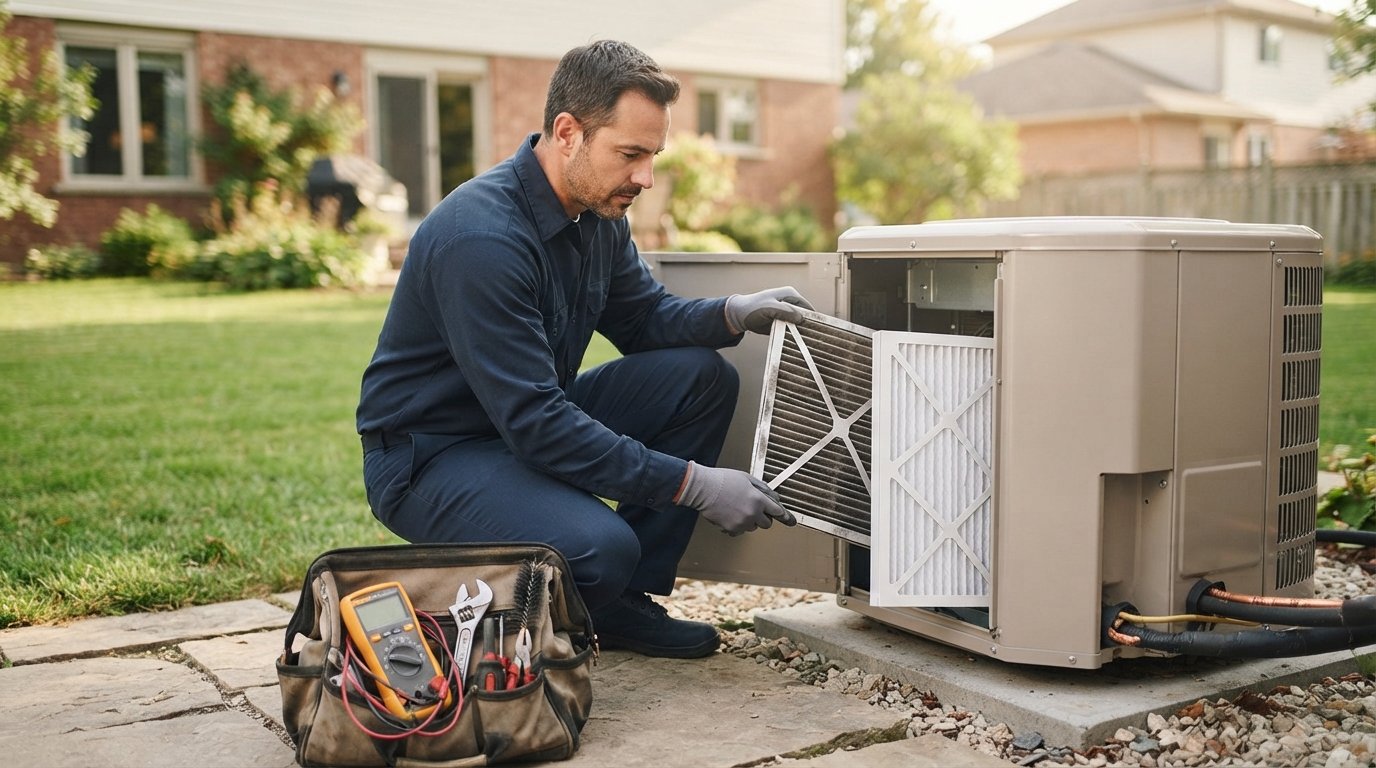
HVAC Maintenance Schedule for Peak Performance
A routine HVAC maintenance schedule for peak performance prevents breakdowns, lowers energy bills, and extends system life. Learn the essential seasonal tasks.

By Rachel Green
Learn more about Central Air Conditioning Repair or Maintenance for guides, costs, and what to expect.
Compare Central Air Conditioning Repair or Maintenance Pros Near You

Enter your ZIP code to compare top-rated local professionals and request free quotes.
Your HVAC system works silently behind the scenes, keeping your home comfortable through every season. But when was the last time you gave it the attention it deserves? Most homeowners only think about their heating and cooling system when it stops working, which often happens on the hottest or coldest day of the year. A proactive approach is far better. A well-planned HVAC maintenance schedule for peak performance not only prevents unexpected breakdowns but also lowers your energy bills and extends the life of your equipment. In this guide, you will learn exactly what to do, when to do it, and why each step matters for your home and your wallet.
Why a Maintenance Schedule Matters More Than You Think
Your HVAC system is one of the largest investments in your home. According to the U.S. Department of Energy, a properly maintained system can save you up to 15% on heating and cooling costs. That is not a small number. Over a year, those savings can add up to hundreds of dollars. But the benefits go beyond your monthly utility bill.
Regular maintenance also prevents minor issues from turning into major repairs. A loose belt, a dirty coil, or a refrigerant leak might seem insignificant at first. Left unchecked, these small problems force your system to work harder, leading to premature failure. The cost of a major repair or a full system replacement is far higher than the cost of routine tune-ups. In fact, many HVAC experts recommend a simple rule: spend a little on maintenance now to avoid spending a lot on repairs later.
Another critical reason to follow a schedule is indoor air quality. Your HVAC system circulates air throughout your home. If filters and coils are dirty, that air carries dust, pollen, mold spores, and other allergens. For families with children, elderly members, or anyone with respiratory conditions, this can trigger allergies and asthma attacks. A clean system means cleaner air for everyone.
Seasonal Maintenance Tasks That Keep Your System Running Smoothly
An effective HVAC maintenance schedule for peak performance is not a one-size-fits-all checklist. It changes with the seasons. Each time of year brings different demands on your system. Here is a breakdown of what to do in each season to ensure year-round comfort.
Spring: Prepare for Cooling Season
After months of heating, your air conditioner needs attention before the first hot day arrives. Start by scheduling a professional inspection. A licensed technician will check refrigerant levels, test the thermostat, and inspect electrical connections. They will also clean the condenser coils, which are critical for efficient cooling. Dirty coils force your AC to use more energy to remove heat from your home.
While you wait for your appointment, you can do a few things yourself. Replace the air filter. A clean filter is the single most important step for both efficiency and air quality. Check the area around your outdoor condenser unit. Remove any leaves, grass clippings, or debris that may have accumulated over the winter. Trim shrubs and bushes to leave at least two feet of clearance around the unit. This ensures proper airflow and makes it easier for the technician to access the unit.
Do not forget to test your thermostat. If you have a programmable model, check that your cooling schedule is set correctly. If you have a smart thermostat, verify that it is connected to your Wi-Fi and that the batteries are fresh. A simple thermostat check can save you from coming home to a warm house on a summer afternoon.
Summer: Keep It Cool and Efficient
During the hottest months, your AC runs almost constantly. This is not the time for major repairs. Instead, focus on simple tasks that help your system keep up with the demand. Check the air filter monthly. In summer, you may need to replace it every 30 to 60 days, especially if you have pets or allergies. A clogged filter restricts airflow, which makes your system work harder and can lead to frozen evaporator coils.
Inspect the condensate drain line. This small tube carries away moisture that your AC removes from the air. If it becomes blocked, water can back up and cause damage to your home. Pour a cup of white vinegar down the line to prevent algae growth. This simple step takes less than five minutes and can save you from a costly water damage repair.
Keep the area around your outdoor unit clear. During summer storms, branches and debris can fall and block the fan. Check the unit weekly and remove any obstructions. Also, ensure that the unit is level. If it settles or shifts, the compressor may not operate correctly. If you notice any unusual noises or warm air coming from the vents, call a professional right away. Small issues caught early are much easier to fix.
Fall: Ready for Heating Season
Before the cold weather arrives, your heating system needs a checkup. If you have a furnace, schedule a professional inspection to test the heat exchanger for cracks, clean the burner, and ensure the gas pressure is correct. A cracked heat exchanger is a serious safety hazard because it can leak carbon monoxide into your home. This inspection is not optional; it is essential for your family's safety.
Clean or replace the air filter again. If you have a heat pump, check the outdoor unit for leaves and debris. Heat pumps also have a reversing valve that switches between heating and cooling, so a professional should test this function. For homes with a boiler, check the pressure gauge and look for any leaks.
Now is also the time to test your carbon monoxide detector. Replace the batteries if needed. If you do not have a detector, install one on every level of your home. This is a life-saving device that every homeowner should own. A professional HVAC technician can also check the flue and chimney for blockages, which can cause dangerous fumes to enter your home.
Winter: Maximize Efficiency and Prevent Emergencies
Winter is the harshest season for your heating system. Your furnace or heat pump works overtime to keep your home warm. During this time, check your air filter every month. In many homes, a monthly change is necessary to maintain proper airflow. Also, inspect the area around your indoor unit. Keep it free of clutter, and make sure no vents or registers are blocked by furniture, rugs, or curtains.
If you have a heat pump, check the outdoor unit for ice buildup. A small amount of frost is normal, but large ice formations can indicate a problem with the defrost cycle. If you see ice, turn off the system and call a professional. Do not try to chip the ice off yourself, as you may damage the coils.
For homes with a fireplace, have the chimney cleaned and inspected before you use it. A blocked chimney can cause smoke and carbon monoxide to back up into your living space. Also, keep your thermostat at a consistent temperature. Constantly adjusting it up and down forces your system to work harder. A programmable thermostat can help you maintain a schedule that saves energy without sacrificing comfort.
The Essential Monthly and Quarterly Tasks
While seasonal tasks are important, some maintenance steps need to happen more frequently. Creating a simple routine can prevent many common issues. Here are the tasks you should do on a monthly or quarterly basis.
- Check and replace the air filter. This is the most impactful task for both efficiency and air quality.
- Inspect the area around the outdoor unit for debris, and remove any leaves or branches.
- Listen for unusual noises from your system, such as grinding, squealing, or banging.
- Check for water leaks around your indoor unit or condensate line.
These tasks take only a few minutes each month, but they can save you from expensive repairs. A dirty filter is the number one cause of HVAC system failure because it restricts airflow and causes the blower motor to overheat. By checking the filter regularly, you can catch problems early. If you notice any of the issues above, do not ignore them. A small repair now is always cheaper than a major replacement later.
Quarterly, you should also schedule a professional tune-up if you have not already. Many companies offer maintenance plans that include two visits per year, one for cooling and one for heating. These plans often offer discounts on repairs and priority service, which is valuable when you have an emergency.
Professional Tune-Ups vs. DIY: What You Need to Know
As a homeowner, you can handle a surprising number of maintenance tasks yourself. Changing filters, cleaning debris, and checking for leaks are all safe and simple. However, some jobs require the expertise of a licensed technician. For example, refrigerant handling is regulated by the EPA because it is harmful to the environment. Only certified professionals can legally add or remove refrigerant.
Electrical components, such as capacitors and contactors, can hold a dangerous charge even when the system is off. Trying to repair these yourself can lead to serious injury or death. Also, gas furnaces require careful inspection of the heat exchanger and burner assembly. A professional has the tools and training to identify issues that are not visible to the untrained eye.
A professional tune-up typically includes a comprehensive inspection of the entire system. The technician will check the thermostat calibration, tighten electrical connections, lubricate moving parts, and test the safety controls. They will also measure the airflow and refrigerant levels to ensure the system is operating at peak efficiency. This thorough evaluation can catch problems before they cause a breakdown.
When you hire a professional, you also get peace of mind. Many companies offer a service warranty on their work. If something goes wrong shortly after the tune-up, they will come back and fix it at no extra cost. This is valuable, especially during extreme weather when you cannot afford to be without heat or AC.
Creating Your Year-Round HVAC Maintenance Calendar
To make maintenance easier, create a simple calendar that you can follow. Here is a sample schedule that works for most homes in climates with four distinct seasons.
- January: Replace the air filter and check the carbon monoxide detector.
- February: Inspect the outdoor unit for ice and clear any snow buildup.
- March: Schedule a professional spring tune-up and clean the condenser coils.
- April: Replace the air filter and check the condensate drain line.
- May: Test the AC before the summer rush and replace the filter.
- June: Replace the air filter and check the outdoor unit for debris.
- July: Replace the air filter and listen for any unusual noises.
- August: Replace the air filter and check the condensate drain.
- September: Schedule a professional fall tune-up for the heating system.
- October: Replace the air filter and test the carbon monoxide detector.
- November: Inspect the furnace and check for leaks.
- December: Replace the air filter and ensure all vents are clear.
This calendar is a starting point. If you live in a moderate climate where you use your HVAC system year-round, you may need to adjust the frequency. The key is to be consistent. Mark the dates in your phone or on a physical calendar. Set reminders. Once it becomes a habit, it takes only a few minutes each month.
For those who want a deeper understanding of how seasonal changes affect your system, our guide to year-round HVAC comfort provides additional insights. It explains how each season impacts your system and offers tips for optimizing performance.
How Maintenance Saves You Money and Adds Value to Your Home
Every time you skip a maintenance task, you are making a choice. That choice can cost you money in the short term or the long term. A well-maintained system runs more efficiently, which lowers your monthly energy bills. Over the course of a year, these savings can be significant. For example, if your monthly bill is $150 and maintenance saves you 15%, that is $270 per year.
More importantly, regular maintenance extends the lifespan of your equipment. Most furnaces and AC units are designed to last 15 to 20 years. Without proper care, they may fail after only 10 years. Replacing an entire HVAC system costs thousands of dollars, not including the inconvenience and discomfort of a broken system. By investing a small amount each year, you can avoid this major expense.
A well-maintained system also protects your home's value. If you decide to sell your house, a new buyer will likely ask about the age and condition of the HVAC system. A system that has a documented maintenance history is more attractive than one that has been neglected. You can even request a service record from your HVAC company to show potential buyers.
Finally, regular maintenance can help you avoid unexpected repair bills. When a system breaks down, it is rarely a minor fix. The average emergency service call costs between $200 and $600, and that does not include parts. A simple tune-up costs much less and catches problems before they escalate. Think of it as an insurance policy for your comfort and your budget.
Recognizing the Warning Signs That You Need Immediate Service
Even with a perfect maintenance schedule, issues can arise. It is important to know when to call a professional. Here are the most common warning signs that your HVAC system needs immediate attention.
- Unusual noises such as rattling, squealing, or grinding.
- Weak airflow from your vents, which indicates a clogged filter or a failing blower motor.
- Inconsistent temperatures in different rooms of your home.
- Unpleasant odors, especially burning smells or musty scents.
- Higher than normal energy bills without a change in your usage.
If you notice any of these signs, do not wait. A small problem can quickly become a major one. For example, a rattling noise may be a loose part that can be tightened in minutes. If you ignore it, the part can break and damage the entire compressor. Early intervention is always the best strategy.
Also, pay attention to the age of your system. If your HVAC unit is more than 15 years old and requires frequent repairs, it may be time to consider a replacement. Newer systems are much more energy-efficient, and the savings on your utility bills can offset the cost of a new unit. A professional can help you weigh the options and make an informed decision.
Building a Relationship with a Trusted HVAC Professional
Following a maintenance schedule is much easier when you have a reliable technician you can trust. Look for a company that is licensed, insured, and has good reviews from other homeowners. Ask about their experience with your specific brand of equipment. Some companies specialize in certain makes and models, which can be beneficial.
When you schedule a tune-up, ask questions. A good technician will explain what they found and what they recommend. They should also provide a clear summary of any potential issues, so you can plan for future repairs. Do not be afraid to ask for references or to check their credentials. A reputable company will be happy to provide them.
One option is to use a service like USremodel, which connects homeowners with a network of independent contractors for various home improvement projects, including HVAC services. This platform allows you to submit your project details and receive quotes from multiple professionals. This way, you can compare prices, read reviews, and choose the contractor that best fits your needs. It simplifies the process of finding a qualified technician who can help you maintain your system.
Once you find a professional you trust, consider signing up for a maintenance plan. Most companies offer annual or biannual plans that include regular inspections and discounts on repairs. This proactive approach ensures that your system is checked by a professional at least twice a year, which is the industry standard.
Your HVAC system is a hard-working piece of equipment that deserves regular care. By following an HVAC maintenance schedule for peak performance, you can enjoy lower energy bills, fewer breakdowns, and a longer lifespan for your system. The tasks are not difficult, and the rewards are substantial. Start today by checking your air filter and scheduling your next professional tune-up. Your future self, and your wallet, will thank you.