HVAC Energy Savings: Cut Your Bills and Boost Comfort
"*" indicates required fields
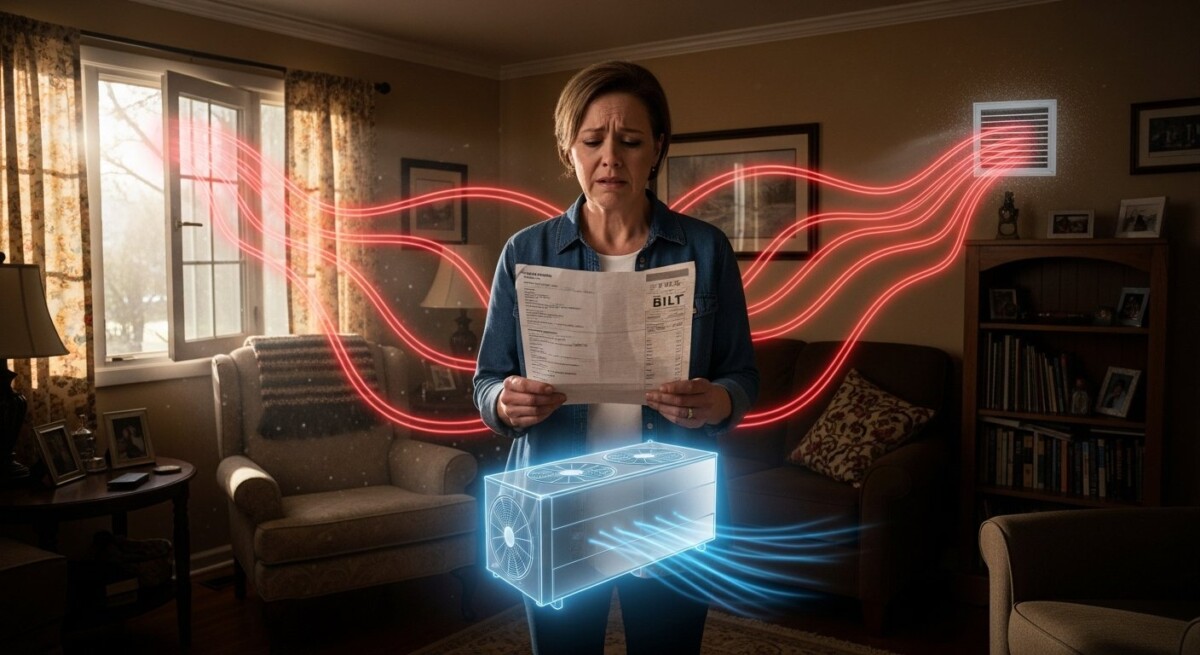
You open your monthly energy bill and feel a familiar sense of dread. Despite keeping your thermostat at a reasonable temperature, the cost just keeps climbing. Your home might feel drafty in winter or stuffy in summer, with some rooms never reaching the right comfort level. This common frustration is often a sign your HVAC system is working harder than it should, wasting energy and money. Ignoring these signs can lead to more than just high bills; it can cause premature system failure and costly repairs.
Understanding HVAC Energy Savings
HVAC energy savings simply means using less electricity or gas to heat and cool your home while maintaining your desired comfort. It’s about efficiency. When your system runs efficiently, it doesn’t have to work as hard or as long to keep your home comfortable.
This happens when all parts of your home’s heating and cooling ecosystem work together. This includes your furnace, air conditioner, ductwork, insulation, and even your windows. Problems in any one area force the entire system to compensate, which burns more fuel and runs up your bills.
Older homes are often most affected, but any home can suffer from efficiency losses. Even a system that’s only 10 years old can be significantly less efficient than today’s models, and small issues like a dirty filter or leaky ducts compound over time.
Why This Matters for Your Home
High energy bills are the most immediate pain, but the impacts go deeper. An overworked HVAC system experiences more wear and tear. This leads to breakdowns, often at the most inconvenient times, like during a heatwave or cold snap.
Straining a system also shortens its overall lifespan. You could be facing a full system replacement years earlier than necessary. Furthermore, inconsistent temperatures and poor airflow can create hot and cold spots, making your home less comfortable and potentially leading to humidity issues that affect your health and your home’s structure.
If you notice signs of this issue in your home, it may help to speak with a qualified contractor. Request a free quote or call to explore your repair or remodeling options.
Common Problems Homeowners Experience
Many homeowners don’t realize their HVAC system is inefficient until they get a shockingly high bill. The problems are often hidden in plain sight, disguised as minor annoyances. You might adjust the thermostat more frequently or notice that your system seems to run constantly without ever shutting off.
These experiences point to underlying issues that prevent your system from operating as designed. It’s like driving a car with the parking brake on; you’ll still move, but you’re wasting fuel and straining the engine. For a deeper look at system performance, our guide on when to replace your HVAC system outlines key performance thresholds.
- Sky-High Utility Bills: Your energy costs are steadily rising, even though your usage habits haven’t changed.
- Constant System Cycling: Your furnace or AC turns on and off too frequently, or it runs non-stop during mild weather.
- Uneven Room Temperatures: Some rooms are too hot while others are too cold, no matter what you do with the thermostat.
- Excessive Dust or Dry Air: You’re constantly dusting, or the air in your home feels overly dry in winter or muggy in summer.
- Old or Noisy Equipment: Your system is over 10-15 years old, makes strange noises, or has required frequent recent repairs.
- Leaky or Poorly Insulated Ductwork: Conditioned air escapes into your attic, basement, or crawl spaces before it reaches your living rooms.
How Professionals Solve the Problem
A professional HVAC contractor doesn’t just fix a broken part; they diagnose the entire system to find the root cause of inefficiency. They have the tools and training to measure airflow, check for duct leaks, assess insulation, and evaluate the true capacity and health of your equipment.
This comprehensive approach ensures the solution actually solves the problem, rather than providing a temporary band-aid. A professional can balance system upgrades with practical home improvements, ensuring you invest in the fixes that will give you the greatest return in comfort and savings. Proper HVAC air filtration is also a key component of system efficiency that professionals optimize.
- Comprehensive Assessment: The contractor will inspect your equipment, ductwork, insulation, and home layout to identify all sources of energy loss.
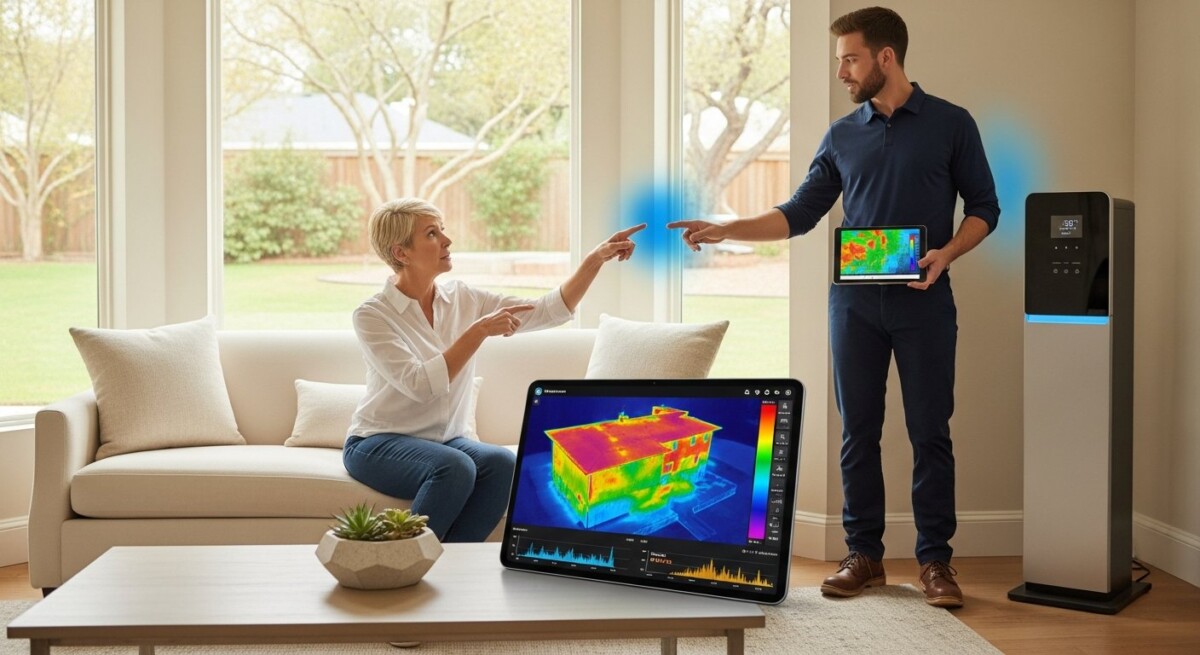
- Diagnostic Testing: They use tools like blower doors and thermal cameras to find hidden air leaks and measure system performance.
- Tailored Recommendations: You receive a clear plan that may include repairs, sealing ducts, adding insulation, or upgrading to a more efficient system.
- Precision Installation or Repair: Trained technicians ensure all work is done to code and manufacturer specifications for optimal performance and safety.
- System Verification: After the work is complete, they test the system to confirm it’s operating efficiently and delivering the promised results.
A professional inspection can reveal hidden issues before they become expensive repairs. Compare contractor quotes here or call to discuss your project.
Warning Signs You Should Not Ignore
Your home and your bills will tell you when something is wrong. The key is to pay attention to the clues before a minor issue becomes a major failure. Early action is almost always less expensive and less disruptive than waiting for a complete breakdown.
Think of these signs as your HVAC system asking for help. Addressing them promptly can restore efficiency, prevent damage, and extend the life of your equipment. It also protects your budget from unexpected emergency repair costs.
- Bill Spike: A sudden, unexplained increase in your heating or cooling costs.
- Weak Airflow: Little air comes from your vents, even when the system is running.
- Frequent Repairs: You’re calling for service more than once a year for the same system.
- Long Recovery Times: It takes hours for your home to warm up or cool down after a setback.
- Ice or Moisture: You see ice on your AC’s refrigerant lines or moisture around the furnace.
- Unusual Noises or Odors: Grinding, banging, squealing, or musty smells when the system runs.
What Affects the Cost of Repairs or Installation
The cost of improving your HVAC efficiency depends on what’s needed to solve your specific problems. A simple repair like sealing leaky ducts is very different from installing a new, high-efficiency system. The goal is to invest in the solutions that offer the best balance of upfront cost and long-term savings.
Factors include the size and age of your home, the condition of existing ductwork, local labor rates, and the efficiency rating of any new equipment you choose. It’s also worth exploring if you qualify for any HVAC system rebates or tax credits, which can significantly offset the cost of upgrades.
Costs can vary depending on the condition of your home. The best way to know the price is to get a personalized estimate. Request free quotes from contractors or call today.
How to Choose the Right Contractor
Selecting the right professional is crucial for a successful outcome. Look for a contractor who listens to your concerns, asks detailed questions about your home, and provides clear, written explanations of their recommendations. They should view your home as a whole system, not just a collection of parts.
A trustworthy contractor will be transparent about costs, timelines, and the expected benefits of their work. They won’t pressure you into the most expensive option but will help you understand the value of different approaches.
- Verify Credentials: Ensure they are licensed, insured, and have relevant certifications (like NATE).
- Check Reviews and References: Read online reviews and ask for references from recent jobs similar to yours.
- Get Detailed, Written Estimates: Quotes should clearly list all work, materials, equipment models, labor costs, and warranties.
- Compare Multiple Quotes: Get at least three estimates to understand the market rate and different solution approaches.
- Ask About Experience: Choose a contractor with proven experience in energy efficiency upgrades and your specific type of home.
Long-Term Benefits of Professional Work
Investing in professional HVAC efficiency work pays dividends for years. The most obvious benefit is lower monthly utility bills, which can add up to thousands of dollars in savings over the life of the equipment. This ongoing savings helps offset the initial investment.
Beyond savings, you gain improved home comfort with consistent temperatures and better air quality. Your system will run more quietly and reliably, with fewer breakdowns. A properly sized and installed efficient system also increases your home’s value and appeal to future buyers, making it a smart investment in your property.
How much can I really save with an efficient HVAC system?
Savings vary widely, but the U.S. Department of Energy estimates that upgrading to a high-efficiency system can cut heating and cooling costs by 20% to 50%. The exact amount depends on your local climate, the efficiency of your old system, your home’s insulation, and how well the new system is installed. A professional assessment can provide a more accurate estimate for your specific situation.
Is it better to repair my old system or replace it?
This depends on the age of your system, the cost of the repair, and its current efficiency. A common rule is the “$5,000 Rule”: multiply the age of your equipment by the repair cost. If the result is over $5,000, replacement is often the better option. For example, a 10-year-old system needing a $600 repair (10 x 600 = 6,000) may be a candidate for replacement. A professional can help you weigh all factors.
How often should I have my HVAC system serviced?
For optimal efficiency and to prevent breakdowns, have a professional tune-up your heating system in the fall and your cooling system in the spring. This regular maintenance cleans critical components, checks for emerging issues, and ensures your system is running at its peak efficiency, which directly impacts your energy bills.
Can smart thermostats really save me money?
Yes, when used correctly. A smart thermostat can save you an estimated 8% on heating and cooling bills by automatically adjusting temperatures when you’re asleep or away. However, its savings are maximized when paired with an already efficient HVAC system and a well-sealed home. It’s a valuable tool, but not a substitute for mechanical efficiency.
What’s the simplest thing I can do to improve efficiency?
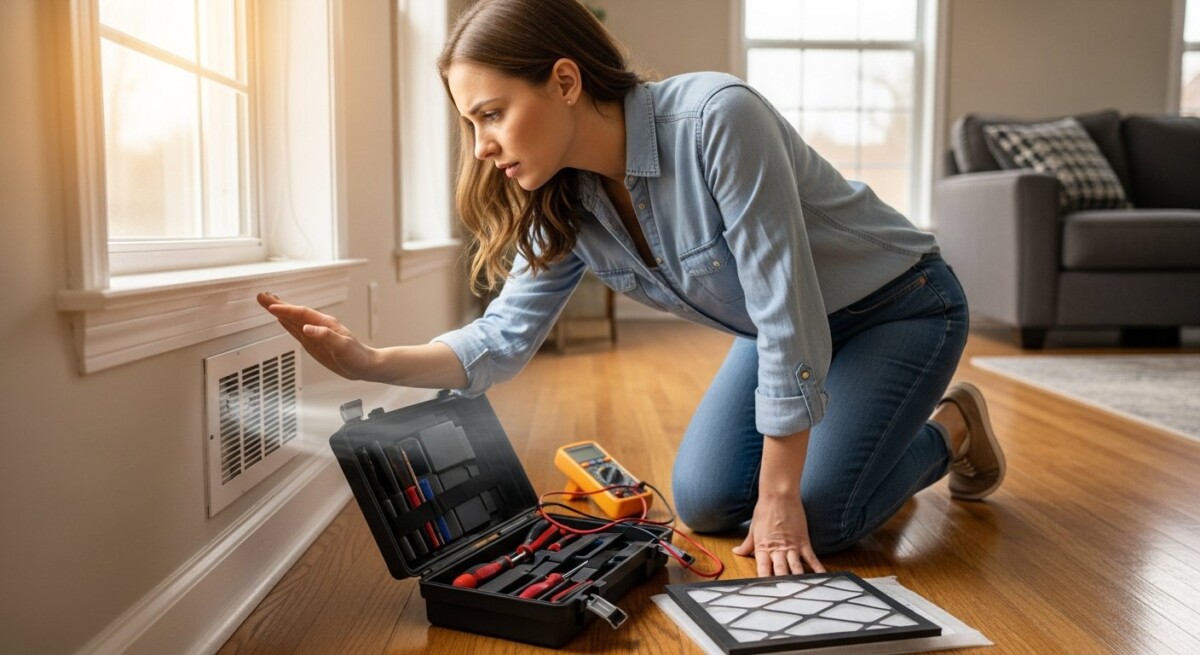
Change your air filter regularly, typically every 1-3 months. A dirty filter restricts airflow, forcing your system to work harder and use more energy. It’s the lowest-cost, highest-impact maintenance task a homeowner can do. Also, ensure furniture and drapes are not blocking your vents.
How long does a new high-efficiency HVAC system last?
With proper maintenance, a quality, professionally installed system should last 15 to 20 years. Higher efficiency models often have better components and warranties, contributing to a longer lifespan. Regular professional maintenance is the single biggest factor in extending the life of any system.
Addressing HVAC efficiency is one of the smartest investments you can make in your home. It lowers your ongoing costs, increases your daily comfort, and protects you from unexpected breakdowns. The first step is understanding your home’s specific needs. By comparing detailed quotes from qualified local contractors, you can make an informed decision that balances upfront cost with long-term savings and peace of mind.

About Alex Carter
"*" indicates required fields