
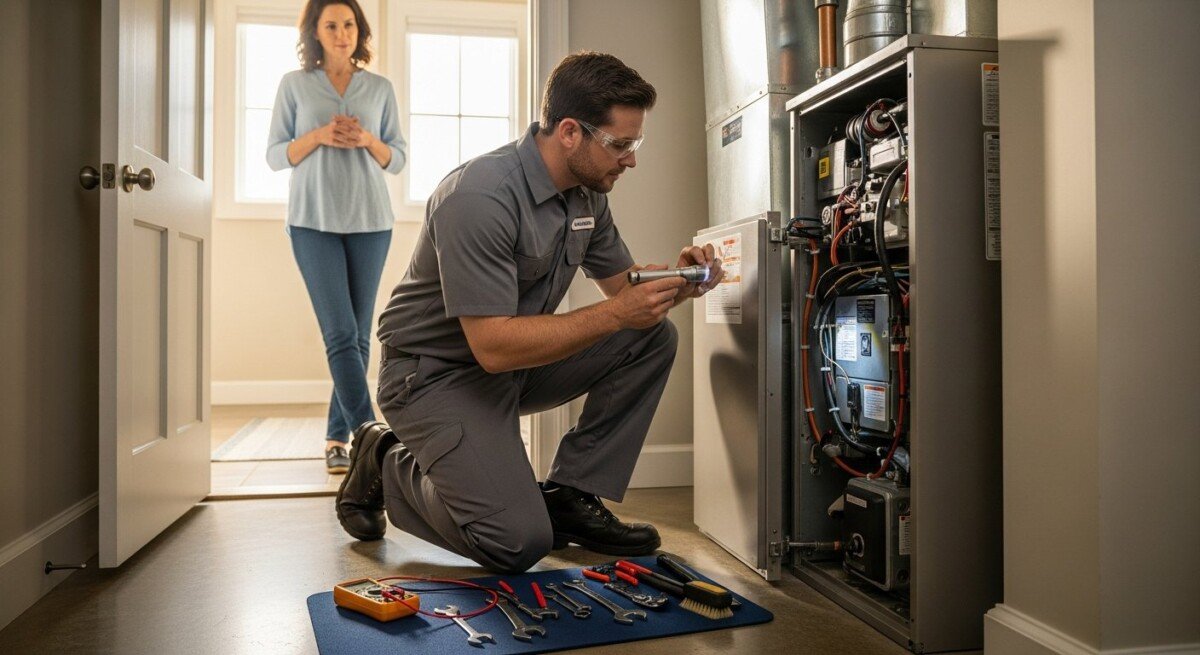
How to Choose the Right HVAC Contractor for Your Home
A practical guide for homeowners on how to select a trustworthy HVAC contractor, avoid common pitfalls, and ensure quality installation or repair for long-term comfort and savings.

By Alex Carter
Learn more about General Contracting for guides, costs, and what to expect.
Compare General Contracting Pros Near You

Enter your ZIP code to compare top-rated local professionals and request free quotes.
You wake up on the first truly hot day of summer, only to find your air conditioner blowing warm air. Or maybe your furnace makes a strange rattling noise every time it kicks on. As a homeowner, you know you need help, but the real question is: who do you call? Choosing the right HVAC contractor can feel overwhelming, with so many companies promising the best service and price. If you pick the wrong one, you could face recurring breakdowns, sky-high energy bills, or even unsafe conditions in your home. Making a smart choice now protects your comfort, your wallet, and your family’s safety for years to come.
Understanding HVAC Contractor Selection
HVAC contractor selection is simply the process of finding, vetting, and hiring the right professional to install, repair, or maintain your heating and cooling systems. It’s more than just picking the first name from an online search. It involves careful research and asking the right questions to ensure you get quality work.
This process matters because your HVAC system is complex and critical to your home. A proper installation or repair requires technical knowledge, the right tools, and an understanding of local building codes. A poor job can lead to inefficiency, frequent repairs, and even hazards like gas leaks or electrical problems.
Every homeowner will need this service eventually. Whether you’re in a new build needing a first installation, an older home requiring a system replacement, or just dealing with an unexpected breakdown, selecting the right partner is key.
Why This Matters for Your Home
Your HVAC system is the heart of your home’s comfort. When it works well, you hardly think about it. But when it’s installed or repaired incorrectly, the problems quickly become impossible to ignore. The right contractor ensures your system operates safely, efficiently, and reliably.
Ignoring the importance of this choice can have serious consequences. A poorly sized unit can struggle to heat or cool your home, leading to uncomfortable rooms and wasted energy. Improper installation can cause premature wear, meaning you’ll be paying for repairs much sooner than you should. In the worst cases, faulty work can create carbon monoxide risks or electrical fire hazards.
Investing time in selecting a qualified professional pays off in peace of mind. You’ll enjoy consistent temperatures, cleaner air, and lower utility bills. You’ll also protect the significant investment you’ve made in your home’s equipment.
If you notice signs of this issue in your home, it may help to speak with a qualified contractor. Request a free quote or call to explore your repair or remodeling options.
Common Problems Homeowners Experience
Many homeowners regret rushing their HVAC contractor choice only after problems arise. These issues often stem from hiring based on price alone or failing to check a company’s credentials. The results can be frustrating and expensive.
Common problems include contractors who disappear after a bad installation, leaving you with no warranty support. Others might use incorrect parts or take shortcuts that violate building codes, which can cause issues when you try to sell your home. Sometimes, the quoted price suddenly increases halfway through the job.
These negative experiences often share a root cause: a lack of proper vetting. To avoid these pitfalls, be aware of these common issues:
- Unexpected Cost Increases: The final bill is much higher than the original estimate with vague explanations.
- Poor Workmanship: The system is noisy, inefficient, or breaks down repeatedly soon after service.
- Incorrect System Sizing: A unit that’s too large or too small for your home, leading to comfort issues and high energy costs.
- Lack of Licensing and Insurance: Discovering the contractor isn’t properly insured, putting you at financial risk for accidents.
- No Follow-Up or Warranty Honor: Difficulty getting the contractor to return for warranty repairs or maintenance checks.
- Pressure to Upgrade Unnecessarily: Being pushed toward a more expensive system when a repair would suffice.
How Professionals Solve the Problem
A reputable HVAC contractor follows a thorough, professional process designed to deliver a long-lasting solution. They start by listening to your concerns and conducting a detailed assessment of your home and existing system. This isn’t a quick glance; it’s a comprehensive evaluation.
They use this information to provide clear, honest options,whether it’s a repair, a replacement, or a new installation. Their goal is to solve your immediate problem while ensuring the long-term health and efficiency of your HVAC system. They handle permits, adhere to codes, and clean up after the job is done.
Here is a typical process a professional will follow:
- Comprehensive Home Evaluation: Measuring your home, assessing insulation, ductwork, and your current system’s performance.
- Clear Proposal Presentation: Providing written options with detailed equipment specifications, labor scope, timelines, and total costs.
- Professional Installation: Using trained technicians, proper tools, and manufacturer-specified procedures to install or repair the system.
- System Testing and Balancing: Checking refrigerant levels, airflow, thermostat calibration, and safety controls to ensure optimal operation.
- Customer Education and Walkthrough: Explaining how your new system works, reviewing the warranty, and scheduling follow-up maintenance.
A professional inspection can reveal hidden issues before they become expensive repairs. Compare contractor quotes here or call to discuss your project.
Warning Signs You Should Not Ignore
Your HVAC system often gives you clues long before it fails completely. Paying attention to these warning signs can help you plan a repair or replacement on your terms, rather than in an emergency. Early action is almost always less costly and less stressful.
Some signs are obvious, like no heat or cool air coming from your vents. Others are more subtle, like a gradual increase in your energy bills with no change in usage. Strange noises, odd smells, or uneven temperatures from room to room are all signals that your system needs professional attention.
Don’t dismiss these warnings. Addressing them promptly can prevent a minor repair from turning into a major system failure. Look out for these key signs:
- Rising Energy Bills: A steady, unexplained increase in your heating or cooling costs.
- Inconsistent Temperatures: Some rooms are too hot while others are too cold.
- Frequent Cycling: The system turns on and off much more often than it used to.
- Unusual Noises: Grinding, banging, screeching, or rattling sounds from the unit.
- Poor Airflow: Weak air coming from the vents, or excessive dust circulating in your home.
- Age of System: If your furnace or air conditioner is over 15 years old, it’s nearing the end of its expected lifespan.
What Affects the Cost of Repairs or Installation
Understanding what goes into an HVAC project’s cost helps you evaluate quotes fairly. The price isn’t arbitrary; it reflects the scope of work, the quality of materials, and the expertise of the labor. The cheapest option often cuts corners in one of these areas.
Major factors include the size and efficiency rating of the new equipment. A high-efficiency unit costs more upfront but saves significantly on monthly bills. The complexity of the installation, such as modifying ductwork or upgrading electrical service, also affects labor time and cost. The brand and warranty of the equipment play a role too.
Your home itself is a factor. Accessibility to the attic, crawlspace, or equipment location can make a job easier or more difficult. Older homes may require additional work to bring the installation up to current code. A detailed, in-home estimate should account for all these variables.
Costs can vary depending on the condition of your home. The best way to know the price is to get a personalized estimate. Request free quotes from contractors or call today.
How to Choose the Right Contractor
Taking a systematic approach to choosing your HVAC contractor is the best way to ensure a great outcome. Start by gathering recommendations from neighbors, friends, or trusted online review sites. Look for patterns in feedback,consistent praise for professionalism and reliability is a good sign.
Once you have a shortlist, dig deeper. A reputable contractor will be transparent and willing to answer all your questions. They should view your initial conversation as an opportunity to build trust, not just make a sale. Your comfort and safety should be their primary concern.
Follow these practical tips to make a confident choice:
- Verify Licenses and Insurance: Always ask for proof of state licensing and adequate liability and workers’ compensation insurance.
- Check References and Reviews: Read recent online reviews and ask for references from projects similar to yours.
- Get Detailed, Written Estimates: Compare quotes that break down costs for equipment, labor, and any ancillary fees. Beware of vague estimates.
- Ask About Experience: Inquire how long they’ve been in business and if they have specific experience with your system’s brand or your type of home.
- Review the Warranty: Understand what is covered by the manufacturer’s warranty and what is covered by the contractor’s workmanship guarantee.
Long-Term Benefits of Professional Work
Hiring a skilled HVAC contractor is an investment that pays dividends long after the job is complete. Quality workmanship means your system will run as intended for its full lifespan, providing reliable comfort through every season. You won’t be dealing with callbacks or worrying about whether the job was done right.
Professional installation maximizes your system’s energy efficiency. This translates directly to lower monthly utility bills, often offsetting a higher initial investment over time. A properly functioning system also provides better humidity control and air filtration, contributing to a healthier indoor environment for your family.
Finally, it protects your home’s value. A well-documented, professional HVAC installation or major repair is a strong selling point. It gives future buyers confidence that a critical home system is in excellent condition. For more on establishing a successful partnership, our guide on choosing the right HVAC contractor details what to expect from start to finish.
How long should it take to get an estimate?
A reputable contractor will typically want to schedule an in-home visit to see your system and discuss your needs. This appointment usually takes 30-60 minutes. You should receive a detailed, written estimate within a day or two of that visit. Be wary of contractors who give a firm quote over the phone without seeing your home.
What questions should I ask during the estimate?
Key questions include: Are you licensed and insured? Can you provide references? How long have you been in business? Does this quote include all labor and materials? What is the projected timeline? Who will be performing the work? What warranties are provided? Getting clear answers builds trust and ensures you’re comparing apples to apples.
Is it worth getting multiple quotes?
Yes, getting at least three detailed quotes is highly recommended. It allows you to compare not just price, but also the proposed equipment, scope of work, and the professionalism of each company. A significant price outlier,either very high or very low,is often a red flag worth investigating further.
What’s the difference between a bid and an estimate?
An estimate is an educated guess of the project cost and is subject to change. A bid (or firm quote) is a fixed-price offer for the work described. For HVAC projects, a detailed written bid is preferable, as it locks in the price and protects you from unexpected cost increases, provided the scope of work doesn’t change.
Should I always choose the lowest bid?
Not necessarily. The lowest bid may use lower-quality equipment, omit necessary steps, or be from a less experienced contractor. Evaluate the value offered: quality of equipment, reputation, warranty, and the thoroughness of the proposal. Paying a little more for reliability and peace of mind is often the smarter long-term decision.
How do I know if a contractor is reputable?
Check their standing with the Better Business Bureau (BBB). Search for online reviews on multiple platforms like Google, Yelp, or Facebook. Ask for proof of insurance and licensing. A reputable contractor, like the HVAC contractors who deliver excellence we highlight, will have a solid track record and be proud to share their credentials.
What does a typical HVAC warranty cover?
Most systems have two warranties: a manufacturer’s warranty on parts (often 5-10 years) and the compressor (often up to 10 years or more), and a separate labor warranty from the installing contractor (typically 1-2 years). Always get warranty terms in writing and understand what is required to keep them valid, such as annual maintenance.
Can I install an HVAC system myself?
HVAC installation is not a DIY project. It requires specialized knowledge of refrigeration, electrical, gas, and building codes. Improper installation can void manufacturer warranties, reduce efficiency by 30% or more, and create serious safety hazards. Professional installation ensures safety, efficiency, and warranty protection.
Choosing the right HVAC contractor is one of the most important decisions you’ll make for your home’s comfort and efficiency. By taking the time to research, ask the right questions, and compare your options, you can avoid costly mistakes and enjoy a reliable system for years to come. Don’t wait for a complete breakdown,start gathering quotes and information today to make a confident, informed choice for your home.
Learn more about General Contracting for guides, costs, and what to expect.
Compare General Contracting Pros Near You
Enter your ZIP code to compare top-rated local professionals and request free quotes.