
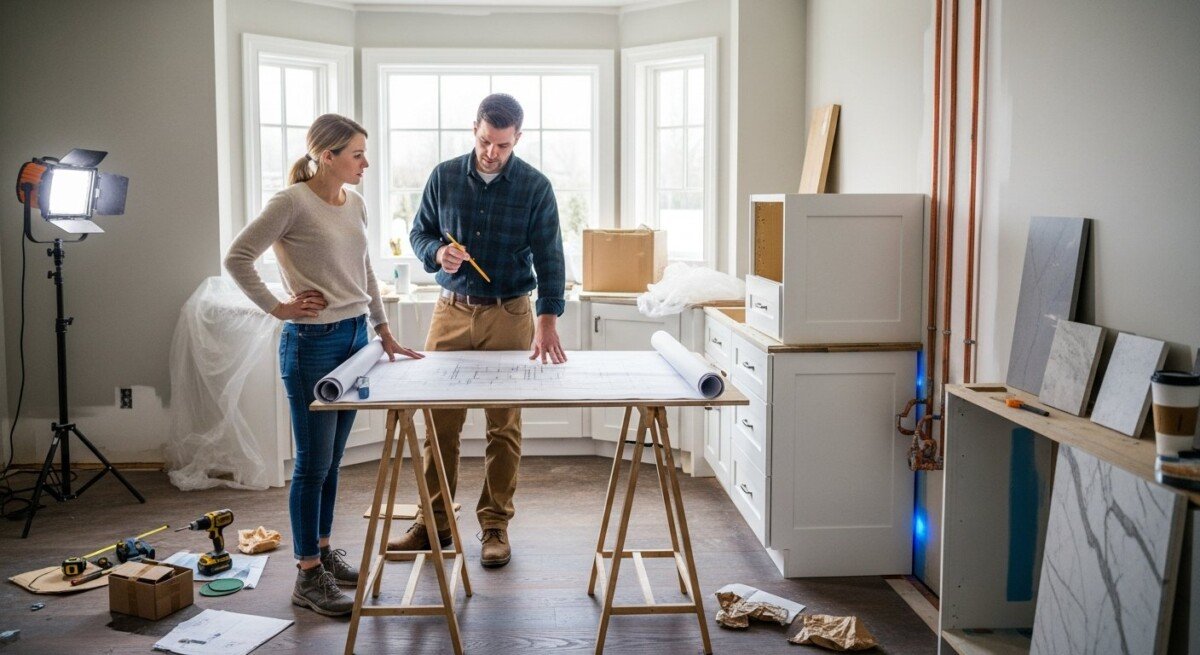
How to Avoid Costly Remodeling Mistakes in Your Home
A practical guide for homeowners on how to avoid common and costly remodeling mistakes through careful planning and professional help.

By Alex Carter
Learn more about Exterior Painting for guides, costs, and what to expect.
Compare Exterior Painting Pros Near You

Enter your ZIP code to compare top-rated local professionals and request free quotes.
You’ve saved for years, you’ve pinned hundreds of ideas, and you’re finally ready to tackle that dream kitchen or bathroom renovation. The excitement is real. But then, a few weeks into the project, you discover the new cabinets don’t fit the plumbing layout, or the flooring you chose clashes terribly with the lighting. Suddenly, your dream project feels like a stressful, expensive mistake. Many homeowners discover remodeling issues only after work has begun, when changes are costly and frustrating. Ignoring careful planning can turn your vision into a budget-busting headache, but with the right approach, you can avoid common remodeling mistakes and ensure a smooth, successful project.
Understanding How to Avoid Remodeling Mistakes
Remodeling mistakes aren’t just about picking the wrong paint color. They are fundamental errors in planning, budgeting, hiring, or execution that compromise your home’s function, value, and safety. These missteps happen when the process is rushed, when homeowners attempt complex DIY without proper knowledge, or when they hire the wrong help.
It happens because remodeling involves dozens of interconnected decisions. A change in one area, like moving a sink, impacts plumbing, electrical, cabinetry, and flooring. Without a holistic plan, these elements clash. Any home can be affected, but older homes often have hidden surprises like outdated wiring or structural issues that, if overlooked, become major problems mid-project.
Why This Matters for Your Home
Getting your remodel right is about more than just aesthetics. A well-executed project protects your single largest investment,your home. Mistakes can lead to water damage, electrical hazards, or structural weaknesses that put your family’s safety at risk and invite costly future repairs.
Beyond safety, a flawed remodel hurts your home’s resale value. Poor workmanship or overly personalized, impractical designs can deter future buyers. Investing time upfront to avoid errors ensures your project adds lasting value, improves daily comfort, and functions beautifully for years to come.
If you notice signs of this issue in your home, it may help to speak with a qualified contractor. Request a free quote or call to explore your repair or remodeling options.
Common Problems Homeowners Experience
Many remodeling regrets stem from a few repeated scenarios. Homeowners often face budget overruns because they didn’t account for contingencies, or they end up with a beautiful space that simply doesn’t work for their daily life. The frustration of a gorgeous kitchen with no counter space or a bathroom with poor ventilation is all too common.
These problems appear as daily annoyances, visible defects, or shocking invoices. They stem from skipping steps in the process. For example, choosing materials before finalizing a layout can force expensive compromises later. Understanding these common pitfalls is your first defense against them.
- Poor Space Planning: A layout that looks good on paper but creates cramped, inefficient workflows.
- Ignoring the Home’s Architecture: An addition or style that clashes with the original home, hurting curb appeal and value.
- Underestimating Costs: Creating a budget based on best-case scenarios, with no buffer for unexpected issues.
- Choosing the Wrong Materials: Selecting finishes that are beautiful but impractical for your household’s wear and tear.
- Overlooking Lighting & Electrical: Ending up with dark corners or not enough outlets for modern life.
- DIYing Beyond Your Skill: Attempting complex plumbing, electrical, or structural work that requires a professional license and inspection.
How Professionals Solve the Problem
An experienced contractor acts as your guide, translator, and quarterback. They see the whole picture you might miss. Their value isn’t just in swinging a hammer; it’s in their systematic approach to preventing problems before they happen. They bring knowledge of building codes, reliable subcontractors, and time-tested processes to your project.
Professional work is safer and more reliable because it’s built on a foundation of proper planning and permits. They manage the sequence of trades,ensuring the framers, electricians, plumbers, and tilers work in the correct order,so you don’t have to. This coordination is critical for avoiding the cascading errors that doom DIY projects.
- Comprehensive Consultation & Planning: They start by understanding your goals, lifestyle, and budget to create a realistic scope.
- Detailed Design & Specifications: They develop clear plans that specify every material and dimension, preventing misunderstandings.
- Accurate Estimating: Professionals provide detailed quotes that account for labor, materials, permits, and a contingency for surprises.
- Project Management: They schedule all trades, order materials, secure permits, and handle daily problem-solving.
- Quality Control & Final Inspection: They ensure work meets building codes and quality standards before considering the job complete.
A professional inspection can reveal hidden issues before they become expensive repairs. Compare contractor quotes here or call to discuss your project.
Warning Signs You Should Not Ignore
Sometimes, the signs of a potential mistake appear early in the planning or hiring phase. Paying attention to these red flags can save you immense stress and money. If your contractor is vague, pressures you to skip permits, or can’t provide references, it’s a sign to pause and reassess.
During the project, warning signs include constant change orders that increase cost, poor communication, messy worksites, or work that clearly deviates from the agreed plans. Addressing these issues immediately with your contractor is crucial. Early action prevents small problems from becoming relationship-ending disputes or financial disasters.
- The “Too-Good-To-Be-True” Bid: A quote significantly lower than others often means corners will be cut or costs will balloon later.
- Lack of a Detailed Contract: A handshake deal or a one-page contract leaves you with no recourse if things go wrong.
- No Proof of License or Insurance: This exposes you to massive liability for on-site injuries or shoddy work.
- Reluctance to Pull Permits: Skipping permits is illegal and can cause huge problems when you sell your home.
- Pressure to Pay Large Sums Upfront: Reputable contractors have financing and don’t need your entire budget to start.
- Poor Communication from the Start: If they’re hard to reach during the sales process, it will only get worse.
What Affects the Cost of Repairs or Installation
Understanding what drives remodeling costs helps you create a realistic budget and compare quotes fairly. The biggest factors are the project’s scope and complexity. A simple cosmetic update costs far less than reconfiguring walls and moving plumbing lines. The choice of materials creates a wide range, from stock cabinets to custom millwork.
Labor is a major component, influenced by your home’s age and location. Older homes often require extensive updates to electrical or plumbing systems behind the walls, which adds cost. The accessibility of the work area and local labor rates also play a significant role. A clear plan minimizes costly mid-project changes, which are the primary cause of budget overruns.
Costs can vary depending on the condition of your home. The best way to know the price is to get a personalized estimate. Request free quotes from contractors or call today.
How to Choose the Right Contractor
Your contractor is the most important decision you’ll make. The right partner makes the process smooth; the wrong one makes it a nightmare. Take your time with this step. Start by asking friends, family, and neighbors for referrals, and then do your own thorough vetting.
Look for a contractor who listens, communicates clearly, and makes you feel confident. They should be as concerned about the functionality and durability of the project as they are about the aesthetics. A trustworthy professional welcomes your questions and provides clear, documented answers.
- Verify License and Insurance: Check with your state’s licensing board and request copies of their liability and workers’ comp insurance.
- Read Reviews and Check References: Look at online reviews and, crucially, call past clients. Ask if the project was on time, on budget, and if they’d hire them again.
- Review Past Projects: Ask to see a portfolio of completed work similar in scope and style to your project.
- Get a Detailed, Written Estimate: The quote should break down costs for materials, labor, profit margin, and payment schedule. Avoid vague line items.
- Compare Multiple Quotes: Get at least three detailed bids. The middle-priced bid from a highly-recommended contractor is often the sweet spot.
Long-Term Benefits of Professional Work
Investing in a well-planned, professionally executed remodel pays dividends long after the project is finished. First and foremost, it ensures safety. Proper structural support, correctly installed electrical systems, and watertight plumbing protect your home and family from hazards.
Quality work also means durability. When materials are installed correctly, they last longer and perform better, reducing maintenance and repair costs. This professional approach also maximizes your home’s value. A cohesive, permitted, and code-compliant remodel is a strong selling point that appraisers and future buyers recognize and reward.
How can I create a realistic remodeling budget?
Start by defining your project’s scope and getting quotes for similar work in your area. Allocate 10-20% of your total budget for unexpected issues, which are common in remodeling. Prioritize your needs versus wants, and be prepared to make trade-offs to stay within your financial comfort zone.
What questions should I ask a contractor before hiring?
Ask how long they’ve been in business, who will be the on-site project manager, and their process for handling change orders and daily cleanup. Inquire about their warranty on workmanship and how they communicate updates. A great contractor will have clear answers to all these questions.
Do I really need permits for my remodel?
Yes, for most structural, electrical, and plumbing work, permits are legally required. They ensure the work is inspected and meets safety codes. Skipping permits can lead to fines, problems selling your home, and insurance denying claims for unpermitted work.
How long does a typical kitchen or bathroom remodel take?
A minor cosmetic update might take a few weeks, while a full gut-and-replace remodel of a kitchen can take 8-12 weeks or more. Bathrooms typically take 4-6 weeks. Delays can occur due to material backorders, unforeseen structural issues, or change orders, so build buffer time into your expectations.
What’s the biggest mistake in choosing materials?
Choosing based solely on looks without considering durability and maintenance. For example, a beautiful porous stone countertop in a busy kitchen may stain easily. Always consider how you live and choose materials that can withstand your household’s activity level.
Should I be home during the remodeling work?
It’s best to plan for some disruption. For major projects, many families set up a temporary kitchen or use a different bathroom. Being present for daily check-ins with the foreman is helpful, but constant hovering can slow the crew down. Establish clear communication channels instead.
How do I handle disagreements with my contractor?
Refer to your contract first. Communicate concerns clearly and promptly, ideally in writing. Most reputable contractors want to resolve issues to protect their reputation. If a serious dispute arises, mediation is often a better first step than litigation.
Can I save money by doing some work myself?
You can, but be strategic. Demolition, painting, or final cleanup are common DIY tasks that can save labor costs. However, never DIY critical structural, electrical, or plumbing work. Be upfront with your contractor about what you plan to do so they can schedule around it.
A successful remodel transforms your home without breaking your budget or your spirit. By understanding common pitfalls, vetting professionals carefully, and investing in thorough planning, you turn the risk of costly mistakes into the reward of a beautiful, functional space. If you’re considering a project, the smartest first step is to gather information. Comparing detailed quotes from qualified contractors gives you clarity, confidence, and a solid foundation for your home’s next chapter.
Learn more about Exterior Painting for guides, costs, and what to expect.
Compare Exterior Painting Pros Near You
Enter your ZIP code to compare top-rated local professionals and request free quotes.