
How Long Should Your HVAC System Last? A Homeowner’s Guide
Learn about the typical HVAC lifespan, warning signs of failure, and why professional assessment is key to protecting your home’s comfort and value.

By Alex Carter
Learn more about Heating System Repair or Maintenance for guides, costs, and what to expect.
Compare Heating System Repair or Maintenance Pros Near You

Enter your ZIP code to compare top-rated local professionals and request free quotes.
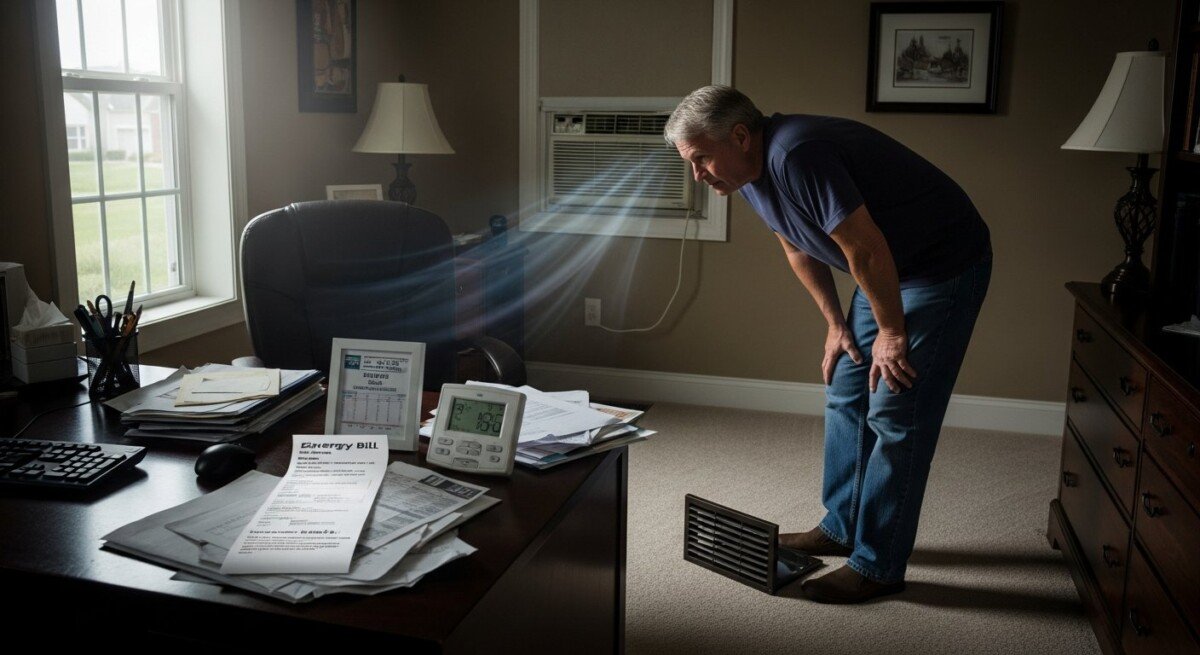
You notice the house feels a bit stuffy on a warm afternoon, so you turn down the thermostat. Instead of the familiar hum and rush of cool air, you hear a strained clunk, followed by silence. Or perhaps your energy bills have been creeping up for months, with no change in your habits. These moments of discomfort and worry are often the first signs your HVAC system is reaching the end of its lifespan. Ignoring these signals can lead to a complete breakdown on the hottest or coldest day of the year, leaving you facing an emergency replacement and potentially higher costs.
Understanding HVAC Lifespan
Your HVAC (Heating, Ventilation, and Air Conditioning) system is one of the hardest-working components of your home. Its lifespan refers to the typical number of years you can expect it to operate efficiently and reliably before needing a major overhaul or full replacement. Like any complex machine with moving parts, it wears out over time through constant use.
This aging process is natural. Components like motors, compressors, and heat exchangers endure thousands of heating and cooling cycles. While regular maintenance can significantly extend a system’s life, no unit lasts forever. Understanding this timeline helps you plan ahead, avoiding the stress and financial pinch of a sudden failure.
What’s the Average Lifespan?
Most standard air conditioners and heat pumps last 10-15 years. Furnaces typically have a longer lifespan, often ranging from 15-20 years. These are averages, meaning some well-maintained systems may exceed them, while neglected ones may fail much sooner.
Why This Matters for Your Home
An aging HVAC system isn’t just an inconvenience. It directly impacts your safety, wallet, and comfort. An old furnace with a cracked heat exchanger, for instance, can leak dangerous carbon monoxide into your home. This silent, odorless gas is a severe health hazard that underscores why professional assessment is critical.
Financially, an inefficient system works harder to maintain temperature, causing your energy bills to soar. You’re essentially paying more for less comfort. Furthermore, delaying replacement of a failing system often leads to more frequent, costly repairs, throwing good money after bad. Proactive planning protects your investment and your peace of mind.
If you notice signs of this issue in your home, it may help to speak with a qualified contractor. Request a free quote or call to explore your repair or remodeling options.
Common Problems Homeowners Experience
As systems age, homeowners face a predictable set of issues. These problems often start small but compound over time, leading to a complete loss of function. The key is to recognize them early, before a minor repair turns into a major expense.
You might experience uneven temperatures from room to room, strange noises like banging or squealing, or a system that constantly cycles on and off. These are all cries for help from an overworked unit. Addressing them promptly can restore efficiency and prevent further damage.
- Skyrocketing Energy Bills: The most common sign of an aging system is a steady, unexplained increase in your heating and cooling costs.
- Inconsistent Comfort: Rooms that are too hot or too cold, or a system that struggles to reach the set temperature.
- Frequent Repairs: Needing service calls more than once a year for various issues is a strong indicator the system is failing.
- Excessive Noise or Strange Odors: Grinding, banging, or squealing sounds, or musty or burning smells from the vents.
- Poor Air Quality & Humidity: Increased dust, failure to remove humidity in summer, or overly dry air in winter.
- Old Age: If your system is over 10 years old and showing any of these signs, its core components are likely wearing out.
How Professionals Solve the Problem
A qualified HVAC contractor doesn’t just swap out parts. They provide a comprehensive solution based on a thorough diagnosis of your entire home comfort system. Their expertise ensures the job is done safely, correctly, and in compliance with local codes, which is especially crucial for gas and electrical work.
Professional installation is about more than just connecting wires and pipes. It involves precise sizing, proper ductwork assessment, and ensuring optimal airflow. A DIY or handyman approach often leads to reduced efficiency, premature failure, and even safety risks, costing you more in the long run.
- Comprehensive Inspection: A technician will test all system components, check refrigerant levels, inspect electrical connections, and assess ductwork for leaks or restrictions.
- Honest Diagnosis & Options: They will explain whether repair is a cost-effective short-term solution or if replacement is the smarter long-term investment, presenting you with clear choices.
- Precise System Sizing: Using industry calculations, they will recommend a new system that is perfectly sized for your home’s layout, insulation, and climate,not just a guess.
- Expert Installation: Trained technicians will install the new equipment according to manufacturer specifications, ensuring peak performance and efficiency from day one.
- Testing & Explanation: They will test the entire system, show you how to operate it, and explain your new thermostat and maintenance schedule.
A professional inspection can reveal hidden issues before they become expensive repairs. Compare contractor quotes here or call to discuss your project.
Warning Signs You Should Not Ignore
Your HVAC system often gives you plenty of warning before it quits entirely. Learning to recognize these signs can mean the difference between a planned, budgeted replacement and a costly, stressful emergency. Think of them as your system’s way of asking for help.
Paying attention to these signals allows you to take control. You can research options, get multiple quotes, and schedule the work at a convenient time,not in the middle of a heatwave when contractors are booked solid and prices may be higher.
- The 10-Year Mark: If your air conditioner or heat pump is over 10 years old, start planning for its replacement.
- R-22 Refrigerant: If your older A/C uses this obsolete (and now very expensive) refrigerant, replacement is more economical than repair.
- Yellow Furnace Flame: A healthy furnace flame is blue. A yellow or flickering flame can indicate a dangerous carbon monoxide risk.
- Moisture or Rust Around the System: Leaks or rust on the furnace, AC unit, or refrigerant lines signal internal problems.
- Constant Cycling or Short Cycling: The system turning on and off too frequently indicates it’s struggling to perform.
- Weak Airflow: Little air coming from your vents, even when the system is running, points to duct issues or a failing blower motor.
What Affects the Cost of Repairs or Installation
The cost to repair or replace an HVAC system isn’t a one-size-fits-all number. Several key factors influence the final price, which is why personalized estimates are so valuable. Understanding these factors helps you make sense of the quotes you receive.
The size and efficiency of the new unit are major cost drivers. A higher-efficiency model (with a higher SEER rating for AC or AFUE for furnaces) costs more upfront but saves significantly on monthly utility bills. Labor, local permit costs, and the complexity of the installation in your specific home also play a large role.
- System Type & Size: The capacity (measured in tons) needed to heat/cool your home’s square footage.
- Efficiency Rating: Higher-efficiency units cost more but offer greater long-term savings.
- Scope of Work: Is it a simple compressor swap or a full system changeout with new ductwork?
- Home Accessibility: Easy access to equipment in a basement vs. a cramped attic or rooftop unit.
- Regional Labor Rates & Permits: Costs vary by location and include necessary local permits.
Costs can vary depending on the condition of your home. The best way to know the price is to get a personalized estimate. Request free quotes from contractors or call today.
How to Choose the Right Contractor
Your HVAC system is a major investment, and the quality of the installation is just as important as the equipment you choose. Taking time to select the right contractor ensures the job is done right, protecting your home and your investment for years to come.
A trustworthy contractor will be transparent, answer all your questions, and never pressure you into a quick decision. They view the relationship as a long-term partnership for your home’s comfort, not just a one-time sale.
- Verify Licenses & Insurance: Always confirm they hold required state and local licenses and carry both liability and worker’s compensation insurance.
- Check Reviews & References: Read online reviews and ask for references from recent, similar jobs.
- Get Detailed, Written Estimates: Quotes should include model numbers, labor costs, warranty details, and a projected timeline,not just a bottom-line price.
- Compare Multiple Quotes: Get at least three detailed estimates to understand the market rate and scope of work.
- Ask About Experience: Ensure they have specific experience with your type of system (e.g., heat pump, geothermal, dual-fuel).
Long-Term Benefits of Professional Work
Investing in a professionally installed, high-quality HVAC system pays dividends long after the installation is complete. It’s an upgrade that enhances your daily life, protects your home, and contributes to its overall value. The right system works quietly in the background, providing consistent comfort you can rely on.
Beyond comfort, modern systems are vastly more energy-efficient. This translates directly to lower monthly utility bills, often offsetting a portion of the new system’s cost over time. You also gain peace of mind with stronger manufacturer warranties that require professional installation to be valid.
Finally, a new, efficient HVAC system is a recognized asset in the real estate market. It assures potential buyers of reduced future maintenance costs and reliable comfort, making your home more attractive and potentially increasing its resale value. It’s an investment that pays you back in savings, safety, and serenity.
How can I extend my HVAC system’s lifespan?
The single most effective step is scheduling annual professional maintenance. A spring tune-up for your AC and a fall check for your furnace clean critical components, ensure safe operation, and catch small issues early. Homeowners should also change their air filters every 1-3 months and keep the outdoor unit clear of debris.
Should I repair or replace my old HVAC system?
A good rule of thumb is the “$5,000 Rule.” Multiply the age of your equipment by the repair cost. If the result is over $5,000, replacement is often the better option. Also, consider replacement if your system is over 10 years old, needs frequent repairs, or causes high energy bills.
What size HVAC system does my home need?
Size is not about physical dimensions but heating/cooling capacity (tons/BTUs). An undersized system will run constantly and never keep up, while an oversized system will short-cycle, wasting energy. A professional contractor performs a “Manual J” load calculation, which considers your home’s size, insulation, windows, and climate to determine the perfect size.
How long does a new HVAC installation take?
For a standard full system replacement (indoor and outdoor units), most professional crews can complete the job in one to two days. More complex jobs, like adding or modifying ductwork, may take longer. Your contractor should provide a clear timeline in their estimate.
What is included in a typical HVAC quote?
A thorough quote should list the make and model of all equipment, labor costs, details on warranty (both parts and labor), a description of the work to be performed, the project timeline, and the total cost. It should be a clear, written document with no hidden fees.
Are newer HVAC systems more energy-efficient?
Yes, significantly. Today’s minimum efficiency standards are much higher than they were 10-15 years ago. Upgrading from a SEER 10 AC to a SEER 16 model can reduce your cooling energy use by nearly 40%. The higher initial investment is often recouped through substantial utility savings over the system’s life.
Understanding your HVAC system’s lifespan empowers you to make smart, proactive decisions for your home. By recognizing the warning signs and planning ahead, you can avoid emergency breakdowns and make a thoughtful investment in your family’s comfort and safety. The best next step is to gather information specific to your home. Comparing detailed quotes from reputable local contractors will give you a clear picture of your options and costs, setting you on the path to reliable, efficient home comfort for years to come.
Learn more about Heating System Repair or Maintenance for guides, costs, and what to expect.
Compare Heating System Repair or Maintenance Pros Near You
Enter your ZIP code to compare top-rated local professionals and request free quotes.