
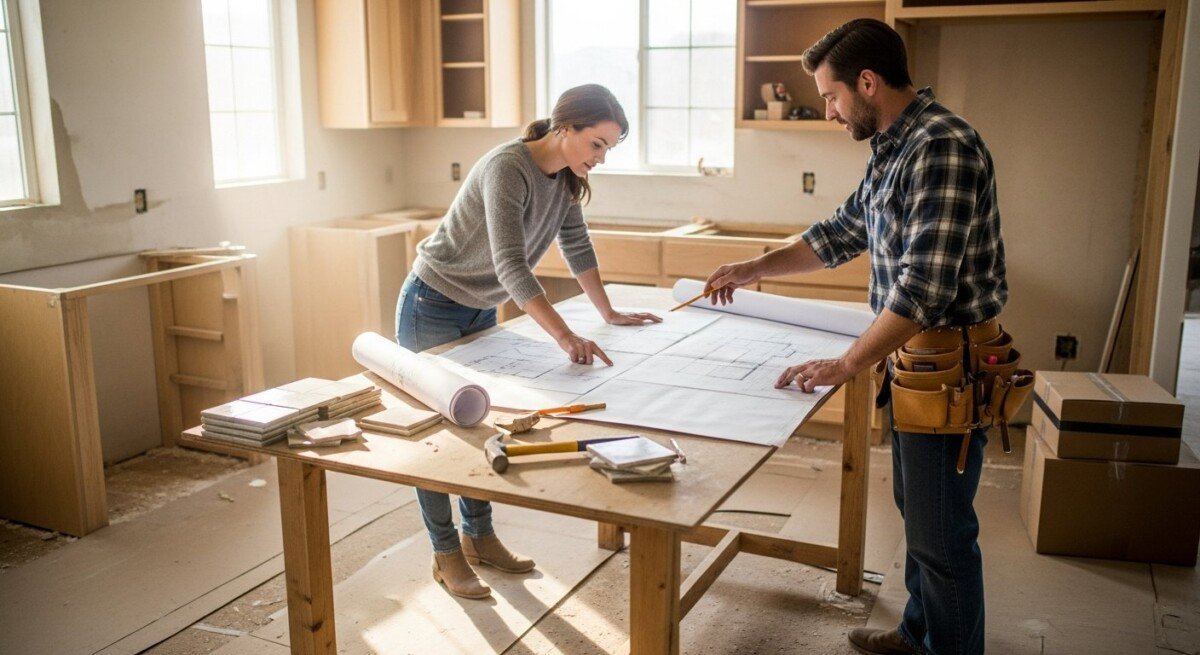
How Long Does Home Remodeling Take? A Realistic Timeline
A realistic guide to home remodeling timelines, explaining why projects take longer than expected and how to plan for a smooth renovation.

By Alex Carter
Learn more about General Contracting for guides, costs, and what to expect.
Compare General Contracting Pros Near You

Enter your ZIP code to compare top-rated local professionals and request free quotes.
You’ve saved for it, you’ve planned for it, and you’re finally ready to start your home remodel. You imagine a few weeks of dust and disruption, followed by a beautiful new space. But then, the project starts. Delays pop up, unexpected issues are found behind walls, and suddenly, your family is living in a construction zone for months. This frustrating scenario is more common than you think, and it often stems from unrealistic expectations about how long home remodeling truly takes.
Understanding How Long Home Remodeling Takes
Home remodeling time is the total duration from the moment you decide to start a project until the last piece of furniture is placed back. It’s not just the construction phase. Many homeowners are surprised to learn that planning, design, and permitting can take as long as, or longer than, the physical work itself.
Every project is unique, and the timeline depends on a complex mix of factors. The size of the project, the age of your home, the availability of materials and labor, and even the time of year you start all play a crucial role. Understanding this process upfront is the key to managing your expectations and reducing stress.
The Three Phases of Every Remodel
Think of a remodel in three distinct phases. The pre-construction phase involves design, planning, securing permits, and finalizing contracts. The construction phase is the actual demolition and building work. Finally, the post-construction phase includes final inspections, touch-ups, and thorough cleaning.
Why This Matters for Your Home
An accurate timeline is about more than just convenience. A rushed project can lead to poor workmanship, cutting corners, and costly mistakes that you’ll have to live with,or pay to fix,for years. A well-planned schedule ensures quality, safety, and a final result that truly adds value to your home.
Conversely, a project that drags on indefinitely can strain your budget, disrupt your family life, and cause immense frustration. Knowing what to expect helps you plan your life around the remodel, whether that means setting up a temporary kitchen or arranging alternative living arrangements for a major renovation.
If you notice signs of this issue in your home, it may help to speak with a qualified contractor. Request a free quote or call to explore your repair or remodeling options.
Common Problems Homeowners Experience
The most common problem is the “scope creep” timeline. This happens when small changes or unforeseen issues cause the project to expand well beyond its original estimated finish date. What was supposed to be a simple bathroom update can turn into a full plumbing overhaul once walls are opened.
Homeowners also frequently underestimate the impact of waiting for materials. Custom cabinets, specialty tiles, or even standard appliances can have lead times of several weeks or months. If these items aren’t ordered well in advance, your entire project sits idle, waiting for a single delivery.
- Permitting Delays: Municipal review times can vary wildly and are often outside your contractor’s control.
- Hidden Damage: Discovering rotten subfloor, outdated wiring, or plumbing issues once demolition begins.
- Weather Dependencies: Exterior projects like roofing or siding are at the mercy of the forecast.
- Trade Scheduling Conflicts: Coordinating electricians, plumbers, and carpenters, who often juggle multiple jobs.
- Change Orders: Making decisions or requesting changes after work has begun, which pauses progress.
- Supply Chain Disruptions: Backorders on key materials can bring everything to a halt.
How Professionals Solve the Problem
An experienced contractor doesn’t just guess at a timeline; they build a detailed schedule. They use their knowledge of similar projects, relationships with reliable subcontractors, and understanding of local permit offices to create a realistic plan. Their goal is to manage the process so you don’t have to.
Professionals anticipate common delays and build contingencies into their schedule. They also handle the critical path sequencing,knowing which task must be completed before the next can begin,to keep the project moving efficiently. This systematic approach is what you pay for, and it’s what separates a smooth remodel from a nightmare. For a deeper dive into planning pitfalls, our article on how to avoid costly remodeling mistakes covers this in detail.
- Initial Consultation & Detailed Proposal: A thorough assessment leads to a scope of work and a preliminary timeline.
- Design & Planning: Finalizing plans, selecting materials, and submitting for permits.
- Pre-Construction Ordering: Securing long-lead items to prevent delays later.
- Phased Construction: Executing the work in a logical sequence, with daily or weekly updates.
- Final Walkthrough & Punch List: Addressing any minor items to ensure complete satisfaction.
A professional inspection can reveal hidden issues before they become expensive repairs. Compare contractor quotes here or call to discuss your project.
Warning Signs You Should Not Ignore
If a contractor gives you a firm completion date without asking detailed questions about your home and your selections, be wary. An accurate estimate requires understanding the complexity of your specific project. A quote that seems too good to be true often comes with a timeline that is unrealistically short.
Pay attention to how a potential contractor communicates during the estimate phase. Are they asking about the age of your home’s systems? Are they discussing potential unknowns? This transparency is a sign they are experienced and planning for reality, not just telling you what you want to hear.
- A quote with a single, round-numbered duration (e.g., “6 weeks”) without a breakdown of phases.
- Reluctance to put the timeline in writing as part of the contract.
- Promises to start “next week” without discussing permit timelines.
- No discussion of material lead times or availability.
- An estimate that is significantly lower and faster than others you’ve received.
- Vague answers about who will handle specific trades and how they will be scheduled.
What Affects the Cost of Repairs or Installation
The timeline directly impacts the cost. A longer project means more labor hours, more days of equipment rental, and more time for your contingency fund to be used. Understanding the factors that stretch a timeline helps you understand the potential cost implications.
The complexity of the project is the biggest driver. A cosmetic refresh is faster than a layout change that involves moving plumbing walls. Similarly, the age of your home is a major factor. Older homes almost always reveal surprises that newer construction does not, requiring time and budget to address properly.
Costs can vary depending on the condition of your home. The best way to know the price is to get a personalized estimate. Request free quotes from contractors or call today.
How to Choose the Right Contractor
Choosing your contractor is the most important decision you’ll make for your timeline. Look for a professional with a proven track record of completing projects similar to yours on a predictable schedule. Their reputation for communication and reliability is as important as their skill with a hammer.
Ask specific questions about timing. Request references from past clients and ask them about their experience with the schedule. Did the contractor communicate delays proactively? Was the final timeline close to the original estimate? This due diligence upfront saves months of headache later.
- Verify Licenses and Insurance: This is non-negotiable for your protection and indicates a professional operation.
- Read Detailed Reviews: Look for comments specifically about timeliness, communication, and problem-solving.
- Ask for a Detailed, Written Schedule: A good contractor will provide a phased timeline as part of their proposal.
- Get Everything in the Contract: The timeline, payment schedule, and process for handling change orders should all be documented.
- Compare Multiple Quotes: Don’t just compare price; compare the proposed process, materials, and timeline details.
Long-Term Benefits of Professional Work
Investing in a well-planned, professionally executed remodel pays dividends long after the dust settles. A project completed correctly the first time, on a realistic schedule, means you won’t be dealing with callbacks, repairs, or unfinished details for years to come. This peace of mind is invaluable.
Furthermore, quality workmanship done with proper permits and inspections ensures your home is safe and up to code. It also maximizes your return on investment when it comes time to sell. Buyers and appraisers can recognize the value of a professional renovation versus a rushed, DIY job, which is why avoiding common pitfalls is so crucial, as outlined in resources like our guide on common kitchen remodeling mistakes.
You’ll also enjoy better energy efficiency, improved durability of materials, and a space that functions exactly as you envisioned. The initial patience required for a proper timeline translates into years of satisfaction and reduced maintenance costs.
How long does a typical kitchen remodel take?
A minor kitchen remodel with cabinet refacing and new countertops may take 3-5 weeks. A full-scale renovation involving layout changes, new plumbing, and custom cabinets typically requires 8-12 weeks or more, from planning to completion. The design and ordering phase alone can take a month.
What is the average timeline for a bathroom renovation?
A standard bathroom remodel where the layout stays the same usually takes 2-4 weeks of construction. If you’re moving plumbing fixtures, adding square footage, or dealing with an older home, plan for 4-8 weeks. Remember, tile and shower base selections can have long lead times.
Why does remodeling take so long?
Remodeling involves a intricate dance of planning, approvals, ordered materials, and skilled trades. Each step depends on the previous one being done correctly. Rushing any phase risks mistakes. Unforeseen issues in older homes and municipal permit review speeds are also major factors outside anyone’s full control.
Can I live in my home during a major remodel?
It depends on the project’s scope and your tolerance for disruption. For a whole-home renovation, temporary relocation is often wise. For a single kitchen or bathroom remodel, living at home is usually possible with careful planning, like setting up a temporary kitchenette.
What adds the most time to a remodeling project?
Change orders (making decisions after work starts) and discovering unexpected structural or system problems are the biggest timeline killers. Delays in receiving custom materials or securing permits can also add weeks. This is especially true in complex rooms like bathrooms, where detailed planning is essential, as noted in our piece on top bathroom remodeling mistakes.
How can I help keep my project on schedule?
Make all your design and material selections before construction begins. Be available to answer contractor questions promptly. Avoid making changes once work has started. Protect the work area from pets and children to prevent damage that needs rework.
Should the timeline be in the contract?
Yes, absolutely. A professional contract should include a projected schedule with key milestones. While it may not be a guaranteed daily calendar due to unforeseen issues, it sets clear expectations and shows the contractor’s plan. It should also outline how delays will be communicated.
What happens if the project goes over the estimated time?
A reputable contractor will communicate delays as soon as they are known and explain the cause. If the delay is due to a change you requested, the timeline and cost will be adjusted. If it’s due to an unforeseen condition (like rotten framing), they will discuss the impact and solution with you before proceeding.
A realistic understanding of remodeling timelines is the foundation of a successful project. It allows you to plan your life, budget effectively, and partner with your contractor for the best outcome. By addressing potential delays upfront and choosing a professional who values clear communication, you transform a stressful process into an exciting journey. The first step toward that clarity is gathering information,start by comparing detailed quotes from experienced local contractors to see a realistic timeline for your dream project.
Learn more about General Contracting for guides, costs, and what to expect.
Compare General Contracting Pros Near You
Enter your ZIP code to compare top-rated local professionals and request free quotes.