
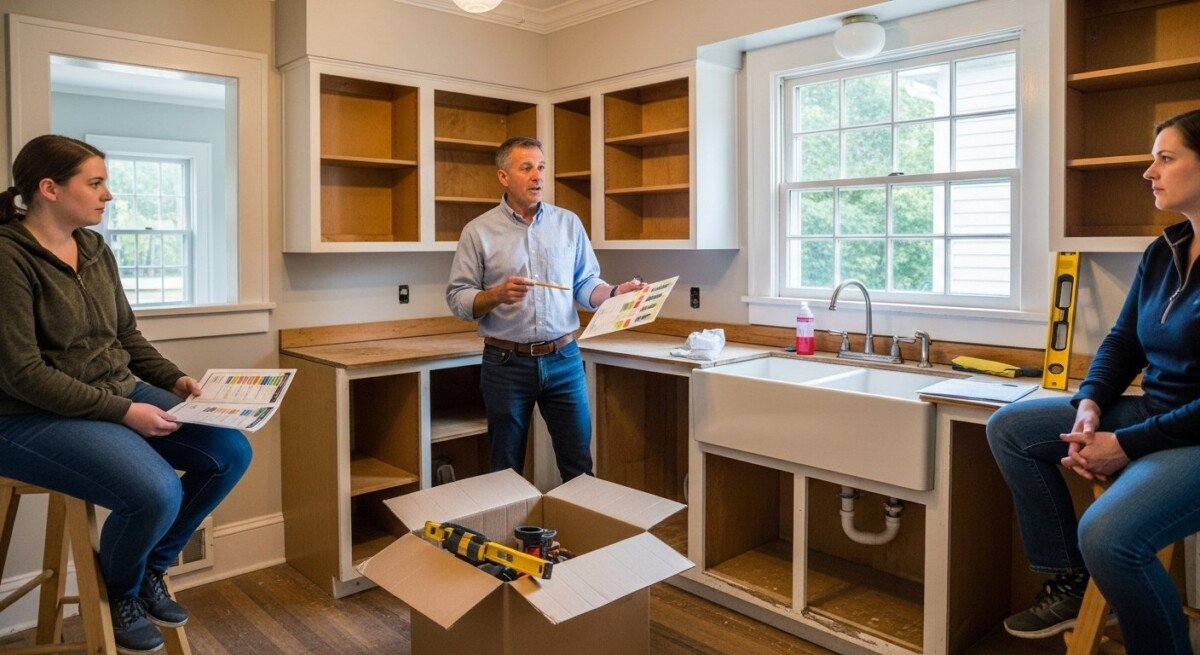
How Contractors Estimate Remodeling Cost for Homeowners
Learn how professional contractors create remodeling estimates. This guide helps homeowners understand costs, compare quotes, and plan a successful home renovation.

By Alex Carter
Learn more about Exterior Painting for guides, costs, and what to expect.
Compare Exterior Painting Pros Near You

Enter your ZIP code to compare top-rated local professionals and request free quotes.
You’ve finally decided to remodel your kitchen or update that tired bathroom. You have a vision and a rough budget in mind. Then, you start talking to contractors and receive estimates that range from surprisingly affordable to shockingly high. Without a clear understanding of what goes into those numbers, it’s easy to feel confused, overwhelmed, or even suspicious. This common experience can stall your dream project, but ignoring it or choosing the cheapest bid without scrutiny can lead to unfinished work, hidden fees, and costly mistakes down the line.
Understanding How Contractors Estimate Remodeling Cost
At its core, a contractor’s estimate is a detailed forecast of the time, materials, and labor required to complete your project. It’s not a random guess. It’s a calculated prediction based on experience, current market prices, and the specific details of your home.
This process happens because every remodeling project is unique. Two identical-looking bathroom renovations can have vastly different costs due to factors behind the walls, like plumbing condition or electrical updates needed. Contractors build their estimates to account for both the visible work and the potential unknowns they might uncover.
While all homes are affected, older homes often see more variance in estimates. This is due to the likelihood of encountering outdated systems, materials no longer in code, or structural surprises that aren’t visible during an initial walk-through.
Why This Matters for Your Home
A clear, detailed estimate is your financial blueprint. It protects you from the stress of runaway costs and ensures your project can be completed properly. Without it, you risk starting a project that drains your savings halfway through, leaving you with a construction zone instead of a finished room.
More importantly, a thorough estimate considers safety and longevity. A professional will factor in necessary upgrades to electrical wiring, plumbing, or structural supports that a DIYer or low-ball contractor might ignore. Cutting corners here can compromise your home’s safety, lead to property damage from leaks or failures, and ultimately decrease your home’s value.
Investing in a realistic estimate upfront is an investment in peace of mind. It aligns your expectations with reality, ensures the work meets building codes, and guarantees the finished remodel is safe, functional, and built to last.
If you notice signs of this issue in your home, it may help to speak with a qualified contractor. Request a free quote or call to explore your repair or remodeling options.
Common Problems Homeowners Experience
When estimates are unclear or vary wildly, homeowners often face frustrating dilemmas. They might receive a single bottom-line number with no breakdown, making it impossible to understand what they’re paying for. Others get a “ballpark” figure that balloons once the project begins, as unexpected “change orders” are added.
These problems stem from estimates that are too vague. A professional estimate should be a transparent document. It allows you to see where your money is going and make informed choices, like selecting different flooring materials to stay within budget. For a deeper dive into planning your project’s finances, our guide on understanding your kitchen remodeling cost and budget breaks down the key components.
- The “Sticker Shock” Surprise: The initial estimate seems manageable, but hidden fees for permits, waste disposal, or unforeseen problems cause the final cost to skyrocket.
- The Vanishing Contractor: After agreeing to a low, vague estimate, the contractor requests more money midway through or abandons the project when they realize their quote was too low.
- Quality vs. Cost Confusion: It’s hard to compare bids when one uses builder-grade materials and another uses premium products, but the estimates don’t clearly specify these differences.
- The DIY Disaster: To save money, a homeowner attempts to manage subcontractors and buy materials themselves, leading to scheduling nightmares, incorrect purchases, and higher final costs.
- Scope Creep: Without a fixed, detailed estimate, small additions and “while you’re at it” requests gradually inflate the project far beyond the original budget.
- Permit Problems: An estimate that excludes necessary permits and inspections can lead to fines, work stoppages, and issues when you try to sell your home.
How Professionals Solve the Problem
A reputable contractor solves these problems with a meticulous and transparent estimating process. They view the estimate as a communication tool and a commitment, not just a sales document. Their goal is to set a realistic budget and then execute the work to meet it.
Professional work is more reliable because it’s based on systems and experience. They know the true cost of skilled labor, have relationships with suppliers for better material pricing, and can accurately predict how long each phase will take. This efficiency often makes professional work more cost-effective in the long run than a DIY attempt that leads to costly errors.
- Initial Consultation & Scope Definition: They listen to your goals, assess the space, and help define the precise scope of work.
- Detailed Take-Offs: They measure everything and create a list of every material needed, down to the number of tiles, linear feet of trim, and light fixtures.
- Labor Calculation: They determine the hours needed for each trade (carpentry, plumbing, electrical, etc.) at current market rates.
- Cost Compilation: They add material costs, labor costs, subcontractor fees, permit costs, equipment rentals, and a margin for overhead and profit.
- Contingency Planning: A professional estimate will include a small contingency (typically 10-20%) for reasonable unforeseen conditions, preventing you from being blindsided by minor surprises.
A professional inspection can reveal hidden issues before they become expensive repairs. Compare contractor quotes here or call to discuss your project.
Warning Signs You Should Not Ignore
When reviewing an estimate or talking to a contractor, certain red flags should prompt you to look elsewhere. These signs often indicate a lack of professionalism that could lead to major problems during your remodel.
Ignoring these warnings can result in significant financial loss and stress. A trustworthy contractor is happy to provide details, put everything in writing, and answer your questions thoroughly. Their estimate is the foundation of your working relationship.
- Pressure to Sign Immediately: High-pressure tactics to sign a contract before you’ve had time to review the estimate are a major red flag.
- Vague or Verbal-Only Estimates: If it’s not in writing, it doesn’t exist. A professional provides a detailed, written estimate.
- Extremely Lowball Bids: If one estimate is drastically lower than others, that contractor is likely cutting corners, using inferior materials, or planning to hit you with change orders.
- Large Upfront Payment Demands: Be wary of requests for more than 10-30% upfront. Payment should be tied to project milestones.
- No License or Insurance Verification: A legitimate contractor will readily provide proof of liability insurance and workers’ compensation.
- Unwillingness to Provide References: Hesitation to share past client contacts or portfolio examples suggests a lack of proven, satisfactory work.
What Affects the Cost of Repairs or Installation
Understanding the variables that contractors consider can help you make sense of different quotes. The final number isn’t arbitrary; it’s a sum of many parts. The size of the project is the most obvious factor, but it’s not just about square footage.
The materials you choose create a huge swing in cost. Options range from stock cabinets and laminate countertops to custom millwork and natural stone. Labor is another major component, influenced by the project’s complexity, local wage rates, and the current demand for skilled tradespeople. For example, moving plumbing lines or load-bearing walls is far more labor-intensive than a cosmetic update.
Costs can vary depending on the condition of your home. The best way to know the price is to get a personalized estimate. Request free quotes from contractors or call today.
Key Cost Factors
Other critical factors include the age and condition of your home (which affects the potential for surprises), the accessibility of the work area (a third-floor bathroom costs more to remodel than a first-floor one), and geographic location. Permit fees, design services, and the cost of living in your area also play a role. A full understanding of these elements is crucial, which is why we detail them in our resource on kitchen remodeling cost and budget.
How to Choose the Right Contractor
Your choice of contractor is the single most important decision in your remodeling project. The right professional will guide you through the estimating process, deliver on their promises, and turn your vision into reality. Start by seeking recommendations from friends, family, or trusted online platforms.
Once you have a few names, do your homework. Interview multiple contractors and compare their detailed estimates side-by-side. Look beyond the bottom line and examine the quality of materials, the scope of work described, and the proposed timeline.
- Verify Credentials: Always check for a valid state license and confirm they carry general liability and workers’ compensation insurance.
- Review Past Work & References: Ask for a portfolio and contact 2-3 recent clients. Ask about cleanliness, communication, budget adherence, and overall satisfaction.
- Get a Detailed, Written Contract: The estimate should evolve into a contract that includes payment schedule, timeline, specific materials (brand, model, color), and a process for handling change orders.
- Compare Apples to Apples: Ensure each contractor is bidding on the exact same scope of work so you can make a fair comparison.
- Trust Your Gut: Choose someone who communicates clearly, listens to your concerns, and makes you feel confident. You’ll be working with them for weeks or months.
Long-Term Benefits of Professional Work
Investing in a thorough estimate and skilled contractor pays dividends long after the project is complete. Professionally executed remodeling increases your home’s safety and durability. Systems are installed to code, and materials are chosen for longevity, protecting your investment.
You’ll also enjoy improved energy efficiency through better insulation, windows, and appliances, which lowers utility bills. Most significantly, quality remodeling is one of the best ways to increase your home’s market value. A well-documented, permitted project completed by a professional is a strong selling point that appeals to future buyers.
Finally, you gain peace of mind and reduced future maintenance. Knowing the job was done right means you won’t be fixing leaks, repairing shoddy tile work, or dealing with electrical issues a year later. You can simply enjoy your beautiful, functional new space.
How long does the estimating process usually take?
For a medium-sized project like a kitchen or bathroom, a detailed estimate can take a professional contractor 3 to 7 days to prepare after the initial site visit. They need time to perform precise measurements, research material costs, and consult with any necessary subcontractors. A rushed estimate is often an incomplete one.
Should I get multiple estimates?
Yes, it is highly recommended to get at least three detailed estimates. This allows you to compare pricing, scope, and professionalism. Be cautious of any bid that is significantly higher or lower than the others, and use the process to gauge which contractor you communicate with best.
What’s the difference between an estimate and a quote?
In remodeling, an “estimate” is often a careful projection of costs, while a “quote” or “bid” is typically a fixed price for a defined scope of work. Always clarify which you are receiving. A fixed-price quote offers more budget protection, provided the project scope doesn’t change.
What questions should I ask when reviewing an estimate?
Ask what is and isn’t included, the payment schedule, the projected timeline, who will be managing the project day-to-day, how change orders are handled, and if they will pull all required permits. Also, ask about the warranty on both materials and labor.
Is a permit included in the estimate?
A reputable contractor will always include the cost and responsibility of pulling required building permits in their estimate. If a contractor suggests skipping permits to save money or time, it is a serious red flag that can lead to safety issues and problems when you sell your home.
How do contractors handle unexpected problems?
Professional estimates include a contingency line item for unforeseen issues. If a hidden problem is discovered, they will present you with a change order,a written document detailing the extra cost and time required,for your approval before proceeding. This keeps you in control of budget decisions.
Can I save money by sourcing my own materials?
While it may seem cost-effective, it often leads to complications. Contractors may not warranty installation of homeowner-supplied materials, and you assume responsibility for incorrect quantities, delivery delays, or damaged goods. Professionals get trade discounts and know exactly what to order, which usually provides better value.
What does “cost-plus” mean?
A “cost-plus” or “time-and-materials” contract means you pay for the actual cost of materials and labor plus a fixed percentage or fee for the contractor’s overhead and profit. This offers flexibility but less budget certainty. It’s best for projects where the full scope is unknown at the start.
Understanding how contractors estimate remodeling costs empowers you to plan your project with confidence. It transforms a confusing process into a collaborative partnership with your chosen professional. By seeking detailed estimates, asking the right questions, and choosing a contractor based on value and trust,not just the lowest price,you protect your investment and ensure your remodeling dream becomes a lasting reality. Start by comparing detailed quotes from qualified local contractors to understand your true options.
Learn more about Exterior Painting for guides, costs, and what to expect.
Compare Exterior Painting Pros Near You
Enter your ZIP code to compare top-rated local professionals and request free quotes.