Home Plumbing Safety: A Guide for Protecting Your House
"*" indicates required fields
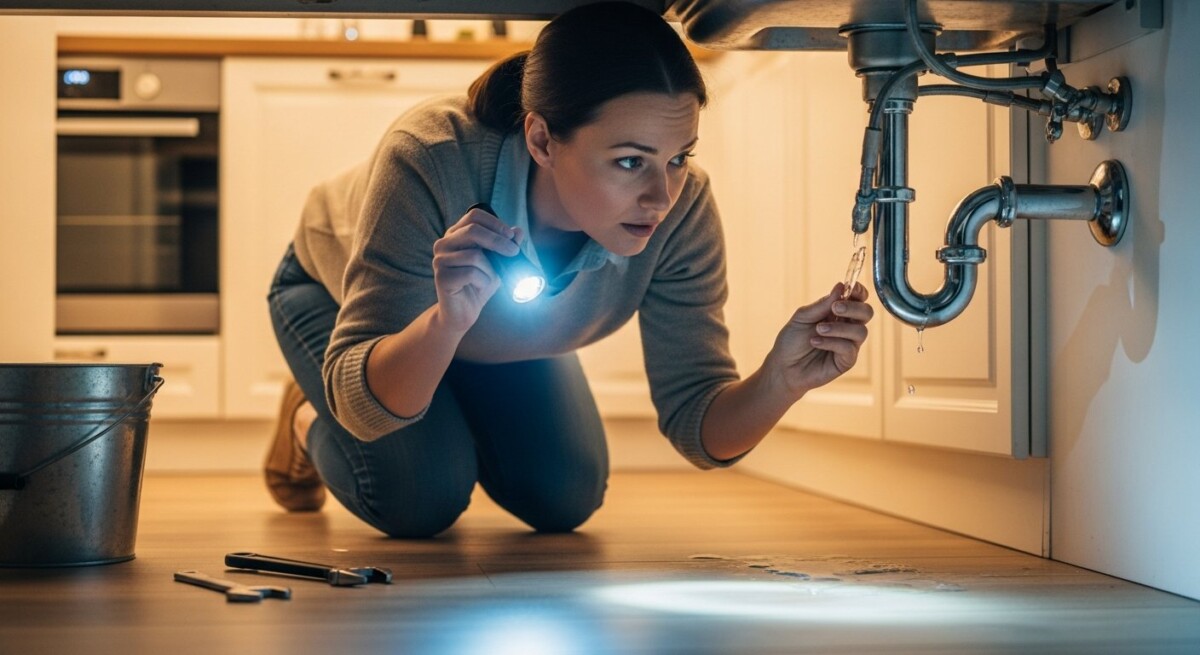
You notice a small drip under the kitchen sink, a faint musty smell near the laundry room, or a toilet that runs a little longer than it should. It’s easy to shrug these off as minor annoyances, part of the normal hum of homeownership. But what starts as a small, ignored issue can quietly evolve into a major crisis,a burst pipe flooding your basement, toxic mold growing behind walls, or a dangerous gas leak. Your home’s plumbing is a vital, hidden system, and its safety directly impacts your family’s health, your property’s value, and your peace of mind.
Understanding Home Plumbing Safety
Home plumbing safety is about more than just fixing leaks. It’s the practice of ensuring all the water and gas lines in your house are functioning correctly, securely, and without posing a risk to your home or family. This includes everything from the pipes in your walls to your water heater, drains, and fixtures.
Problems arise from everyday wear and tear, aging materials, improper installation, or a lack of routine maintenance. Over time, connections can loosen, pipes can corrode, and seals can fail. While any home can experience issues, older homes with original plumbing are particularly susceptible, as materials and standards have evolved significantly over the decades.
Why This Matters for Your Home
Ignoring plumbing safety isn’t just about a higher water bill. The real costs are much steeper. A single, undetected leak can cause extensive structural damage to wood framing, drywall, and flooring, leading to repairs that cost thousands of dollars. Persistent moisture is the perfect breeding ground for mold and mildew, which can trigger serious respiratory problems and allergies.
Beyond property damage, there are direct safety hazards. A faulty water heater can pose a scalding or even explosion risk. More critically, a leak in a gas line can lead to carbon monoxide poisoning or create a risk of fire or explosion. Addressing these issues isn’t just a repair,it’s an investment in protecting your most valuable asset and the people inside it.
If you notice signs of this issue in your home, it may help to speak with a qualified contractor. Request a free quote or call to explore your repair or remodeling options.
Common Problems Homeowners Experience
Plumbing issues rarely announce themselves with a bang. Instead, they give subtle clues that gradually worsen. You might experience slow drains throughout the house, indicating a main line blockage, or hear unsettling gurgling sounds from your toilets when you run the washing machine.
These problems often stem from a few key areas. Being aware of them helps you understand what might be happening behind the scenes in your own home.
- Leaking Pipes and Fixtures: Drips from supply lines, connections under sinks, or around toilet bases.
- Water Pressure Issues: Sudden loss of pressure or frustratingly weak flow from showers and faucets.
- Drain and Sewer Line Blockages: Frequent clogs, multiple slow drains, or sewage backups.
- Water Heater Malfunctions: Inconsistent water temperature, strange noises, or visible rust and corrosion.
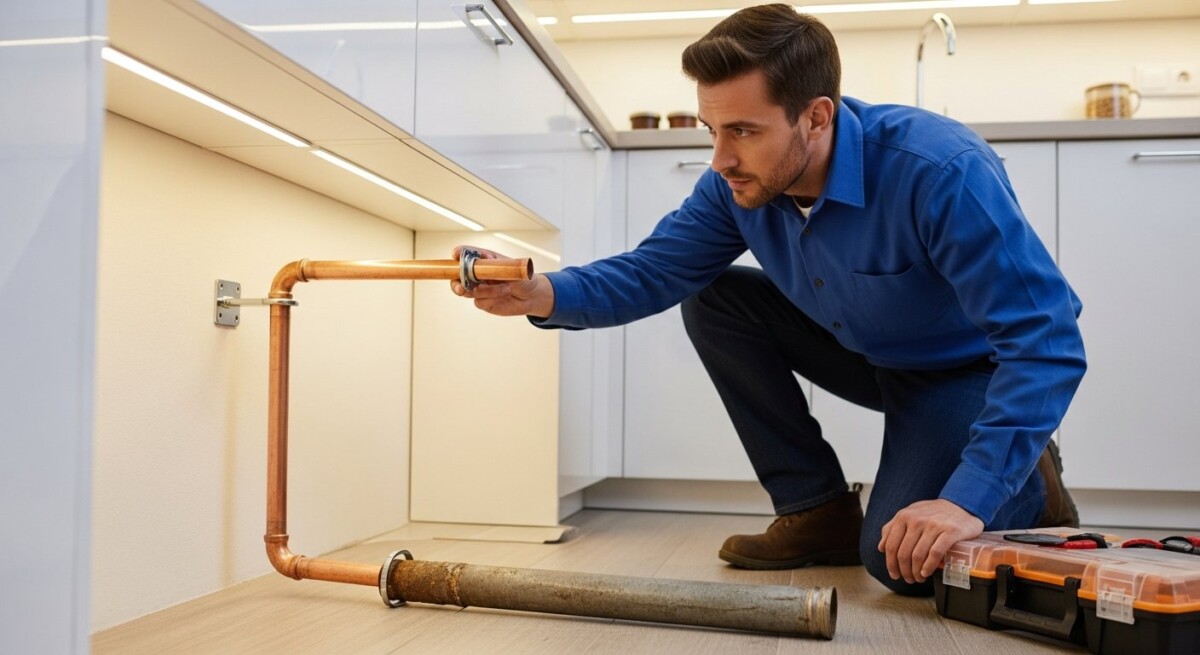
- Corroded Pipes: Common in older homes with galvanized steel pipes, leading to reduced flow and eventual failure.
- Faulty Shut-Off Valves: Valves that are stuck, leak, or fail to completely stop water flow in an emergency.
How Professionals Solve the Problem
While a plunger can handle a simple clog, true plumbing safety requires a professional’s eye and expertise. A licensed plumber doesn’t just fix the symptom you see; they diagnose the root cause to prevent the problem from recurring. They have the training, tools, and code knowledge to ensure repairs are done safely and to last.
The process typically begins with a thorough inspection, which may include using a camera to look inside your pipes. From there, they can provide a clear plan to resolve the issue efficiently and correctly.
- Comprehensive Inspection: Assessing the entire system, including hidden pipes, water pressure, and fixture integrity.
- Accurate Diagnosis: Pinpointing the exact source and cause of the problem, not just the visible effect.
- Code-Compliant Repair or Replacement: Using proper materials and techniques that meet local safety standards.
- System Testing: Checking for leaks, verifying pressure, and ensuring all new connections are secure.
- Preventative Advice: Offering guidance on maintenance to help you avoid future issues.
A professional inspection can reveal hidden issues before they become expensive repairs. Compare contractor quotes here or call to discuss your project.
Warning Signs You Should Not Ignore
Your home often tells you when something is wrong with the plumbing. Learning to listen to these warnings can save you from disaster. A sudden spike in your water bill with no change in usage is a major red flag, suggesting a hidden leak. Discolored water, especially brown or yellow tints, signals pipe corrosion.
Acting on these early signs is the most cost-effective strategy. A small repair today prevents a catastrophic failure tomorrow. For a deeper dive into what to look for, our guide on home plumbing inspection outlines a systematic approach.
- Unexplained Increase in Water Bills: A clear indicator of a leak you can’t see.
- Discolored or Foul-Smelling Water: Points to rusting pipes or bacterial growth.
- Persistent Damp Spots or Mold: On walls, ceilings, or floors, especially in basements or under sinks.
- Sagging Floors or Ceilings: Can be caused by long-term water damage from a leak.
- The Sound of Running Water: When all fixtures are turned off, it means water is escaping somewhere.
- Foul Odors from Drains: That won’t go away, indicating a dry P-trap or sewer gas intrusion.
What Affects the Cost of Repairs or Installation
The cost of addressing plumbing safety can vary widely, and that’s normal. It depends on the specific problem, the age and layout of your home, and the materials required. A simple faucet repair is very different from repiping an entire house or replacing a buried sewer line.
Key factors include the accessibility of the pipes (are they behind finished walls or in a crawlspace?), the type of materials needed (standard PVC vs. specialized PEX or copper), and the complexity of the labor. Emergency repairs outside of normal business hours will also typically cost more than scheduled maintenance.
Costs can vary depending on the condition of your home. The best way to know the price is to get a personalized estimate. Request free quotes from contractors or call today.
How to Choose the Right Contractor
Selecting the right professional is crucial for your safety and your wallet. Look for a contractor who specializes in plumbing and communicates clearly. They should be willing to explain the problem, your options, and the associated costs without pressure.
Always verify their credentials and ask questions. A trustworthy professional will have no issue providing proof of their qualifications and a detailed, written estimate.
- Verify Licensing and Insurance: This is non-negotiable for your protection and theirs.
- Check Reviews and References: Look for consistent feedback about reliability, quality, and cleanliness.
- Get Detailed, Written Estimates: The quote should break down labor, materials, and timeline.
- Compare Multiple Quotes: Don’t just go with the first or cheapest option; compare scope and value.
- Ask About Warranties: Reputable work should be guaranteed for both parts and labor.
Long-Term Benefits of Professional Work
Investing in professional plumbing repairs delivers value that lasts for years. First and foremost, it restores safety, eliminating risks of water damage, mold, and gas leaks. Properly installed systems are more durable and less likely to need repeated fixes, saving you money and hassle over time.
Modern, efficient plumbing fixtures and leak-free pipes can also reduce your water and energy bills. Perhaps most importantly, well-maintained, safe plumbing is a significant selling point that protects and can even increase your home’s market value. It’s a clear sign to future buyers that the home has been cared for properly.
What are the most dangerous plumbing issues?
Gas line leaks are the most immediately hazardous, due to risks of fire, explosion, and carbon monoxide poisoning. A failing water heater can also be dangerous if pressure relief valves are faulty. Significant, undetected water leaks can lead to structural collapse and toxic black mold growth over time.
How often should I have my plumbing inspected?
For most homes, a professional inspection every two years is a good preventative measure. If your home is over 40 years old or you’ve experienced issues before, an annual check-up is wise. You should also schedule an inspection if you’re planning a major remodel or before buying a new home.
Can I handle plumbing safety checks myself?
You can perform basic visual checks for leaks, test toilet flappers, and know how to shut off your main water and gas valves. However, a comprehensive safety assessment requires professional tools and knowledge to inspect hidden pipes, verify venting, check for code compliance, and assess gas line integrity, as detailed in our gas plumbing safety guide.
What does a plumbing safety inspection include?
A thorough inspection checks water pressure, looks for leaks at all visible fixtures and appliances, tests drain flow, inspects the water heater and its safety valves, examines supply lines and shut-offs, and assesses the condition of pipes in accessible areas. For gas lines, a professional will check for leaks and ensure proper appliance connections.
Are chemical drain cleaners safe for my pipes?
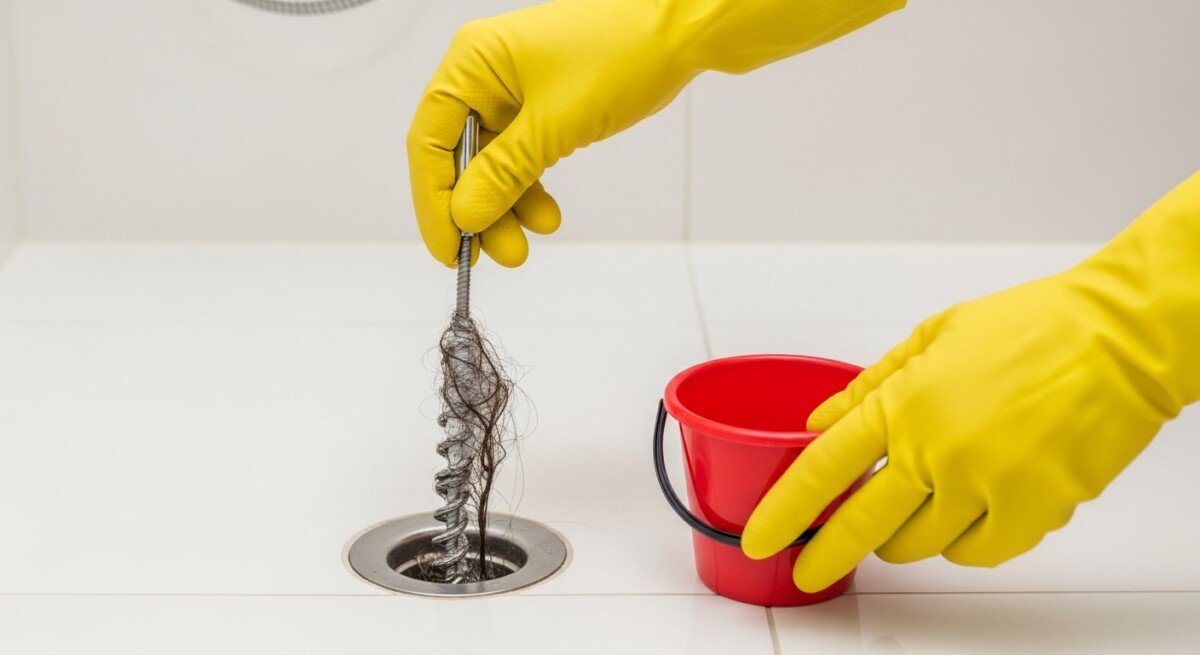
Most plumbers advise against them. The harsh chemicals can corrode older metal pipes (especially galvanized steel) and damage PVC joints over time. They also pose a safety risk to skin and eyes. For clogs, a plunger or a mechanical drain snake is a safer, more effective first step.
What should I do if I smell gas in my home?
Immediately evacuate everyone from the house. Do not turn any lights or electrical switches on or off, as a spark could ignite the gas. Once you are at a safe distance, call your gas company’s emergency line or 911. Do not re-enter the home until a professional has declared it safe.
How long do home plumbing pipes last?
Lifespan varies by material. Brass and copper can last 50+ years. PVC and PEX plastic piping can last 40-50 years. Galvanized steel, common in mid-20th century homes, typically fails after 40-60 years and is a common source of problems in older properties.
Does homeowners insurance cover plumbing failures?
It depends on your policy and the cause. Sudden, accidental failures (like a pipe bursting) are often covered. Damage from long-term neglect, wear and tear, or lack of maintenance is usually not covered. Always review your policy and discuss specific scenarios with your insurance agent.
Your home’s plumbing is its circulatory system, essential to daily life and your property’s integrity. By paying attention to warning signs, understanding the risks of delay, and relying on professional expertise for repairs, you protect your investment and your family’s well-being. The most practical step you can take today is to gather information. Comparing quotes from qualified, local contractors gives you a clear picture of your options and empowers you to make a confident, safe decision for your home.

About Alex Carter
"*" indicates required fields