Home Plumbing Inspection: A Guide to Protecting Your Property
"*" indicates required fields
You notice a faint, musty smell in the laundry room, or perhaps your water bill has crept up for no clear reason. A faucet drips persistently, or a drain seems slower than it used to be. These small annoyances are easy to dismiss, but they are often your home’s first whispers for help. Ignoring them can allow minor issues to evolve into major emergencies, leading to costly water damage, mold growth, and structural problems. A professional home plumbing inspection is the smart, preventative step that can identify these hidden risks before they escalate, saving you money and protecting your most valuable investment.
Understanding Home Plumbing Inspection
A home plumbing inspection is a thorough assessment of your entire water supply and drainage system. Think of it as a routine check-up for your home’s circulatory system. A qualified plumber examines pipes, fixtures, water heaters, drains, and valves to evaluate their condition and performance.
This process isn’t just for when something is broken. It’s a proactive measure to understand the health of your plumbing. Over time, pipes can corrode, connections can loosen, and sediment can build up, all of which happen quietly behind your walls and under your floors.
While all homes benefit from an inspection, older homes with original plumbing are particularly susceptible to issues. Similarly, homes in areas with hard water or those that have undergone multiple DIY repairs can harbor unseen problems that a professional eye can spot.
Why This Matters for Your Home
Your plumbing system is one of the most critical and expensive networks in your house. When it fails, the consequences extend far beyond a simple leak. Undetected water can silently damage drywall, warp flooring, and compromise structural wood, leading to repairs that cost thousands of dollars.
Beyond property damage, there are real safety and health concerns. Persistent moisture is the primary cause of mold and mildew growth, which can affect your family’s air quality. Faulty gas lines connected to appliances or corroded pipes can also pose serious risks if not identified and addressed by a professional.
Delaying action almost always increases the final cost. A $150 service call to fix a leaky valve can prevent a $5,000 floor replacement and drywall repair. Investing in an inspection is a small price to pay for peace of mind and long-term savings.
If you notice signs of this issue in your home, it may help to speak with a qualified contractor. Request a free quote or call to explore your repair or remodeling options.
Common Problems Homeowners Experience
Many plumbing issues start small and gradually worsen. Homeowners often first notice a change in performance or a new, unexplained symptom. These problems rarely fix themselves and typically indicate a larger underlying issue.
For example, low water pressure throughout the house could point to a major clog in the main supply line or widespread pipe corrosion. A single slow drain is a nuisance, but multiple slow drains could signal a blockage in your main sewer line, a much more serious and messy problem.
- Leaky Faucets & Fixtures: Worn washers and seals cause constant dripping, wasting water and money.
- Running Toilets: A faulty flapper valve can silently waste hundreds of gallons of water per month.
- Clogged or Slow Drains: Recurring clogs often mean a deeper blockage in the pipes, not just in the drain opening.
- Low Water Pressure: Can be caused by mineral buildup in pipes, a hidden leak, or a problem with the municipal supply line.
- Water Heater Issues: Lack of hot water, strange noises, or visible rust indicate an aging or failing unit.
- Hidden Leaks: Stains on walls/ceilings, warped flooring, or unexplained mold growth often trace back to leaking pipes inside walls or under slabs.
How Professionals Solve the Problem
A professional plumber brings expertise, specialized tools, and a systematic approach that goes far beyond a quick fix. They don’t just address the symptom you see; they diagnose the root cause to prevent the problem from recurring. This ensures the repair is safe, up to code, and built to last.
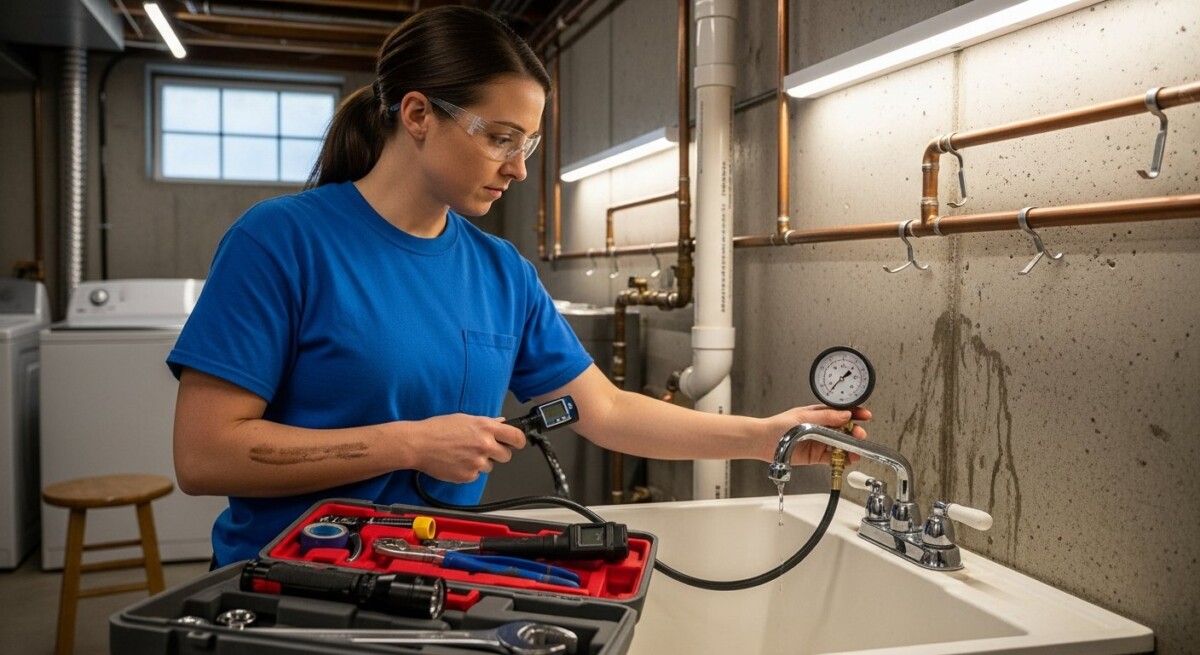
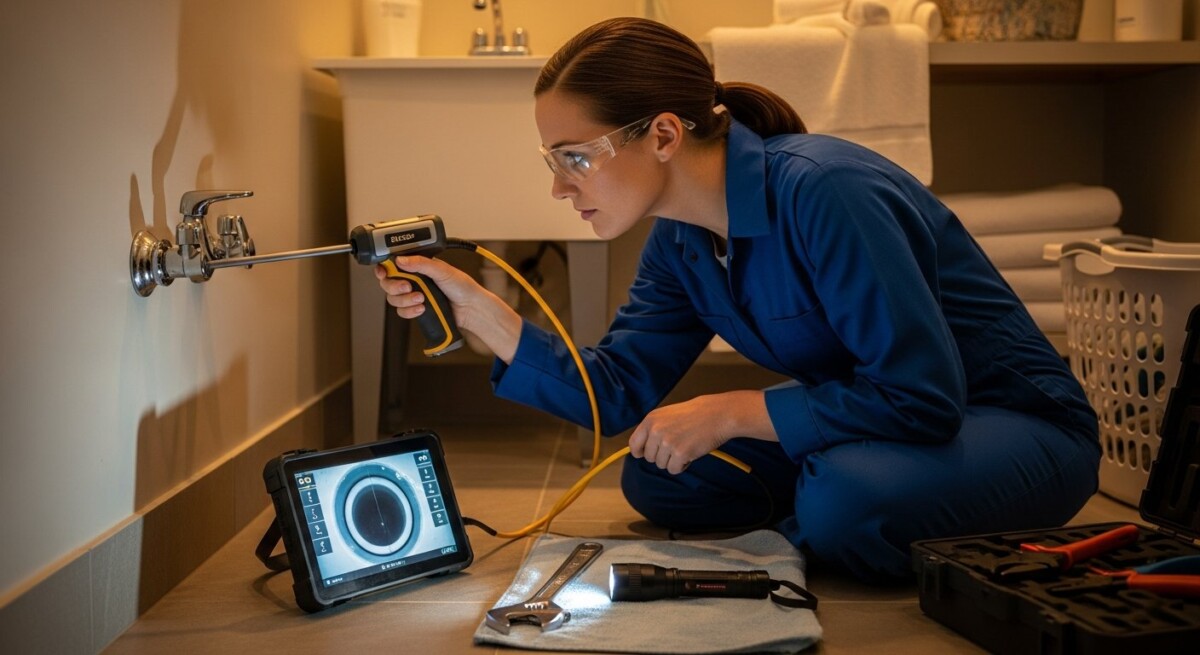
Their process is thorough and designed to give you a complete picture of your system’s health. They use tools like video pipe inspection cameras to see inside drains and sewer lines, and moisture meters to detect hidden dampness behind walls. This allows them to pinpoint issues without unnecessary guesswork or destructive exploratory work.
- Comprehensive Assessment: The plumber will review your entire system, checking water pressure, looking for visible leaks, and testing fixtures and drains.
- Diagnostic Testing: Using specialized equipment, they inspect sewer lines, check for gas leaks, and assess the water heater’s condition and safety.
- Detailed Reporting: You receive a clear report outlining the current condition of your plumbing, any issues found, and their recommended solutions, prioritized by urgency.
- Expert Repair/Recommendation: They perform necessary repairs or provide a clear plan for replacement, using quality materials and proper techniques. For instance, understanding different plumbing pipe materials is crucial for a lasting repair that matches your home’s system.
A professional inspection can reveal hidden issues before they become expensive repairs. Compare contractor quotes here or call to discuss your project.
Warning Signs You Should Not Ignore
Your home often gives you clear signals that your plumbing needs attention. Learning to recognize these early warnings is key to preventing a minor issue from becoming a household disaster. Acting quickly can save you from extensive damage and a much larger repair bill.
Some signs are obvious, like a puddle of water. Others are more subtle, like a faint sound or a change in your water’s appearance. Trust your instincts,if something seems off, it likely is. A professional can quickly determine if it’s a simple fix or a sign of a more serious condition.
- Unexplained Increase in Water Bills: A sudden spike often points to a hidden leak.
- Discolored Water: Brown or yellow water can indicate corroding pipes.
- Foul Odors: Persistent sewer smells inside the house usually mean a dry P-trap or a broken vent/sewer line.
- Gurgling Sounds: Noises from drains or toilets often signal a ventilation problem or a blockage.
- Visible Mold or Mildew: Patches on walls or ceilings, especially in non-bathroom areas, suggest excess moisture from a leak.
- Wet Spots or Sagging: Damp floors, walls, or ceilings, or a sagging area in the yard (over the sewer line) are major red flags.
What Affects the Cost of Repairs or Installation
The cost of plumbing work can vary widely, and understanding the factors involved helps you make sense of estimates. It’s not just about the part that needs replacing; it’s about the labor and complexity required to access and fix it properly. A transparent contractor will explain these factors clearly.
For example, fixing an easily accessible leak under a kitchen sink is relatively inexpensive. Replacing a burst water line buried under a concrete foundation slab is a major project requiring excavation, new piping, and restoration work. The age of your home and the types of plumbing pipe materials originally used also play a significant role in the scope and cost of repairs.
- Scope of the Problem: Is it a single fixture repair or a whole-house repiping?
- Accessibility: Pipes hidden behind finished walls or under concrete are more costly to access.
- Materials: The type and quality of pipes, fixtures, and parts needed (e.g., copper vs. PEX).
- Labor Intensity: The time and number of technicians required for the job.
- Permits & Codes: Some repairs require permits and must meet current building codes, adding to the project cost but ensuring safety.
Costs can vary depending on the condition of your home. The best way to know the price is to get a personalized estimate. Request free quotes from contractors or call today.
How to Choose the Right Contractor
Selecting the right plumbing professional is as important as the inspection itself. You need someone who is not only skilled but also trustworthy, communicative, and reliable. This person will be diagnosing issues inside your home, so due diligence is essential for your peace of mind.
Start by seeking recommendations from friends or neighbors and checking online reviews. When you contact a contractor, have a list of questions ready. A reputable professional will be happy to provide proof of their qualifications and explain their process in detail.
- Verify Licenses and Insurance: Always ensure they are fully licensed, bonded, and insured to protect you and your property.
- Check Reviews and References: Look for consistent positive feedback about reliability, quality, and professionalism.
- Ask for Detailed, Written Estimates: A clear, itemized quote prevents surprise charges and allows for accurate comparisons.
- Compare Multiple Quotes: Get at least three estimates to understand the fair market rate for your specific project.
- Assess Communication: Choose someone who listens, answers your questions clearly, and makes you feel comfortable.
Long-Term Benefits of Professional Work
Investing in a professional plumbing inspection and any subsequent repairs pays dividends long after the job is complete. It’s an investment in the safety, efficiency, and value of your home. Quality workmanship with the right materials prevents callbacks and gives you confidence in your home’s systems.
Beyond preventing disasters, professional plumbing care improves your daily life. You’ll enjoy consistent water pressure, reliable hot water, and efficient fixtures. A well-maintained system also uses less water and energy, reducing your utility bills. Perhaps most importantly, it safeguards your family’s health by preventing mold and ensuring clean, safe water.
Finally, documented professional plumbing maintenance and upgrades are a strong selling point. When it’s time to sell, a home with a recently inspected and serviced plumbing system is more attractive to buyers and appraisers, protecting your home’s resale value and making the selling process smoother.
How often should I get a plumbing inspection?
For most homes, a comprehensive inspection every two years is a good rule of thumb. If your home is over 40 years old or you’ve experienced recurring issues, an annual check-up is wise. Always schedule an inspection before buying a home or if you notice any warning signs.
Can’t I just inspect my own plumbing?
While you can check for visible leaks and test fixtures, a professional inspection goes much deeper. Plumbers have tools like sewer cameras and pressure gauges to diagnose hidden problems inside pipes and walls. Their expertise allows them to spot subtle signs of failure that a homeowner might miss.
What does a standard plumbing inspection include?
A thorough inspection covers water supply lines, drain and waste lines, water heaters, faucets, toilets, showers, and valves. The plumber will check for leaks, corrosion, water pressure, drainage speed, and the condition of visible pipes. They should also inspect appliance connections and look for proper ventilation.
How long does a full home plumbing inspection take?
The duration depends on your home’s size and age, but most full inspections take between 1.5 to 3 hours. A larger home with multiple bathrooms or an older home with more potential issues will naturally take longer for a conscientious professional to evaluate properly.
Will the plumber need to cut into my walls?
Not for a standard inspection. Professionals use non-invasive methods like video cameras and acoustic listening devices to diagnose most problems. If a serious hidden issue is suspected, they will discuss it with you first and only suggest exploratory work if absolutely necessary for diagnosis.
Is a plumbing inspection worth it if I have no problems?
Absolutely. This is the best time for an inspection. It’s a preventative measure that establishes a baseline for your system’s health and can identify small issues,like a pipe that’s starting to corrode,before they cause damage or an emergency, ultimately saving you money.
What’s the difference between a inspection and a camera sewer line scan?
A general inspection evaluates the entire system. A camera scan is a specific, in-depth tool used within the inspection to visually examine the interior condition of your main drain and sewer line, looking for cracks, blockages, or root intrusion that other methods can’t detect.
Do I need to be home for the inspection?
Yes, it’s highly recommended. Being present allows the plumber to ask you questions about any concerns and lets you see what they are checking. You can follow along, learn about your system, and get immediate explanations of any findings, which is invaluable for understanding your home.
Your home’s plumbing is a vital system that deserves proactive care. By recognizing the warning signs and investing in a professional home plumbing inspection, you move from reacting to emergencies to preventing them. This approach protects your property, ensures your family’s comfort and safety, and provides long-term financial savings. The smartest first step is to gather information from qualified local professionals. Comparing detailed quotes will give you a clear understanding of your home’s needs and the options available to address them efficiently and effectively.

About Alex Carter
"*" indicates required fields