
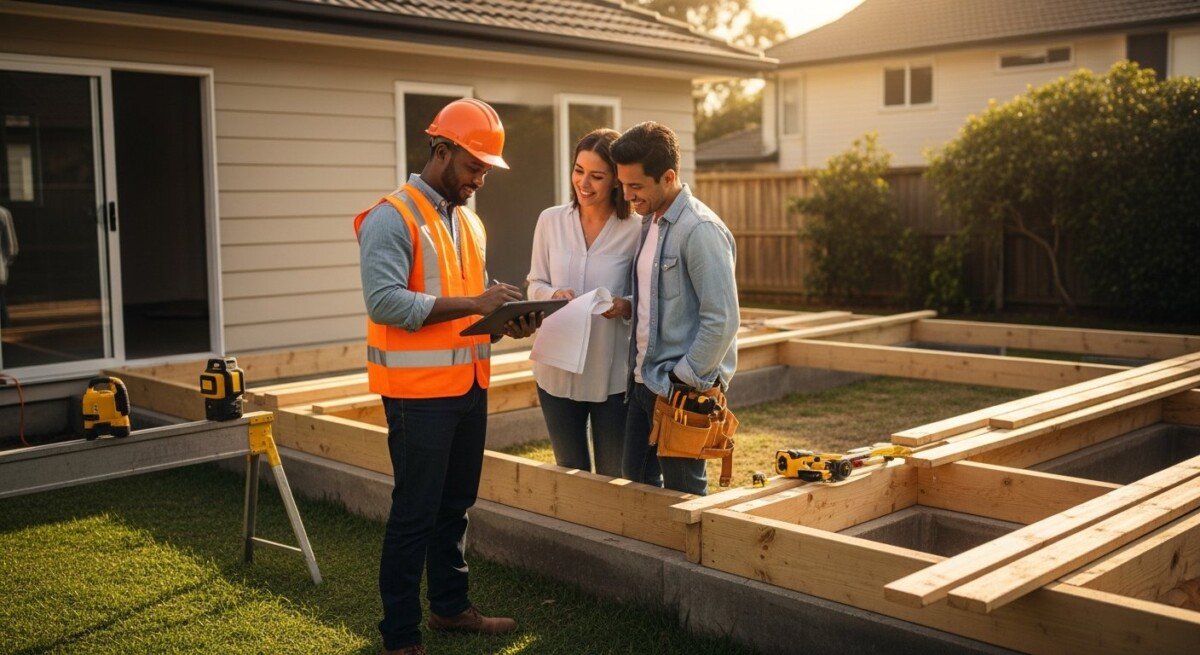
Home Extension Contractors: A Guide for Your Project
A practical guide for homeowners on planning a home extension, from choosing the right contractor to understanding costs and avoiding common pitfalls.

By Alex Carter
Learn more about General Contracting for guides, costs, and what to expect.
Compare General Contracting Pros Near You

Enter your ZIP code to compare top-rated local professionals and request free quotes.
You love your home, but your family is growing or you simply need more space. The idea of moving is stressful and expensive, so you start dreaming of adding a sunroom, expanding the kitchen, or building a second-story addition. The excitement is quickly followed by a wave of questions: How do I even start? Who can I trust to build this? This is the moment you realize you need a home extension contractor,a professional who can turn your vision into a safe, legal, and beautiful reality. Ignoring this crucial first step or choosing the wrong team can lead to budget overruns, unsafe structures, and a project that never truly feels like home.
Understanding Home Extension Contractors
A home extension contractor is a specialized professional or company that manages the entire process of adding square footage to your existing house. They are more than just builders; they are project managers who coordinate design, permits, materials, and labor from start to finish.
Their role is to bridge the gap between your dream and the finished product. They handle the complex logistics, ensuring the new structure seamlessly integrates with your old one, both in appearance and function. This is vital for maintaining your home’s structural integrity and value.
Every home and project is unique. A good contractor assesses your specific needs, the layout of your property, and local building codes to create a feasible plan. They are your guide through what can be a complex journey.
Why This Matters for Your Home
Adding onto your home is one of the largest investments you can make in your property. Doing it correctly protects that investment and ensures your safety. A poorly planned or executed extension can cause serious problems that affect your entire house.
Structural issues are the biggest concern. An addition must be properly tied into your home’s existing foundation, framing, and roof. Mistakes here can lead to cracks, uneven settling, or even roof failure. Furthermore, incorrect electrical or plumbing work poses significant fire and water damage risks.
Beyond safety, a professional job protects your comfort and finances. Proper insulation and sealing prevent drafts and skyrocketing energy bills. It also ensures you get the maximum return on your investment when it’s time to sell, as buyers and appraisers can easily spot substandard work.
If you notice signs of this issue in your home, it may help to speak with a qualified contractor. Request a free quote or call to explore your repair or remodeling options.
Common Problems Homeowners Experience
When homeowners attempt to manage an extension themselves or hire an unqualified handyman, they often encounter predictable and costly problems. The process involves many moving parts that are easy to underestimate.
One frequent issue is the discovery of hidden problems once walls are opened up, like outdated wiring or rot. A professional contractor anticipates these possibilities and includes contingencies in the plan. Without this experience, homeowners face unexpected costs and delays.
Another common struggle is with permits and inspections. Each municipality has specific codes for setbacks, structural requirements, and utilities. Navigating this bureaucracy alone can halt a project for weeks. Contractors have the experience to manage this process efficiently.
- Project delays and endless timelines due to poor planning and scheduling.
- Budget overruns from unforeseen issues and inaccurate initial estimates.
- Poor workmanship leading to uneven floors, leaking roofs, or drafty walls.
- Failure to obtain proper permits, resulting in fines and problems selling the home.
- The new addition looking “tacked on” and not blending with the original home’s style.
- Disputes with neighbors over property lines or the impact of the construction.
How Professionals Solve the Problem
A reputable home extension contractor brings order, expertise, and accountability to your project. They act as your single point of contact, managing all the subcontractors,from electricians to roofers,so you don’t have to. This streamlined approach is key to a successful outcome.
Their experience allows them to foresee challenges and solve problems before they derail your project. They also have established relationships with suppliers and inspectors, which helps keep things moving smoothly and can sometimes even secure better material prices.
- Consultation & Planning: They discuss your goals, budget, and ideas, often suggesting solutions you hadn’t considered. This stage sets the foundation for everything that follows.
- Design & Engineering: They work with designers or architects to create detailed plans that meet building codes and your aesthetic wishes.
- Permitting: They handle the paperwork and submissions to your local building department, securing all necessary approvals before a single shovel hits the ground.
- Construction: They manage the daily workflow, site safety, material deliveries, and quality control, keeping you updated on progress.
- Final Inspection & Walkthrough: They ensure everything is completed to code and to your satisfaction, addressing any final details before closing out the project.
A professional inspection can reveal hidden issues before they become expensive repairs. Compare contractor quotes here or call to discuss your project.
Warning Signs You Should Not Ignore
If you are already working with someone on an extension or are considering a contractor, there are red flags that suggest you need to pause and reassess. Trust your instincts; if something feels off, it probably is.
Acting on these warnings early can save you from financial loss and a nightmare project. A trustworthy contractor will be transparent, communicative, and happy to provide proof of their credentials and past work.
- The contractor asks for a large cash deposit upfront or full payment before work begins.
- They are hesitant to provide a detailed, written contract or a fixed-price estimate.
- They suggest skipping permits to “save time and money.”
- They have no verifiable references, portfolio, or physical business address.
- They pressure you to make quick decisions or use low-quality materials.
- Communication is poor,calls and emails go unanswered for days.
What Affects the Cost of Repairs or Installation
The cost of a home extension varies widely because every project is custom. Understanding the key factors that influence price helps you set a realistic budget and interpret the quotes you receive from contractors.
The size and complexity of the addition are the most obvious factors. A simple ground-floor box addition is less expensive per square foot than a two-story addition or one that requires extensive foundation work. The finishes you choose,from flooring to fixtures,also create a large swing in the final cost.
Site accessibility and existing home conditions play a big role. If it’s difficult to get equipment to the work area or if your home’s older plumbing and electrical systems need upgrading to support the new space, costs will increase. For a detailed look at planning a major project, our realistic bathroom remodel timeline offers insights into the scheduling factors that also impact cost.
Costs can vary depending on the condition of your home. The best way to know the price is to get a personalized estimate. Request free quotes from contractors or call today.
How to Choose the Right Contractor
Selecting your contractor is the most important decision you’ll make. This choice will determine your daily life for months and the quality of your home for decades. Taking the time to vet candidates thoroughly is non-negotiable.
Start by getting recommendations from friends, family, or neighbors who have had similar work done. Online reviews are helpful, but personal referrals are gold. Then, narrow your list to three or four contractors to provide detailed estimates.
- Verify Licenses & Insurance: Ensure they are licensed to work in your area and carry both liability insurance and workers’ compensation. This protects you if something goes wrong.
- Check References & Past Work: Ask for and actually contact recent references. Ask to see completed projects similar to yours.
- Get Detailed, Written Estimates: Quotes should break down costs for materials, labor, permits, and profit. This allows for an apples-to-apples comparison.
- Review the Contract Carefully: It should include payment schedule, timeline, specific materials to be used, and a process for handling changes.
- Assess Communication: Choose someone who listens, answers questions clearly, and makes you feel comfortable. You’ll be in close contact for a long time.
Long-Term Benefits of Professional Work
While hiring a professional home extension contractor requires an investment, the long-term benefits far outweigh the initial cost. You’re not just paying for construction; you’re paying for peace of mind, durability, and lasting value.
A well-built addition feels like it was always part of your home. It will be energy-efficient, safe, and require minimal maintenance. This quality enhances your daily living experience and protects your family. Furthermore, just as a plumbing system evaluation can prevent future disasters, a properly built extension avoids costly structural repairs down the line.
When it comes time to sell, a permitted, professionally built addition is a major selling point that appraisers can fully recognize. It significantly boosts your home’s market value and appeal, ensuring you recoup a substantial portion of your investment. In essence, professional work turns your extension from a cost into a true asset.
How long does a typical home extension project take?
Timelines vary greatly based on size and complexity. A simple single-room addition may take 2-4 months, while a larger, two-story project with custom details can take 6 months or more. Your contractor should provide a detailed schedule that includes time for design, permits, and construction.
Do I need an architect for a home extension?
It depends on the project’s scope. Many experienced contractors have in-house designers or work closely with architects for complex plans. For simpler additions, a contractor’s design-build team may be sufficient. They will advise you on what’s needed to meet code and achieve your goals.
What questions should I ask a potential contractor?
Ask how many similar projects they’ve completed, who will be the on-site foreman, what their daily work hours are, how they handle dust and debris, and how change orders are processed. Also, ask for a list of their main subcontractors to ensure they also use qualified tradespeople.
How are payments typically structured?
A standard payment schedule involves a small initial deposit, with subsequent payments tied to major milestones (e.g., after foundation is poured, framing is complete). Avoid contractors who demand more than 10-15% upfront or full payment before work begins. The final payment should be due only after you are fully satisfied.
Will I need to move out during construction?
For most single-story additions, you can usually stay in your home. For major renovations that affect your kitchen or bathrooms, or for second-story additions, temporary relocation might be necessary for safety and sanity. Your contractor can help you plan for this.
How do extensions affect property taxes?
Adding square footage and value to your home will likely increase your property tax assessment. Once the project is permitted and completed, your local assessor’s office will be notified, and your home will be re-evaluated. You can contact your assessor’s office for an estimate of the potential increase.
Adding space to your home is a significant but rewarding journey that can transform how you live. The key to a successful, stress-free experience lies in partnering with a qualified, trustworthy home extension contractor. By understanding the process, recognizing warning signs, and carefully selecting your professional, you invest not just in more square footage, but in the long-term comfort, safety, and value of your entire home. The best first step is an informed one,start by comparing detailed quotes from experienced local contractors to understand your options and set your dream in motion.
Learn more about General Contracting for guides, costs, and what to expect.
Compare General Contracting Pros Near You
Enter your ZIP code to compare top-rated local professionals and request free quotes.