
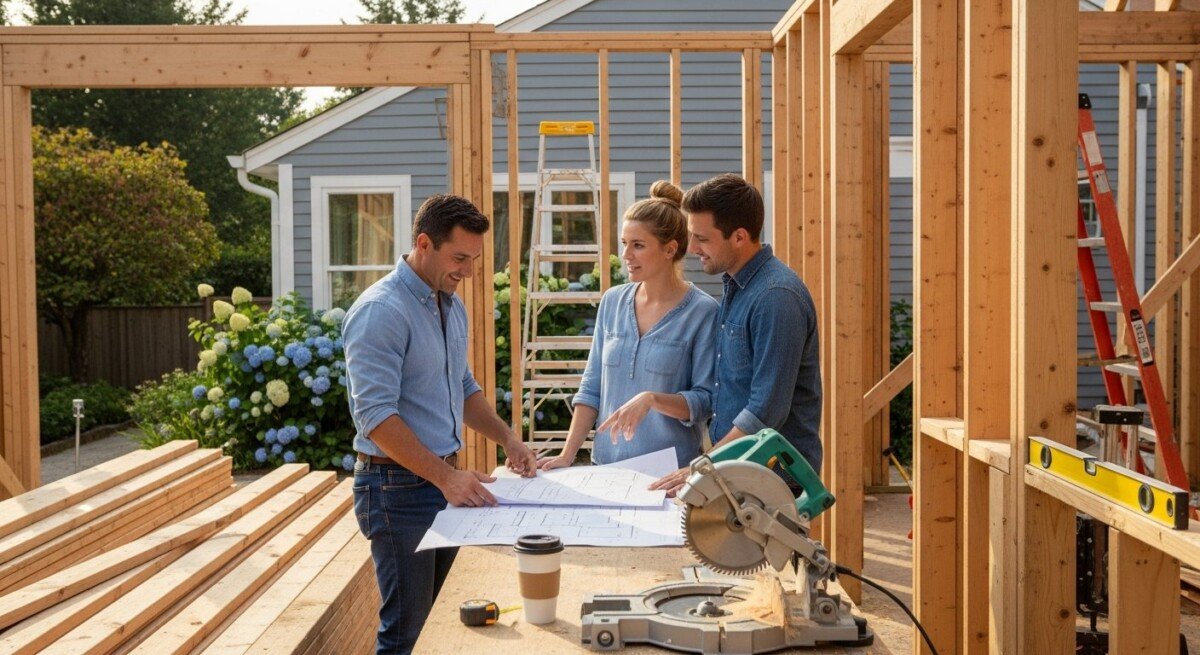
Home Addition Contractors: A Guide to Expanding Your Space
A practical guide for homeowners considering a home addition. Learn how professional contractors manage the process, avoid common pitfalls, and add lasting value to your home.

By Alex Carter
Learn more about Exterior Painting for guides, costs, and what to expect.
Compare Exterior Painting Pros Near You

Enter your ZIP code to compare top-rated local professionals and request free quotes.
You love your home, but your family has grown or your needs have changed. The kitchen feels cramped, you desperately need a home office, or the kids are sharing a room that’s bursting at the seams. You’ve considered moving, but the market is tough and you truly love your neighborhood. The idea of adding on starts to feel like the perfect solution,a way to get the space you need without the stress of selling. Yet, the thought of managing such a large project, from design to permits to construction, can feel overwhelming and risky if not done correctly.
Understanding Home Addition Contractors
A home addition contractor is a specialized professional who manages the entire process of expanding your home’s footprint. They are more than just builders; they are project managers who coordinate design, engineering, permits, materials, and skilled labor to turn your vision into a safe, functional, and beautiful new space.
This work happens because families evolve, and our homes need to evolve with us. Whether it’s adding a second story, extending the kitchen, or building a sunroom, a well-planned addition can solve space problems for years to come. While any home can be added onto, the complexity varies greatly depending on your home’s age, foundation, and local building codes.
Why This Matters for Your Home
Choosing the right contractor for your home addition is one of the most significant financial and lifestyle decisions a homeowner can make. A successful addition seamlessly blends with your existing home, improves daily living, and increases your property’s value. It’s an investment in your family’s comfort and your financial future.
However, an addition done poorly can lead to serious problems. Structural issues, water leaks, poor insulation, and code violations are not just expensive to fix,they can make your home unsafe and difficult to sell. Professional contractors navigate these risks for you, ensuring the new structure is sound, permitted, and built to last.
If you notice signs that your home is too small for your life, it may help to speak with a qualified contractor. Request a free quote or call to explore your repair or remodeling options.
Common Problems Homeowners Experience
When homeowners attempt to manage an addition themselves or hire an underqualified handyman, they often encounter a cascade of challenges. The project can quickly spiral over budget and schedule, leaving a half-finished space that disrupts daily life.
Common issues include poor communication from the builder, unexpected costs due to hidden structural problems, and finishes that don’t match the original home. The stress of coordinating plumbers, electricians, and framers while also securing permits is a full-time job most homeowners aren’t prepared for.
- Budget Blowouts: Unforeseen issues like foundation work or outdated wiring can cause costs to skyrocket without proper upfront assessment.
- Project Delays: Poor scheduling and material shortages can leave your home exposed to the elements for months.
- Poor Craftsmanship: Inexperienced labor can result in uneven floors, leaky roofs, or walls that don’t align.
- Code Violations: Failing to pull proper permits or meet building codes can lead to fines and force you to tear down work.
- Design Disconnect: The new addition looks like a bulky afterthought instead of a natural part of the home.
- Living in a Construction Zone: Without proper planning, dust, noise, and loss of utilities can make your home unlivable.
How Professionals Solve the Problem
A reputable home addition contractor brings order, expertise, and peace of mind to a complex process. They act as your single point of contact, handling the myriad details so you don’t have to. Their experience allows them to foresee challenges, source materials efficiently, and manage a skilled team to a clear timeline.
Their process is designed for efficiency and reliability. It typically follows a structured path that ensures nothing is overlooked, from the initial concept to the final walkthrough. This systematic approach is why professional work is safer, more durable, and offers better value than a piecemeal or DIY attempt.
- Consultation & Vision: They listen to your goals, assess your property, and discuss feasibility, budget, and design ideas.
- Design & Planning: They often work with designers or architects to create detailed plans, handle permit applications, and finalize material selections.
- Pre-Construction: They establish a detailed schedule, set up the job site for safety and minimal disruption, and order all materials.
- Construction: They manage the skilled trades in the correct sequence,foundation, framing, roofing, mechanicals (plumbing/electrical/HVAC), insulation, and drywall.
- Finishing & Inspection: They oversee interior finishes like flooring, paint, and trim, coordinate final inspections, and ensure a clean handover.
A professional inspection can reveal hidden issues before they become expensive repairs. Compare contractor quotes here or call to discuss your project.
Warning Signs You Should Not Ignore
How do you know if it’s truly time to consider an addition? Often, the need builds up gradually. You might find yourself constantly reorganizing or making compromises that affect your family’s quality of life. These frustrations are clear indicators that your current layout is no longer serving you.
Ignoring these signs means continuing to live in a home that doesn’t function well, which can be stressful. More importantly, delaying a needed expansion can mean missing out on years of enjoyment and the compounded value a quality addition brings to your property. Acting on these feelings with a professional plan is the first step toward a solution.
- You are using bedrooms for unintended purposes (like an office in a closet).
- Common areas are constantly cluttered and feel chaotic.
- You avoid hosting friends or family because there isn’t enough room.
- Family members lack privacy or personal space.
- You’ve outgrown storage and are using garages or basements inefficiently.
- The idea of moving seems more appealing than improving your current home.
What Affects the Cost of Repairs or Installation
The cost of a home addition is not a one-size-fits-all number. It’s a custom project tailored to your home and your vision. Understanding the key factors that influence price helps you set realistic expectations and have more productive conversations with contractors. For a clearer picture of how project timelines are built, you can review a realistic bathroom remodel timeline for homeowners to understand the phased approach professionals use.
Major cost drivers include the size and complexity of the addition. A simple ground-floor bump-out will cost less per square foot than a full second-story addition, which requires significant structural reinforcement. The quality of finishes,from flooring to fixtures,also represents a large portion of the budget and allows for flexibility based on your priorities.
Costs can vary depending on the condition of your home. The best way to know the price is to get a personalized estimate. Request free quotes from contractors or call today.
How to Choose the Right Contractor
Selecting your contractor is the most critical step in ensuring a successful home addition. This is the person you will trust with your home, your investment, and your daily peace of mind for several months. Taking the time to vet candidates thoroughly will pay off immensely in the quality of the finished project and the smoothness of the journey.
Look for a contractor who communicates clearly, listens to your ideas, and provides thorough, transparent answers. They should welcome your questions and make you feel confident in their process. A trustworthy professional will have no issue providing references, proof of insurance, and a detailed, written contract.
- Verify Credentials: Ensure they are licensed, bonded, and insured for your protection. Check for any complaints with the Better Business Bureau.
- Review Past Work: Ask for a portfolio of completed additions and, if possible, visit a finished project or speak directly with past clients.
- Get Detailed Estimates: Obtain written, itemized quotes from at least three contractors. Compare the scope of work, materials, and timelines, not just the bottom line.
- Check Specialization: Confirm they have specific, proven experience with home additions, not just general remodeling.
- Understand the Process: Ask how they will manage permits, inspections, daily cleanup, and communication throughout the project.
Long-Term Benefits of Professional Work
Investing in a professionally built home addition pays dividends long after the construction dust has settled. The immediate benefit is the joy and functionality of your new space. But the advantages extend far beyond that, protecting your investment and enhancing your life for years to come. A well-executed addition is a key part of home improvement that enhances your living space in a lasting way.
From a financial perspective, a quality addition that blends seamlessly with your home typically offers a strong return on investment by increasing your property’s market value and appeal. From a practical standpoint, professional work means durability,fewer callbacks for repairs, better energy efficiency through proper insulation and windows, and the peace of mind that comes with knowing everything is built to code and safe for your family.
How long does a typical home addition project take?
The timeline varies widely based on size and complexity. A simple single-room addition might take 2-3 months, while a full second story could take 4-6 months or more. Your contractor should provide a detailed schedule after the design is finalized, factoring in time for permits, material delivery, and inspections. Weather can also impact exterior work phases.
Do I need an architect for a home addition?
For most significant additions, yes. While some contractors have in-house design services, an architect or structural engineer is often necessary to create the official construction drawings, ensure structural integrity, and secure building permits. Your contractor can advise you on what level of design service your project requires.
Will I need to move out during construction?
Not always. For many ground-floor additions, you can often live in the home, though you’ll need to tolerate dust, noise, and some disruption. For major projects like second-story additions or whole-house reconfigurations, temporary relocation might be recommended for safety and sanity. Your contractor will discuss this during planning.
How do I ensure the new addition matches my existing house?
A skilled contractor pays meticulous attention to this. They will work to match roofing materials, siding, window styles, trim profiles, and paint colors. The roofline is particularly important for a cohesive look. Sourcing older materials or having custom millwork made might be part of the process to achieve a perfect blend.
What about plumbing and electrical for a new bathroom or kitchen?
Adding new plumbing and electrical circuits is a standard part of most additions. A professional contractor will coordinate these specialized trades. It’s crucial that this work is done to code; for instance, understanding the scope of a plumbing system evaluation can be part of ensuring your existing systems can handle the new demand.
How disruptive is the construction process?
There will be disruption, but a professional team minimizes it. They will use dust barriers, protect your flooring, establish clear work zones, and maintain a clean site. Clear daily communication about what to expect (like water or power being shut off temporarily) helps manage the inconvenience.
What financing options are available for home additions?
Common options include a home equity loan or line of credit (HELOC), a cash-out refinance, or a construction loan. The best choice depends on your equity, credit, and the project cost. Your contractor may be able to refer you to lenders familiar with financing renovation projects.
Expanding your home is a major undertaking, but with the right planning and partner, it can be an incredibly rewarding journey. It solves the space problems you face today while building long-term value for your future. By addressing your needs early and choosing a qualified home addition contractor, you invest in your family’s comfort and your home’s potential. The best next step is to gather information; comparing detailed quotes from experienced professionals will give you the clarity and confidence to move forward.
Learn more about Exterior Painting for guides, costs, and what to expect.
Compare Exterior Painting Pros Near You
Enter your ZIP code to compare top-rated local professionals and request free quotes.