
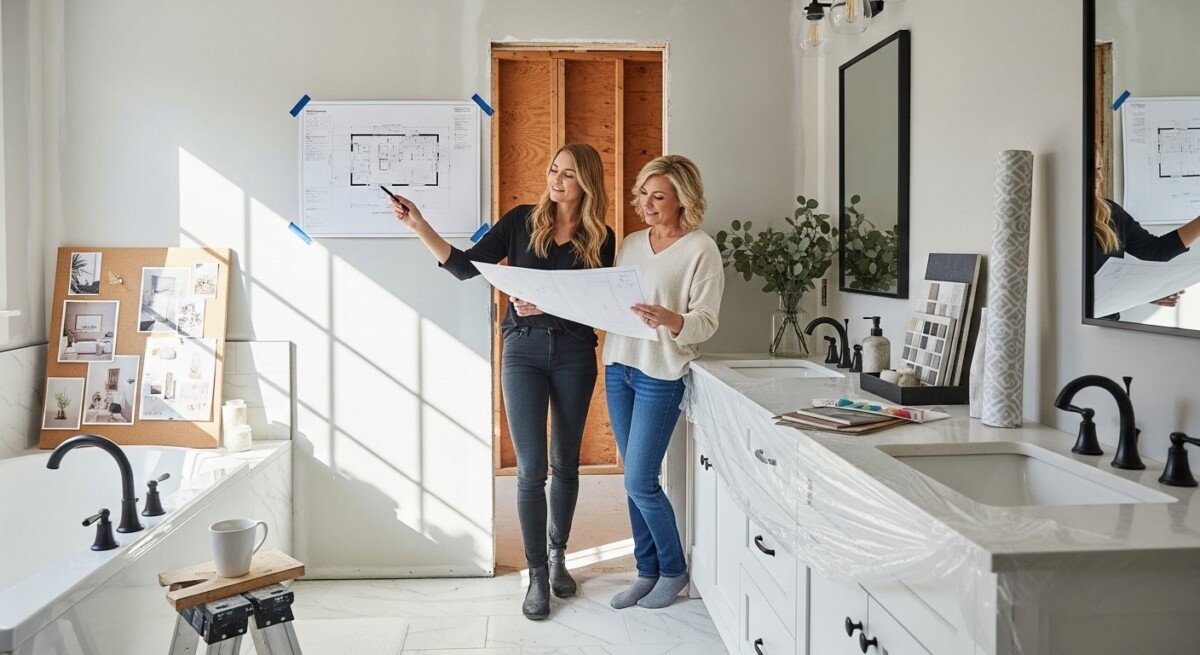
Hiring a Bathroom Remodeler: A Homeowner’s Practical Guide
A practical guide for homeowners on hiring a bathroom remodeler. Learn the signs you need a pro, how to choose one, and why professional work protects your home’s value.

By Alex Carter
Learn more about Bathroom Remodel for guides, costs, and what to expect.
Compare Bathroom Remodel Pros Near You

Enter your ZIP code to compare top-rated local professionals and request free quotes.
You stand in your bathroom, coffee in hand, and the list of annoyances runs through your mind. The cracked tile you’ve learned to ignore, the vanity that’s seen better days, the persistent drip from the faucet that’s more expensive to fix than replace. Maybe you’ve started browsing design ideas online, only to feel overwhelmed by choices and the daunting question: “Can I really do this myself?” A bathroom remodel is a significant investment in your home’s comfort, safety, and value. Ignoring its needs or attempting a DIY project beyond your skill can lead to costly water damage, structural issues, and a finished product that doesn’t meet your expectations. Hiring a professional bathroom remodeler is the most reliable way to transform your vision into a beautiful, functional, and long-lasting reality.
Understanding Hiring a Bathroom Remodeler
Hiring a bathroom remodeler means engaging a licensed, insured professional or company to manage and execute the renovation of your bathroom. This is more than just finding someone to do the labor; it’s about partnering with an expert who can navigate design, plumbing, electrical, tiling, and construction to deliver a cohesive project.
It happens when homeowners recognize their bathroom is outdated, inefficient, or damaged. They seek a professional to handle the complexity, ensure code compliance, and provide a warranty on the work. This process turns a stressful, pieced-together effort into a streamlined, managed project.
While any home with a bathroom can benefit, older homes are most affected. They often have outdated plumbing, electrical systems that need upgrading, and layouts that don’t suit modern living. A skilled remodeler can address these hidden challenges while creating the new space you desire.
Why This Matters for Your Home
A bathroom is one of the most frequently used and mechanically complex rooms in your house. A poorly executed remodel can compromise its core functions, leading to problems that affect your entire home. Water leaks behind a new shower wall, for instance, can rot subflooring and framing long before you see a stain on the ceiling below.
Beyond property damage, there are real safety risks. Incorrect electrical work near water sources is a shock hazard. Improperly installed grab bars or a slippery tile choice can lead to falls. A professional prioritizes these safety elements, ensuring your new bathroom is not only beautiful but also secure for your family.
Delaying necessary updates or choosing an unqualified installer often means paying more later. A small leak from an old valve can cause extensive damage, turning a simple fixture replacement into a major repair. Investing in quality work from the start protects your home’s value and your peace of mind.
If you notice signs of this issue in your home, it may help to speak with a qualified contractor. Request a free quote or call to explore your repair or remodeling options.
Common Problems Homeowners Experience
Many homeowners start a bathroom project only to encounter unexpected hurdles. They might discover rotted floorboards under the old linoleum or realize the dream freestanding tub requires moving drain lines. These surprises can derail a budget and timeline quickly.
Without a project manager, coordinating plumbers, electricians, and tilers becomes a part-time job. Delays from one trade can cascade, stretching a two-week project into two months. The stress of managing these logistics is a common pain point that a professional remodeler eliminates.
- Visible Damage: Cracked tiles, water-stained ceilings, peeling paint, and mold growth.
- Performance Problems: Poor water pressure, inadequate ventilation leading to mildew, inefficient toilets and fixtures that waste water.
- Structural Concerns: Soft spots in the floor, leaking shower pans that damage subflooring, and outdated wiring not up to modern code.
- Aging Materials: Worn-out caulking and grout, outdated and brittle plumbing pipes (like polybutylene), and vanities or cabinets that are falling apart.
- Layout Inefficiency: A cramped, awkward space that doesn’t meet the family’s needs, lacking storage or proper clearance around fixtures.
- DIY Regrets: Finished work that looks amateurish, fixtures that don’t function correctly, or projects abandoned mid-way due to complexity.
How Professionals Solve the Problem
A professional bathroom remodeler brings a systematic approach to chaos. They start with a detailed plan and estimate, identifying potential problems behind the walls before demolition even begins. This foresight is key to avoiding costly change orders and delays.
They manage the entire process, from pulling necessary permits to scheduling all specialized trades in the correct sequence. Their experience ensures the work meets local building codes, which is crucial for safety and for resale value. For a deeper dive into this process, our essential guide to hiring a bathroom renovation company outlines what to expect from start to finish.
Professional work is safer and more reliable because it’s backed by licenses, insurance, and warranties. If a connection leaks six months later, they fix it. This accountability is something you simply don’t get with a handyman or a DIY effort.
- Consultation & Planning: Discussing your needs, budget, and design ideas to create a detailed project scope.
- Design & Material Selection: Helping finalize layouts and choose appropriate materials that fit your style and budget.
- Demolition & Prep: Safely removing old materials and preparing the space, while checking for hidden issues.
- Rough-In Work: Completing behind-the-walls plumbing, electrical, and framing updates by licensed tradespeople.
- Installation & Finishing: Installing new fixtures, surfaces, cabinets, and tiles with precision and craftsmanship.
- Final Inspection & Walkthrough: Ensuring everything is complete, functional, and meets your satisfaction.
A professional inspection can reveal hidden issues before they become expensive repairs. Compare contractor quotes here or call to discuss your project.
Warning Signs You Should Not Ignore
Your bathroom often gives clear signals when it’s time for a professional upgrade. While a single loose tile might be a quick fix, a pattern of issues usually points to deeper, systemic problems. Listening to these signs can save you from emergency repairs.
Acting early on these warnings allows you to plan a remodel on your timeline and budget, rather than being forced into a rushed, expensive fix after a catastrophic failure like a pipe burst.
- Persistent Moisture or Mold: Mold that returns after cleaning, or a constant damp smell, indicates a ventilation or leak problem.
- Frequent Clogs or Slow Drains: Ongoing drainage issues often signal problems deeper in the plumbing system.
- Cracks in Tile or Grout: Widespread cracking can mean an unstable subfloor or wall, not just aging surfaces.
- Water Stains on Walls or Ceilings: These are direct evidence of leaks, which can rot wood and promote mold growth inside walls.
- Outdated or Faulty Wiring: Lights that flicker, a lack of GFCI outlets near water, or using extension cords in the bathroom are serious safety hazards.
- General Disrepair & Frustration: If you actively avoid using the bathroom because it’s unattractive or dysfunctional, it’s time for a change.
What Affects the Cost of Repairs or Installation
The cost of a bathroom remodel varies widely because no two projects are identical. A simple cosmetic update with new fixtures and paint costs far less than a full “down-to-the-studs” renovation where everything is moved and replaced. Understanding the key cost drivers helps you set a realistic budget.
Material choices have a massive impact. Standard ceramic tile, a stock vanity, and a basic tub-shower combo are budget-friendly. Switching to natural stone tile, a custom-built vanity, and a steam shower system will increase the price significantly. Labor is another major factor, especially for complex plumbing re-routes or intricate tile patterns.
Other factors include the age and condition of your home (older homes often have surprise repairs), the project’s accessibility (a second-floor bathroom can be trickier), and your geographic location. Permits and design fees also contribute to the overall investment.
Costs can vary depending on the condition of your home. The best way to know the price is to get a personalized estimate. Request free quotes from contractors or call today.
How to Choose the Right Contractor
Selecting the right remodeler is the most critical step in ensuring a successful project. It’s not just about the lowest bid; it’s about finding a trustworthy partner with the skills and communication style that fit your needs. Taking time here prevents immense stress later.
Start by asking friends and neighbors for referrals, and then do your own research. A reputable contractor will be transparent, answer your questions clearly, and provide all the documentation you request without hesitation. They should make you feel confident, not pressured.
- Verify Licenses and Insurance: Confirm they hold a current state contractor’s license and carry both liability insurance and workers’ compensation.
- Read Reviews and Check References: Look at online reviews and, more importantly, ask for and contact past clients. Ask to see a completed project similar to yours.
- Get Detailed, Written Estimates: A quote should be a detailed breakdown of labor, materials, and costs,not just a single bottom-line number. Compare the scope, not just the price.
- Compare Multiple Quotes: Get at least three detailed estimates. A price that seems too good to be true often is, and may indicate corner-cutting or a misunderstanding of the scope.
- Assess Communication and Professionalism: From your first contact, note how they communicate. Are they prompt, clear, and respectful? This style will continue throughout the project.
Long-Term Benefits of Professional Work
Investing in a professional bathroom remodel pays dividends long after the project is complete. Quality craftsmanship and proper installation mean your new bathroom will stand up to daily use for years, with minimal need for repairs. This durability translates directly into savings.
Beyond durability, a well-designed and executed bathroom increases your home’s resale value more reliably than almost any other renovation. It also enhances your daily life through improved functionality, easier cleaning, and the simple joy of using a space that is both beautiful and perfectly suited to your routine. To ensure you find a partner who delivers these benefits, our guide to hiring a reliable bathroom remodel contractor details the key traits to look for.
You’ll also benefit from modern, water-efficient fixtures that lower utility bills and better ventilation that protects your investment by preventing moisture damage. The peace of mind that comes from knowing the work was done safely and correctly is perhaps the greatest long-term benefit of all.
How long does a typical bathroom remodel take?
A standard full bathroom remodel with a professional team typically takes 3 to 4 weeks from demolition to completion. The timeline can extend for larger master bathrooms, complex layouts requiring plumbing moves, or custom material delays. Your contractor should provide a detailed schedule upfront.
Do I need a permit to remodel my bathroom?
In most areas, yes. Permits are usually required for any work involving plumbing, electrical, or structural changes. A reputable contractor will handle pulling all necessary permits, which ensures the work is inspected and meets local building codes for your safety and legal protection.
Should I be home during the remodel?
It’s not necessary to be home all day, but you should be available for daily check-ins or urgent questions. Expect noise, dust, and workers needing access. Good contractors will use dust barriers and clean up at the end of each day to minimize disruption to your household.
What is the average cost of a bathroom remodel?
Costs vary dramatically based on size, scope, and materials. A minor cosmetic update can range from $5,000 to $15,000, while a full, high-end master bathroom renovation can cost $30,000 to $60,000 or more. Getting detailed, location-specific quotes is the only way to determine an accurate cost for your project.
How do I prepare for a bathroom remodel?
Clear out all personal items from the bathroom and adjacent areas. Set up a temporary bathroom station in another part of the house with essentials. Discuss logistics with your contractor, like protecting flooring in pathways and establishing work hours.
What questions should I ask a potential contractor?
Ask about their experience with projects like yours, request a list of references, confirm who will be the on-site project lead, inquire about their warranty policy, and ask how they handle unexpected issues or change orders once work begins.
Can I remodel my bathroom in stages to save money?
While possible, remodeling in stages is often less efficient and can be more costly in the long run. It can lead to coordination problems, repeated mobilization fees, and difficulty matching materials later. Financing the project as a whole is usually a more streamlined and cost-effective approach.
What is the best time of year to remodel a bathroom?
Bathroom remodels are largely indoor projects, so they can be done year-round. However, contractor schedules may be busier in spring and summer. Scheduling during a traditionally slower period (like late fall or winter) might provide more flexibility and potentially quicker start dates.
Your bathroom should be a sanctuary, not a source of stress. Addressing its needs with a professional remodeler is an investment in your home’s function, safety, and value. By recognizing the warning signs, understanding the process, and carefully choosing the right contractor, you can navigate this project with confidence. The best first step is an informed one,start by comparing detailed quotes from qualified professionals to understand your options and move toward the bathroom you’ve been imagining.
Learn more about Bathroom Remodel for guides, costs, and what to expect.
Compare Bathroom Remodel Pros Near You
Enter your ZIP code to compare top-rated local professionals and request free quotes.