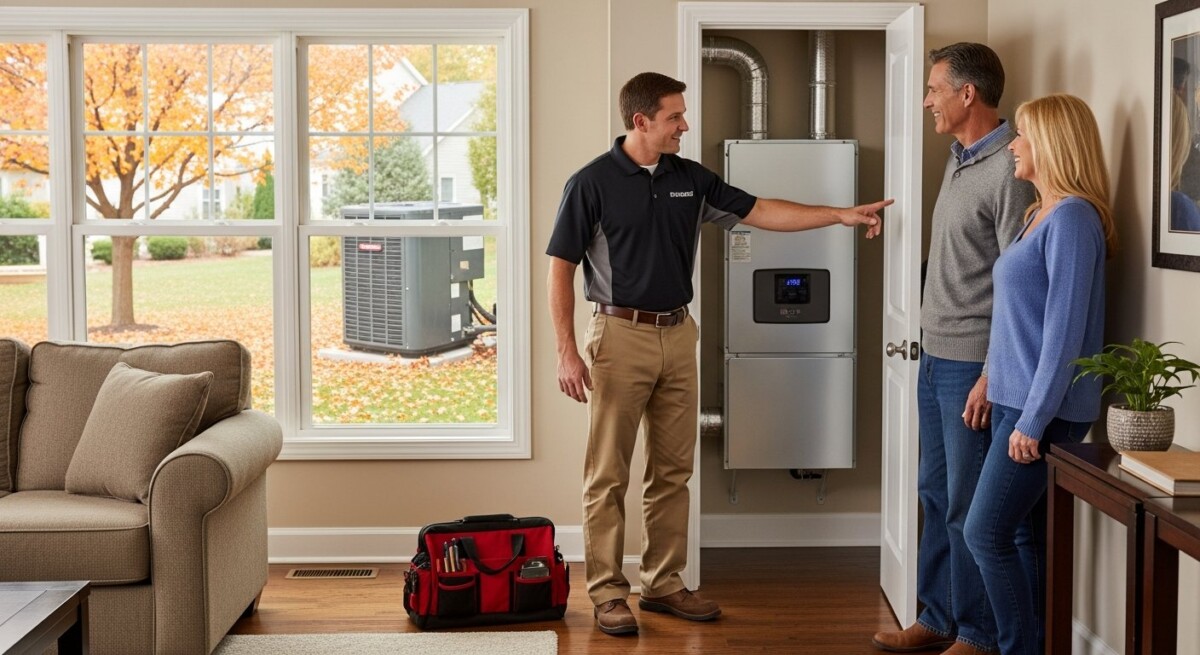
High Efficiency Heating and Cooling Explained for Homeowners
"*" indicates required fields
Your home’s heating and cooling system is one of the largest investments you’ll make, and it’s responsible for a huge portion of your monthly energy bills. If your system is over ten years old, struggles to keep your home comfortable, or causes your utility bills to spike every season, you’re likely dealing with an outdated, inefficient unit. Modern high-efficiency systems are designed to solve these exact problems, offering superior comfort while significantly reducing energy consumption. Understanding what makes a system “high efficiency” is the first step toward a more comfortable, cost-effective home.
What High Efficiency Heating and Cooling Means for Homeowners
In simple terms, high efficiency means your heating and cooling equipment uses less energy to do the same job,or even a better job,than a standard system. It’s about getting more comfort for less money. This efficiency is measured by specific ratings that tell you how well the unit converts energy into heating or cooling power.
For air conditioners and heat pumps, the key rating is the SEER (Seasonal Energy Efficiency Ratio). The higher the SEER number, the more efficient the unit. Modern high-efficiency systems typically start at SEER 16 and can go up to SEER 26 or higher. For furnaces, the important rating is AFUE (Annual Fuel Utilization Efficiency), which is expressed as a percentage. A high-efficiency furnace will have an AFUE of 90% or higher, meaning 90 cents of every fuel dollar goes directly to heating your home.
The Role of Heat Pumps in Modern Efficiency
Many of today’s most efficient systems are heat pumps. Unlike a furnace that creates heat, a heat pump moves existing heat from one place to another. In winter, it extracts heat from the outside air (even in cold weather) and moves it indoors. In summer, it reverses the process, acting like an air conditioner. This transfer process is incredibly energy-efficient, making heat pumps a cornerstone of high-performance home comfort.
Why High Efficiency Matters for Your Home and Wallet
Upgrading to a high-efficiency system isn’t just about having a shiny new unit in your basement or beside your house. It delivers tangible, everyday benefits that improve your quality of life and protect your budget. The most immediate impact is on your utility bills. Homeowners can see savings of 20% to 40% on their heating and cooling costs, which adds up to hundreds of dollars saved each year.
Beyond savings, these systems provide exceptional comfort. They are designed to run longer at lower speeds, which eliminates the hot and cold spots common with older, single-speed systems. This leads to more consistent temperatures from room to room and much quieter operation. You’ll also enjoy better humidity control in the summer and more reliable warmth in the winter.
Choosing high efficiency is also a responsible choice for the environment. By using less electricity or fuel, you reduce your home’s carbon footprint. Furthermore, modern systems use more environmentally friendly refrigerants. It’s a upgrade that benefits your home, your finances, and the planet.
Ready to explore your high-efficiency options and see real savings estimates for your home? Our comfort consultants are here to help. Schedule a Free, No-Obligation Home Evaluation or call us at (555) 123-HEAT.
Common Issues with Older, Inefficient Systems
If your system is aging, you’re likely familiar with the signs of inefficiency. These problems often start small but grow worse over time, leading to discomfort and costly repairs. A common issue is short cycling, where the system turns on and off too frequently. This wastes energy, puts extra wear on components, and fails to properly dehumidify your air in summer.
Another major problem is inadequate heating or cooling. You might find that your system runs constantly but never quite reaches the temperature on your thermostat. This often means the system has lost its capacity due to wear, refrigerant leaks, or it was incorrectly sized for your home from the start. Ductwork problems are also a huge source of inefficiency, with leaks and poor insulation causing up to 30% of your conditioned air to be wasted.
- Frequent and Costly Repairs: As components fail, you’re faced with a steady stream of repair bills.
- Uneven Room Temperatures: Some rooms are too hot while others are too cold, indicating poor airflow or an undersized system.
- Excessive Dust or Dry Air: Inefficient systems often have poor air filtration and humidity control.
- Unusual Noises or Odors: Rattling, banging, or musty smells can signal mechanical problems or mold growth in ducts.
- Constantly High Energy Bills: Your usage hasn’t changed, but your costs keep climbing.
How Professionals Install and Optimize High-Efficiency Systems
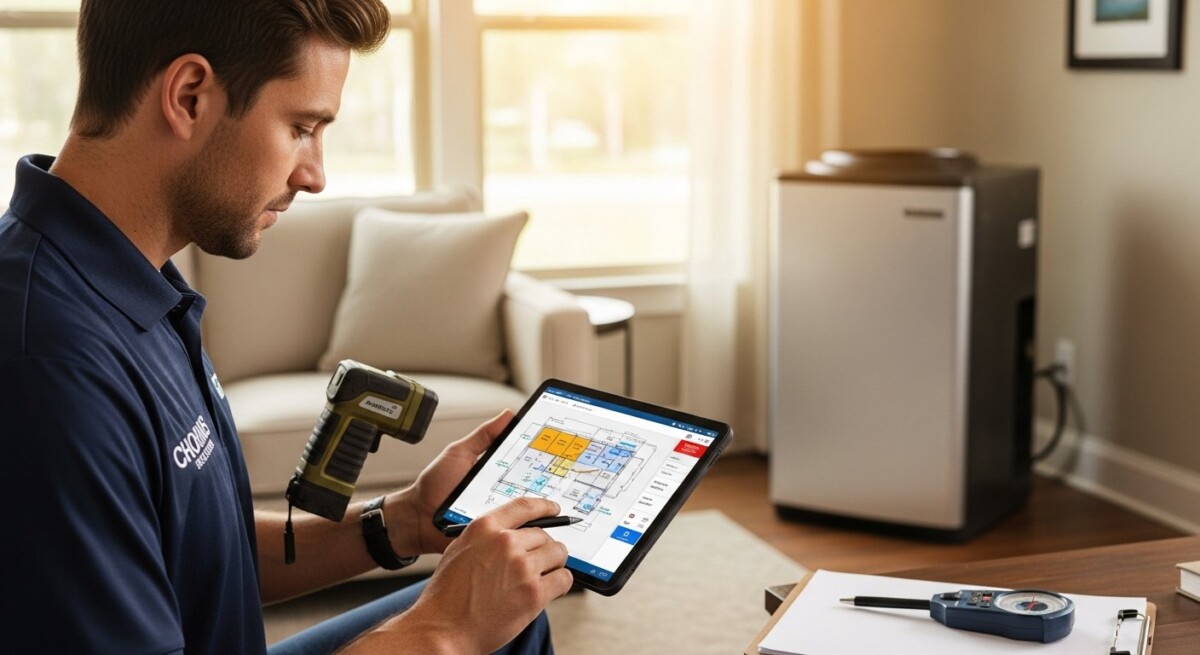
A successful high-efficiency installation is about much more than just swapping an old unit for a new one. It’s a detailed process that ensures your new system performs at its peak. The first and most critical step is a proper load calculation. A professional will measure your home’s square footage, insulation levels, window quality, and more to determine the exact size (in tons or BTUs) your home needs. A system that’s too large or too small will never be efficient.
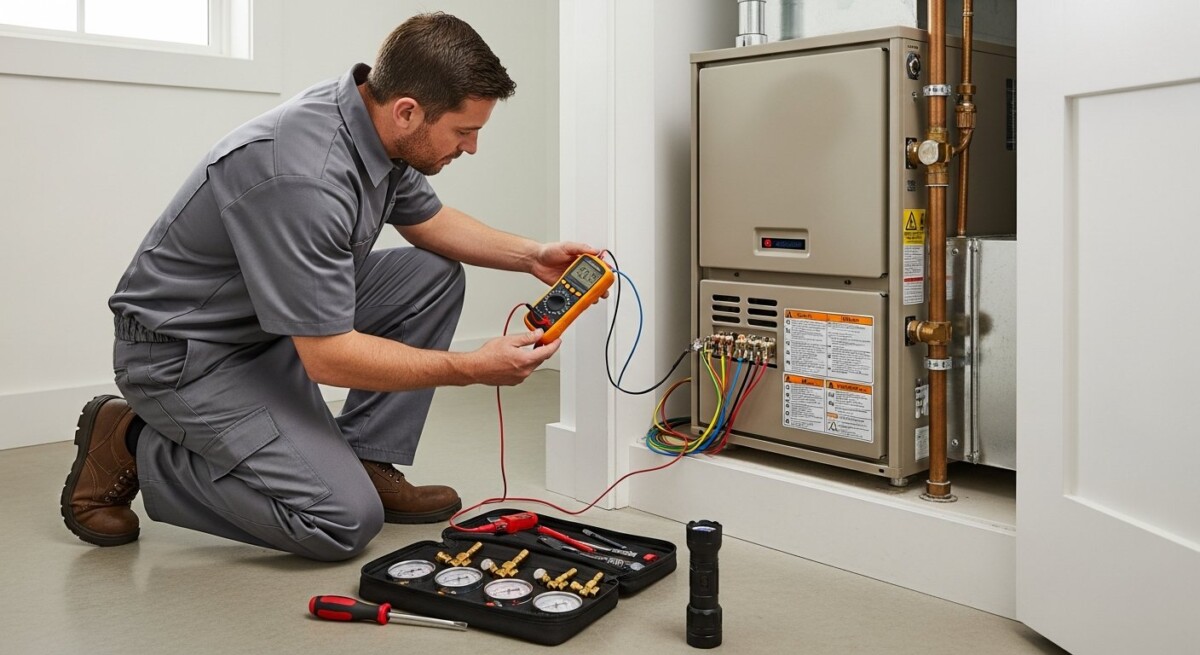
Next, the technician will evaluate your existing ductwork. High-efficiency systems require properly sealed and insulated ducts to deliver their promised performance. They will often perform duct testing and sealing as part of the installation. The physical installation then focuses on precision: ensuring correct refrigerant charge, secure electrical connections, proper drainage, and optimal thermostat placement.
- Home Assessment & Load Calculation: Measuring your home’s specific needs.
- Ductwork Evaluation & Sealing: Fixing leaks to prevent energy waste.
- Precision Installation: Expert placement, wiring, and setup of the new unit.
- System Testing & Balancing: Verifying airflow, temperature drop, and overall performance.
- Homeowner Orientation: Walking you through your new thermostat and system features.
Don’t let an inefficient system drain your wallet another season. Our certified technicians specialize in precision installations that maximize your savings. Get a Clear, Upfront Quote Today or call (555) 123-HEAT to speak with an expert.
Warning Signs Your System Needs an Efficiency Upgrade
It’s easy to ignore a system that’s still turning on, but waiting for a complete breakdown is the most expensive way to handle a replacement. Proactive homeowners watch for key indicators that their system’s efficiency is failing. If your equipment is more than 10-15 years old, it’s almost certainly operating at a fraction of the efficiency of new models, even if it’s still running.
Listen to your system and your bills. A sudden, unexplained rise in your energy costs is a red flag. So is a system that requires refrigerant to be added more than once,this indicates a leak that is both environmentally harmful and detrimental to performance. If you’re adjusting the thermostat constantly or wearing sweaters in the house during summer, your comfort is being compromised by an inefficient system.
- Age: Your furnace or AC is over 10-15 years old.
- R-22 Refrigerant Use: Your AC uses this outdated, phased-out refrigerant.
- Yellow Burner Flame: (For gas furnaces) A yellow flame instead of blue indicates improper combustion and potential safety issues.
- Lack of Maintenance: The system hasn’t been professionally serviced in years.
- Visible Rust or Moisture: On or around the furnace, air handler, or refrigerant lines.
Understanding the Cost Factors of a High-Efficiency System
The upfront cost of a high-efficiency heating and cooling system is an investment, and it’s influenced by several key factors. The first is the equipment itself. Higher SEER and AFUE ratings generally come with a higher price tag, but also deliver greater long-term savings. The type of system you choose,such as a standard split system, a ductless mini-split, or a geothermal heat pump,also significantly affects the price.
Your home’s specific installation requirements are a major cost driver. If new ductwork is needed, or if electrical service needs to be upgraded to handle the new system, those will add to the project cost. The complexity of the installation, like working in a tight attic or dealing with multiple stories, can also influence labor time. Remember, the cheapest bid is rarely the best value; proper installation is crucial for achieving the promised efficiency.
It’s vital to consider available rebates and financing. Many utility companies, state programs, and even federal tax credits offer significant rebates for installing high-efficiency equipment. These can dramatically reduce your net cost. Many HVAC companies also offer flexible financing options to make the upgrade more manageable for your household budget.
Confused about rebates, financing, or what system is right for your budget? We provide transparent pricing and help you navigate all available savings. Book a Free Cost-Benefit Consultation or call us at (555) 123-HEAT.
How to Choose the Right HVAC Professional for the Job
Selecting the right contractor is just as important as selecting the right equipment. A poor installation can undermine the efficiency of even the best system. Start by looking for proper licensing, insurance, and certifications, such as NATE (North American Technician Excellence), which indicates advanced training.
Ask detailed questions during the estimate. A good contractor will perform a manual load calculation, inspect your ductwork, and discuss thermostat options. They should provide a written, detailed quote that includes equipment model numbers, labor warranty, and a clear scope of work. Be wary of anyone who gives a quote over the phone without seeing your home.
- Check Credentials: Verify licenses, insurance, and NATE certification.
- Read Reviews: Look for consistent positive feedback on quality and professionalism.
- Get Detailed Quotes: Compare written proposals that include model numbers and warranty terms.
- Ask About Post-Install Support: Understand their maintenance plans and service response times.
The Long-Term Benefits of Upgrading Your Home Comfort
Investing in a high-efficiency system pays dividends for years to come. The most obvious benefit is sustained savings on your energy bills, which protects you from rising utility rates. This ongoing savings often means the system pays for itself over its lifespan. You’ll also enjoy enhanced home comfort with stable temperatures and improved air quality, thanks to better filtration and humidity control.
Your home’s value and appeal get a boost as well. An updated, efficient HVAC system is a strong selling point for potential buyers. You’ll gain peace of mind from knowing your system is reliable, under warranty, and much less likely to fail on the coldest night or hottest day. Finally, you’ll reduce your environmental impact, contributing to a cleaner community. It’s an upgrade that truly keeps on giving.
Frequently Asked Questions About High-Efficiency HVAC
How much can I really save with a high-efficiency system?
Savings vary based on your old system’s efficiency, local climate, and utility rates. On average, homeowners save 20-40% on heating and cooling costs. Upgrading from a SEER 10 to a SEER 16 system, for example, can cut cooling costs by nearly 40%. We provide personalized savings estimates during our in-home evaluations.
Is a heat pump efficient enough for cold winters?
Absolutely. Modern cold-climate heat pumps are specifically designed to operate efficiently in sub-freezing temperatures. For areas with extreme cold, they can be paired with a supplemental heating source (like a gas furnace or electric strips) in a dual-fuel system, providing the best balance of efficiency and comfort year-round.
How long does a high-efficiency system last?
With proper annual maintenance, a quality high-efficiency system should last 15-20 years. Many come with 10-year parts warranties. The key to longevity is regular professional tune-ups to keep the system clean and operating at its designed specifications.
Do I need to replace my ductwork when I get a new system?
Not always, but it should be inspected. Leaky or poorly insulated ducts can waste 30% of your system’s output. We always test duct performance during our assessment. Sealing and insulating existing ducts is often a very cost-effective way to maximize your new system’s efficiency.
What’s the difference between a standard and a variable-speed system?
Standard systems have one or two speeds: on or off. Variable-speed systems can adjust their output in small increments from about 40% to 100% capacity. This allows them to run almost continuously at a low, efficient speed, providing superior comfort, humidity removal, and quiet operation.
Are there tax credits or rebates available?
Yes, federal tax credits for qualified high-efficiency heat pumps and air conditioners are available. Many state and local utility companies also offer substantial rebates. We stay current on all available incentives and help our customers apply for them to reduce the overall cost of their investment.
Upgrading your home’s heating and cooling to a high-efficiency system is one of the smartest investments you can make in your comfort, your home’s value, and your financial future. By understanding the technology, recognizing the signs you need an upgrade, and partnering with a qualified professional, you can enjoy reliable, quiet, and affordable comfort for years to come. Take the first step toward a more efficient home today.

About Alex Carter
"*" indicates required fields