Heating System Repair: A Homeowner’s Guide to Warmth and Safety
"*" indicates required fields
When your heating system stops working on a cold day, it’s more than an inconvenience,it’s a problem that affects your comfort, safety, and peace of mind. You might hear strange noises, feel uneven warmth, or see your energy bills climb for no clear reason. Understanding heating system repair is the first step to restoring reliable warmth to your home.
Understanding Heating System Repair
Heating system repair involves diagnosing and fixing problems with the components that keep your home warm. This includes furnaces, boilers, heat pumps, and their associated parts like thermostats, ductwork, and vents. A repair can be as simple as replacing a dirty air filter or as complex as fixing a cracked heat exchanger.
The goal of any repair is to restore your system to safe, efficient, and reliable operation. It’s not just about getting heat back on; it’s about ensuring the system works correctly to protect your family and your investment in your home. A professional technician will identify the root cause of the issue, not just the symptom, to prevent the problem from recurring.
Different Systems, Different Approaches
Repair methods vary depending on your system type. Forced-air furnaces, common in many homes, require different troubleshooting than radiant boilers or modern heat pumps. A qualified professional understands these differences and has the right tools and knowledge for your specific setup.
Why It Matters for Homeowners
Prompt and professional heating repair matters because your system is central to your home’s safety and livability. A malfunctioning heater can pose serious risks, including carbon monoxide leaks from cracked components or electrical fire hazards from faulty wiring. Ensuring your system is repaired correctly is a critical safety measure.
Beyond safety, efficient operation saves you money. A system struggling with a minor issue, like a faulty flame sensor or a clogged condensate line, must work much harder to heat your home. This strain leads to higher monthly utility bills and can cause more extensive, costly damage over time. Timely repair protects your wallet and extends the life of your entire system.
Don’t wait for a complete breakdown. If you’re experiencing inconsistent heating or other warning signs, call the experts at 180 Remodel at (555) 123-4567 for a professional diagnosis and lasting repair solution.
Common Issues and Their Causes
Many heating problems stem from a handful of common, fixable issues. Lack of maintenance is often the root cause, as systems accumulate dust, wear out parts, and fall out of calibration over time. Seasonal startups after a period of inactivity also frequently reveal problems that developed during the off-season.
Here are some of the most frequent issues homeowners face:
- No Heat or Insufficient Heat: Often caused by thermostat failures, a tripped circuit breaker, a closed gas valve, or a faulty pilot light/ignition system.
- Frequent Cycling (Short Cycling): The system turns on and off too frequently. This can be due to an oversized unit, a dirty air filter, a faulty flame sensor, or overheating from restricted airflow.
- Unusual Noises: Banging, rattling, squealing, or booming sounds usually indicate mechanical problems like a loose blower wheel, worn motor bearings, or delayed gas ignition (a “boom”).
- High Energy Bills: A sudden, unexplained increase in costs typically points to declining efficiency from dirty components, duct leaks, or a system struggling to compensate for a failing part.
- Poor Airflow: Weak or uneven airflow from vents is commonly due to a clogged filter, a failing blower motor, or leaks and blockages in the ductwork.
How Professionals Fix the Problem
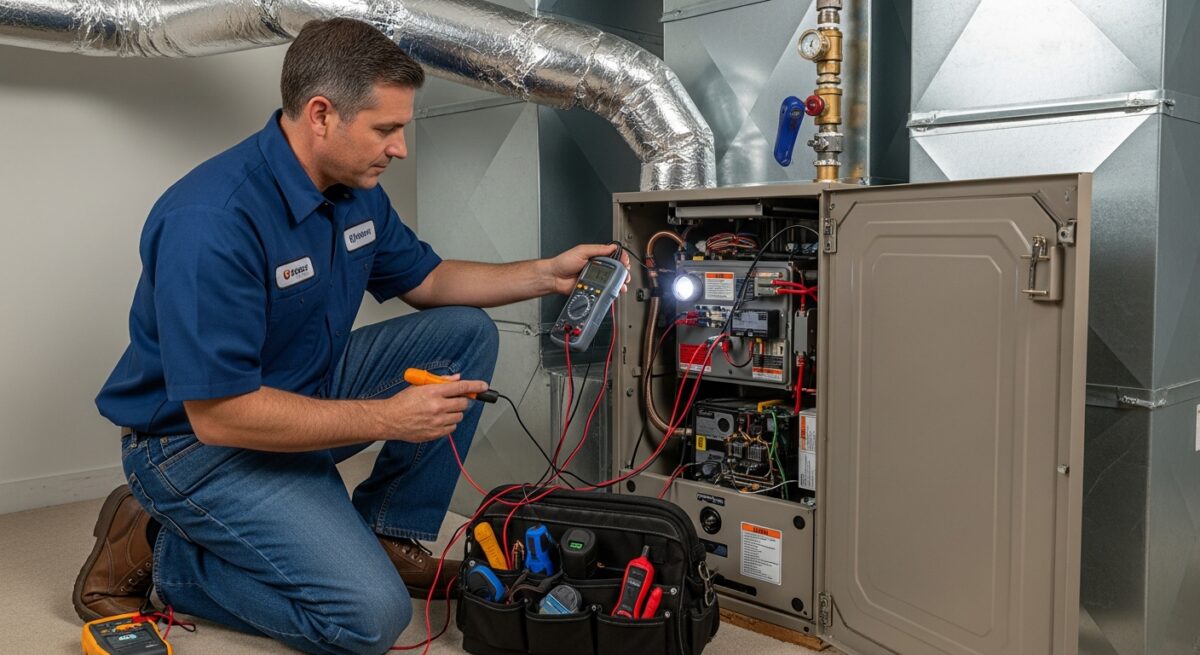
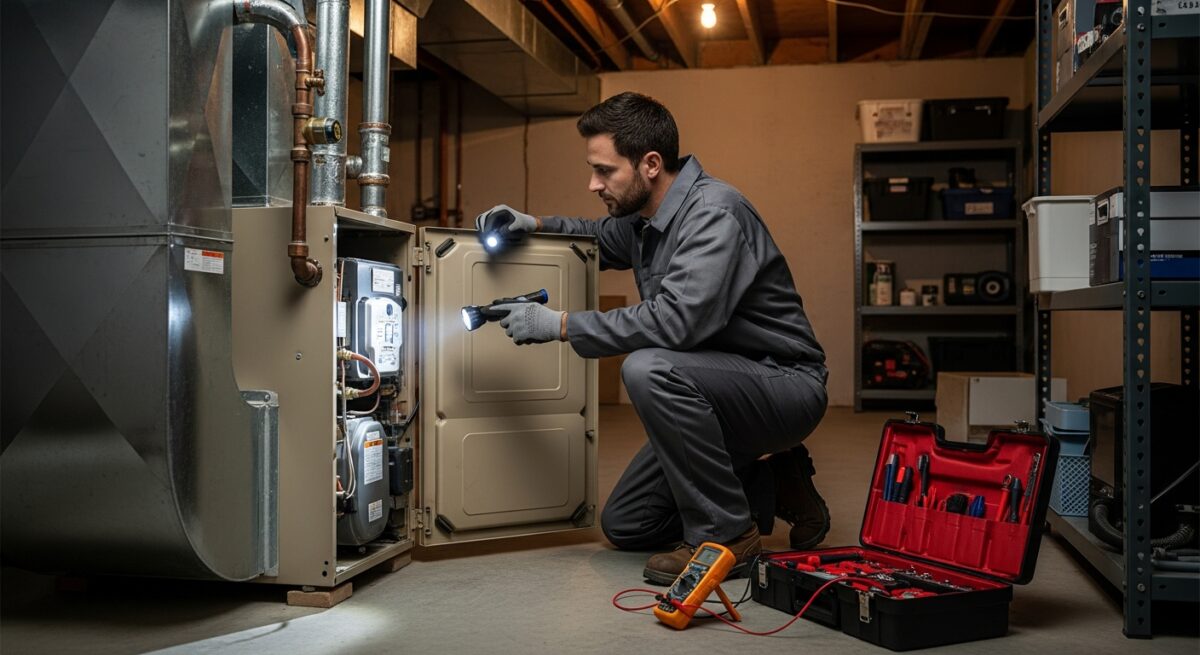
A professional repair starts with a thorough diagnosis. A technician will ask about the symptoms, check your thermostat settings, and then perform a systematic inspection of the system. They’ll examine electrical connections, test components for proper operation, check gas pressure (for gas systems), and assess airflow and safety controls.
Once the issue is pinpointed, the technician will explain the problem, the required repair, and the cost. For many repairs, the process follows clear steps: safely shutting down power and fuel to the system, replacing the faulty component (like a capacitor, ignitor, or pressure switch), reassembling the unit, and then testing it to ensure everything operates safely and efficiently. They will also look for related issues that could cause future problems.
Quality repair service doesn’t end with the fix. A good technician will perform a final system check, ensure all safety devices are functional, and often provide maintenance tips to help you avoid similar issues. For urgent heating failures that feel like a true home crisis, our detailed guide on HVAC emergency repair procedures explains what to expect when you need immediate help.
For reliable, expert repair that gets your home warm again, contact 180 Remodel at (555) 123-4567. We provide clear explanations and upfront pricing for every job.
Signs You Should Not Ignore
Your heating system often sends clear signals when it needs attention. Ignoring these warnings can turn a small, affordable repair into a major, expensive replacement or create a dangerous situation. It’s wise to act when you first notice something is off.
Some signs are subtle, like a slight increase in dust around the house (indicating a duct leak) or one room that never seems to get warm. Others are more urgent. If you ever smell gas (a rotten egg odor) near your furnace, leave the house immediately and call your gas company from outside.
Here are key warning signs that demand a professional inspection:
- The smell of burning or electrical odors when the system starts.
- Yellow burner flame instead of a steady blue flame (for gas systems).
- Visible soot or rust on or around the furnace or boiler.
- Water pooling around a furnace or boiler, indicating a leak or condensate drain problem.
- Carbon monoxide detector alarms. This is an absolute emergency,evacuate and call for help.
Cost Factors and What Affects Pricing
The cost of a heating repair can vary, and understanding the factors involved helps set realistic expectations. The primary cost driver is the part that needs replacement. Common parts like capacitors or flame sensors are relatively inexpensive, while major components like heat exchangers or compressors cost significantly more.
Labor time and expertise are another major factor. A complex diagnostic process or a repair that requires special skills will affect the price. The age and model of your system also matter. Older or obsolete systems may require hard-to-find parts, and repairs on them may be less cost-effective than upgrading. Additionally, the time of service (standard business hours vs. nights, weekends, or holidays) can influence cost, similar to how urgent plumbing repairs often have different rate structures for after-hours calls.
Ready for a transparent quote? Call 180 Remodel at (555) 123-4567. We provide honest assessments and will never recommend unnecessary work.
How To Choose the Right Professional or Service
Selecting the right technician is as important as the repair itself. Always look for proper licensing and insurance. This protects you and your home in case of accidents. Check for positive reviews and references from local customers, which speak to a company’s reliability and quality of work.
A trustworthy professional will always perform an inspection before giving a quote, answer your questions clearly, and provide a detailed written estimate. They should be knowledgeable about your specific type of system (gas, electric, heat pump, etc.). Avoid “lowball” quotes that seem too good to be true, as they may indicate inexperience or hidden fees. The same due diligence applies when you need other critical home services, such as safe electrical outlet repair.
Long-Term Benefits for Your Home
Investing in professional heating repair delivers lasting value. First and foremost, it ensures safety by addressing hazards like gas leaks or electrical faults. It restores comfort by providing consistent, even heat throughout your living spaces.
Efficient operation after a repair directly translates to lower energy bills and reduces the strain on your system, which can extend its overall lifespan. Perhaps most importantly, proactive repair is a form of preventative maintenance. Fixing a small issue now prevents a catastrophic failure later, saving you from the high cost and inconvenience of an emergency replacement in the dead of winter.
Frequently Asked Questions
How often should I have my heating system serviced?
We recommend an annual professional tune-up, ideally in the fall before the heating season begins. This preventative maintenance catches small issues early, ensures peak efficiency, and verifies all safety controls are working.
Should I repair or replace my old heating system?
This depends on the age of the system, the cost of the repair, and its efficiency. A common rule is the “5,000 Rule”: if the age of the unit multiplied by the repair cost exceeds $5,000, replacement is often more cost-effective. We can help you evaluate your specific situation.
What can I do myself before calling for repair?
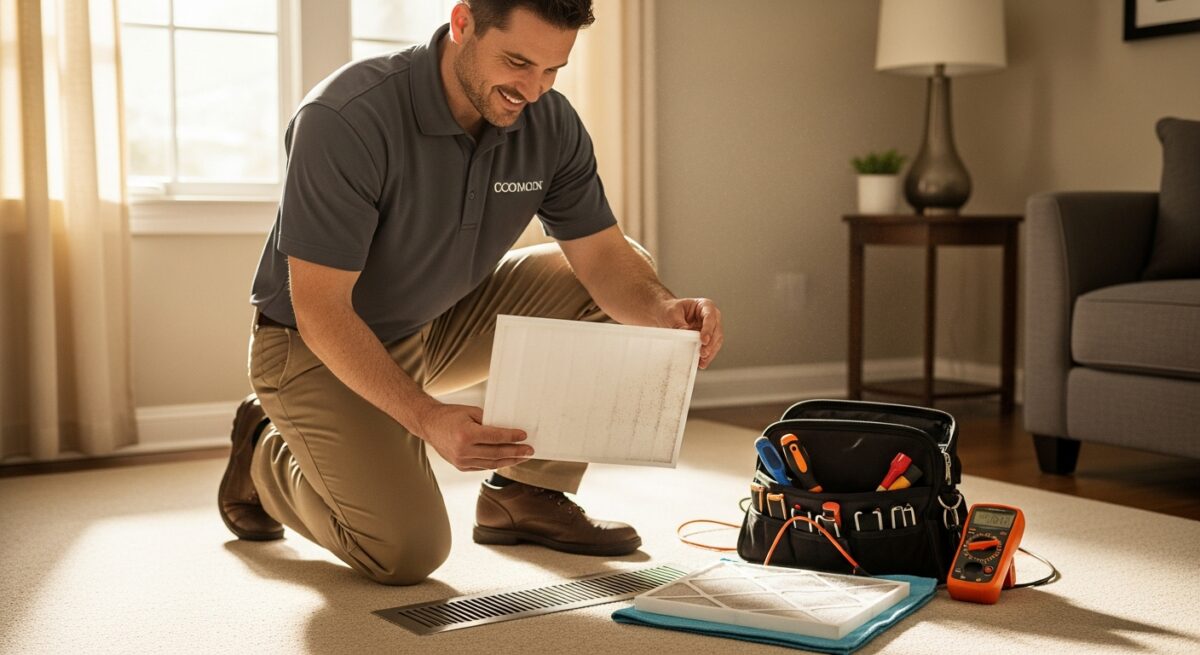
Always check the basics first: ensure your thermostat is set to “heat” and the temperature is set above the current room temperature. Verify the circuit breaker for the system is on. For forced-air systems, replace a dirty air filter, as this simple fix resolves many airflow and overheating issues.
How long does a typical heating repair take?
Most common repairs, like replacing a thermostat or a flame sensor, can be completed in one to two hours. More complex repairs involving major components may take half a day or require ordering special parts.
What is short-cycling, and why is it bad?
Short-cycling is when your heater turns on and off every few minutes. It causes excessive wear on components, reduces efficiency, and fails to properly heat your home. It requires professional diagnosis to find and fix the underlying cause.
Are there any maintenance tasks I should do regularly?
Yes. Replace your air filter every 1-3 months. Keep the area around your furnace or boiler clean and clear of clutter. Ensure your exterior vents (for high-efficiency systems) are not blocked by snow, leaves, or debris.
What payment options do you offer?
We offer multiple convenient payment options and can discuss financing for larger repairs or system replacements. Our estimates are always transparent with no hidden fees.
Your home’s heating system is a vital component of your daily comfort and safety. By understanding common problems, recognizing warning signs, and partnering with trusted professionals for repairs, you can ensure it operates reliably for years to come. Don’t let a minor issue become a major headache,proactive care is the key to lasting warmth and peace of mind.

About Alex Carter
"*" indicates required fields