
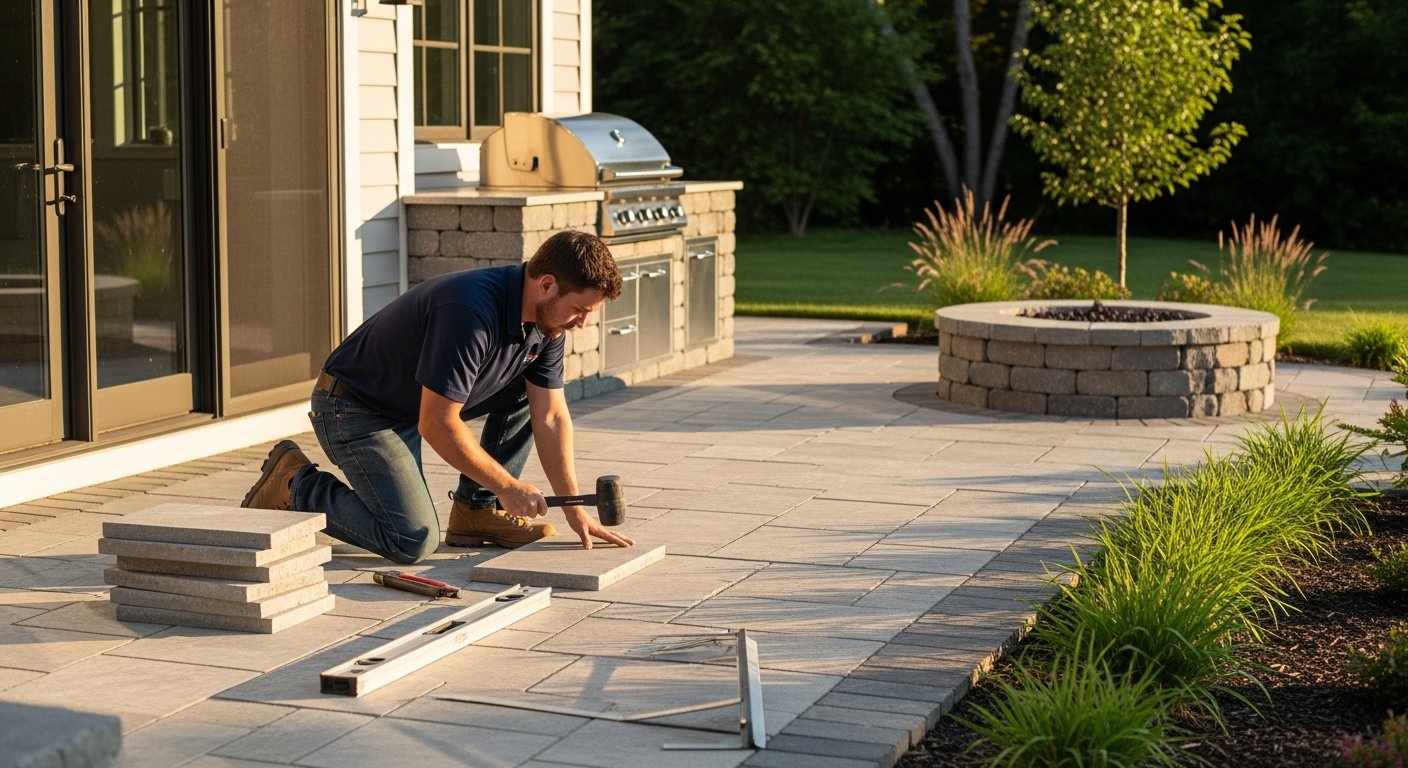
Hardscaping Services That Boost Home Value and Curb Appeal
Discover how professional hardscaping services can transform your outdoor space, boost home value, and create durable, low-maintenance living areas.

By Alex Carter
Learn more about Outdoor Landscaping and Design for guides, costs, and what to expect.
Compare Outdoor Landscaping and Design Pros Near You

Enter your ZIP code to compare top-rated local professionals and request free quotes.
When you picture a beautifully landscaped yard, you might think of lush lawns, colorful flower beds, and towering trees. But the true backbone of an outdoor space is the hardscape: the patios, walkways, retaining walls, and stone features that provide structure and function. These permanent installations do more than just look good. They expand your living area, solve drainage problems, and increase your property's resale value. That is why professional hardscaping services have become one of the most sought-after home improvement investments. Whether you are planning a complete backyard transformation or a simple front walkway, understanding what hardscaping entails and how to choose the right contractor can mean the difference between a stunning outdoor retreat and a costly repair project.
This guide walks you through the essential elements of hardscaping, the planning process, material selection, and how to work with a contractor to achieve the best results. By the end, you will know exactly what to expect when you request a hardscaping quote and how to ensure your project is a success from start to finish.
What Are Hardscaping Services?
Hardscaping refers to the non-living, hard elements of your landscape. These are the built features that define your outdoor space and make it usable. Common hardscaping projects include patios, decks, driveways, walkways, retaining walls, outdoor kitchens, fire pits, and even stone veneer accents on your home's exterior. Unlike softscaping, which involves plants, soil, and grass, hardscaping is all about structure and permanence.
Professional hardscaping services cover the full scope of these projects. A skilled contractor can handle site preparation, excavation, base installation, drainage, and the precise placement of pavers, stone, or concrete. They also manage the permitting process and ensure that your project meets local building codes. This level of expertise is crucial because hardscaping is not a DIY-friendly endeavor for most homeowners. A poorly installed patio can shift, crack, or create water problems that damage your home's foundation. Hiring professionals protects your investment and delivers a finish that lasts for decades.
Beyond the technical benefits, hardscaping services add significant aesthetic value. A well-designed hardscape creates a seamless transition between your home and garden, giving your property a cohesive, polished look. It also increases your usable outdoor square footage, which is especially valuable for entertaining or simply enjoying your yard in comfort.
Key Benefits of Adding Hardscaping to Your Property
Investing in hardscaping is about more than just appearance. The benefits extend to functionality, environmental impact, and financial return. Here are the most compelling reasons to consider a hardscaping project:
- Increased Home Value: According to landscape industry studies, a well-executed hardscape can return 50 to 80 percent of its cost in added home value. Patios, outdoor kitchens, and fire pits are top features buyers look for.
- Extended Living Space: A patio or deck acts as an outdoor room, perfect for dining, lounging, and hosting gatherings. It effectively increases your home's functional area without a major addition.
- Low Maintenance: Hardscape surfaces require far less upkeep than lawns or gardens. No mowing, watering, or fertilizing, just occasional cleaning and sealing.
- Erosion and Drainage Control: Retaining walls and permeable pavers help manage water flow, preventing soil erosion and reducing the risk of basement flooding.
- Year-Round Use: With features like fire pits, outdoor heaters, and covered structures, you can enjoy your outdoor space in every season.
These advantages make hardscaping a smart addition for any homeowner. However, the key to unlocking these benefits lies in proper design and installation, which is why partnering with a reputable contractor is essential.
Planning Your Hardscape Project: A Step-by-Step Guide
A successful hardscape project starts long before any digging begins. It requires careful planning, a clear vision, and a realistic budget. Here is a practical approach to help you get started.
1. Define Your Needs and Lifestyle
First, think about how you want to use your outdoor space. Do you love hosting summer barbecues? A large paver patio with an outdoor kitchen might be ideal. Are you looking for a quiet spot to read? A small, private seating area with a water feature could be perfect. Consider your family's habits, the size of your property, and the local climate. This initial vision will guide every subsequent decision.
2. Set a Realistic Budget
Hardscaping costs can vary wildly based on materials, labor, and project complexity. On average, expect to pay between $15 and $50 per square foot for basic paver installations, while high-end natural stone or custom features can exceed $100 per square foot. Before you fall in love with a design, establish a firm budget. This will help you prioritize features and select materials that fit your financial comfort zone. Always include a contingency of 10 to 20 percent for unexpected site conditions, such as poor soil or underground utility lines.
3. Choose the Right Materials
Material selection is one of the most important decisions you will make. Popular choices include:
- Concrete Pavers: Durable, versatile, and cost-effective. They come in a wide range of colors, shapes, and textures that mimic stone or brick.
- Natural Stone: Flagstone, travertine, and limestone offer a high-end, timeless look. Each piece is unique, but the material is more expensive and requires skilled installation.
- Brick: Classic and charming, brick is a durable option that works well for traditional homes. It can be laid in various patterns like herringbone or basketweave.
- Porcelain Pavers: A modern choice that is highly durable, stain-resistant, and available in large-format sizes. It stays cooler than concrete in hot climates.
Each material has its own maintenance requirements and lifespan. Your contractor can help you weigh the pros and cons based on your specific project and local conditions.
4. Consider Drainage and Site Conditions
Proper drainage is the most overlooked aspect of hardscaping. Water that pools on your patio or washes against your foundation can cause severe damage over time. During the planning phase, your contractor will assess the slope of your property and determine the best way to direct water away from structures. This may involve installing a French drain, grading the soil, or using permeable pavers that allow water to filter through.
5. Find a Qualified Contractor
This is the most critical step. Ask for recommendations from friends and neighbors, read online reviews, and check references. A reputable hardscape contractor will have a portfolio of completed projects, proper licensing and insurance, and a clear, written contract. They should also be willing to walk you through the entire process, from initial design to final cleanup. At 180 Remodel, we connect homeowners with vetted professionals who specialize in hardscaping and other outdoor improvements.
Popular Hardscaping Features and Trends
If you are looking for inspiration, here are some of the most in-demand hardscaping features that homeowners are adding in 2026:
Outdoor Kitchens and Dining Areas
The outdoor kitchen has evolved from a simple grill to a fully equipped culinary space. Modern designs include built-in grills, refrigerators, sinks, pizza ovens, and even bar seating. These areas are often covered with a pergola or pavilion to provide shade and protection from the elements. When paired with a spacious paver patio, an outdoor kitchen becomes the heart of backyard entertaining.
Fire Pits and Fireplaces
A fire feature extends the usability of your outdoor space well into the cooler months. Fire pits are available in wood-burning, gas, and propane models, and they can be built into a seating wall or stand alone as a centerpiece. Outdoor fireplaces, on the other hand, offer a more substantial focal point and can be constructed from stone, brick, or manufactured veneer. Both options create a cozy gathering spot that adds warmth and ambiance.
Retaining Walls and Terraced Gardens
Properties with slopes or uneven terrain often require retaining walls to create level, usable areas. These walls are not only functional, they can also be a beautiful design element. Using the same stone or paver material as your patio creates a cohesive look. Terraced gardens are a popular way to turn a hillside into a series of planting beds, reducing erosion and making maintenance easier.
Permeable Pavers and Eco-Friendly Design
Sustainability is a growing concern among homeowners. Permeable pavers allow rainwater to soak into the ground below, reducing runoff and recharging groundwater supplies. This is an excellent choice for driveways and walkways, and it can even earn you credits toward local stormwater management requirements. Many hardscape contractors now offer eco-friendly options like recycled materials and low-carbon concrete.
Lighting and Technology Integration
Landscape lighting transforms your hardscape after dark. Low-voltage LED path lights, uplights on trees, and string lights over a patio create a magical atmosphere while improving safety. Smart home integration is also on the rise. You can now control outdoor lighting, water features, and even outdoor speakers from your smartphone, making your outdoor living experience more convenient than ever.
How to Choose the Right Hardscape Contractor
Selecting the right contractor is the single most important factor in the success of your hardscape project. A beautiful design is worthless if the installation is subpar. Here are the questions you should ask before signing any contract:
- Are you licensed and insured? This protects you from liability if an accident occurs on your property. Ask to see their license and certificates of insurance.
- Can you provide references? A reputable contractor will be happy to share contact information for past clients. Follow up with them and ask about their experience.
- Do you provide a written estimate? The estimate should detail the scope of work, materials, labor costs, and a timeline. Be wary of any contractor who gives a vague verbal quote.
- How do you handle drainage and site prep? The answer should show a clear understanding of soil conditions, grading, and water management.
- What is your warranty policy? A good contractor will stand behind their work. Ask what is covered and for how long.
At 180 Remodel, we simplify this process by pre-screening contractors for you. When you submit a request through our platform, we match you with up to four qualified professionals in your area. This allows you to compare quotes and choose the one that best fits your needs and budget.
Hardscaping Maintenance Tips for Longevity
Once your hardscape is installed, regular maintenance will keep it looking new and extend its lifespan. Here are some essential tips:
- Clean Surfaces Regularly: Sweep patios and walkways to remove debris and dirt. For deeper cleaning, use a pressure washer on a low setting or a specialized paver cleaner.
- Seal Pavers and Stone: Sealing your pavers every 2 to 3 years protects them from stains, fading, and weed growth. It also enhances the color and makes future cleaning easier.
- Inspect for Damage: Check for cracks, chips, or shifting pavers, especially after a harsh winter. Address any issues promptly to prevent them from worsening.
- Control Weeds: Pull weeds as soon as they appear. You can also use polymeric sand in the joints, which hardens to prevent weed seeds from taking root.
- Keep Drainage Clear: Ensure that drains and gutters are free of leaves and debris so water can flow away from your hardscape effectively.
Following these simple steps will protect your investment and keep your outdoor space beautiful for many years.
Cost Considerations and Financing
The cost of a hardscape project depends on several factors: the size of the area, the materials chosen, the complexity of the design, and your location. While it is difficult to give a precise number without a site inspection, here are some general guidelines. A basic concrete paver patio can cost between $3,000 and $10,000. A more elaborate project, such as an outdoor kitchen or a full backyard remodel, can easily exceed $30,000. Retaining walls typically cost $20 to $40 per square foot, and outdoor fireplaces range from $5,000 to $15,000.
Because this is a significant investment, many homeowners wonder about financing options. Some contractors offer in-house financing, while others partner with third-party lenders. Home equity loans and lines of credit are also popular choices because the interest may be tax-deductible. Before you commit, compare interest rates and terms to find a solution that works for your budget. At 180 Remodel, we can help you request quotes from contractors who are transparent about pricing and can guide you through the financial aspects of your project.
Final Thoughts on Professional Hardscaping
Hardscaping is a powerful way to transform your outdoor living space, increase your home's value, and create an environment that you will enjoy for years. Whether you are dreaming of a serene stone patio, a functional outdoor kitchen, or a terraced hillside garden, the key to success is a thoughtful plan and a skilled contractor. By taking the time to define your needs, set a budget, and choose a reputable professional, you can avoid costly mistakes and enjoy a seamless installation experience.
If you are ready to bring your hardscape vision to life, the next step is simple. Request a free, no-obligation estimate through 180 Remodel. We connect you with pre-screened, licensed contractors in your area who can provide expert advice and a competitive quote. Get started today and see how professional hardscaping services can elevate your home.